The 2020 film The Trial of the Chicago 7, written and directed by Aaron Sorkin, is the definitive cinematic examination of the infamous 1969 federal trial. It depicts the prosecution of seven (originally eight) anti-Vietnam War activists charged with conspiracy and inciting riots during the 1968 Democratic National Convention.
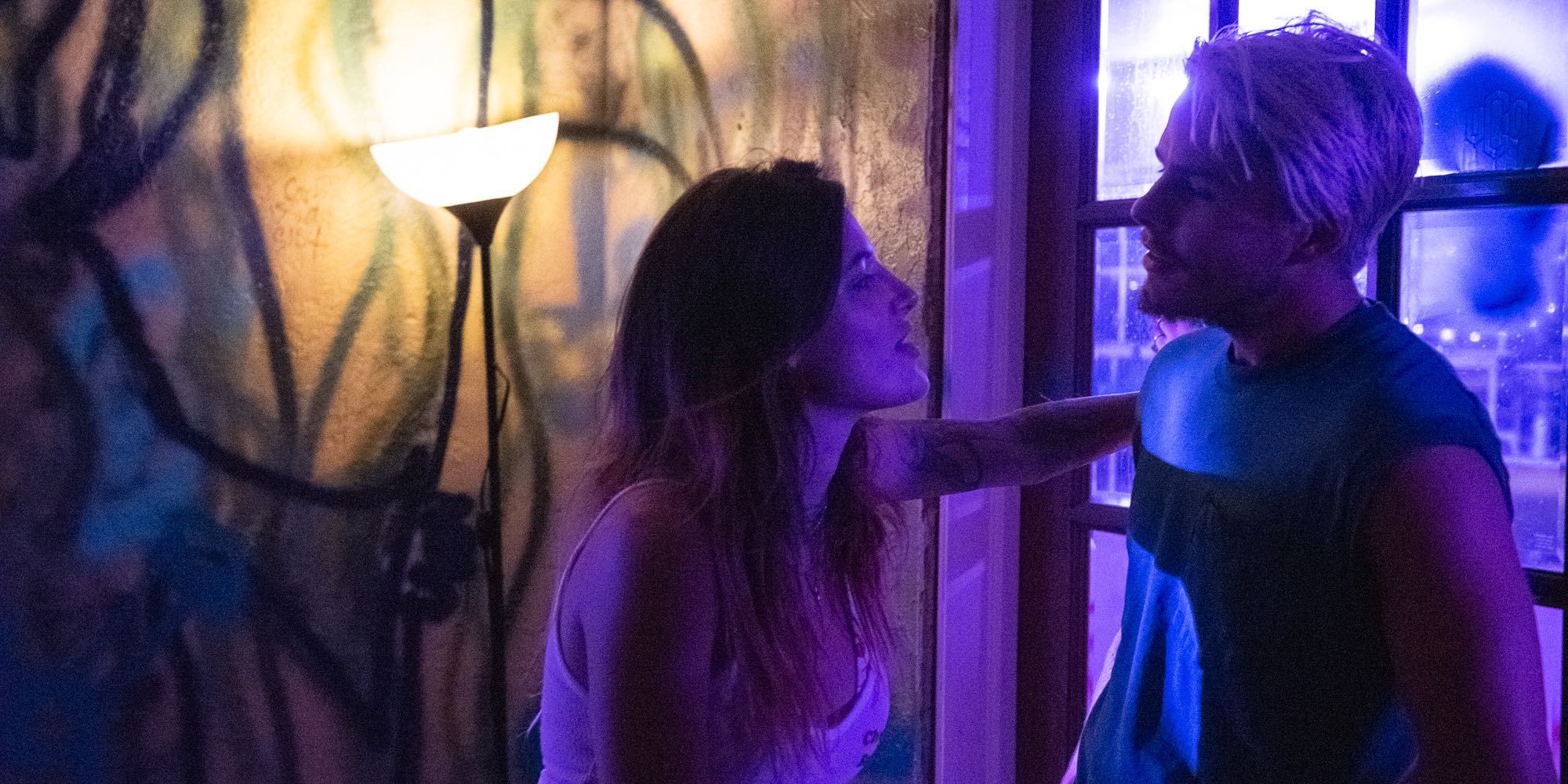
When analyzing the search for an "infamous movie 2020 based on true story," it is important to clarify a common point of confusion. While a fictional film titled Infamous was also released in 2020 starring Bella Thorne, that project is a modern reimagining of the "Bonnie and Clyde" trope and is not based on specific true events. In contrast, The Trial of the Chicago 7 stands as the significant 2020 release that examines a genuine, historically infamous legal proceeding. As of 2026, the film remains a primary reference point for audiences exploring the intersection of political protest, judicial overreach, and American civil rights history.
Historical Context: The 1968 Protests and the Road to Infamy
To understand why the 2020 movie is such a critical examination of history, one must first understand the climate of 1968. The United States was deeply divided over the Vietnam War. Following the assassination of Martin Luther King Jr. and Robert F. Kennedy, the 1968 Democratic National Convention (DNC) in Chicago became a flashpoint for anti-war sentiment.
Various activist groups, including the Youth International Party (Yippies) led by Abbie Hoffman and Jerry Rubin, and the Students for a Democratic Society (SDS) led by Tom Hayden and Rennie Davis, converged on the city. They intended to hold rallies and marches to protest the war and the Democratic Party's platform. What resulted was a violent confrontation between protesters and the Chicago Police Department, later described by the Walker Report as a "police riot."
The trial that followed in 1969 was not just a legal battle; it was a cultural explosion. The Nixon administration’s Justice Department, led by Attorney General John Mitchell, sought to make an example of the protest leaders. By charging them with conspiracy under the newly enacted Anti-Riot Act (part of the Civil Rights Act of 1968), the government aimed to delegitimize the anti-war movement. This setup provided the "infamous" foundation that Sorkin examined five decades later.
Production and Development of the 2020 Film
The journey of The Trial of the Chicago 7 to the screen was nearly as long and complex as the trial itself. The project was initially conceived in 2007, with Steven Spielberg originally set to direct and Aaron Sorkin hired to write the screenplay. However, the 2007 Writers Guild of America strike and various budgetary concerns delayed the production for years.
In 2020, amidst a global pandemic and a period of renewed civil unrest in the United States, the film was finally released on Netflix. The timing was serendipitous, as the themes of the film—police brutality, the right to protest, and the integrity of the judicial system—felt intensely relevant to the contemporary audience.
The film features an ensemble cast that brings the "infamous" historical figures to life:
- Sacha Baron Cohen as Abbie Hoffman
- Eddie Redmayne as Tom Hayden
- Yahya Abdul-Mateen II as Bobby Seale
- Jeremy Strong as Jerry Rubin
- Mark Rylance as defense attorney William Kunstler
- Frank Langella as Judge Julius Hoffman
Sorkin’s examination focuses on the clashing ideologies within the defense—specifically the tension between Hayden’s desire to work within the system and Hoffman’s desire to dismantle it through theater and absurdity.
Examining the Infamous Treatment of Bobby Seale
Perhaps the most infamous aspect of the real-life trial, and the most harrowing sequence in the 2020 movie, is the treatment of Bobby Seale, the co-founder of the Black Panther Party. Seale was originally the eighth defendant, though he had only been in Chicago for a few hours and had no part in the protest planning.
In the film, as in reality, Seale was denied the right to his own counsel after his lawyer underwent emergency surgery. When Seale repeatedly attempted to represent himself and objected to the court's proceedings, Judge Julius Hoffman ordered him to be bound and gagged in the courtroom.
This moment remains a stain on American legal history. The movie examines this by showing the visceral reaction of the other defendants and the jury. In the film, the gagging lasts for a few minutes before the trial is declared a mistrial for Seale; in reality, Seale sat bound and gagged for several days of the trial. This discrepancy is a key point of examination for historians, as the real-life duration emphasizes the extremity of the judge's bias and the systemic racism inherent in the proceedings.
Legal Realities: Fact vs. Fiction in the Courtroom
Aaron Sorkin is known for "Sorkinisms"—fast-paced, rhythmic dialogue and dramatic flourishes that prioritize emotional truth over literal accuracy. When examining The Trial of the Chicago 7 as a "true story," several deviations from the historical record become apparent.
The "Names of the Fallen" Finale
The movie concludes with a powerful scene where Tom Hayden, during his sentencing, reads the names of the American soldiers who died in the Vietnam War during the course of the trial. While this makes for a triumphant cinematic ending, it did not happen exactly this way. In the real trial, the defense attempted to read names during a Vietnam Moratorium Day earlier in the proceedings, but they were cut off by the judge. The sentencing phase did not feature this specific dramatic reading.
The Character of Abbie Hoffman
Sacha Baron Cohen’s portrayal of Abbie Hoffman captures the wit and intellectual depth of the Yippie leader. However, the movie presents Hoffman as a somewhat more grounded philosopher than his real-life counterpart. The real Hoffman was notorious for even more radical courtroom antics, including wearing judicial robes to court and blowing kisses to the jury, which the film streamlines for narrative clarity.
The Portrayal of Richard Schultz
The film depicts prosecutor Richard Schultz (played by Joseph Gordon-Levitt) as a reluctant participant who is ethically conflicted about the government's overreach. Historical accounts suggest that the real Schultz was far more aggressive and committed to the prosecution's goals than his cinematic counterpart.
Historical Accuracy Comparison Table
| Feature | Movie Depiction (2020) | Historical Reality (1969-1970) |
|---|---|---|
| Bobby Seale's Gagging | Lasts a short time before a mistrial is declared. | Lasted for several days of the trial. |
| The Ending | Tom Hayden reads the names of the dead soldiers. | Names were attempted to be read earlier; the sentencing was different. |
| The Prosecution | Richard Schultz is portrayed as ethically conflicted. | Schultz was a vigorous and aggressive prosecutor. |
| Judge Julius Hoffman | Portrayed as senile and overtly biased. | Generally considered biased and temperamentally unfit by observers. |
| Defendant Unity | Focuses on the rivalry between Hayden and Hoffman. | The group was often more fragmented, with diverse political goals. |
The Legacy of the Trial and the Film's Impact
The trial of the Chicago 7 ended in 1970 with five of the defendants convicted of crossing state lines with the intent to riot, while all seven were acquitted of conspiracy. However, the Seventh Circuit Court of Appeals eventually overturned all convictions in 1972, citing the judge’s bias and the unauthorized surveillance of the defense by the FBI.
The 2020 film examines these events not just as a history lesson, but as a warning. By highlighting the government’s use of the legal system to suppress political dissent, the movie asks the audience to remain vigilant. As of 2026, the film is often studied in media and law courses for its portrayal of "political trials"—cases where the legal charges are secondary to the government's desire to silence a movement.
The "infamous" nature of the case remains intact because it represents a moment where the American judicial system almost broke under the weight of political pressure. Sorkin’s examination emphasizes that the defendants were not just fighting for their freedom, but for the soul of the country’s First Amendment rights.
Frequently Asked Questions
Is the movie "Infamous" (2020) based on a true story?
No. The film Infamous (2020), starring Bella Thorne and Jake Manley, is a fictional story about a young couple seeking social media fame through a series of robberies. It is often confused with true-story films because it draws inspiration from real-life "influencer" culture and classic crime stories like Bonnie and Clyde, but it does not depict a specific historical event.
What happened to the real Chicago 7 after the trial?
The defendants followed various paths. Tom Hayden became a prominent California politician and was married to Jane Fonda. Abbie Hoffman continued his activism but spent years in hiding to avoid drug charges before taking his own life in 1989. Jerry Rubin eventually became a businessman and an early investor in Apple. Bobby Seale remained a social activist and wrote several books, including a cookbook.
How accurate was the portrayal of Judge Julius Hoffman?
Frank Langella’s portrayal of Judge Julius Hoffman is considered quite accurate in terms of the judge's visible disdain for the defendants. Historical transcripts confirm that the judge was frequently insulting, refused to allow the defense to present key evidence, and issued hundreds of contempt citations against the defendants and their lawyers.
Why was it called the Chicago 8, then the Chicago 7?
The case began with eight defendants: Abbie Hoffman, Jerry Rubin, David Dellinger, Tom Hayden, Rennie Davis, John Froines, Lee Weiner, and Bobby Seale. Because Bobby Seale’s case was severed from the rest (following the gagging incident and his demand for a mistrial), the remaining group became known as the Chicago 7.
Did the defendants really wear judge’s robes to court?
Yes. In one of the most famous acts of "guerrilla theater" during the trial, Abbie Hoffman and Jerry Rubin arrived in court wearing judicial robes. When ordered to remove them, they did so, revealing Chicago Police Department shirts underneath. This specific prank is depicted in the 2020 film and is one of its most historically accurate moments of courtroom disruption.
Final Recommendation for Viewers
If you are looking to understand the "infamous" events of 1968 and 1969 through a 2020 lens, The Trial of the Chicago 7 is an essential watch. However, viewers should supplement the film with a reading of the actual trial transcripts or the book The Chicago Conspiracy Trial by John Schultz to get a full picture of the nuances Sorkin omitted. For those specifically looking for the Bella Thorne movie Infamous, be aware that it is a stylized thriller rather than a historical examination. For a deep dive into the legal and social ramifications of political protest, the Sorkin film remains the gold standard of 2020's true-story adaptations.