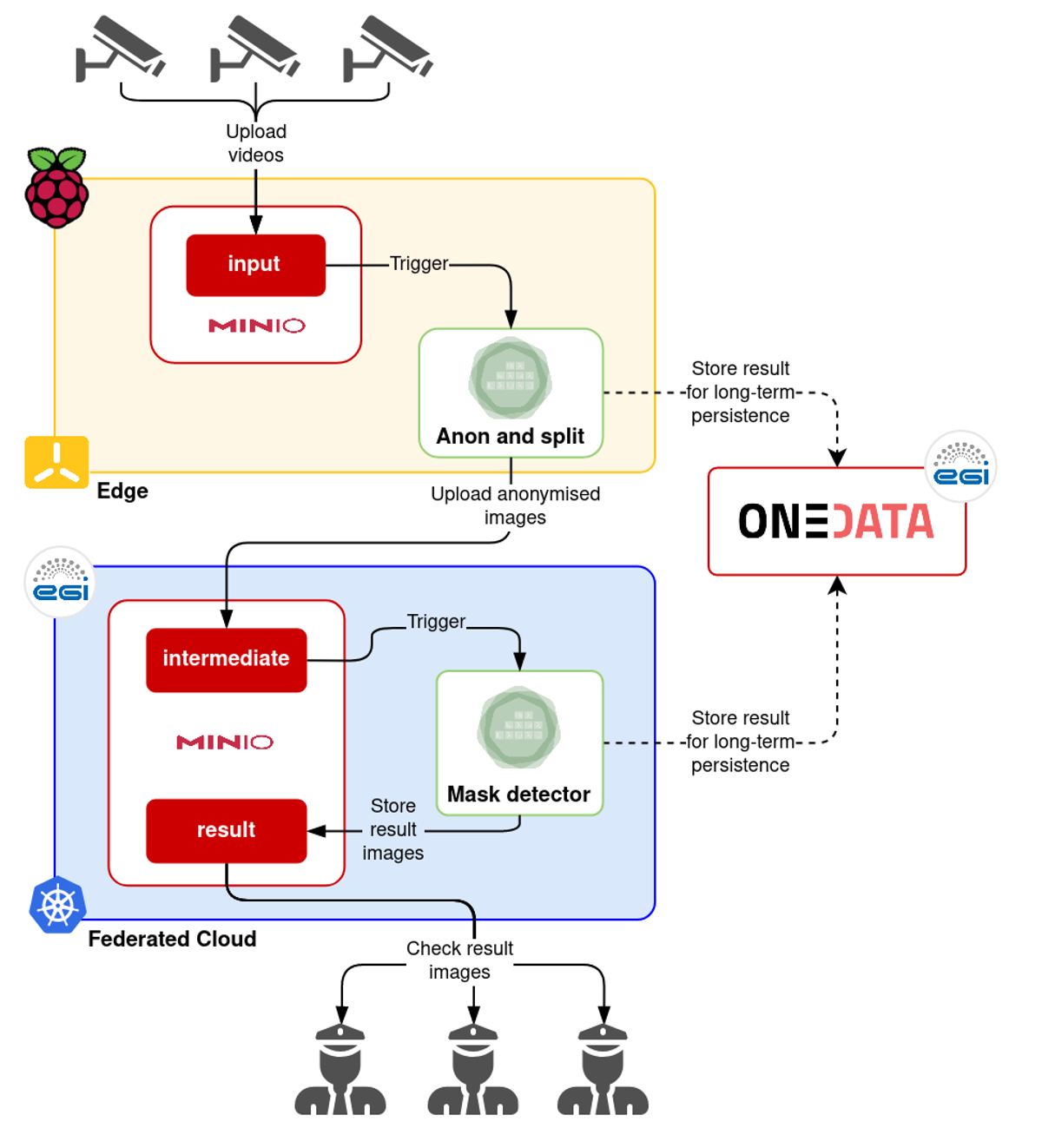
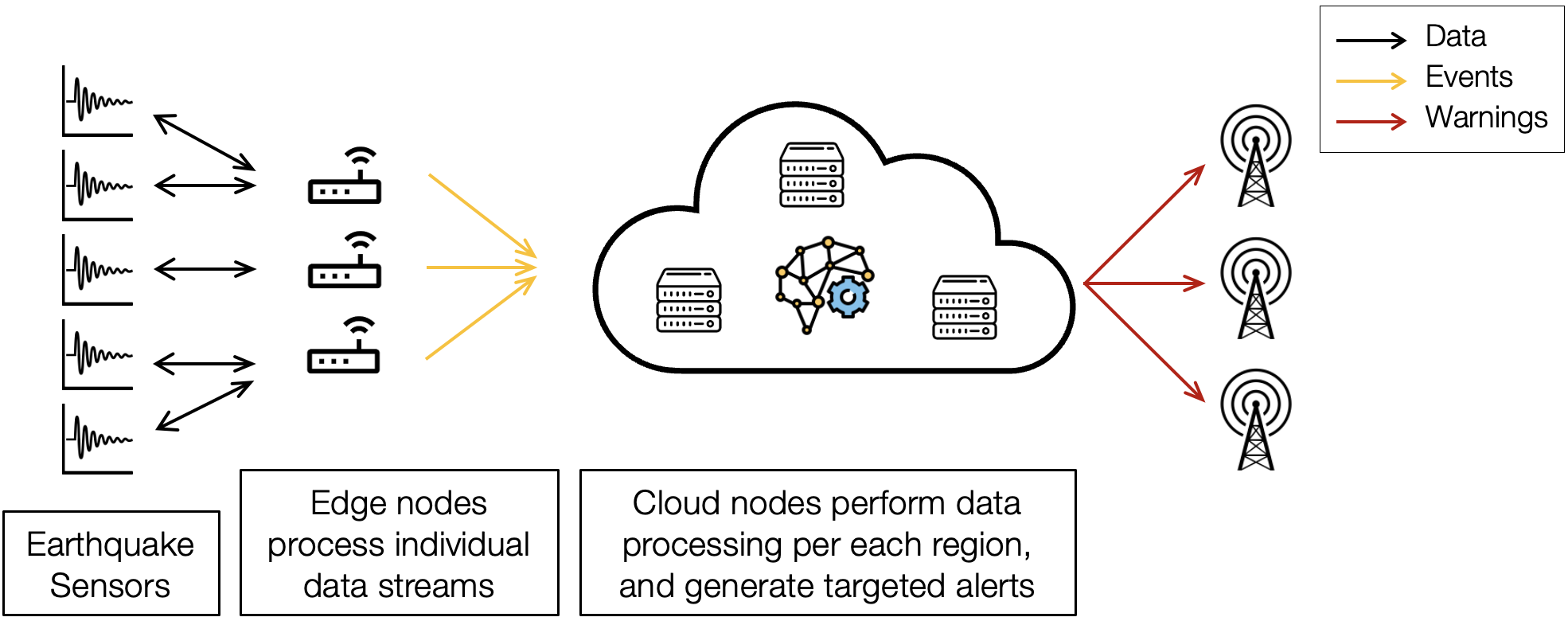
Ensuring a security continuum from edge to cloud requires implementing unified identity management, end-to-end encryption, continuous monitoring, and automated policy enforcement that seamlessly protects data and workloads across distributed environments without operational blind spots.
Modern enterprise architecture has undergone a radical decentralization. Organizations no longer rely exclusively on centralized corporate data centers and perimeter-based firewalls to secure their digital assets. Instead, data generation, processing, and consumption now occur across a vast, highly distributed continuum. This continuum spans resource-constrained edge computing devices, multi-tenant public clouds, private data centers, and hybrid environments.
As the attack surface expands outward to the edge and upward into cloud infrastructure, traditional fragmented security models fail. Siloed security tools create visibility gaps, inconsistent policy application, and sluggish incident response times. To protect modern infrastructure, security architects must implement a security continuum—an unbroken, adaptive security posture that maintains protection, visibility, and control as data and workloads move seamlessly from the furthest edge to centralized cloud repositories.
The Evolution of the Edge-to-Cloud Attack Surface
The traditional corporate network perimeter dissolved with the advent of remote work, cloud migration, and Internet of Things (IoT) deployment. Understanding the components of the modern security continuum requires mapping how data traverses this expansive infrastructure.
The Edge Tier
The edge encompasses localized hardware, Internet of Things sensors, retail point-of-sale systems, branch office gateways, and regional micro-data centers. These locations often operate in physically insecure environments with limited administrative oversight. Edge devices process high volumes of sensitive data locally to reduce latency, making them primary targets for physical tampering, malware injection, and unauthorized network access.
The Transit Tier
Data in motion between the edge and the cloud traverses public and private networks. Without robust transport layer security, this data is vulnerable to interception, man-in-the-middle attacks, and packet sniffing. Securing the transit tier requires continuous encryption and software-defined perimeter controls that decouple security from underlying physical transport mechanisms.
The Cloud Tier
The cloud tier includes Infrastructure as a Service (IaaS), Platform as a Service (PaaS), Software as a Service (SaaS), and containerized multi-cloud environments. While hyper-scalers provide robust foundational security, the shared responsibility model dictates that configuration management, identity governance, and workload protection remain the responsibility of the organization. Misconfigurations in cloud storage buckets, overly permissive identity roles, and unpatched container images frequently expose enterprise environments to breaches.
Core Pillars of the Edge-to-Cloud Security Continuum
Achieving an unbroken security posture across diverse architectural tiers requires aligning four foundational pillars: unified identity, pervasive encryption, continuous visibility, and automated governance.
- EDGE-TO-CLOUD CONTINUUM
- EDGE TIER (IoT, Branch Gateways, Local Processing)
- Secure Transit
- CLOUD TIER (Multi-Cloud, IaaS, SaaS, Containers)
- UNIFIED SECURITY GOVERNANCE
1. Unified Identity and Access Management (IAM)
Identity is the new security perimeter. In an edge-to-cloud continuum, traditional network-based trust must be replaced with a Zero Trust architecture. Every access request—whether originating from a remote sensor at an industrial edge or a developer accessing a cloud database—must be authenticated, authorized, and encrypted before access is granted.
- Adaptive Multi-Factor Authentication (MFA): Enforcing context-aware authentication that evaluates device posture, user behavior, and geographical anomalies.
- Privileged Access Management (PAM): Restricting administrative access to cloud control planes and edge management interfaces using just-in-time and least-privilege principles.
- Decentralized Identity: Utilizing cryptographic identities for machine-to-machine communication, ensuring edge devices can securely authenticate with cloud services without hardcoded credentials.
2. End-to-End Data Protection
Data must be secured at rest, in transit, and in use across the entire continuum. Confidential computing technologies allow processing of encrypted data in memory without exposing plaintext to underlying hypervisors or operating systems.
- Data Discovery and Classification: Automatically identifying and tagging sensitive data, such as Personally Identifiable Information (PII) and intellectual property, regardless of where it resides.
- Key Management Lifecycle: Centralized cryptographic key management that allows organizations to retain control over encryption keys across multi-cloud and edge deployments.
- Transport Security: Enforcing modern cryptographic protocols (such as TLS 1.3) for all communication channels between edge nodes and cloud services.
3. Continuous Visibility and Telemetry
You cannot secure what you cannot see. Fragmented logging leads to delayed threat detection. A security continuum requires a centralized Security Information and Event Management (SIEM) or Extended Detection and Response (XDR) platform capable of ingesting telemetry from edge endpoints, network switches, and cloud audit logs.
- Unified Log Aggregation: Standardizing log formats across diverse operational environments to enable cross-tier correlation.
- Behavioral Anomaly Detection: Leveraging machine learning to establish baselines of normal activity and flag anomalous data exfiltration or lateral movement.
- Asset Discovery: Maintaining an automated, real-time inventory of all connected edge devices, virtual machines, and cloud workloads.
4. Automated Policy Enforcement and Compliance
Manual security configuration cannot scale to meet the velocity of modern cloud and edge deployments. Security policies must be defined as code and enforced automatically across the continuum.
- Infrastructure as Code (IaC) Scanning: Validating cloud and edge deployment templates for security misconfigurations before deployment.
- Policy Enforcement Engines: Utilizing tools like Open Policy Agent (OPA) to enforce consistent access and security rules across Kubernetes clusters, edge gateways, and cloud APIs.
- Continuous Compliance Monitoring: Automatically auditing environments against frameworks such as ISO 27001, SOC 2, HIPAA, and PCI-DSS.
Architectural Comparison of Security Approaches
To understand the value of an integrated security continuum, it is helpful to contrast traditional perimeter security with modern continuum-based frameworks.
| Security Dimension | Traditional Perimeter Model | Edge-to-Cloud Security Continuum |
|---|---|---|
| Trust Model | Implicit trust inside the corporate network | Zero Trust (Verify explicitly, least privilege) |
| Visibility | Focused primarily on data center boundaries | Comprehensive telemetry from edge to cloud |
| Policy Enforcement | Static firewall rules at network edges | Dynamic, context-aware policies enforced everywhere |
| Identity Management | Disconnected Active Directory domains | Unified, cloud-native IAM with adaptive MFA |
| Response Capability | Manual, siloed incident investigation | Automated, cross-tier threat containment |
Implementation Challenges and Mitigation Strategies
Deploying a security continuum across heterogeneous environments introduces distinct operational and technical hurdles. Organizations must proactively address these challenges to avoid deployment friction.
Managing Heterogeneous Hardware at the Edge
Edge devices often run legacy operating systems or proprietary firmware that cannot support modern security agents.
- Mitigation: Implement network segmentation and micro-segmentation around edge environments. Utilize secure hardware root of trust (such as Trusted Platform Modules) and gateway-level proxies to inspect and secure traffic originating from legacy edge devices.
Balancing Latency and Security at the Edge
High-latency security checks can disrupt real-time edge operations, particularly in industrial automation or autonomous vehicle applications.
- Mitigation: Deploy localized security policies and lightweight detection engines directly on edge nodes to handle time-sensitive validation, while deferring deep analytics and asynchronous logging to the cloud.
Overcoming Skill Gaps and Tool Proliferation
Managing disparate security tools for edge gateways, public clouds, and SaaS applications creates cognitive overload for security operations teams.
- Mitigation: Consolidate vendor toolsets where possible, invest in open standards and APIs for tool integration, and upskill internal teams on cloud-native security frameworks.
Frequently Asked Questions
What is a security continuum in enterprise architecture?
A security continuum is an integrated, unbroken security strategy that provides consistent visibility, identity management, data protection, and policy enforcement across all tiers of an IT environment—from resource-constrained edge devices through transit networks to centralized public and private clouds.
How does Zero Trust fit into an edge-to-cloud security model?
Zero Trust serves as the operational foundation for the security continuum. Instead of trusting devices or users based on their network location, a Zero Trust model continuously verifies identity, validates device health, and enforces least-privilege access for every interaction across both edge and cloud tiers.
Why are traditional perimeter security models inadequate for edge and cloud?
Traditional security models rely on a trusted internal network behind a corporate firewall. Because edge computing distributes processing power to remote locations and cloud computing shifts workloads outside physical boundaries, the traditional perimeter no longer exists. Security must now follow the data and workloads wherever they reside.
What role does encryption play in securing data across the continuum?
Encryption protects data at rest in edge storage and cloud databases, data in transit across public networks, and data in use via confidential computing technologies. This ensures that even if infrastructure is compromised, the underlying data remains unreadable without the proper cryptographic keys.
Practical Next Actions for Security Leaders
- Conduct a Comprehensive Asset Audit: Discover and catalog all edge devices, IoT endpoints, and cloud workloads to eliminate undocumented shadow IT.
- Migrate to Unified Identity Governance: Implement centralized adaptive MFA and remove static, long-lived credentials across all edge and cloud interfaces.
- Adopt Policy-as-Code Frameworks: Standardize deployment templates and automate security compliance checks within CI/CD pipelines.
- Establish Cross-Tier Telemetry: Integrate edge logs and cloud audit trails into a centralized monitoring platform to gain end-to-end visibility.