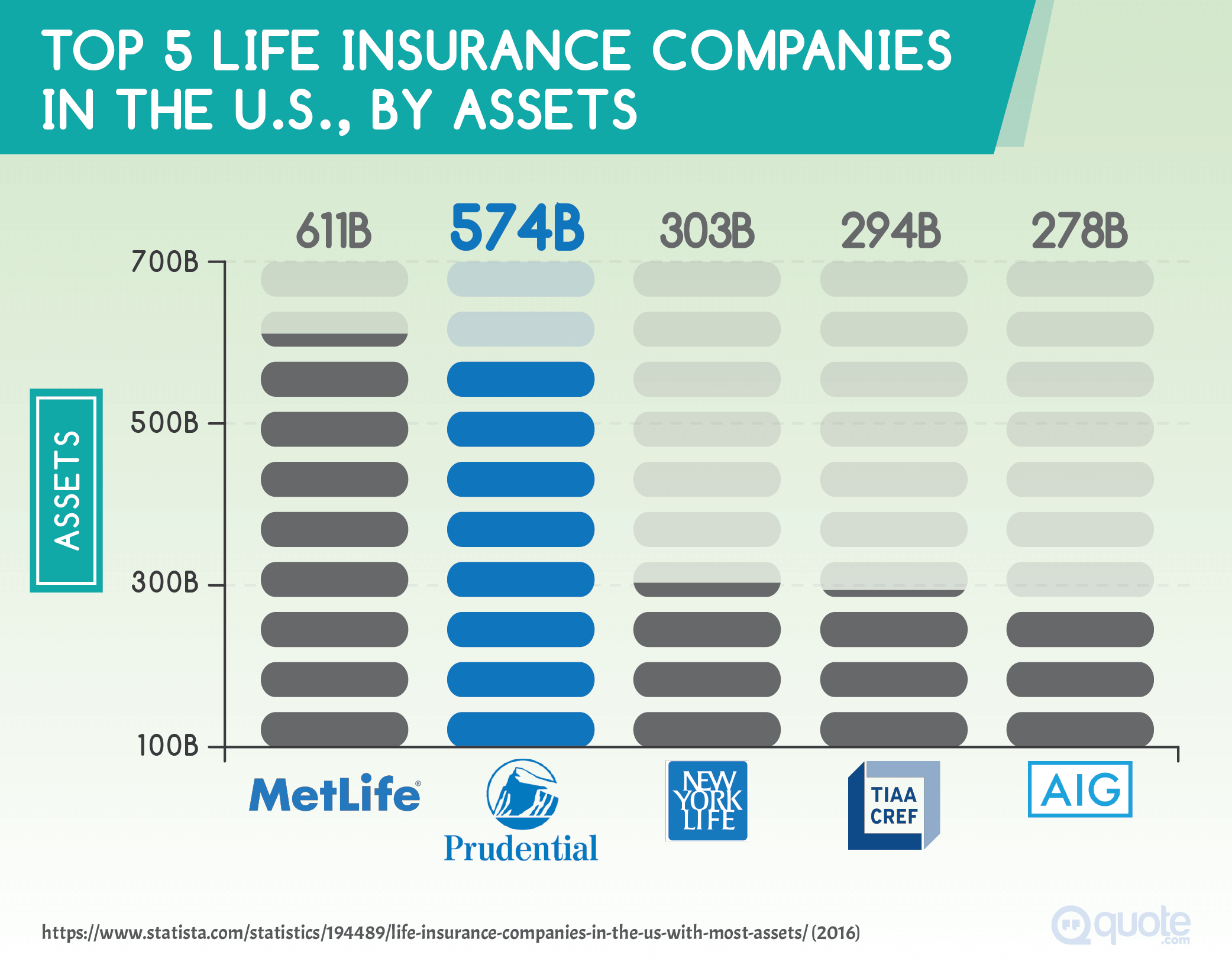
As of 2026, the primary life insurance subsidiaries of Prudential Financial, Inc., including The Prudential Insurance Company of America, maintain an A+ (Superior) financial strength rating from A.M. Best. This rating reflects the company's excellent balance sheet strength, strong operating performance, and very favorable business profile as one of the world's largest financial services institutions.
When purchasing a life insurance policy, you are essentially entering into a multi-decade contract. The value of that contract depends entirely on the insurer’s ability to pay claims twenty, forty, or even sixty years into the future. Financial strength ratings are the primary tool used by consumers, agents, and institutional investors to gauge this long-term solvency. Among the "Big Three" rating agencies, A.M. Best is unique because it focuses exclusively on the insurance industry.
Understanding the A.M. Best Rating Scale for Prudential
A.M. Best utilizes a specific hierarchy to categorize the financial health of insurance companies. For Prudential, the A+ (Superior) designation sits in the second-highest tier of their rating scale, which ranges from A++ (Highest) down to D (Poor).
An A+ rating signifies that the company has, in the opinion of A.M. Best, a superior ability to meet its ongoing insurance obligations. While an A++ rating is the only tier above it, the A+ status is widely considered a gold standard for "blue chip" insurers. It suggests that even in periods of significant economic volatility or high-stress market conditions, Prudential possesses sufficient capital reserves and diversified income streams to fulfill its promises to policyholders.
The Components of the Rating
A.M. Best does not issue these ratings based solely on a company's current cash flow. The 2026 assessment involves a complex "Building Block" approach:
- Balance Sheet Strength: This evaluates the quality and diversification of Prudential’s investments, its capital adequacy, and its use of reinsurance.
- Operating Performance: A.M. Best analyzes whether the company is consistently profitable across its various business segments, such as individual life, group insurance, and retirement services.
- Business Profile: This looks at Prudential's market position. As a global leader with massive brand recognition and a vast distribution network, Prudential’s business profile is categorized as "very favorable."
- Enterprise Risk Management (ERM): This assesses how well the company identifies and mitigates risks, ranging from cybersecurity threats to shifts in mortality rates or interest rate fluctuations.
Why A.M. Best Ratings Matter for Life Insurance
For most financial products, a "good" rating is sufficient. For life insurance, however, "superior" ratings are often a prerequisite for informed buyers. Unlike an auto insurance policy that renews every six months, a whole life or universal life policy is a permanent asset.
Prudential’s A+ rating serves as a safeguard for policyholders. It indicates that the company maintains a conservative "buffer" of capital. If a catastrophic event were to occur—such as a global pandemic or a severe stock market crash—Prudential is statistically less likely to face insolvency than a company with a "B" or "C" rating.
Furthermore, financial strength often correlates with the performance of "dividend-paying" policies. While dividends are never guaranteed, they are typically paid out of the company’s surplus. A company with a strong A.M. Best rating, like Prudential, generally demonstrates the financial discipline required to manage the surplus effectively, which can lead to more consistent dividend performance for whole life policyholders over the long term.
Prudential Financial Strength vs. Competitors
To truly understand the value of an A+ rating, it is helpful to compare Prudential against its peers in the "Big Mutual" and "Big Stock" insurance categories. While Prudential is a publicly-traded company (owned by shareholders), it competes directly with mutual companies (owned by policyholders).
| Insurance Company | A.M. Best Rating (2026) | S&P Global Rating | Moody’s Rating |
|---|---|---|---|
| Prudential Financial | A+ (Superior) | AA- | Aa3 |
| Northwestern Mutual | A++ (Superior) | AA+ | Aaa |
| MassMutual | A++ (Superior) | AA+ | Aa3 |
| New York Life | A++ (Superior) | AA+ | Aaa |
| MetLife | A+ (Superior) | AA- | Aa3 |
| State Farm | A++ (Superior) | AA | Aa1 |
As shown in the table, Prudential sits comfortably among the elite. While some of its mutual competitors like Northwestern Mutual or New York Life hold the slightly higher A++ rating, Prudential’s A+ status places it in the top 10-15% of all life insurance companies rated by A.M. Best. The consistency across different agencies—S&P and Moody’s also provide high "AA" and "Aa" tier ratings—further validates the company's stability.
Historical Performance and Stability
Prudential, founded in 1875 and headquartered in Newark, New Jersey, has survived every major economic downturn in modern American history, including the Great Depression, two World Wars, and the 2008 financial crisis. In 2026, the company continues to leverage this long-term perspective.
Historically, Prudential has maintained an A-tier rating for decades. This stability is vital. When an insurance company's rating is downgraded, it can trigger a "run on the bank" scenario where policyholders rush to surrender their cash value, further weakening the company. Prudential’s ability to maintain its "Superior" status through various interest rate cycles demonstrates a resilient investment strategy.
The company’s portfolio is heavily weighted toward high-quality fixed-income securities, but it also benefits from its ownership of PGIM (formerly Prudential Investment Management), one of the world's largest asset managers. This vertical integration allows Prudential to manage its own insurance reserves with a level of sophistication that smaller insurers cannot match.
Impact of the Rating on Policy Costs and Selection
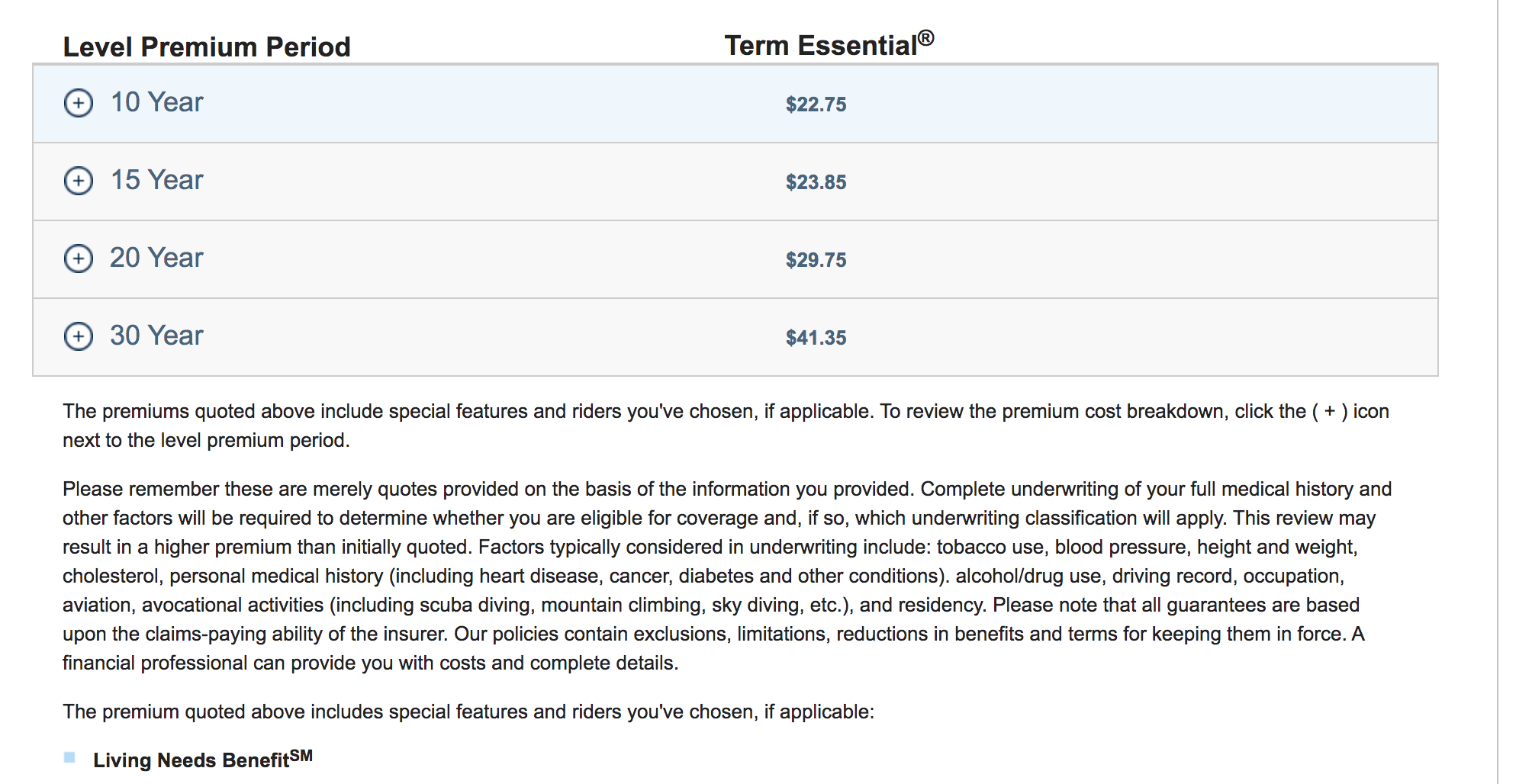
Many consumers wonder if a high A.M. Best rating means they will pay more for coverage. In the life insurance industry, there is often a slight premium "markup" for the security of a top-rated carrier. A company with a "B++" rating might offer lower premiums for term life insurance because they have lower overhead or are more aggressive in their pricing to gain market share.
However, the cost difference is often negligible when weighed against the risk. With Prudential, the A+ rating provides a level of "peace of mind" that many financial advisors argue is worth a few extra dollars per month. For permanent life insurance policies that build cash value, the rating is even more critical because the cash value itself is an investment. You do not want your primary long-term savings vehicle tied to a company with a questionable financial future.
When to Prioritize Prudential’s A+ Rating
- Estate Planning: If you are using life insurance to pay for future estate taxes, you need absolute certainty the company will be there to pay the benefit.
- Corporate Benefits: Businesses using Key Person insurance or Buy-Sell agreements require insurers with high creditworthiness to satisfy lenders and stakeholders.
- Annuities: Since annuities provide a guaranteed income stream for life, the financial strength of the provider is the single most important factor.
How A.M. Best Arrives at the A+ Rating
The process of rating a giant like Prudential is an ongoing dialogue. A.M. Best analysts meet regularly with Prudential’s executive team to review non-public financial data. This includes "stress testing" the company's internal models.
For 2026, several factors specifically support the A+ rating:
- Capital Adequacy: Prudential maintains capital levels that significantly exceed regulatory requirements set by the National Association of Insurance Commissioners (NAIC).
- Global Diversification: Unlike many domestic insurers, Prudential has a massive presence in Japan and other international markets. This geographic diversification means they aren't solely dependent on the U.S. economy.
- Digital Transformation: Prudential’s investment in technology has lowered their administrative costs, contributing to the "strong operating performance" component of their A.M. Best score.
If there were concerns—such as excessive exposure to risky commercial real estate or a sudden drop in their "Risk-Based Capital" (RBC) ratio—A.M. Best would change the "Outlook" from "Stable" to "Negative" or initiate a downgrade. As of the current 2026 reporting, Prudential’s outlook remains stable.
Frequently Asked Questions
What does "A+ Superior" mean in simple terms?
It means that according to A.M. Best, the likelihood of Prudential being unable to pay your life insurance claim is extremely low. It is one of the highest safety endorsements a company can receive, placing it in the top tier of the industry's financial health.
Is A+ the highest rating Prudential can get?
No, the highest possible rating from A.M. Best is A++ (Superior). While Prudential is currently A+, the difference between A+ and A++ is marginal for the average consumer. Both signify that the company is exceptionally stable and unlikely to face financial distress in the foreseeable future.
How often do these ratings change?
A.M. Best typically reviews and updates its ratings annually. However, they can issue a "rating action" at any time if a major event occurs, such as a large acquisition, a significant loss in the investment portfolio, or a change in management strategy.
Can I find Prudential’s rating on the NAIC website?
Yes, the National Association of Insurance Commissioners (NAIC) provides reports on insurance companies, including their "Financial Profile Report." While they do not issue their own letter-grade ratings like A.M. Best, they provide the raw financial data and Risk-Based Capital (RBC) ratios that agencies use to determine their ratings.
Why do some agencies give Prudential different scores?
Each agency uses a different methodology. For example, Moody's might place more weight on the company’s debt levels and its ability to pay back bondholders, whereas A.M. Best focuses more on the company’s ability to pay insurance policyholders. It is common for a company to have slightly different "grades" across the major agencies.
Expert Recommendation for Policyholders
When evaluating Prudential for your life insurance needs in 2026, the A+ A.M. Best rating should provide a high degree of confidence. While you should always compare policy features, riders, and premiums, the financial strength of the carrier is the foundation of the policy.
If you are a current policyholder, there is no need for concern regarding Prudential’s solvency based on current ratings. If you are a prospective buyer, especially for permanent products like Indexed Universal Life (IUL) or Variable Universal Life (VUL), Prudential’s rating makes them a top-tier contender. Always ask your financial professional for a copy of the most recent "Ratings Report" from A.M. Best before signing a contract to ensure you have the most up-to-date data available at the moment of purchase.
For more information, you can visit the A.M. Best official website or Prudential’s Investor Relations page to view the latest financial disclosures and third-party evaluations.