Choosing the ultimate glass lens sunglasses for everyday comfort requires balancing optical clarity, scratch resistance, weight distribution, and frame engineering. Glass lenses offer unmatched visual sharpness and scratch resistance, but their traditional drawback has been weight. Finding a model that mitigates this heaviness while maintaining all-day wearability transforms how you experience bright light.
When evaluating eyewear for daily wear, the standard often points to iconic frames engineered with high-grade crown glass or mineral glass lenses paired with lightweight frame chassis. The market features numerous contenders, but discerning wearers prioritize models that combine feather-light architecture with distortion-free optics. Below is a comprehensive guide to understanding, selecting, and maintaining the premier glass lens sunglasses designed specifically for seamless, everyday comfort.
Understanding the Value of Glass Lenses in Daily Eyewear
Before exploring specific products, it is essential to understand why glass remains the gold standard for optical performance despite the popularity of polycarbonate and CR-39 plastic alternatives. Glass lenses are made from pure mineral glass or crown glass, materials that offer superior scratch resistance compared to any synthetic polymer.
Optical Clarity and Distortion Control
Mineral glass possesses a naturally higher Abbe value than most plastics. The Abbe value measures how much a lens disperses light of different wavelengths. A higher Abbe value means fewer chromatic aberrations—those annoying color fringes you see around high-contrast edges in cheap sunglasses. For everyday tasks like driving, reading digital dashboards, or walking through urban environments, glass lenses deliver crisp, crystal-clear vision without eye strain.
Durability and Scratch Resistance
Unlike plastic lenses, which require specialized scratch-resistant coatings that can degrade over time, glass is inherently hard. Dust, sand, and accidental drops on pavement are far less likely to ruin a glass lens. For individuals who wear their sunglasses continuously throughout the day—taking them on and off, tossing them onto car dashboards, or sliding them onto shirt collars—this longevity protects your investment.
The Weight Dilemma and Modern Engineering
The primary historical complaint against glass has been weight. Glass is denser than plastic, meaning poorly designed frames will slide down your nose, pinch your bridge, or cause pressure points behind your ears after a few hours of wear. Modern eyewear manufacturing overcomes this by pairing ultra-thin glass technology with lightweight frame materials like titanium, premium acetate, or injected nylon. This balance is the defining characteristic of the best everyday glass sunglasses.
Key Criteria for Everyday Comfort
Achieving true everyday comfort involves more than just picking a reputable brand. Several anatomical, material, and optical factors dictate whether a pair of sunglasses will feel invisible on your face or become a burden by midday.
Frame Materials and Weight Distribution
The frame must distribute the weight of mineral glass lenses evenly across your nose and ears.
- Titanium: Incredibly strong and feather-light, titanium frames prevent heavy glass lenses from feeling front-heavy.
- Acetate: High-density plant-based acetate offers robust durability and can be custom-adjusted by an optician for a bespoke fit.
- Nylon Composites: Flexible and resilient, these frames absorb impact and maintain their shape over years of use.
Ergonomics: Nose Pads and Temple Tips
When wearing sunglasses for eight to ten hours a day, contact points matter immensely. Adjustable silicone or rubberized nose pads prevent slipping, especially in warm weather. Temple tips should curve smoothly around the ears without applying excessive clamping force, which leads to temporal headaches.
Lens Technology: Polarization and Coatings
Everyday comfort extends to how your eyes react to changing light environments.
- Polarization: Essential for cutting glare off wet roads, car hoods, and water surfaces, reducing squinting and fatigue.
- Anti-Reflective (AR) Coatings: Applied to the back surface of the lens to eliminate distracting reflections bouncing into your eyes from behind.
- Gradient Tints: Useful for transition zones, such as walking from bright outdoor light into shaded urban areas.
Evaluating the Top Contender: Maui Jim Mixed Plate and Similar Crown Glass Icons
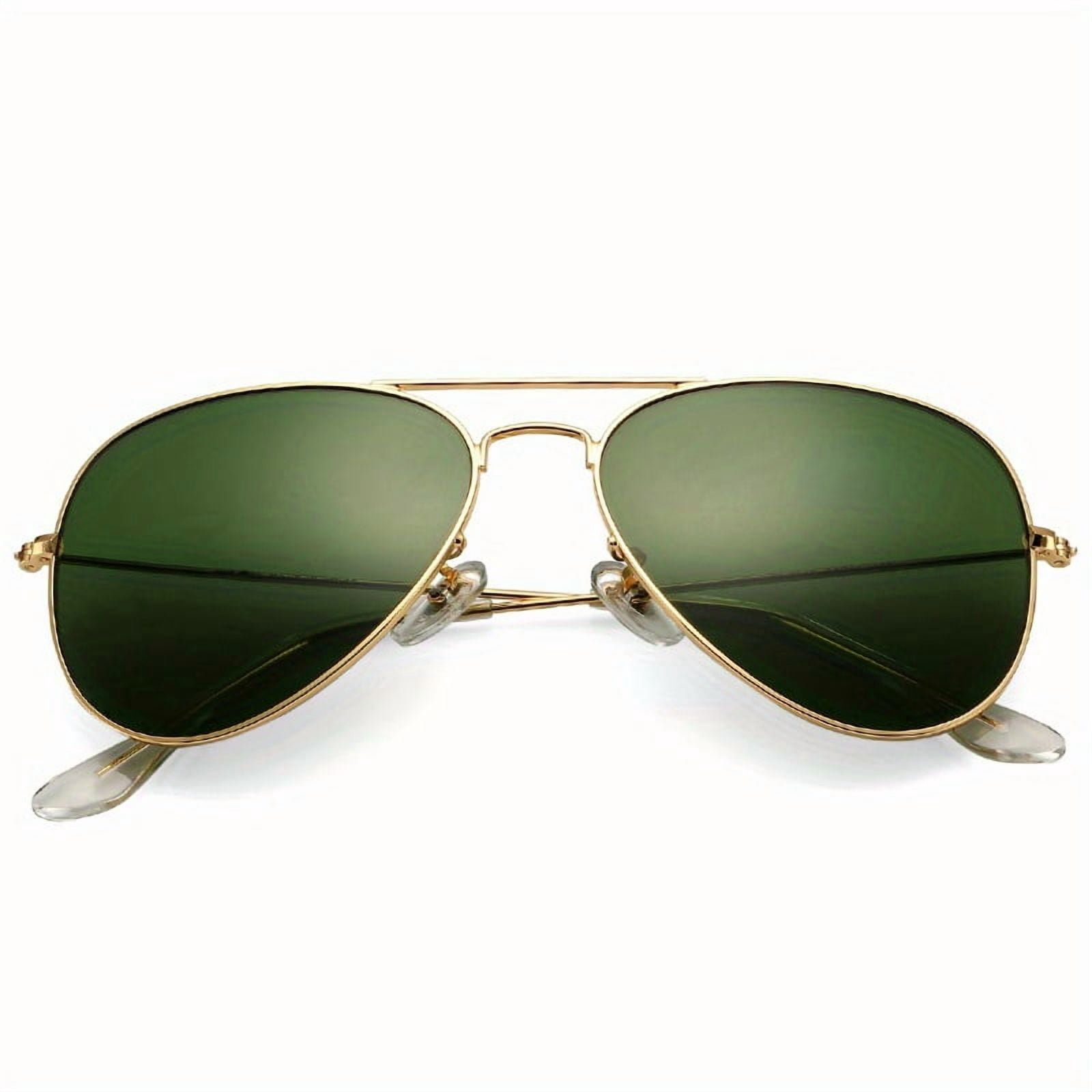
When assessing the market for the single best glass lens sunglasses for everyday comfort, certain models consistently rise above the rest due to proprietary engineering. Maui Jim’s use of SuperThin Glass (ST Glass) represents a benchmark in this category. While traditional glass lenses are heavy, Maui Jim’s ST Glass is 20% to 32% thinner and lighter than standard laminated glass, achieving the optical purity of mineral glass without the traditional weight penalty.
Pairing these lenses with a lightweight, minimalist frame architecture creates a seamless daily-wear experience. The Maui Jim Mixed Plate—and similar versatile frame geometries—exemplifies this balance by combining a durable, lightweight nylon frame front with embedded rubber nose pads and crisp, color-infused polarized mineral glass lenses.
| Feature / Specification | Maui Jim Mixed Plate (ST Glass Standard) | Traditional Heavy Glass Sunglasses | Standard Polycarbonate Sunglasses |
|---|---|---|---|
| Lens Material | SuperThin Mineral Glass | Standard Crown Glass | Polycarbonate Polymer |
| Optical Clarity | Exceptional (High Abbe Value) | Exceptional (High Abbe Value) | Moderate (Lower Abbe Value) |
| Scratch Resistance | Superior (Natural Mineral Hardness) | Superior (Natural Mineral Hardness) | Low to Moderate (Requires Coatings) |
| Weight Factor | Optimized (Reduced thickness for daily wear) | Heavy (Causes nose fatigue over time) | Ultra-Lightweight |
| All-Day Comfort | High (Balanced frame architecture) | Low to Moderate (Prone to slipping) | High (But prone to scratching) |
Practical Performance and Daily Value
Integrating glass lens sunglasses into your daily routine changes how you interact with your environment. Whether you are commuting, working outdoors, or traveling, performance must match comfort.
Visual Fidelity in Variable Conditions
Glass lenses excel in high-glare environments. Polarization filters out horizontal light waves that cause blinding reflections. When driving, this means asphalt glare disappears, and road markings become sharper. Unlike plastic lenses that can warp slightly under extreme heat (such as being left on a car seat), glass retains its optical shape indefinitely, ensuring consistent visual fidelity.
Maintenance and Longevity
Everyday comfort also encompasses ease of maintenance. Glass does not scratch easily from being wiped with a standard microfiber cloth or accidentally brushed against abrasive surfaces. This durability translates to long-term value. While initial costs for premium glass sunglasses are higher than plastic alternatives, their lifespan easily surpasses multiple pairs of cheaper, scratch-prone eyewear.
Potential Limitations and Trade-Offs
Transparency requires acknowledging the trade-offs associated with glass lenses, even the most comfortable ones.
- Impact Resistance: While modern chemical tempering makes mineral glass remarkably tough, glass is inherently more brittle than polycarbonate. High-impact sports (like mountain biking or baseball) are not recommended for glass lenses.
- Initial Weight Adjustment: If you are transitioning from ultra-lightweight polycarbonate or rimless plastic frames, it may take a day or two for your nose bridge to adjust to the subtle added weight of mineral glass.
- Price Point: Premium glass optics paired with specialized frame engineering command a higher retail price, reflecting the complex manufacturing processes required to thin and temper glass safely.
Frequently Asked Questions
Are glass lenses too heavy for all-day wear?
Traditional glass lenses can cause fatigue, but modern advancements—such as chemically thinned mineral glass utilized by premium manufacturers—reduce weight significantly. When paired with a well-balanced titanium or lightweight nylon frame, glass sunglasses can be worn comfortably all day without slipping or pinching.
Do glass lenses shatter easily upon impact?
Modern glass lenses undergo rigorous thermal or chemical tempering processes to increase their impact resistance, meeting standard safety requirements. While they are far stronger than standard window glass, they are still prone to shattering under severe, high-velocity blunt force, making them ideal for lifestyle and driving use rather than high-impact contact sports.
How do I clean glass lenses without damaging coatings?
Clean your glass sunglasses using lukewarm water and a mild, lotion-free dish soap. Dry them gently with a clean, lint-free microfiber cloth. Avoid using paper towels, tissues, or abrasive clothing, which can trap microscopic dust particles and scratch anti-reflective coatings.
Are polarized glass lenses better for driving?
Yes. Polarized glass lenses eliminate blinding glare reflected off hoods, windshields, and wet asphalt. This drastically reduces eye strain during long drives. However, note that some digital dashboards and head-up displays may appear slightly dimmed or rainbow-patterned through polarized lenses due to the polarizing filters in the screens.
Can glass lenses be made with prescription strength?
Many premium optical brands and independent laboratories offer custom prescription mineral glass lenses. However, high prescriptions in glass can increase lens thickness and weight, so consulting an optician regarding high-index glass options is recommended.
Conclusion and Next Actions
Selecting the best glass lens sunglasses for everyday comfort comes down to prioritizing optical purity, scratch resistance, and ergonomic frame design. By choosing a model that utilizes thinned, tempered mineral glass paired with a lightweight chassis—such as the Maui Jim Mixed Plate or its equivalent peers—you eliminate the traditional weight penalty of glass while enjoying unmatched visual clarity.
To make your final decision, visit a certified optician or authorized retailer to test the weight balance on your specific facial structure, ensuring the nose pads and temple arms provide a secure, pressure-free fit for your daily routine.