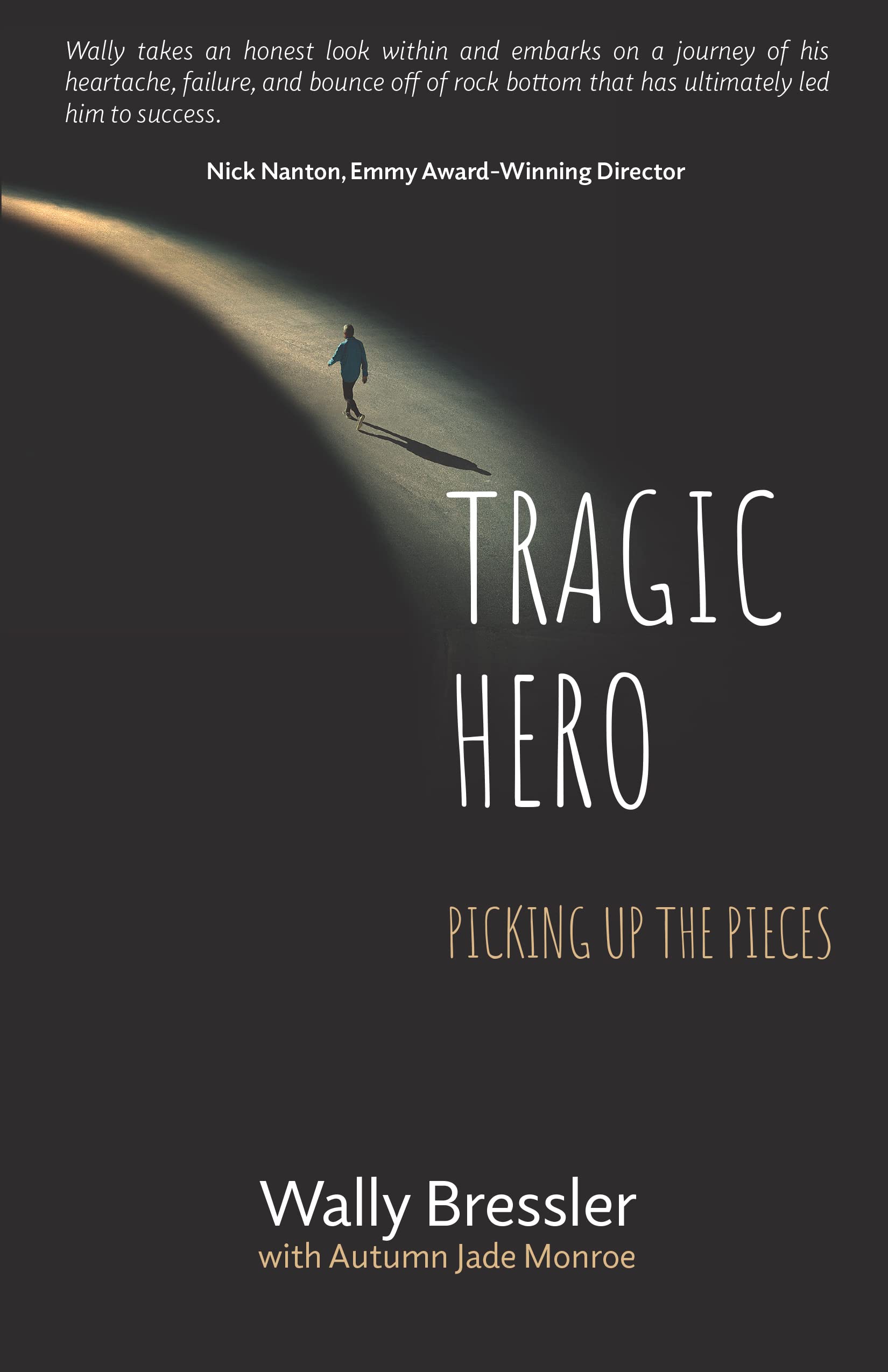
A real life tragic hero is an individual of significant capability, ambition, or moral conviction whose ultimate downfall is caused by a defining character flaw—their hamartia—rather than pure malice. Unlike fictional archetypes created for dramatic tension in literature, real-life figures who fit this pattern navigate complex historical, political, or social landscapes where their virtues and vices intertwine, leading to profound personal ruin or professional destruction while often leaving a transformative legacy.
The concept of the tragic hero originates in classical Greek drama, famously codified by Aristotle in his Poetics. Aristotle described such a figure as a person of noble stature or high moral standing who commits an error in judgment (hamartia) that brings about their undoing, evoking pity and fear in the audience. When applied to real life, this literary framework helps historians, biographers, and psychologists examine how exceptional achievements and fatal vulnerabilities frequently coexist within the same human psyche.
Understanding how a real-life tragic figure emerges requires examining the interaction between personal psychology, external pressures, historical context, and the mechanisms of public judgment. By analyzing these elements, observers can distinguish between ordinary failure and the specific, structurally complex trajectory of true tragedy.
Defining the Classical Framework in Reality
Translating a theatrical archetype into a historical biography demands careful distinction. In classical drama, the tragic hero moves predictably through hubris (excessive pride), peripeteia (a sudden reversal of fortune), anagnorisis (a moment of critical recognition or realization too late to prevent disaster), and finally, nemesis (retribution). In the real world, human lives rarely follow a three-act structure, yet the behavioral patterns often mirror these classical stages with startling precision.
Real-life tragic figures are rarely villains in the conventional sense. They are often visionaries, reformers, scientists, or political leaders whose intense focus, unshakeable self-belief, and refusal to compromise—traits that initially drive their success—ultimately blind them to critical risks. Their strength of character becomes their prison. When external realities shift, their inability to adapt transforms their greatest assets into liabilities, initiating an irreversible decline.
Key Characteristics of the Real-Life Tragic Archetype
- Exceptional Capability or Status: The individual possesses notable intellect, talent, moral authority, or leadership capacity that elevates them above their peers.
- The Fatal Flaw (Hamartia): A deeply ingrained psychological trait—such as obsessive perfectionism, blind loyalty, unyielding arrogance, or profound naivety—drives their decision-making.
- Inevitable Conflict: Their internal motivations clash directly with institutional realities, societal norms, or immutable laws of nature.
- The Catastrophic Reversal: A specific event or cumulative cascade strips them of their power, reputation, freedom, or life.
- Posthumous or Delayed Vindication: History often reinterprets their downfall, recognizing the validity of their original vision even while acknowledging their destructive errors.
Historical and Modern Manifestations
The manifestation of the tragic pattern spans various fields, including politics, scientific discovery, exploration, and social reform. Because historical documentation varies wildly, examining these figures requires relying on primary historical records, judicial archives, and reputable biographical analysis rather than romanticized folklore.
Political and Social Reformers
In political history, leaders who challenge entrenched power structures frequently exhibit tragic trajectories. These individuals often spark necessary revolutions or moral awakenings but are consumed by the machinery they attempt to dismantle or reform. Their refusal to compromise—often viewed by supporters as integrity and by opponents as stubbornness—prevents them from securing sustainable peace or institutional survival.
For instance, figures who lead ideological crusades often demand absolute purity from allies and followers. When supporters inevitably fall short of these impossible standards, the leader alienates their base, leaving themselves isolated when political opposition mobilizes. This dynamic highlights a central paradox: the uncompromising moral clarity required to challenge corruption often renders a leader incapable of managing the pragmatic compromises required to govern effectively.
Pioneers of Science and Exploration
The history of science and exploration offers stark examples of real-life tragedy driven by intellectual hubris or unyielding ambition. Explorers who venture into hostile environments against all expert counsel frequently display a mix of extraordinary courage and fatal self-deception. They believe their willpower alone can conquer immutable physical limits.
Similarly, scientists who sacrifice personal well-being, ethical boundaries, or institutional support in pursuit of a singular discovery can trigger their own professional exile. When their work is either rejected by contemporaries or proves destructive, their isolation is absolute. The tragedy lies in the tragedy of wasted potential—brilliant minds whose refusal to heed empirical warnings or peer review destroys their contributions before society can properly evaluate them.
Psychological Dimensions of the Tragic Trajectory
Modern psychology and behavioral science provide valuable frameworks for understanding why intelligent, capable individuals repeatedly make choices that guarantee their own destruction. Rather than viewing a tragic downfall as mere coincidence or bad luck, psychologists point to specific cognitive biases and personality structures.
Cognitive Biases and the Echo Chamber of Success
One primary driver of the real-life tragic hero's downfall is confirmation bias reinforced by past achievements. When an individual achieves massive success through a high-risk strategy, their brain encodes that strategy as infallible. Subsequent warnings from advisors or colleagues are dismissed not out of malice, but out of a deeply ingrained cognitive filter that equates dissent with cowardice or incompetence.
- Invulnerability Illusion: The belief that standard rules, physical laws, or social consequences do not apply to them because of their unique status or past triumphs.
- Escalation of Commitment: Doubling down on a failing course of action because admitting error would invalidate their entire public identity and personal self-worth.
- Isolation of Power: As individuals rise in prominence, subordinates increasingly withhold critical feedback, creating an insulated environment where the leader hears only what they wish to believe.
| Psychological Factor | Manifestation in Career or Life | Resulting Risk |
|---|---|---|
| Hubris | Dismissal of expert counsel and historical precedent. | Catastrophic miscalculation of external threats. |
| Rigidity | Refusal to adapt strategies when conditions change. | Total institutional or personal collapse. |
| Messiah Complex | Belief that one's personal survival is secondary to the mission. | Unnecessary self-sacrifice and isolation from allies. |
| Tunnel Vision | Extreme focus on a single goal while ignoring collateral damage. | Alienation of supporters and destruction of vital relationships. |
The Societal Impact and Myth-Making Process
Society has a complex relationship with its real-life tragic figures. While contemporary observers often condemn them during their fall, cultural memory frequently rehabilitates them, transforming their stories into cautionary tales, romantic legends, or symbols of martyrdom.
This transformation serves a vital psychological function for the public. By categorizing an extraordinary individual's life as a tragedy, society processes complex historical trauma, technological disasters, or political upheavals into a narrative with a discernible moral arc. It reassures the public that extraordinary power comes with extraordinary vulnerability, maintaining a sense of cosmic balance.
However, this myth-making process can distort historical accuracy. Biographers and historians must constantly guard against romanticizing avoidable disasters or ignoring the real harm caused by a tragic hero's flawed decisions. A person can possess immense personal courage and intellectual brilliance while simultaneously bearing full responsibility for the suffering their poor judgment inflicts on others.
Practical Insights: Recognizing and Avoiding Tragic Trajectories
For contemporary leaders, professionals, and creatives, studying the anatomy of a real-life tragic hero serves as a practical warning system. By identifying the early warning signs of destructive psychological patterns in oneself or within organizational leadership, it is possible to alter course before reaching the point of no return.
- Institutionalize Dissent: Actively create mechanisms where dissenting opinions are protected and rewarded rather than punished or silenced. A leader surrounded only by agreeing voices is actively constructing their own peripeteia.
- Separate Identity from Outcome: Avoid anchoring personal self-worth entirely to a single project, ideology, or professional role. This psychological separation reduces the impulse toward dangerous escalation of commitment.
- Regularly Audit Assumptions: Subject core strategies to rigorous, independent external review. Acknowledging blind spots early preserves institutional capital and personal reputation.
- Prioritize Sustainable Pragmatism over Ideological Purity: Recognize that lasting achievement almost always requires compromise, incremental progress, and the humility to accept half-measures over total defeat.
The real-life tragic hero remains a compelling and sobering subject because their story is fundamentally human. They hold up a mirror to the dangers of unchecked ambition, the fragility of success, and the heavy cost of refusing to compromise with reality.