Moon jellies (Aurelia aurita) are widely distributed throughout the world’s oceans and are frequently encountered by beachgoers, swimmers, and divers. While they possess stinging cells known as nematocysts, they are considered largely harmless to humans. Their sting is generally too weak to penetrate human skin or cause anything more than a very mild, localized irritation for individuals with particularly sensitive skin.
Understanding the Anatomy of a Moon Jelly
To understand why moon jellies are perceived as less hazardous than other cnidarians, it is necessary to examine their biological structure. The moon jelly belongs to the phylum Cnidaria, a group that includes corals, sea anemones, and other jellyfish. Like all members of this phylum, they use specialized cells called cnidocytes to capture prey and defend themselves.
Within these cnidocytes are nematocysts—microscopic, harpoon-like structures triggered by chemical or mechanical stimuli. In more dangerous jellyfish species, these nematocysts are capable of injecting potent toxins into the skin of a predator or prey. In the case of Aurelia aurita, the nematocysts are present, but their delivery mechanism and the chemical composition of their venom are highly specialized for the jellyfish's specific diet of small plankton, larval mollusks, and crustaceans.
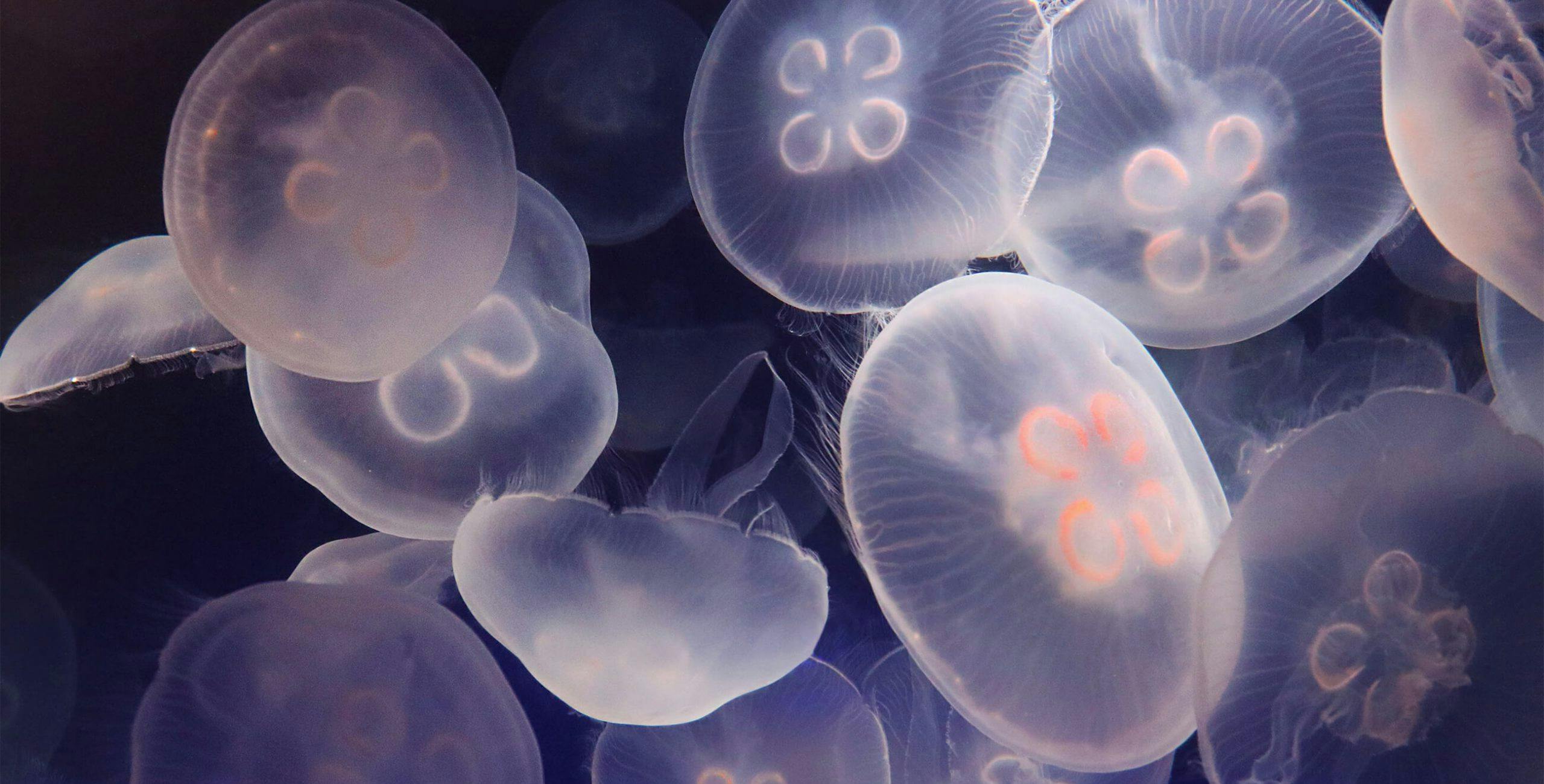
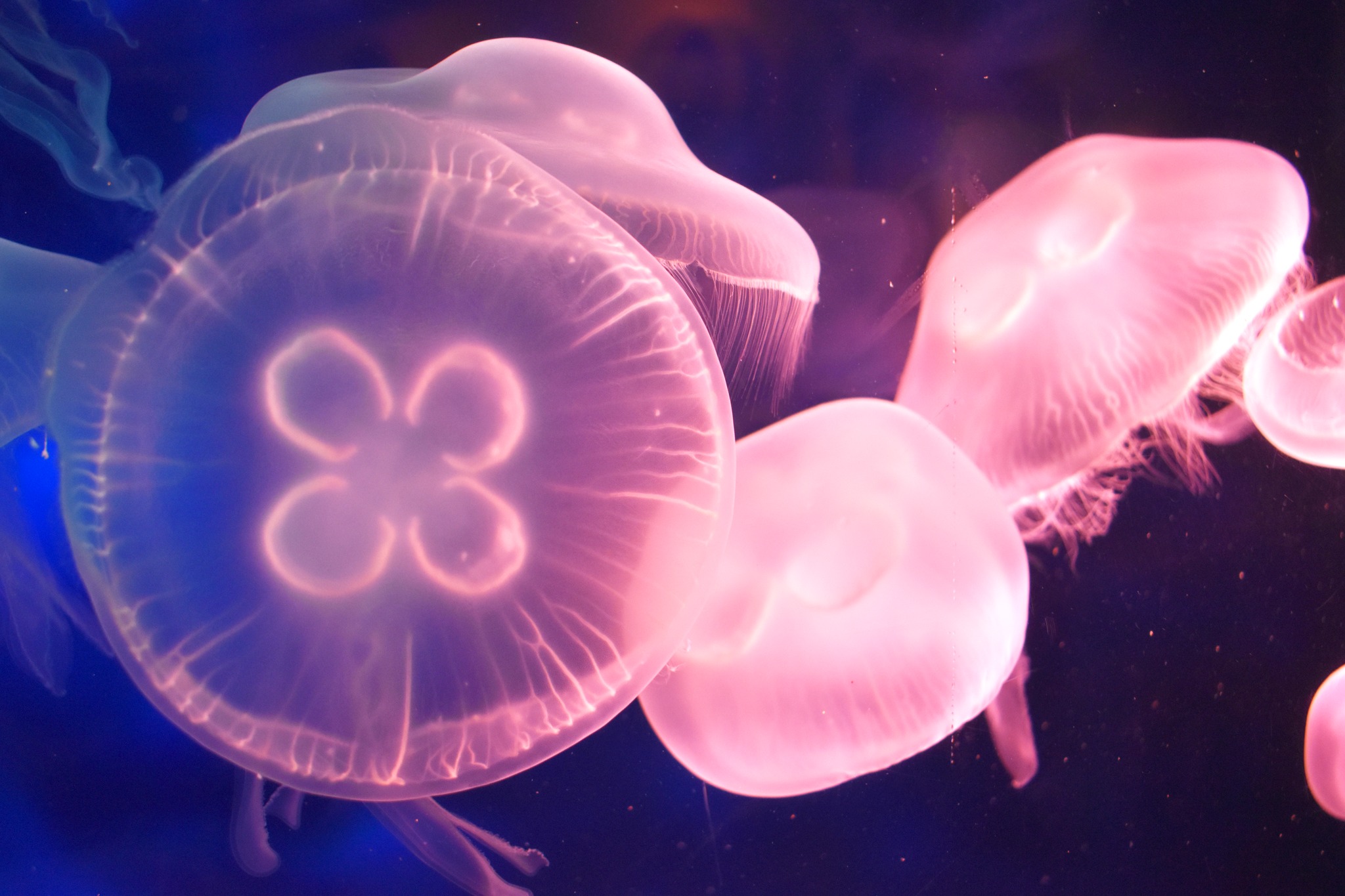
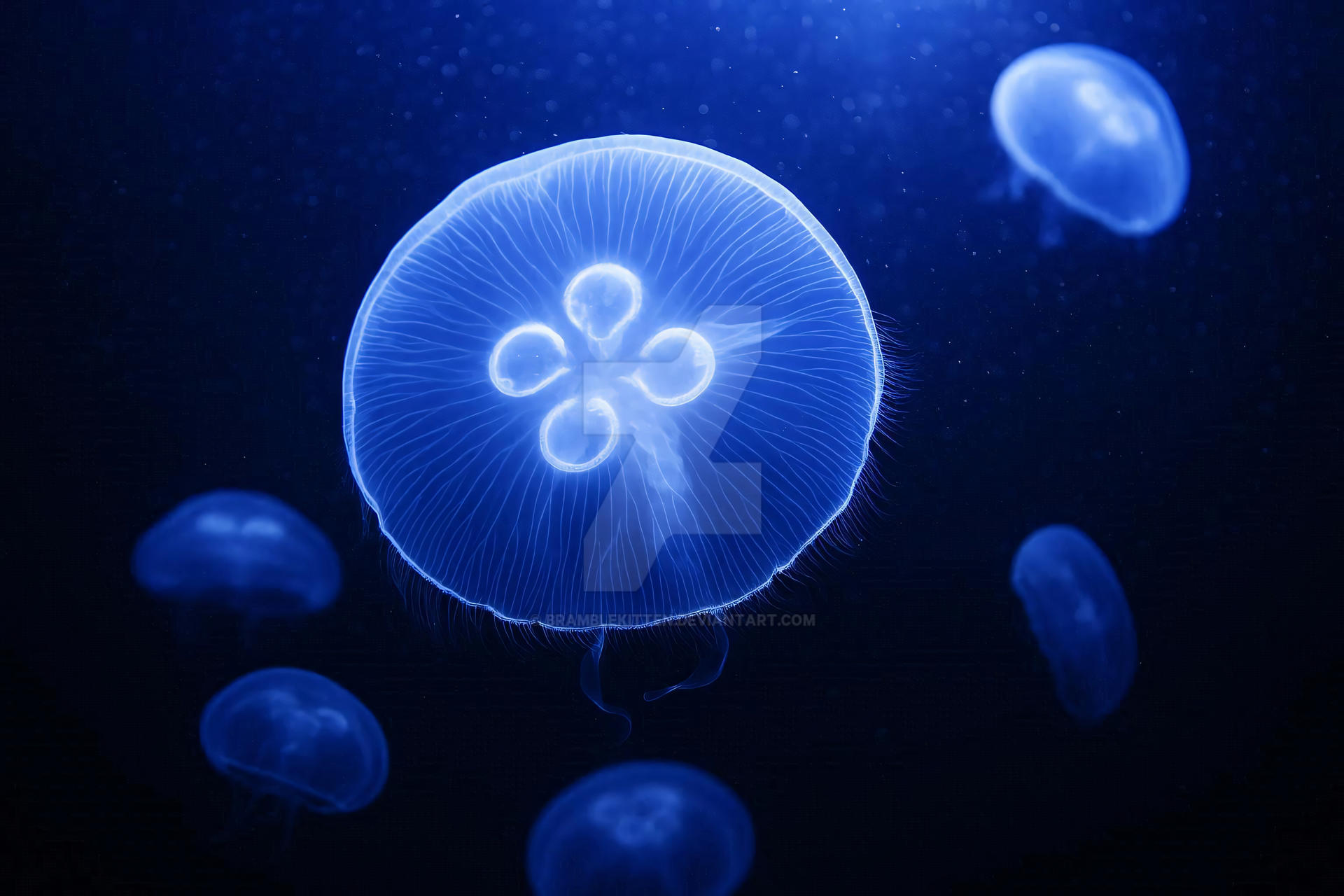
The "moon" moniker comes from the jelly's translucent, saucer-shaped bell, which typically features four horseshoe-shaped gonads visible through the center. While they lack the long, trailing tentacles characteristic of highly venomous species like the Portuguese Man o' War or the Box Jellyfish, they do have a fringe of very short, fine tentacles lining the perimeter of their bell. These tentacles are the primary location of their stinging cells.
The Human Interaction: Stings and Sensitivities
For the vast majority of people, physical contact with a moon jelly does not result in a sting that is even perceptible. Because human skin is significantly thicker than the soft tissues of the plankton that moon jellies typically consume, the nematocysts often fail to deploy or, if they do, fail to pierce the epidermis.
However, "harmless" does not mean "imperceptible" in every context. There are specific scenarios where an individual might experience a reaction:
- Sensitive Skin and Mucous Membranes: If a person touches a moon jelly and then inadvertently touches sensitive areas, such as the eyes, nose, or mouth, the nematocysts may be triggered by the thin skin of these regions. This can result in mild burning, itching, or redness.
- Hyper-Allergic Individuals: As with any biological contact, some individuals may have a localized allergic reaction to the proteins found in the jellyfish's nematocysts. This is distinct from a toxic envenomation; it is an immune system response.
- Repeated Exposure: For professionals who handle moon jellies frequently—such as aquarium staff or marine researchers—repeated exposure to the nematocysts can lead to dermatitis. This is generally the result of the physical irritation or a cumulative immune response rather than a systemic toxic effect.
Comparing Moon Jellies to Dangerous Species
When evaluating the risk of marine encounters, it is useful to categorize jellyfish by the potential impact of their nematocysts. This comparison helps clarify why moon jellies are categorized as low-risk.
| Jellyfish Type | Typical Sting Severity | Primary Risk Factor |
|---|---|---|
| Moon Jelly (Aurelia aurita) | Negligible to Mild | Mechanical irritation only |
| Lion's Mane (Cyanea capillata) | Moderate to Significant | Protein-based toxins |
| Portuguese Man o' War | Severe | Potent neurotoxins |
| Box Jellyfish (Chironex fleckeri) | Potentially Fatal | Rapid systemic envenomation |
As indicated in the table, the risk profile of the moon jelly is fundamentally different from species that possess specialized, high-potency venoms designed to incapacitate fish or ward off mammalian predators. The moon jelly’s evolutionary strategy prioritizes energy efficiency, and it does not invest in the complex, high-energy venoms found in more aggressive or predatory jellies.
Proper Response to Contact
Even though a moon jelly is not considered dangerous, it is still prudent to handle an encounter with any jellyfish species with care. If you believe you have come into contact with a moon jelly and are experiencing discomfort, the following steps are recommended:
- Rinse with Seawater: Always use seawater to rinse the area. Avoid using fresh water, as the change in osmotic pressure can cause any remaining unfired nematocysts to discharge, potentially worsening the irritation.
- Remove Debris: Carefully remove any visible remnants of the jellyfish tentacles using tweezers or a gloved hand. Do not rub the area, as this can trigger more nematocysts to release their contents.
- Monitor for Allergic Reactions: While systemic reactions to moon jellies are undocumented in standard medical literature, any individual with a history of severe allergies to bee stings or other animal venoms should monitor for signs of anaphylaxis, such as difficulty breathing, hives, or throat swelling, and seek emergency medical attention if these symptoms occur.
- Heat Application: If a mild "sting" or itching sensation persists, immersing the affected area in hot water (typically 40°C to 45°C or 104°F to 113°F) for 20 to 30 minutes can help denature the proteins in the jellyfish’s nematocyst fluid, providing relief.
Ecological Role and Identification
It is vital to recognize that moon jellies are an essential part of the marine ecosystem. They serve as a primary food source for various sea turtles—most notably the Leatherback sea turtle—as well as some species of fish and birds. Their presence indicates a healthy, functioning planktonic food web.
To identify a moon jelly, look for the following characteristics:
- Transparency: They are almost entirely transparent, often appearing ghostly or bluish-white.
- Gonads: The four circular or horseshoe-shaped structures in the center of the bell are highly distinctive.
- Size: They typically range from 25 to 40 centimeters in diameter, though they can grow larger in nutrient-rich waters.
- Movement: They move by rhythmic, gentle pulsing of the bell, which is slow and graceful compared to more active, predatory jellyfish.
If you are snorkeling or diving and encounter a bloom of moon jellies, there is generally no reason to panic. Unlike more dangerous species that leave long, invisible filaments in the water, moon jellies are highly visible, and it is relatively easy to navigate around them without making physical contact.
Frequently Asked Questions
Can I get a rash from touching a moon jelly?
In rare cases, yes. While most people experience no reaction, some individuals may develop a mild, itchy, or red rash if their skin is particularly sensitive or if they are prone to contact dermatitis. This is usually localized to the exact point of contact and subsides quickly.
Are moon jellies dangerous to pets?
If a dog or other pet encounters a moon jelly on the beach, the risk is minimal. Their fur acts as a protective barrier, preventing the nematocysts from reaching the skin. If a pet consumes a moon jelly, the primary risk is gastrointestinal upset from the jelly's high salt content or foreign material, rather than envenomation.
What should I do if a child touches a moon jelly?
Wash the area with seawater and reassure the child. Because the sting is so mild, simple distraction and monitoring for signs of discomfort are usually all that is required. If the child is crying, it is often due to the tactile surprise or the sight of the jelly rather than actual pain.
Do moon jellies lose their sting when dead?
No. Nematocysts can remain active even after a jellyfish has washed up on the shore or died. While the potency of the sting significantly decreases, it is best practice to avoid handling even deceased jellyfish with bare hands to prevent any potential skin irritation.
Why do some sources call them non-venomous?
Technically, all jellyfish are venomous because they use nematocysts for prey capture. However, the term "non-venomous" is often used colloquially for moon jellies because their venom is entirely ineffective against human physiology. Their "poison" (venom) is biologically negligible to humans.
Next Steps for Beach Safety
The next time you encounter a moon jelly, appreciate it for its unique biological architecture rather than fearing it. They are a fascinating, non-threatening component of the marine environment. If you plan to swim in areas where jellies are present, wearing a rash guard or a full-body swimsuit is the best way to prevent any accidental irritation. For those who frequently visit areas known for jellyfish blooms, keeping a small bottle of vinegar—a standard remedy for many cnidarian stings—in your beach bag is a proactive measure for any marine encounter, though you are unlikely to need it for the gentle moon jelly.