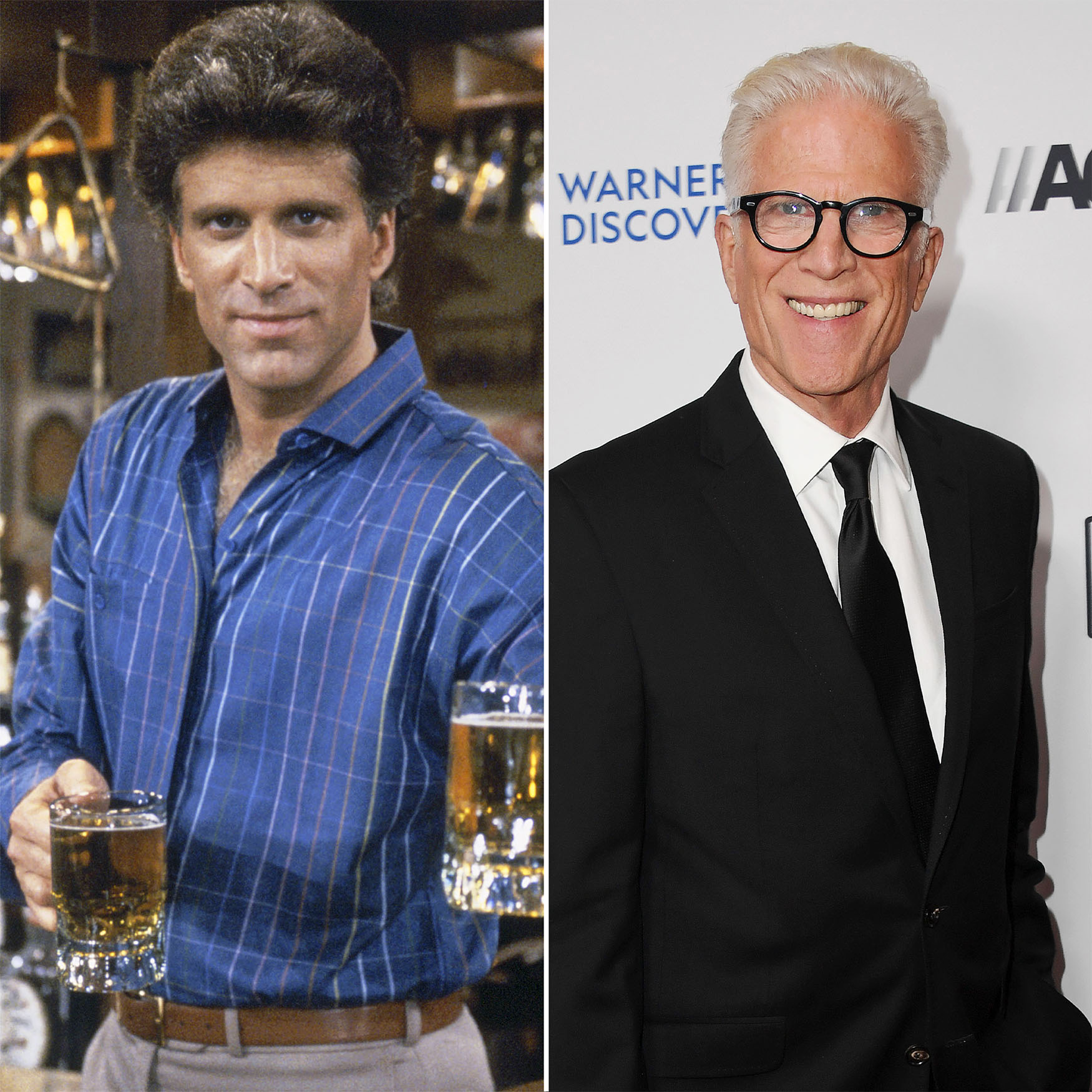
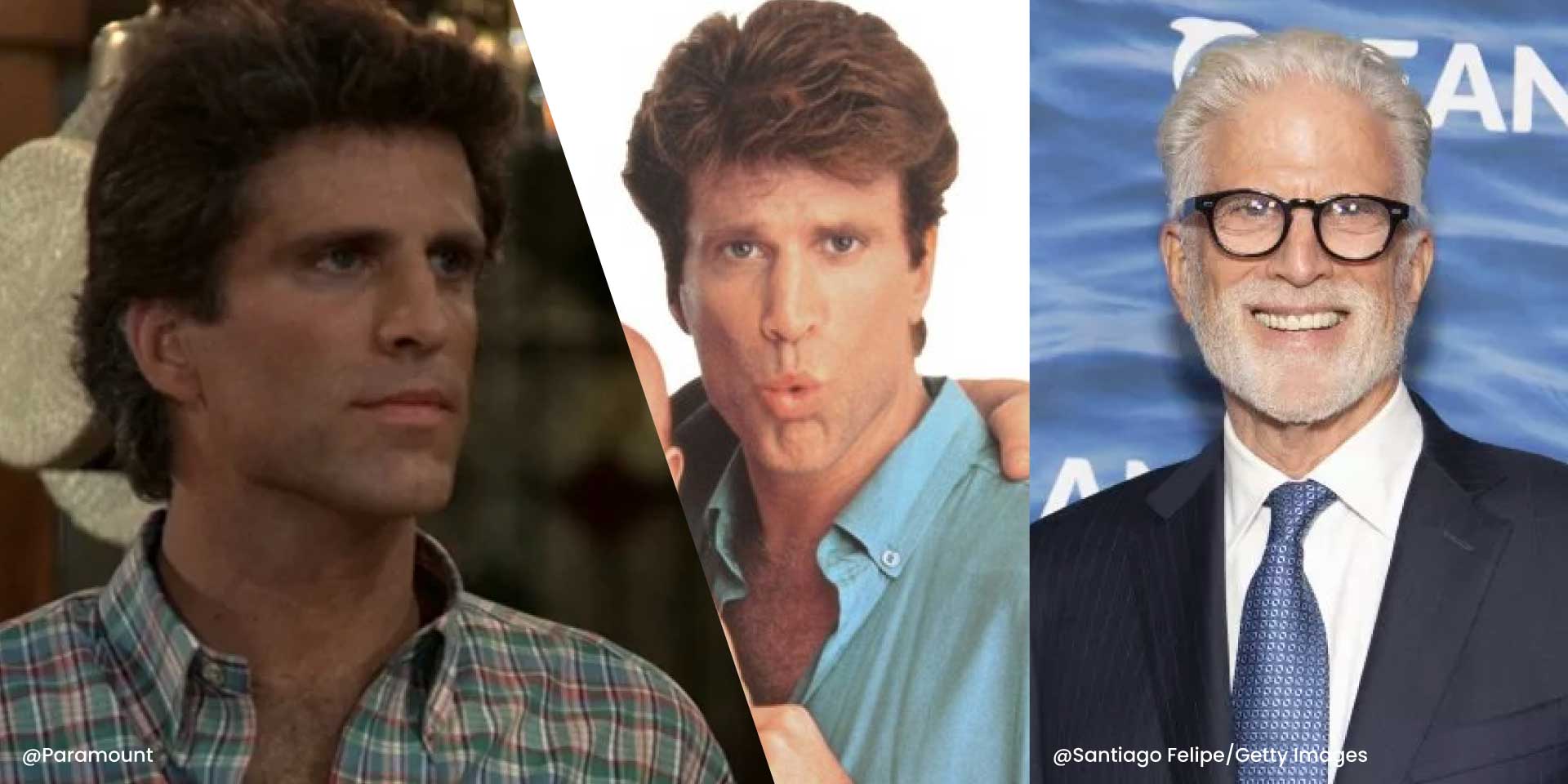
Ted Danson’s film career is defined by a successful transition from television icon to a bankable leading man in the 1980s and 1990s. While best known for Cheers, his movie highlights include the massive commercial hit Three Men and a Baby, the gritty drama The Onion Field, and the romantic comedy Cousins.
Ted Danson is an actor whose name is synonymous with television excellence, yet his filmography offers a fascinating study of a performer navigating the height of the Hollywood star system. To understand movies with Ted Danson, one must look past the bar counter of Cheers and examine how he translated his "everyman" charm and impeccable comedic timing to the silver screen. From his harrowing debut in true-crime drama to his reign as a king of family-friendly comedies, Danson’s cinematic output is more diverse than many casual viewers realize.
As of 2026, looking back at his body of work reveals a career that successfully bridged the gap between different eras of entertainment. Whether playing a shallow actor forced into fatherhood or a stern military commander, Danson consistently brought a grounded humanity to his roles. This guide examines his most significant films, his evolution as a performer, and the impact of his work on the industry.
The Dramatic Foundation: The Onion Field (1979)
Long before he was a household name, Ted Danson delivered a haunting performance in The Onion Field. Directed by Harold Becker and based on the true-crime book by Joseph Wambaugh, this film remains a cornerstone of Danson’s dramatic resume. He played Ian Campbell, a real-life Los Angeles police officer who was kidnapped and murdered in a desolate field.
Danson’s portrayal of Campbell is sensitive and tragic. The film focuses heavily on the psychological aftermath of the crime for the surviving partner, but Danson’s performance provides the emotional stakes. It proved early on that he possessed a range far beyond lighthearted sitcom banter. For viewers looking for the roots of his talent, The Onion Field is essential viewing, showcasing a raw, vulnerable side of the actor that would later be overshadowed by his comedic success.
The Commercial Peak: Three Men and a Baby (1987)
The pinnacle of Ted Danson’s film career arrived in 1987 with Three Men and a Baby. Directed by Leonard Nimoy, this American remake of the French film Trois hommes et un couffin became a cultural phenomenon, ending the year as the highest-grossing film in the United States.
Danson played Jack Holden, a self-absorbed actor whose life—and the lives of his two roommates (played by Tom Selleck and Steve Guttenberg)—is upended when a baby is left on their doorstep. Danson’s character provided the perfect foil to Selleck’s straight-laced architect and Guttenberg’s whimsical cartoonist.
The film’s success was built on the undeniable chemistry between the three leads. Danson, in particular, leaned into his "vain but lovable" persona, a variation of the Sam Malone character he was simultaneously playing on television. The film was so successful it spawned a 1990 sequel, Three Men and a Little Lady, which further solidified Danson’s status as a reliable movie star for family audiences.
Romantic Leads and Leading Roles: Cousins and Made in America
In the late 1980s and early 1990s, Hollywood attempted to mold Danson into a romantic lead. Two films stand out from this period: Cousins (1989) and Made in America (1993).
Cousins (1989)
In Cousins, an Americanized remake of the French film Cousin Cousine, Danson starred opposite Isabella Rossellini. The film is a gentle, sophisticated look at two people who fall in love while their respective spouses are having an affair. Danson received praise for his understated performance, showing he could carry a quiet, adult romance without relying on the broader comedic strokes of his previous work.
Made in America (1993)
Made in America saw Danson team up with Whoopi Goldberg in a high-concept comedy about a teenager who discovers her father was a sperm donor—and that the donor was a boisterous white car salesman (Danson). While the film received mixed critical reviews, it was a significant box office success and remains a notable entry for its exploration of race and family through a comedic lens. The chemistry between Goldberg and Danson was a major talking point at the time, reflecting their real-life relationship during the production.
The Family Comedy Era: Getting Even with Dad and Loch Ness
As the 1990s progressed, Danson transitioned into roles that appealed to the "family movie" demographic, which was a booming market during that decade.
- Getting Even with Dad (1994): Starring alongside Macaulay Culkin, Danson played a petty criminal whose son blackmails him into spending time together. The film leveraged Danson's ability to play a "flawed but redeemable" father figure.
- Loch Ness (1996): In this more atmospheric family drama, Danson played a disgraced scientist sent to Scotland to debunk the Loch Ness Monster myth. The film allowed him to play a more cynical, intellectual character who eventually finds wonder and redemption.
While these films didn't reach the heights of Three Men and a Baby, they showcased Danson's reliability as a leading man who could appeal to both children and adults.
Transitioning to Prestige and Character Work
By the late 1990s, Danson began to shift away from traditional leading roles in mainstream comedies, moving instead toward prestige dramas and character-driven ensemble pieces.
Saving Private Ryan (1998)
Perhaps his most surprising film appearance is his cameo in Steven Spielberg’s World War II masterpiece, Saving Private Ryan. Danson played Captain Hamill of the 101st Airborne. Although his screen time was limited, his presence brought a sense of authority and weariness that fit perfectly within the film’s gritty realism. It served as a reminder to the industry that Danson was still a formidable dramatic actor.
Mumford (1999)
In Lawrence Kasdan’s Mumford, Danson took on a supporting role as a wealthy, eccentric local resident. The film, a quirky look at a small-town psychologist, allowed Danson to lean into the more offbeat, character-actor energy that would eventually define his late-career television success in shows like Curb Your Enthusiasm and The Good Place.
Comparing Ted Danson’s Major Film Roles
To better understand the trajectory and impact of his film career, the following table compares key metrics and genres from his most influential theatrical releases.
| Film Title | Release Year | Genre | Primary Role / Archetype | Impact / Box Office Performance |
|---|---|---|---|---|
| The Onion Field | 1979 | True Crime / Drama | Tragic Victim (Ian Campbell) | Established dramatic credibility; critical acclaim. |
| Three Men and a Baby | 1987 | Comedy | The Vain Professional (Jack Holden) | #1 Film of 1987; defined his movie star era. |
| Cousins | 1989 | Romantic Comedy | The Gentle Romantic (Larry Kozinski) | Showcased versatility in adult-oriented stories. |
| Dad | 1989 | Drama | The Estranged Son (John Tremont) | Critical success; starred alongside Jack Lemmon. |
| Three Men and a Little Lady | 1990 | Comedy | The Evolving Father (Jack Holden) | Successful sequel; solidified family-man image. |
| Made in America | 1993 | Comedy | The Boisterous Salesman (Hal Jackson) | Major commercial hit; notable for social commentary. |
| Getting Even with Dad | 1994 | Family Comedy | The Reluctant Father (Ray Gleason) | Targeted the 90s family demographic. |
| Saving Private Ryan | 1998 | War / Drama | The Military Officer (Capt. Hamill) | High-prestige cameo in a modern classic. |
| Mumford | 1999 | Dramedy | The Eccentric Elite (Jeremy Brockett) | Transition toward character-actor roles. |
Why Ted Danson’s Film Career Often Gets Overlooked
It is a common observation among film historians that Ted Danson’s movie career is sometimes overshadowed by his immense television legacy. Between 1982 and 2026, Danson has remained almost constantly on the small screen in hit series. This "TV ubiquity" can sometimes lead audiences to forget that during the late 80s, he was one of the biggest stars in Hollywood.
The reason for this shift was largely a matter of choice and the changing landscape of the industry. As the 90s ended, the types of mid-budget adult comedies and dramas that Danson excelled in—like Cousins or Mumford—began to disappear from theaters, moving instead to cable and eventually streaming. Danson, ever the savvy professional, followed the quality writing back to television, leading to his "second act" career resurgence in projects like Damages and The Good Place.
Voice Acting and Modern Contributions
In the 21st century, Danson’s film work has become more sporadic but no less significant. One of his most acclaimed modern contributions was his voice work in the 2019 animated film Klaus. He provided the voice for Alva’s father (and briefly appeared in the narrative framework), contributing to a film that was lauded for its traditional animation style and heartwarming story.
Additionally, Danson has lent his voice and persona to numerous documentaries, often focusing on his passion for ocean conservation. While these aren't traditional narrative movies, they represent a significant portion of his "filmography" in the 2010s and 2020s, using his celebrity to draw attention to environmental issues through the medium of cinema.
FAQ
What is Ted Danson’s most successful movie?
In terms of box office revenue and cultural impact, Three Men and a Baby (1987) is his most successful film. It earned over $167 million in the United States alone during its initial run, making it the highest-grossing film of its year, surpassing even Lethal Weapon and Fatal Attraction.
Did Ted Danson do his own stunts in his movies?
While most of his roles were dialogue-driven comedies and dramas, Danson performed much of the physical comedy in films like Getting Even with Dad and Three Men and a Baby. For his role in the 1996 film Loch Ness, he spent significant time filming on location in challenging Scottish weather conditions, though professional divers and stunt coordinators handled the more dangerous water sequences.
Why was Ted Danson’s role in Saving Private Ryan so small?
Danson’s appearance in Saving Private Ryan is considered a "star cameo." Director Steven Spielberg often used recognizable actors in smaller roles to give the audience a sense of familiarity with the many officers and soldiers the main characters encountered. Danson’s presence helped ground the scene in reality, providing a brief but memorable moment of veteran leadership.
Are there any movies where Ted Danson plays a villain?
Ted Danson has rarely played an outright villain in film, as his natural persona tends toward the likable or the "lovably flawed." However, in his television work—most notably as the demon Michael in The Good Place (initially) and in certain arcs of Damages—he has explored much darker, more manipulative territory. In film, his characters are more likely to be antagonists due to vanity or misunderstanding rather than malice.
What was the movie Ted Danson did with Whoopi Goldberg?
They starred together in the 1993 comedy Made in America. The film was a significant hit and is frequently remembered as much for the off-screen relationship between the two stars as for its on-screen plot.
Final Recommendation
If you are new to Ted Danson’s cinematic work, the best way to appreciate his range is to watch a "triple feature" of his most distinct roles. Start with The Onion Field to see his dramatic depth, follow it with Three Men and a Baby to experience his peak comedic stardom, and finish with Cousins to see his talent as a romantic lead. Together, these three films provide a comprehensive picture of an actor who, while a giant of the small screen, left an indelible mark on the world of movies.