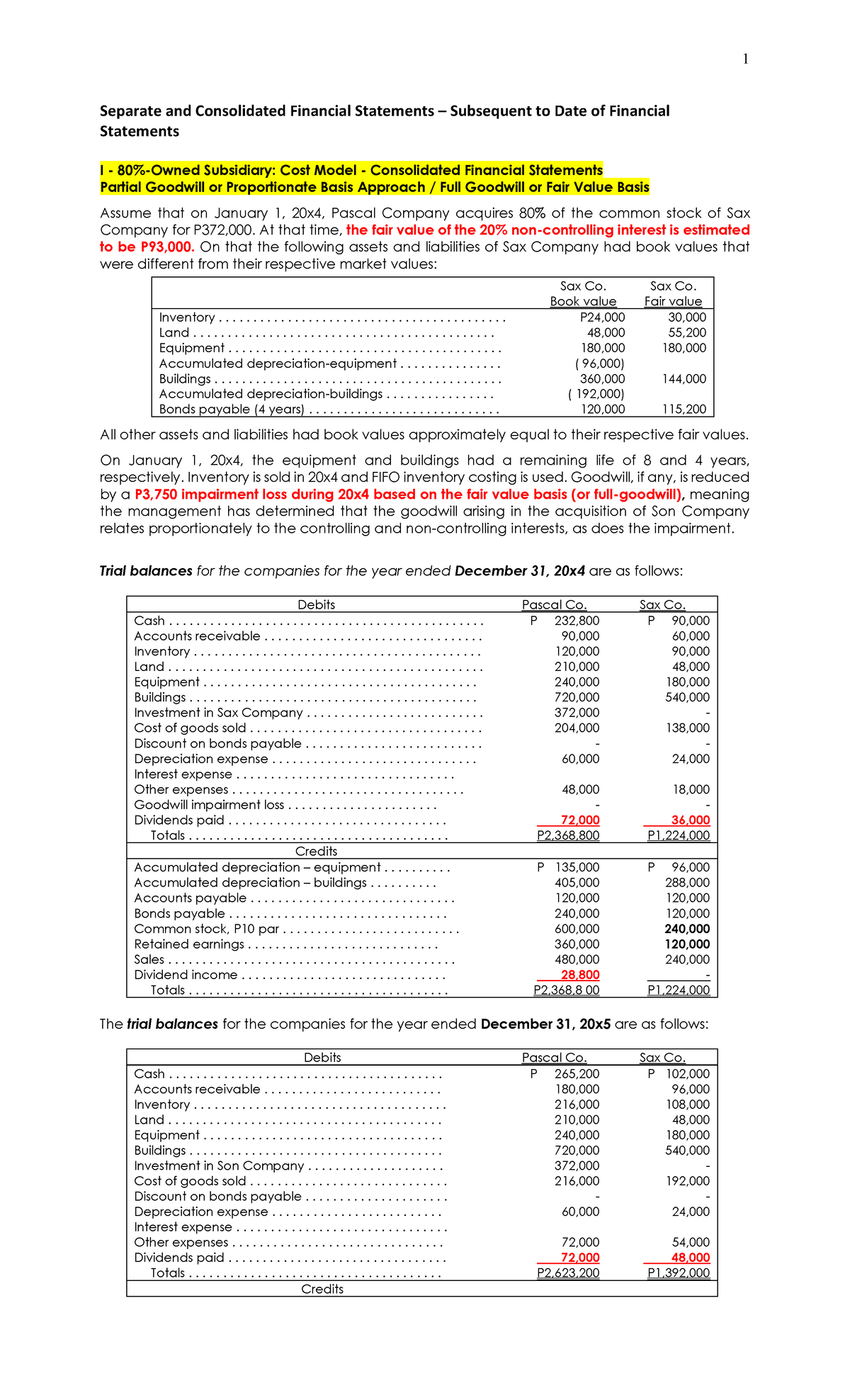
Internal financial statements are undoubtedly worth the cost for most businesses, providing the essential visibility needed to manage cash flow, identify operational inefficiencies, and make data-driven strategic decisions. While they require an investment in accounting staff and software, the ROI is realized through risk mitigation and the prevention of costly financial oversights.
For many small to mid-sized business owners, the administrative burden of maintaining monthly or quarterly financial records can feel like a secondary concern compared to sales and product development. However, as we navigate the economic landscape of 2026, the complexity of supply chains, shifting tax regulations, and the speed of market fluctuations make "flying blind" a high-risk strategy. Internal financial statements—typically comprising the balance sheet, income statement, and cash flow statement—act as the dashboard for your business, showing not just where you have been, but where you are headed.
Defining Internal Financial Statements in a Modern Context
Internal financial statements, often referred to as management accounts, are financial reports prepared for the exclusive use of a company’s leadership. Unlike audited financial statements, which are verified by an independent CPA and intended for external stakeholders like banks or regulators, internal statements are designed for speed and utility.
In 2026, the definition has expanded. Beyond the traditional "Big Three" reports, internal reporting now frequently includes real-time dashboards and Key Performance Indicator (KPI) trackers. These documents do not necessarily need to follow Generally Accepted Accounting Principles (GAAP) to the letter, though maintaining GAAP-adjacent records is a best practice. Instead, their primary purpose is to provide an accurate reflection of the business’s health so that management can pivot when necessary.
The core components usually include:
- The Income Statement (P&L): Tracks revenue, expenses, and profitability over a specific period.
- The Balance Sheet: Provides a snapshot of assets, liabilities, and equity at a specific point in time.
- The Cash Flow Statement: Reconciles net income to actual cash on hand, highlighting where liquidity is being trapped.
The Tangible Costs of Financial Reporting
To determine if these statements are "worth it," we must first quantify the investment. The cost of internal financial statements is not merely the price of a software subscription; it encompasses human capital, technology, and opportunity costs.
Personnel and Professional Fees
For a small business, the primary cost is often a part-time bookkeeper or an outsourced accounting firm. As of 2026, outsourced bookkeeping services for a mid-sized company typically range from $500 to $2,500 per month, depending on transaction volume. Larger organizations require a full-time controller or CFO. The salary for a competent controller in the current market reflects the high demand for strategic financial oversight, often exceeding $120,000 annually plus benefits.
Software and Automation
The shift toward AI-integrated accounting platforms has changed the cost structure. While software like QuickBooks Online or Xero remains affordable, enterprise-level solutions like NetSuite or Sage Intacct have seen price adjustments to account for advanced predictive analytics features. Businesses also invest in "middleware"—tools that sync point-of-sale (POS) data or inventory management systems with the general ledger.
Data Verification and Review
Even internal statements require a level of review. Management time spent reviewing these reports is an often-overlooked cost. If a CEO spends four hours a month analyzing financial reports to identify why margins are shrinking, that is time taken away from business development. However, as we will explore, this "cost" is usually an investment in preventing much larger losses.
The ROI of Internal Reporting: Why the Investment Pays Off
The value of internal financial statements is often invisible until a crisis occurs. By providing a clear view of the "financial plumbing" of a company, these reports offer several high-value returns.
1. Improved Cash Flow Management
Insolvency is rarely the result of a lack of profit; it is usually a result of a lack of cash. Internal statements allow managers to see the "Cash Conversion Cycle"—how long it takes for a dollar spent on inventory to return as a dollar of revenue. By tracking Accounts Receivable (AR) aging through internal reports, a business can identify slow-paying clients before they become a threat to the company’s liquidity.
2. Fraud Detection and Internal Controls
The Association of Certified Fraud Examiners (ACFE) has historically noted that small businesses are disproportionately affected by internal fraud due to a lack of oversight. Regular internal financial reporting creates a "paper trail" that makes it significantly harder for embezzlement or unauthorized spending to go unnoticed. When staff knows that financial statements are reviewed monthly, the "perceived opportunity" for fraud diminishes.
3. Strategic Tax Planning
Waiting until the end of the fiscal year to look at your numbers is a recipe for overpaying taxes. Internal statements allow for mid-year "tax projections." If a business is on track for a record-profit year in 2026, management can use internal reports to decide whether to accelerate capital expenditures (like purchasing new equipment) to take advantage of Section 179 deductions or other tax incentives before the year closes.
4. Facilitating Capital and Credit
If a business needs a sudden line of credit or a bridge loan to fund a large contract, a bank will demand current financial statements. If those statements don't exist or are six months out of date, the loan process stalls. Having a "bank-ready" set of internal books at all times ensures that the business can move at the speed of opportunity.
Comparison of Financial Reporting Levels
Not all financial reporting is created equal. The following table illustrates the differences in scope, cost, and purpose for various types of financial statements available to businesses in 2026.
| Feature | Internal Statements | Compiled Statements | Reviewed Statements | Audited Statements |
|---|---|---|---|---|
| Primary Audience | Management/Owners | Banks/Lenders | Investors/Stakeholders | Regulators/Public |
| CPA Involvement | Optional/None | Minimal (Format only) | Moderate (Inquiry/Analytics) | High (Verification) |
| Relative Cost | Low (Internal Staff) | Low to Moderate | Moderate to High | Very High |
| Level of Assurance | None | None | Limited | High/Reasonable |
| Frequency | Monthly/Quarterly | Annually | Annually | Annually |
| Main Benefit | Agility & Operations | Basic Compliance | Credibility | Absolute Verification |
The "Cost of Ignorance": What Happens Without Them?
To truly evaluate if internal statements are worth the cost, one must look at the alternative. Operating without regular financial reporting is often called "bank balance accounting"—where the owner simply checks the cash in the bank to see how the business is doing. This is dangerous for several reasons.
The Profitability Illusion: A bank balance can look healthy even if the business is losing money. For example, if a company receives a large customer deposit for a project that hasn't started yet, the cash is in the bank, but the liability is high. Without a balance sheet, the owner might spend that cash, only to realize later they cannot afford the materials to complete the job.
Unseen Expense Creep: Small expenses—software subscriptions, rising utility costs, or minor supplier price hikes—can erode margins over time. Internal P&L statements highlight these trends through "Vertical Analysis," which compares each expense line item as a percentage of total revenue. If your "Cost of Goods Sold" was 40% last year and is 45% this year, internal statements are the only way to catch that 5% leak before it drains your annual profit.
Maximizing Value While Minimizing Costs in 2026
For businesses concerned about the price tag of robust reporting, there are several ways to streamline the process without sacrificing quality.
- Automated Data Feeds: In 2026, most banking institutions and credit card companies offer direct API integrations with accounting software. This eliminates manual data entry, which is the most expensive and error-prone part of bookkeeping.
- Exception-Based Reporting: Rather than reading every line of a 20-page report, management can set up "alerts" for when certain figures fall outside of a predefined range (e.g., an alert if payroll exceeds 30% of revenue).
- Cloud-Based Collaboration: Using cloud accounting allows external CPAs to "pop in" to the books once a month for a quick review, providing a level of professional oversight at a fraction of the cost of a full-time hire.
Common Pitfalls to Avoid
While internal statements are valuable, they can become a "sunk cost" if they are poorly executed. Common mistakes include:
- Over-Complication: Creating 50 different expense categories (chart of accounts) makes the reports hard to read. Stick to high-level categories that impact decision-making.
- Lack of Timeliness: A financial statement delivered 45 days after the month ends is "financial archaeology," not management. To be worth the cost, reports should be finalized within 10 to 15 days of month-end.
- Ignoring the Cash Flow Statement: Many owners only look at the P&L. However, you can't pay employees with "net income"—you pay them with cash. If your P&L shows a profit but your bank account is empty, the Cash Flow statement will tell you why.
Frequently Asked Questions
Do internal financial statements need to be GAAP compliant?
No, internal statements do not strictly have to follow Generally Accepted Accounting Principles (GAAP). Since they are for management's use, they can be tailored to show what matters most to the owners. However, staying close to GAAP makes it much easier and cheaper to transition to an external audit or review if you ever decide to sell the company or seek a large loan.
Can I just use my bank statement instead?
A bank statement only shows cash movements; it does not show what you owe (liabilities) or what is owed to you (assets). It also fails to account for depreciation or non-cash expenses. Relying solely on a bank statement is a primary cause of business failure because it hides the true financial health of the organization.
How often should internal statements be produced?
At a minimum, they should be produced monthly. For high-volume businesses like retail or restaurants, weekly reporting on key metrics (like prime cost) is often necessary. Quarterly reporting is usually insufficient for active management because by the time you see a problem, three months of damage have already occurred.
Should I hire an in-house bookkeeper or outsource?
This depends on your size. For businesses with under $2 million in revenue, outsourcing is generally more cost-effective because you gain access to a team's expertise without paying a full-time salary. Once a business scales beyond $5 million to $10 million, the complexity usually justifies a dedicated in-house resource who understands the daily nuances of the operation.
Is AI replacing the need for human review of these statements?
While AI in 2026 is excellent at categorizing transactions and spotting anomalies, it cannot provide the "context" of a business decision. An AI might see a spike in marketing spend as a negative trend, whereas a human manager knows it was a strategic investment for a new product launch. AI reduces the cost of producing the statements, but human analysis is still where the value is extracted.
Final Recommendation
Internal financial statements are a fundamental requirement for any business that intends to grow or remain stable in a volatile economy. The "cost" of producing these reports is essentially an insurance premium against mismanagement, fraud, and missed opportunities. To get the most value, focus on timeliness and accuracy rather than exhaustive detail. Start by ensuring your "Big Three" reports are generated by the 15th of every month. If you find the process too expensive or time-consuming, leverage modern automation tools or outsourced services to bring the costs down to a level that fits your budget.