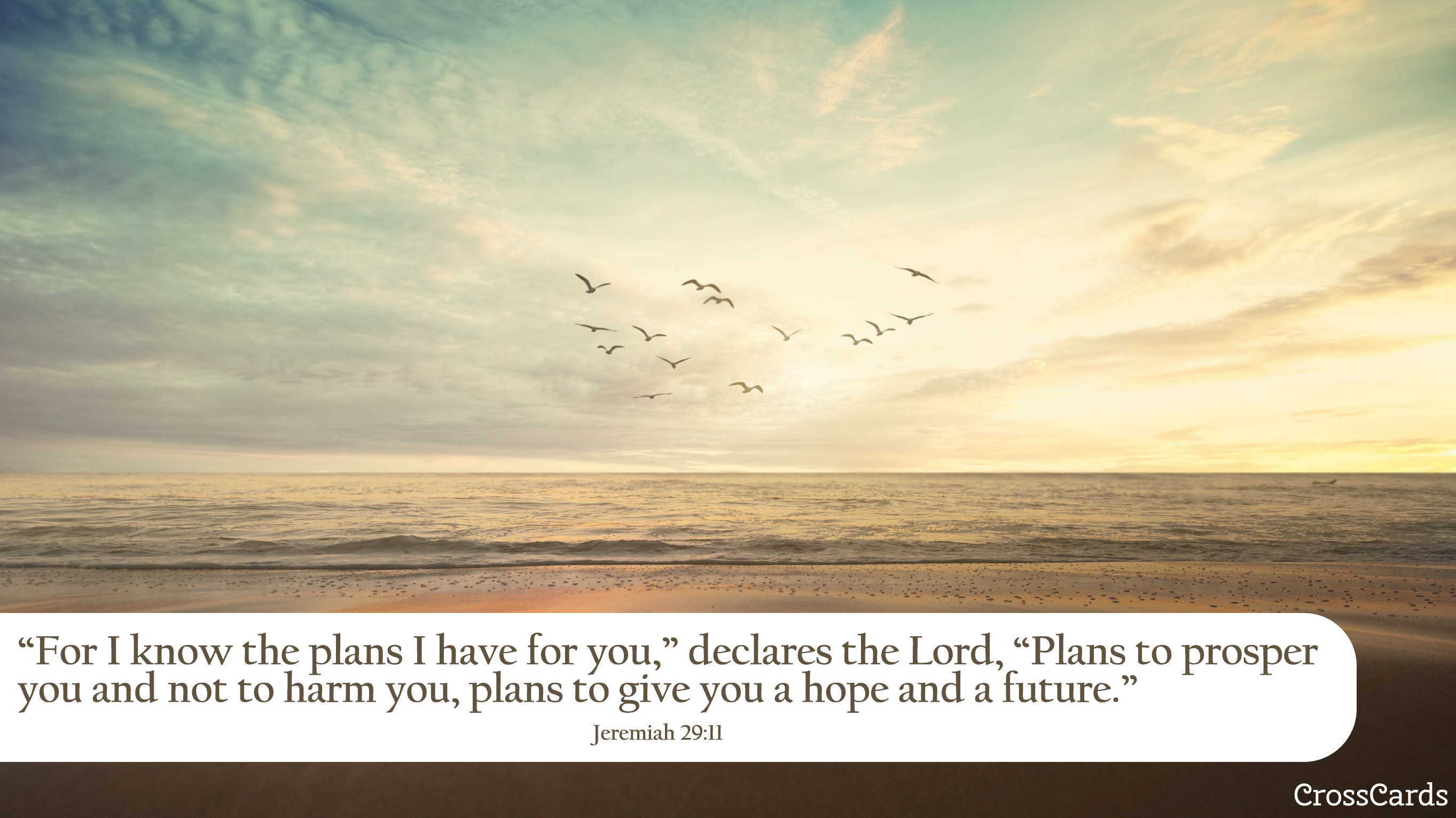
The phrase "a future and a hope" originates from Jeremiah 29:11, a scripture where God promises His people that His plans for them are for peace and prosperity rather than disaster. While often used as a personal motivational quote, it specifically refers to God’s enduring faithfulness to the Israelites during their seventy-year Babylonian exile, ensuring their eventual restoration.
Jeremiah 29:11 is arguably one of the most recognized and cherished verses in the Christian Bible. In 2026, it remains a staple of graduation cards, wall art, and social media bios. However, the profound depth of this promise is often obscured by its popularity. To truly grasp what it means to have "a future and a hope," one must look past the sentimentality and investigate the gritty, historical, and theological landscape of the prophet Jeremiah’s world.
The Historical Crucible: Why the Promise Was Necessary
The book of Jeremiah is set during one of the darkest periods in Israel’s history. To understand the promise of a future, we must first understand the perceived end of that future. By the time Jeremiah pens the letter contained in chapter 29, the Kingdom of Judah has been decimated. Jerusalem has been besieged, the temple—the very heart of their religious identity—threatened, and the first waves of citizens have been forcibly deported to Babylon.
These exiles were living in a foreign land, under the shadow of a pagan empire. They were grieving their homes, their status, and their proximity to the presence of God. Many believed that their story had reached its final chapter. It was into this atmosphere of despair and national trauma that Jeremiah’s letter arrived. The promise of "a future and a hope" was not a "feel-good" sentiment; it was a lifeline thrown to a drowning nation.
The Conflict of Prophecies
In Babylon, the exiles were being told two different stories. False prophets like Hananiah were telling the people that the exile would be short—perhaps only two years—and that God would break the yoke of Babylon immediately. Jeremiah, however, brought a much harder truth from God: the exile would last seventy years.
This creates the specific tension that Jeremiah 29:11 addresses. God was essentially saying, "You are going to be here for a long time. An entire generation will live and die in Babylon. But do not mistake this season of discipline for a season of abandonment." The "future" God promised was not immediate relief, but a long-term plan of restoration.
Linguistic Breakdown: Future, Hope, and Shalom
To understand the technical depth of this verse, we must look at the original Hebrew text. The phrase "a future and a hope" is translated from the Hebrew words acharit and tikvah.
Acharit (Future/End)
The word acharit often refers to the "latter part" or the "afterward" of a situation. It suggests an outcome or a result. When God promises an acharit, He is telling the exiles that their current state of captivity is not the final result. There is a "later" that they cannot yet see. In the context of 2026, this reminds readers that current crises do not dictate the finality of their destiny.
Tikvah (Hope/Expectation)
The word tikvah comes from a root meaning "to stretch" or "to wait for." It is often associated with a cord or a rope (like the scarlet cord Rahab hung from her window). It implies a tension—a waiting with expectancy. Biblical hope is not a "wish" (like "I hope it rains"); it is a confident expectation based on the character of the one making the promise.
Plans to Prosper (Shalom)
The verse also says God has "plans to prosper you." The Hebrew word here is shalom. While often translated as "prosperity" or "peace," shalom encompasses much more. It refers to wholeness, completeness, health, and social harmony. God wasn't just promising the exiles more money; He was promising the restoration of their communal and spiritual wholeness.
Contextualizing the Promise: The Commands of Jeremiah 29
A common mistake in interpreting "a future and a hope" is ignoring the verses that immediately precede and follow verse 11. In Jeremiah 29:4–7, God gives the exiles very specific instructions on how to live while they wait for that future:
- Build houses and settle down: Don't live out of suitcases. Accept that you are here for a while.
- Plant gardens and eat what they produce: Invest in the land where you are currently located.
- Marry and have children: Ensure the next generation exists to see the promise fulfilled.
- Seek the peace and prosperity of the city to which I have carried you into exile: This was radical. God was telling His people to pray for their captors.
The "future and hope" was predicated on the people's willingness to be faithful in a place they didn't want to be. It suggests that God’s plans are often worked out through the mundane and difficult process of living faithfully in "exile" or through trials.
The Theological Significance of the 70 Years
The mention of the seventy-year duration in Jeremiah 29:10 is crucial. This duration corresponds to the "Sabbath rests" for the land that the people had ignored for centuries (as noted in 2 Chronicles 36:21). The exile was a period of discipline, but it was also a period of purgation.
The "future" was not just about returning to a physical location (Jerusalem); it was about returning to a spiritual relationship. Verse 13 emphasizes this: "You will seek me and find me when you seek me with all your heart." The ultimate "hope" was the restoration of the presence of God among His people.
| Aspect | Popular Misconception | Biblical Contextual Reality |
|---|---|---|
| Timing | Immediate success or a quick fix. | Often involves long periods of waiting (70 years). |
| Nature of "Prosper" | Material wealth, health, and comfort. | Shalom: Spiritual wholeness and communal peace. |
| Target Audience | An individual "blank check" for personal dreams. | A corporate promise to a nation in exile. |
| Requirement | Passive waiting for God to act. | Active faithfulness: building, planting, and praying. |
| Goal | Personal happiness and ease. | Finding God and being restored to a relationship with Him. |
Common Misinterpretations and the "Prosperity Gospel"
In modern spiritual discourse, Jeremiah 29:11 is frequently used to support the "Prosperity Gospel"—the idea that God’s primary goal is to make every individual wealthy, healthy, and successful by worldly standards. This interpretation is problematic for several reasons:
The Neglect of Suffering
If we apply this verse as a guarantee of personal comfort, we create a theological crisis for those who suffer. If a believer in 2026 experiences chronic illness or financial loss, a surface-level reading of this verse might suggest they are outside of God's plan. However, the original recipients of the letter were in the midst of a national catastrophe. The promise of "hope" exists because of the suffering, not as a means to avoid it entirely.
Individualism vs. Corporate Identity
Western culture is highly individualistic, leading many to read "you" in Jeremiah 29:11 as a singular person. In the original Hebrew, the "you" is plural. God is speaking to the community of faith. While God certainly cares for individuals, the "future and a hope" is a promise regarding His redemptive work in history through His people.
The Link to the New Covenant
For those studying Jeremiah from a Christian perspective, the "future and a hope" finds its ultimate fulfillment in the New Covenant. Later in the book, in Jeremiah 31, the prophet speaks of a time when God will write His law on people's hearts rather than on stone tablets.
The "future" Jeremiah glimpsed was not just the return from Babylon under Cyrus the Great; it was the arrival of the Messiah. Jesus Christ is seen as the ultimate embodiment of God's "plans to prosper you and not to harm you." Through the death and resurrection of Jesus, the "hope" becomes an eternal reality that transcends physical exile or earthly hardship.
How to Apply "A Future and a Hope" in 2026
Applying this ancient text to a modern context requires a shift in perspective. Instead of using the verse to demand specific outcomes from God, it should be used to anchor one's soul during seasons of uncertainty.
Finding God in the "In-Between"
Most of life is lived in the "seventy years"—the space between the promise and the fulfillment. Whether dealing with career transitions, family struggles, or societal shifts in 2026, the application is to "build and plant" where you are. It means finding ways to flourish and be a blessing to others even when the circumstances are not ideal.
Trusting the Character of the Planner
The power of the verse lies in the phrase, "For I know the plans I have for you." The emphasis is on the "I"—the Sovereign Creator. The hope is not in the "plan" itself, but in the "Planner." When we don't know the future, we are invited to trust the One who does.
Seeking with the Whole Heart
The promise of finding God (verses 12-14) is the most vital part of the passage. In an era of digital distraction and rapid change, the call to seek God "with all your heart" is the prerequisite for experiencing the peace promised in verse 11.
Frequently Asked Questions
Does Jeremiah 29:11 mean I will always be successful?
Not in the way the world defines success. The Israelites to whom this was written remained in exile for decades. Some died there. However, it means that God's overarching purpose for your life is good and that He can work through even the most difficult circumstances to bring about spiritual growth and ultimate restoration.
Why did God send the people into exile if He had good plans for them?
In the biblical narrative, the exile was a consequence of persistent rebellion and social injustice. However, the exile was disciplinary, not purely punitive. It was a "tough love" measure designed to turn the people’s hearts back to God. The "good plans" included the refinement and purification of the nation.
How do I know if God's "plans" apply to me today?
While the specific historical promise was for the Judean exiles, the character of God revealed in the passage is consistent throughout scripture. The New Testament confirms that God works all things together for the good of those who love Him (Romans 8:28). Therefore, believers can trust that the principle of God's "future and hope" applies to them through their relationship with Christ.
What is the difference between "prosper" and "peace" in different Bible versions?
Most modern translations use "prosper" or "welfare," while older ones like the KJV use "peace." Both are trying to capture the Hebrew word shalom. The key is to remember that this refers to an overall state of well-being and right relationship with God and neighbor, rather than just financial wealth.
Is it wrong to use this verse for encouragement during hard times?
No, it is entirely appropriate. The verse was written specifically for people going through a hard time. The caution is simply to avoid using it as a guarantee that the hard time will end immediately or that it will result in a specific material blessing.
Practical Steps for Moving Forward
If you are looking to integrate the message of "a future and a hope" into your life in 2026, consider these actions:
- Study the full chapter: Read Jeremiah 29 in its entirety to see the balance between God’s promise and His call to faithful living.
- Audit your "Exile": Identify the areas of your life that feel like a "Babylon"—places where you feel stuck or out of place. Ask how you can "plant a garden" or "seek the peace" of that situation right now.
- Practice "Tikvah": Practice the art of expectant waiting. Instead of focusing on the "what" of your future, focus on the "Who" of your faith.
- Seek God wholeheartedly: Dedicate time to prayer and reflection that isn't focused on asking for things, but simply on seeking God's presence, as verse 13 suggests.
The "future and a hope" promised in Jeremiah is not a magic wand to wave away life's difficulties. It is a profound declaration that God is not finished with His people, that exile is not the end, and that His ultimate intention is the restoration and wholeness of all who seek Him.