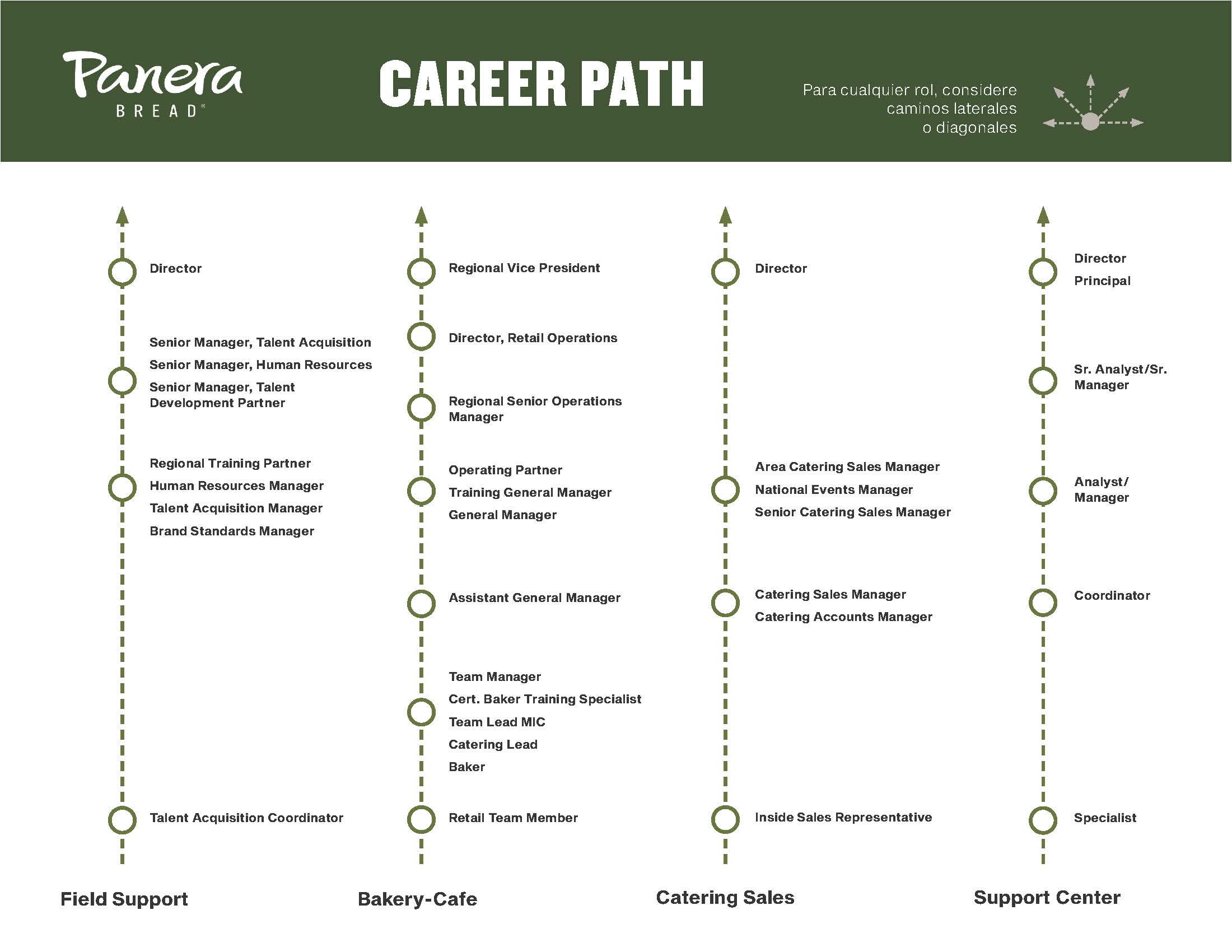
Navigating your career at Panera Bread involves understanding the company’s internal organizational structure, utilizing professional development frameworks like the People Development Path, and leveraging training portals such as Panera Bread Careers to transition from entry-level hourly positions to restaurant management and corporate support roles.
Introduction to the Panera Bread Employment Ecosystem
Building a sustainable career path within the fast-casual restaurant industry requires a clear understanding of corporate culture, operational expectations, and structured advancement opportunities. Panera Bread, operating as a major player in the restaurant sector with thousands of bakery-cafes across North America, provides a distinct operational ecosystem. For employees looking beyond a temporary job, the organization offers a well-defined architectural framework for professional progression. Navigating this corporate landscape successfully demands more than daily operational competence; it requires strategic alignment with company values, proactive engagement with internal learning tools, and a firm grasp of the milestones required to move from team member to general manager or corporate specialist.
The modern restaurant environment values speed, accuracy, customer service, and culinary execution. Panera Bread differentiates itself through clean-ingredient commitments, a distinct bakery-cafe atmosphere, and robust digital integration via its loyalty programs and delivery networks. Consequently, career navigation within the company intersects with both traditional hospitality competencies and modern supply chain and digital management skills. Whether you are an incoming associate stocking the bakery case, a shift supervisor managing afternoon rushes, or an assistant general manager preparing for multi-unit leadership, understanding the mechanisms of internal mobility is essential for long-term career viability.
---\
The Foundation: Entry-Level Roles and Daily Operations
Every career trajectory at Panera Bread typically begins on the front lines of bakery-cafe operations. Understanding the responsibilities and performance metrics of these foundational roles is vital because they form the baseline for all future evaluations, promotions, and leadership opportunities.
Associate Positions and Core Competencies
Entry-level team members generally work in specific operational zones:
- Line Associates: Responsible for assembling sandwiches, salads, and hot items according to precise recipes and speed-of-service standards.
- Cashier/Customer Service Associates: Tasked with front-of-house hospitality, order entry, managing the Rapid Pick-Up zones, and resolving customer inquiries.
- Baker Associates: Operating typically during overnight or early morning shifts, bakers mix, shape, and bake fresh breads, pastries, and sweets following rigorous quality control guidelines.
Mastery of these roles involves more than completing daily tasks. Successful associates demonstrate reliability, punctuality, cross-functional flexibility (learning both line assembly and customer service), and strict adherence to food safety and sanitation protocols. District managers and general managers look for these baseline behaviors when identifying candidates for the initial stages of formal leadership development.
Structured Progression: The People Development Path
Panera Bread utilizes a structured framework to guide internal promotions, commonly known through its internal training and talent development initiatives. Moving from an hourly associate to a salaried management position follows a clear path with measurable competencies.
- Associate / Baker
- Shift Supervisor / Team Lead
- Assistant General Manager (AGM)
- General Manager (GM)
- District Manager / Multi-Unit Leadership
Transitioning to Supervision
The first major career milestone is shifting from an individual contributor to a Shift Supervisor or Team Lead. In this capacity, employees assume responsibility for opening or closing procedures, cash handling, floor management during peak hours, and coaching junior team members.
To secure this promotion, employees typically complete internal training modules that cover situational leadership, basic labor cost management, and food safety compliance. Documenting a consistent track record of high performance and displaying initiative during operational bottlenecks are critical catalysts for this transition.
Assistant General Manager and General Manager Roles
Moving into assistant and general management levels shifts the professional focus from tactical shift execution to business ownership. Assistant General Managers (AGMs) focus heavily on inventory control, scheduling, labor optimization, and local store marketing. General Managers (GMs) operate essentially as small business owners, held accountable for the cafe’s P&L (Profit and Loss) statements, talent retention, local community engagement, and overall guest satisfaction scores.
| Management Role | Core Focus Areas | Key Performance Indicators (KPIs) |
|---|---|---|
| Shift Supervisor | Floor management, task delegation, basic compliance | Speed of service, food safety audits, shift checklist completion |
| Assistant General Manager | Inventory, scheduling, team coaching, labor cost | Food cost variance, scheduling accuracy, employee retention |
| General Manager | P&L management, talent acquisition, strategic growth | Net profit margin, guest satisfaction metrics, store compliance |
| District Manager | Multi-unit operations, regional performance, talent pipelines | Aggregate regional sales, GM retention, brand standard execution |
Leveraging Internal Portals and Continuing Education
Navigating career advancement at Panera Bread requires active utilization of the company's digital tools and learning management systems. Internal employee portals serve as the central hub for accessing pay stubs, scheduling information, benefits, and—most importantly—professional development courses.
Learning Management Systems (LMS)
Panera’s internal training platforms provide micro-learning modules, compliance training, and advanced management courses. Employees aiming for promotion are expected to complete specific learning tracks outside of their normal operational hours or during designated training shifts. These modules cover topics such as:
- Advanced food safety certifications (e.g., ServSafe management credentials).
- Diversity, equity, and inclusion in the workplace.
- Conflict resolution and performance management techniques.
- Financial literacy for restaurant managers.
Proactively completing these courses signals to upper management that an employee is serious about their professional trajectory and willing to invest personal effort into skill acquisition.
Corporate and Above-Store Career Opportunities
While bakery-cafe operations form the backbone of the organization, Panera Bread also maintains robust corporate structures spanning supply chain, marketing, human resources, finance, and information technology. Many corporate leaders begin their journeys within the restaurant system, bringing invaluable firsthand operational knowledge to desk-based roles.
Pathways from Operations to Corporate
Transitioning from a cafe-level position to a corporate support center role typically requires a combination of specialized education, proven performance at the store or district level, and networking within the organization. Common bridge roles include:
- Training Specialists/Field Trainers: Traveling between cafes to onboard new management teams and ensure brand standardization.
- Supply Chain and Quality Assurance Analysts: Leveraging store-level inventory experience to manage vendor relationships and ingredient quality.
- Human Resources Generalists: Utilizing field-level employee relations experience to support regional HR initiatives and talent acquisition.
Navigating Performance Reviews and Goal Setting
Career progression at Panera Bread is rarely accidental; it relies on structured communication between employees and their immediate supervisors. Establishing clear career goals during performance check-ins is essential for visibility.
Practical Steps for Effective Career Conversations
- Initiate Dialogue: Do not wait for annual reviews to express a desire for advancement. Bring up career aspirations during regular one-on-one check-ins with your General Manager.
- Request Feedback: Actively ask for constructive criticism regarding operational blind spots, customer service delivery, or leadership presence.
- Establish SMART Goals: Set Specific, Measurable, Achievable, Relevant, and Time-bound objectives, such as mastering all line stations within 30 days or completing shift supervisor certification within a quarter.
- Find a Mentor: Identify a seasoned General Manager or District Manager within your region who can offer practical insights, advice, and advocacy during promotion review cycles.
Frequently Asked Questions
What are the primary qualifications needed to become a Panera Bread General Manager?
Generally, becoming a General Manager requires prior restaurant management experience—often gained by serving as an Assistant General Manager within Panera or a comparable fast-casual concept. Candidates must demonstrate proficiency in financial management, team leadership, food safety compliance, and operational execution. Internal candidates who have risen through the hourly ranks must complete all required management training tracks.
How does Panera Bread support continuing education for hourly employees?
Panera Bread offers various internal training paths and certifications that can enhance professional value. While specific tuition assistance programs can vary by franchise group and corporate operating region, employees should consult their management team or employee portal to review current local educational benefits, partnerships, and professional development grants.
Can you transition from working in a bakery-cafe to corporate roles?
Yes. Many corporate team members at Panera Bread start their careers inside the bakery-cafes. Gaining foundational operational experience provides a deep understanding of the brand's core product and customer base, which is highly valued in corporate departments such as culinary development, supply chain logistics, operations training, and field human resources.
What is the typical timeframe for getting promoted from an associate to a shift supervisor?
The timeline varies based on individual performance, staffing needs, and the availability of training slots. Dedicated associates who demonstrate strong leadership, reliability, and mastery of multiple cafe stations can often transition to a shift supervisor role within six to twelve months of consistent employment.
Where can current employees access internal job postings and career resources?
Current employees can view open positions, track their learning progress, and apply for internal promotions by logging into the official employee self-service portals, checking bulletin boards in the cafe back-of-house, or visiting the dedicated Panera Bread Careers Portal.
Conclusion and Next Actions
Navigating your career at Panera Bread requires a proactive approach centered on operational excellence, continuous learning, and clear communication with store leadership. Whether your goal is to master baking arts, lead a single bakery-cafe as a General Manager, or transition into corporate support functions, success depends on leveraging the company's structured development paths and digital learning tools. Begin your next career phase by scheduling a focused conversation with your General Manager to map out specific training milestones, review your current performance metrics, and establish a clear timeline for your next professional advancement.