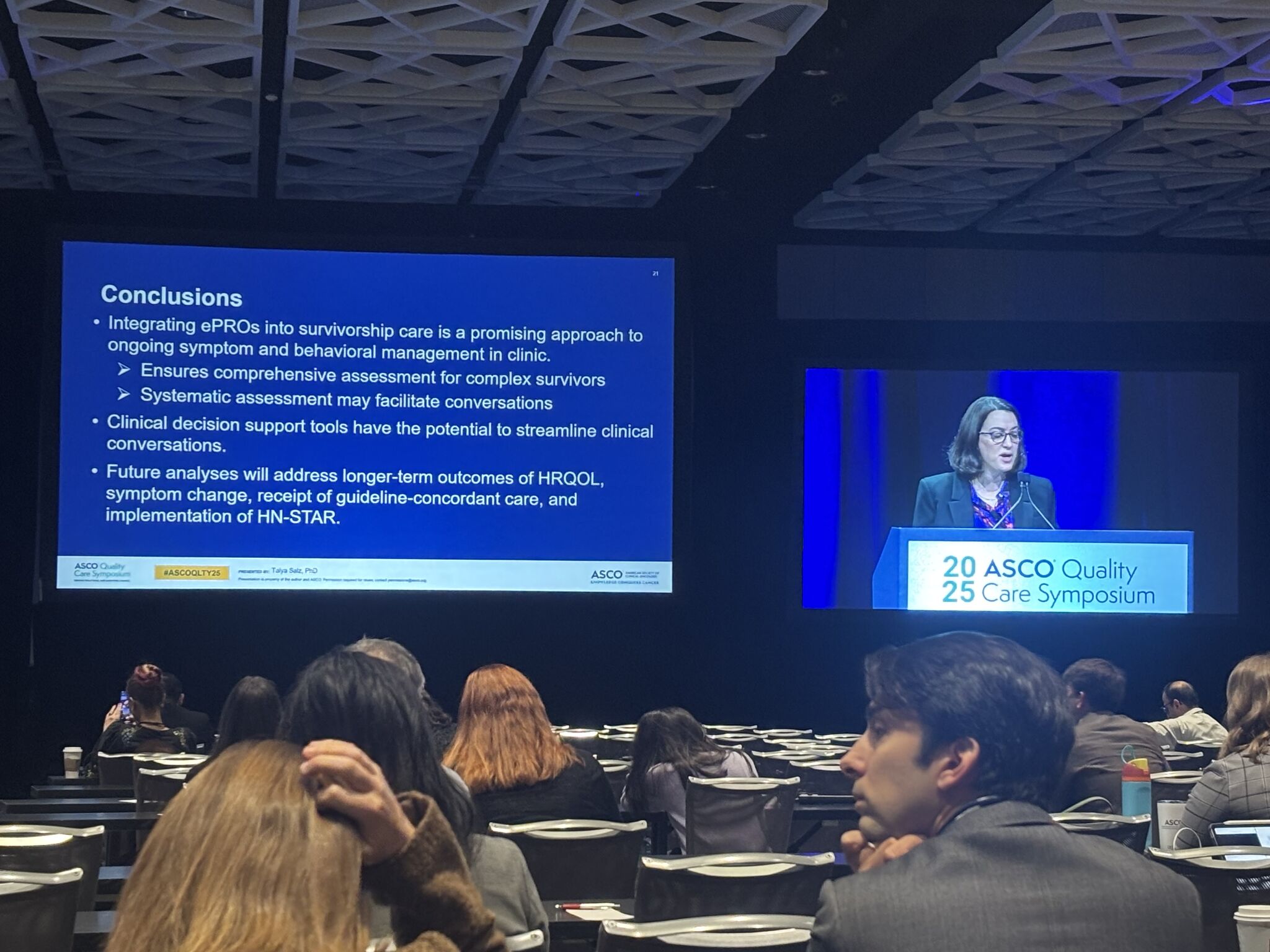
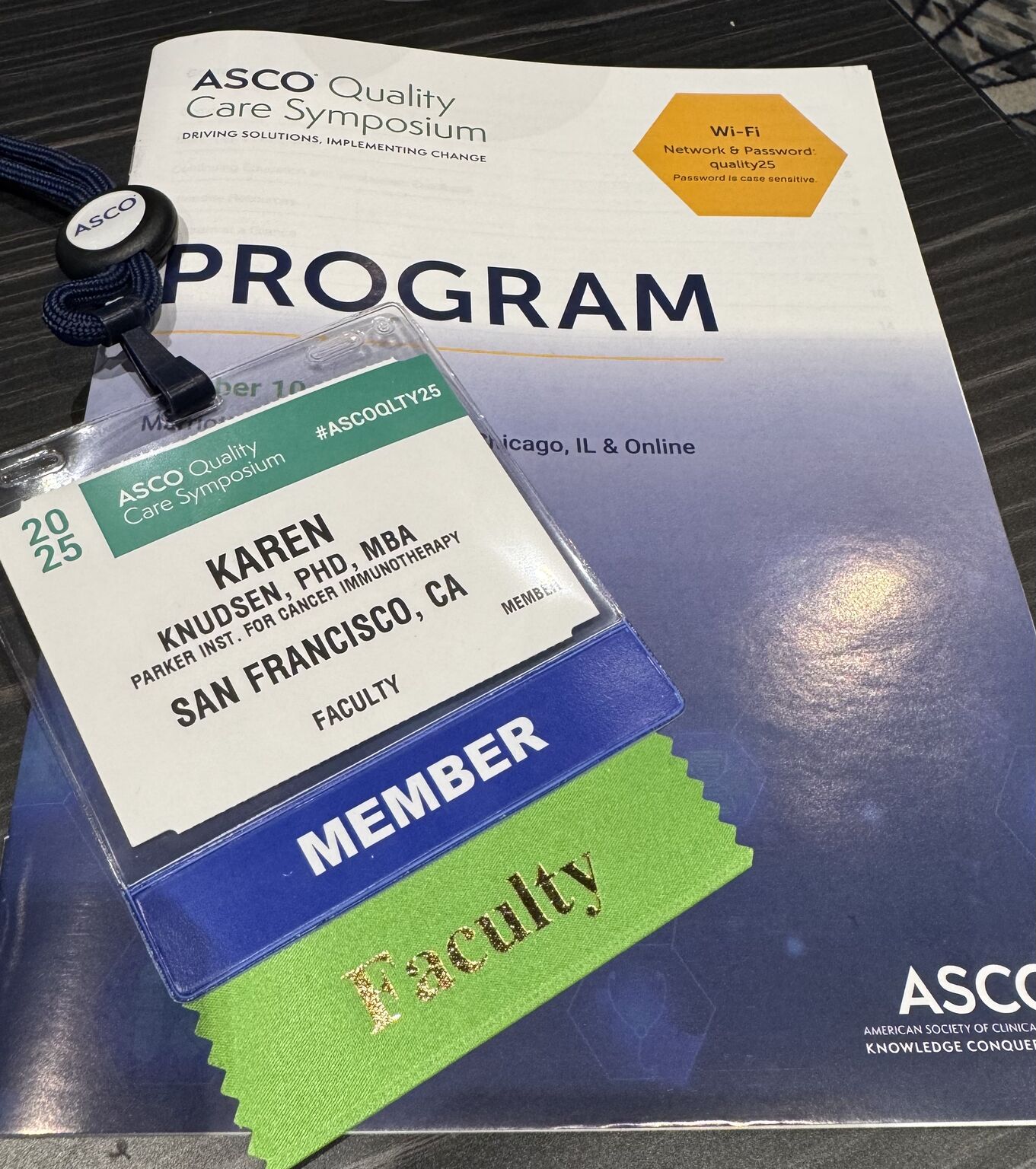
Attending the ASCO Quality Care Symposium 2026 in person provides oncology professionals with exclusive access to high-level networking, interactive workshops, and real-time collaborative opportunities that virtual platforms cannot replicate. Physical attendance facilitates direct engagement with leaders in implementation science, health equity, and healthcare delivery, fostering partnerships that drive systemic improvements in patient outcomes.
The Evolution of Quality Care in Oncology for 2026
As we navigate 2026, the landscape of oncology has shifted from purely clinical breakthroughs to a profound focus on how those breakthroughs are delivered to diverse populations. The American Society of Clinical Oncology (ASCO) Quality Care Symposium has established itself as the premier forum for health services research, addressing the "how" of cancer care. While digital access has improved since the early 2020s, the nuances of quality improvement—safety, timeliness, efficiency, effectiveness, equity, and patient-centeredness—require a level of interpersonal synergy that only a physical gathering can provide.
The 2026 symposium arrives at a time when the oncology community is grappling with the integration of complex artificial intelligence tools in the clinic and the ongoing challenge of provider burnout. In-person attendance allows for a shared vulnerability and collective problem-solving environment. Practitioners are not just viewing slides; they are participating in a living laboratory of ideas where the primary goal is to bridge the gap between clinical evidence and bedside practice.
Quality care is no longer a niche sub-specialty; it is the backbone of sustainable oncology. By being physically present, you signal a commitment to the administrative and structural integrity of cancer treatment. This year’s focus on sustainable value-based care models makes the Symposium a critical destination for those responsible for hospital policy, insurance reimbursement strategies, and clinical pathway development.
Unparalleled Networking and the "Hallway Effect"
The most significant advantage of attending the ASCO Quality Care Symposium 2026 in person is the opportunity for serendipitous professional encounters, often referred to as the "hallway effect." While virtual platforms attempt to simulate networking through chat rooms or randomized video calls, these digital interactions often feel forced and lack the organic flow of a face-to-face conversation.
At a physical venue, a brief exchange while waiting for coffee or a quick question after a session can evolve into a multi-year research collaboration or a mentorship opportunity. These "micro-interactions" are where the real work of professional growth happens. In 2026, the symposia have integrated more dedicated "networking hubs" specifically designed to facilitate these connections between early-career researchers and established giants in the field of health services research.
Furthermore, in-person attendance allows you to engage with the ASCO leadership and committee members in a more informal setting. Understanding the future direction of ASCO’s quality initiatives requires more than reading an official report; it involves hearing the nuances of the discussions that occur during coffee breaks and evening receptions. For those looking to influence policy or join ASCO committees, being a visible presence at the symposium is an essential step in building that professional reputation.
Immersive Workshops and Implementation Science in Action
The ASCO Quality Care Symposium is renowned for its hands-on approach to learning. In 2026, the program includes specialized workshops on implementation science—the study of methods to promote the integration of research findings into healthcare policy and practice. These sessions are inherently collaborative and require real-time feedback and group work that is difficult to manage across time zones and through computer screens.
Participants in these workshops often work through real-world case studies, such as implementing a new telehealth screening tool in a rural oncology clinic or optimizing a pharmacy’s prior authorization workflow. The ability to look at a colleague’s data visualization on a physical table, debate the merits of a specific methodology, and receive immediate coaching from instructors is invaluable.
These sessions often utilize physical tools—whiteboards, logic models, and mapping exercises—that facilitate deeper cognitive engagement. By the end of an in-person workshop, you don’t just have a PDF of the slides; you have a developed framework that you can take back to your institution for immediate application. This practical "ROI" (return on investment) is one of the strongest arguments for securing the travel budget to attend in person.
The Vibrant Poster Sessions: Deep Dives into Data
The poster hall at the ASCO Quality Care Symposium 2026 is the heartbeat of the event. While virtual poster galleries allow you to view data, they lack the interactive element that defines the symposium. Standing in front of a physical poster allows you to have a 15-minute, one-on-one deep dive with the primary investigator. You can ask specific questions about their sample size, their local barriers to implementation, and the "lessons learned" that didn't make it into the abstract.
For presenters, being at their poster in person is a trial by fire that refines their communication skills. For attendees, it is an opportunity to discover "unfiltered" science. Often, the most useful information is found in the investigator’s explanation of why a certain intervention didn’t work—a level of transparency that is rarely captured in a formal presentation or a static virtual file.
In 2026, the symposium features "Poster Walks," where experts lead small groups through the hall, highlighting the most impactful research in specific categories like "Patient-Reported Outcomes" or "Health Information Technology." Participating in these walks in person allows for group discussion and immediate debate, providing a multifaceted view of the data that helps you contextualize it for your own clinical practice.
Health Equity and the Human Element
A core pillar of the 2026 Symposium is health equity. Addressing disparities in cancer care requires a high degree of empathy and nuanced understanding of social determinants of health. These are sensitive topics that benefit immensely from the human element of in-person attendance. Hearing a patient advocate speak in a crowded room, feeling the silence during a poignant moment, and seeing the body language of speakers who are passionate about justice in healthcare creates a lasting impression that a screen cannot convey.
In-person attendance also allows for more robust "Birds of a Feather" sessions, where people from similar geographic regions or practice types (e.g., small community practices versus large academic centers) can gather to discuss their unique challenges in providing equitable care. These localized discussions are critical for developing strategies that actually work on the ground.
When you attend in person, you are also able to engage more deeply with the patient advocates who participate in the Symposium. Their insights are vital for ensuring that "quality" is defined not just by clinical metrics, but by the actual lived experience of those receiving care. The informal conversations with these advocates provide a reality check that is often missing from high-level academic discourse.
Comparing the Experience: In-Person vs. Virtual
To help you decide or justify the travel expenses to your department, the following table summarizes the material differences between the two modes of attendance for the 2026 event.
| Feature | In-Person Experience | Virtual/On-Demand Experience |
|---|---|---|
| Networking Depth | High; spontaneous meetings, social events, and face-to-face mentorship. | Low; restricted to chat bars and scheduled 1:1 digital meetings. |
| Engagement Levels | High; dedicated environment away from daily clinical and administrative work. | Moderate to Low; high risk of "multi-tasking" and workplace interruptions. |
| Workshop Participation | Full; interactive group work, physical materials, and immediate feedback. | Limited; mostly observational with restricted collaborative tools. |
| Poster Interaction | High; direct dialogue with authors and participation in guided "Poster Walks." | Low; static viewing of PDFs or short pre-recorded videos. |
| Professional Visibility | High; presence is noted by leadership, peers, and potential collaborators. | Low; "observer" status with limited opportunities to stand out. |
| Immediate ROI | High; walk away with drafted implementation plans and new partnerships. | Moderate; gain knowledge but lack the collaborative refinement of ideas. |
Career Development and Institutional Recognition
For early-career oncologists, fellows, and nurses, the ASCO Quality Care Symposium 2026 represents a critical milestone in career development. The symposium is smaller and more focused than the ASCO Annual Meeting, making it an ideal environment for newer professionals to make a name for themselves. In-person attendance allows you to participate in the "Career Development Sessions" where you can get your CV reviewed or receive advice on navigating the world of academic publishing and quality improvement grants.
From an institutional perspective, having a representative at the symposium in person is a strategic advantage. You become the "eyes and ears" for your hospital or clinic. You can identify emerging trends in value-based care before they are widely published and bring back insights on how other institutions are handling new regulatory requirements.
Furthermore, the continuing medical education (CME) and Maintenance of Certification (MOC) credits earned at the symposium are easier to track and complete in a dedicated setting. The symposium provides a structured environment to fulfill these requirements while simultaneously gaining cutting-edge knowledge that can be directly applied to hospital-wide quality improvement projects.
Navigating the Exhibit Hall: Technology and Tools
The 2026 exhibit hall is not just about promotional materials; it is a showcase of the latest technology designed to improve oncology workflows. From AI-driven clinical decision support systems to advanced patient-monitoring platforms, the exhibit hall allows you to test-drive tools that could significantly reduce the administrative burden on your staff.
Talking directly to the developers and product specialists allows you to voice the specific needs of your clinic. If a certain software doesn't integrate well with your Electronic Health Record (EHR), you can discuss those technical hurdles in person. These interactions often lead to pilot programs or tailored solutions that wouldn't be possible through a generic inquiry form on a website.
In-person attendees also have access to "Industry Expert Theater" sessions within the exhibit hall. These are brief, focused presentations on how specific technologies are solving real-world problems in quality care. Being there in person allows you to ask the "hard" questions about cost, implementation time, and data security that are often glossed over in marketing brochures.
Planning Your 2026 Attendance: Practical Steps
To get the most out of the ASCO Quality Care Symposium 2026, planning should begin months in advance. Because the symposium is a high-demand event with limited in-person capacity, early registration is essential to secure both your spot and better rates for lodging.
- Identify Your Goals: Are you there to find a mentor, learn a specific implementation framework, or scout new technology for your department? Having a clear objective will dictate which sessions you prioritize.
- Review the Abstract Titles: Once the abstracts are released, identify the posters and oral presentations that align with your institution's current challenges.
- Schedule Meetings Early: Reach out to colleagues or speakers you wish to meet with several weeks before the event. Physical attendance is most effective when your schedule has a mix of planned meetings and open time for serendipity.
- Prepare Your Case for Funding: Use the "In-Person vs. Virtual" table above to demonstrate to your department chair the tangible benefits of your attendance, focusing on the specific skills or partnerships you intend to bring back.
Frequently Asked Questions
What is the primary focus of the 2026 ASCO Quality Care Symposium?
The 2026 symposium focuses heavily on the integration of artificial intelligence in healthcare delivery, advancing health equity through implementation science, and strategies to mitigate oncology workforce burnout. It aims to provide actionable frameworks that translate clinical data into high-quality patient care.
Can I earn CME and MOC credits if I attend in person?
Yes, in-person attendees can earn a significant number of Continuing Medical Education (CME) credits and Maintenance of Certification (MOC) points. ASCO typically provides a streamlined process for claiming these credits through their digital portal following the conclusion of the sessions you attend physically.
Are there specific events for oncology fellows and trainees?
Absolutely. The symposium features dedicated networking sessions, career development workshops, and "Meet the Expert" lunches specifically designed for fellows and early-career professionals. These events are highly interactive and are best experienced in person to build a professional network.
How does the 2026 symposium address the use of AI in oncology clinics?
The symposium includes several keynote sessions and technical workshops focused on "Responsible AI." This includes how to audit AI algorithms for bias, how to integrate predictive analytics into nursing workflows, and the ethical considerations of using AI for patient communication.
Is the venue accessible for those with disabilities?
Yes, ASCO is committed to providing an accessible environment for all attendees. This includes ADA-compliant venues, closed captioning for major presentations, and support services for those with mobility or sensory needs. It is recommended to contact ASCO member services early if you require specific accommodations.
What is the benefit of the "Poster Walk" sessions?
Poster Walks are guided tours led by subject matter experts. They provide a curated experience of the poster hall, where the leader facilitates a discussion about the most impactful research. This is a highly collaborative experience that allows you to see the data through the eyes of a veteran researcher.
Final Recommendation
The ASCO Quality Care Symposium 2026 is more than just a series of lectures; it is a vital gathering for those who believe that how we deliver care is just as important as the care itself. While virtual options provide a baseline of information, they cannot capture the professional energy, the depth of networking, or the hands-on learning that occurs in a physical space. To truly influence the future of oncology quality and to advance your own career within this essential field, making the commitment to attend in person is the most impactful decision you can make this year.