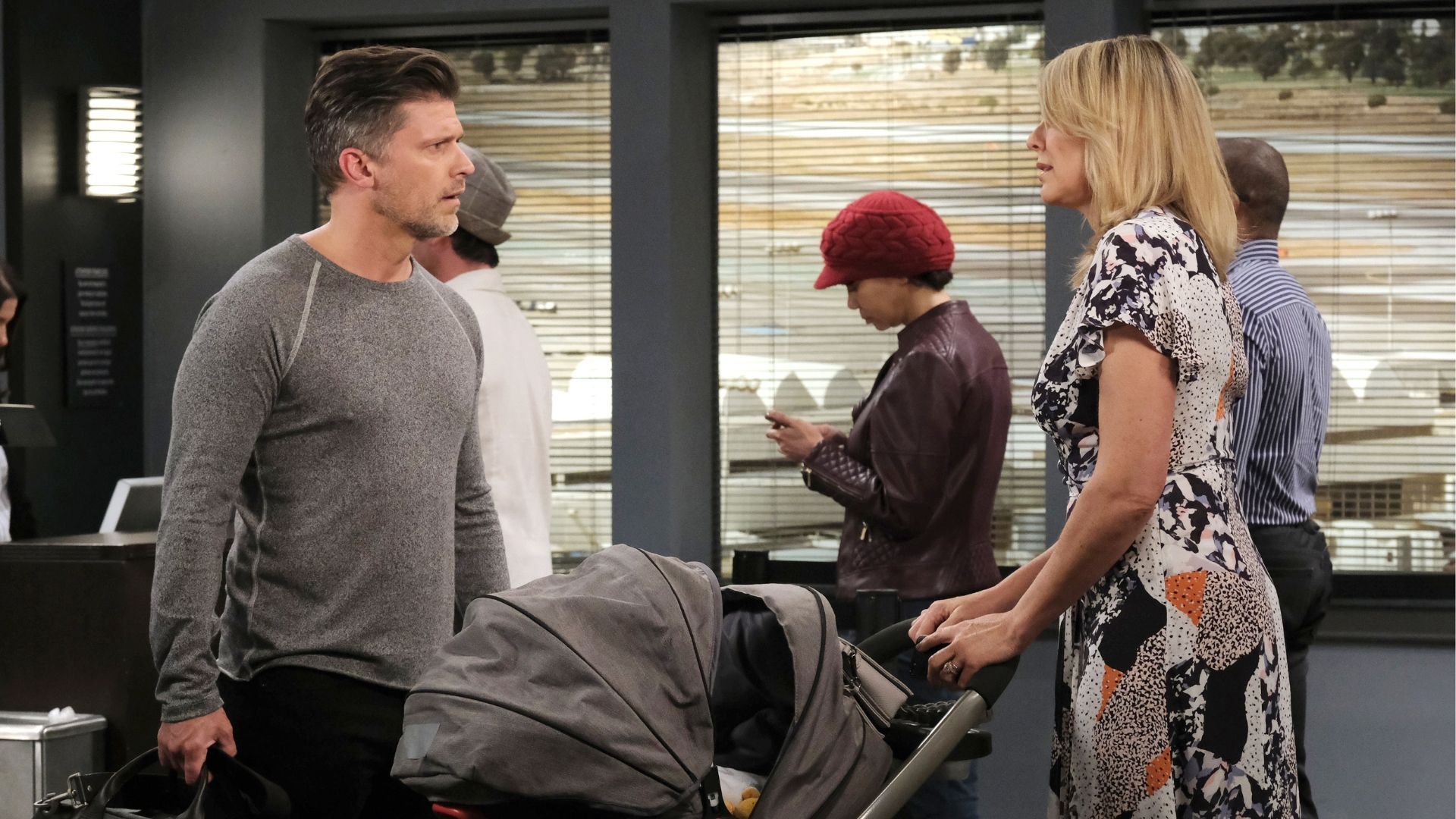
Arianne Zucker made her debut on the long-running NBC daytime drama Days of Our Lives in 1998, originating the role of Nicole Walker. Her introduction as a complex, nuanced character marked a significant turning point for the series’ storytelling, as Zucker’s portrayal quickly transformed Nicole from a temporary guest role into one of the most enduring and controversial figures in the fictional town of Salem.
The Context of Daytime Television in 1998
To understand the significance of Arianne Zucker’s arrival, one must consider the landscape of daytime television in the late 1990s. Days of Our Lives (DOOL) was in a period of intense narrative competition, balancing legacy characters with the need for fresh, disruptive forces. The soap opera genre relied heavily on the "schemer" archetype—a character who could drive plot lines through manipulation, moral ambiguity, and secret-keeping.
When casting for the role of Nicole Walker, producers sought an actor capable of conveying vulnerability beneath a hardened, opportunistic exterior. Zucker, who had been working in modeling and commercial acting, auditioned and secured the role, bringing a physical presence and an unpredictable acting style that separated Nicole from the traditional villains of the era. Her debut occurred during a time when Days of Our Lives was leaning into more mature themes, making the character of Nicole, a woman struggling with poverty and a desire for social advancement, a perfect fit for the unfolding scripts.
The Character of Nicole Walker at Inception
The Nicole Walker who appeared on screen in 1998 was not the multi-dimensional anti-heroine fans would eventually embrace over the following decades. Initially, Nicole was positioned as a catalyst for conflict, primarily orbiting the established character of Eric Brady. The narrative arc surrounding her debut focused on her socioeconomic desperation and her willingness to manipulate romantic connections to escape a difficult background.
Zucker’s performance was noted for its departure from the "damsel in distress" tropes common in 1990s soaps. Nicole was active rather than passive; she initiated schemes and took risks that often backfired, creating the "love-to-hate" dynamic that keeps viewers engaged. By the end of 1998, the audience had witnessed a transformation where Nicole was not merely a plot device, but a character whose history—specifically the revelation of her troubled upbringing—began to inform her subsequent actions.
Professional Growth and Production Dynamics
Joining a show as established as Days of Our Lives in the late 1990s presented unique challenges for a new actor. The production pace of daytime television is notoriously demanding, requiring actors to memorize massive amounts of dialogue daily while maintaining emotional consistency across fragmented filming schedules. Zucker’s transition from modeling to a high-pressure contract role required rapid professional adaptation.
Her early years on the set established a rapport with veteran cast members who had been with the show for years, such as Drake Hogestyn and Deidre Hall. The collaborative environment of the Salem set necessitated that Zucker learn to navigate character-driven storytelling, where the writers frequently shifted trajectories based on audience feedback. Her ability to pivot Nicole’s motivations while maintaining the core "truth" of the character—her deep-seated insecurity and hunger for validation—allowed her to secure her position on the show past her initial contract.
Comparative Analysis of Character Introductions
In the history of Days of Our Lives, many characters have entered with grand entrances, but few have sustained the longevity of Nicole Walker. The following table compares Nicole Walker’s introduction to other significant character archetypes often introduced in the late 90s to highlight why Zucker’s tenure became a benchmark for character development.
| Feature | Nicole Walker (1998) | Typical 90s Soap Antagonist |
|---|---|---|
| Primary Motivation | Social mobility & survival | Vengeance or simple greed |
| Moral Alignment | Gray (Anti-Heroine) | Black and White (Villain) |
| Longevity | Permanent cast member | Often temporary/arc-based |
| Relationship Scope | Intertwined with legacy families | Singular target |
| Development | High (Growth over time) | Low (Stagnant archetype) |
The Impact on Salem’s Narrative Structure
Arianne Zucker’s 1998 debut fundamentally altered the chemistry of the Brady family storylines. By inserting Nicole into the orbit of Eric Brady, the writers introduced a source of conflict that relied on deception rather than supernatural or external forces, which were common themes in Days of Our Lives during the late 90s. This "grounded" the conflict, making the character of Nicole feel more relatable to the audience.
Her presence necessitated that other characters respond to her, often forcing them to reveal their own hidden biases or moral failings. This ripple effect is the hallmark of a successful character introduction. Zucker managed to portray a character who was constantly being exposed, yet consistently finding ways to rebuild, which provided the writing team with endless opportunities for drama. This resilience became the defining characteristic of Nicole Walker and the primary reason the character survived the frequent "reboots" and cast rotations that often plague long-running daytime dramas.
Prerequisites and Expectations for Soap Actors in the 90s
Entering the Days of Our Lives cast in 1998 required more than just acting ability; it required a commitment to the "daytime machine." New actors were expected to:
- Understand Character Continuity: Maintain the character's internal logic even when scripts shifted.
- Engagement with Fandom: Participate in the early days of soap opera internet communities and fan events.
- High-Volume Memorization: Manage scripts that sometimes exceeded 30–50 pages of dialogue per day.
- Physicality: Convey emotion through the specific blocking requirements of a multi-camera studio set.
Zucker’s success in meeting these expectations ensured her place in the show’s legacy. She navigated the transition from a newcomer to a pillar of the show, a trajectory that is rare in the competitive landscape of network television.
Frequently Asked Questions
Was Nicole Walker intended to be a permanent character in 1998?
No. Like many characters introduced during that era, Nicole Walker was originally conceived as a short-term antagonist to complicate the lives of the primary couple. It was the positive audience reception and the chemistry Zucker developed with the cast that prompted the producers to extend her contract, eventually leading to her becoming a permanent fixture in Salem.
How did Arianne Zucker’s background influence her performance?
Zucker’s background in modeling provided her with a specific poise and physical awareness that helped in the "glamorous but troubled" archetype. However, her professional training allowed her to strip away that polish when the script required Nicole to be at her lowest point, creating a dichotomy that became central to the character’s popularity.
How did the 1998 storylines establish the character’s future?
The 1998 stories set the precedent that Nicole would constantly fight for a place in "high society" while being held back by her past secrets. This cycle of striving, failing, and reinventing herself provided the narrative DNA for every major story arc the character participated in for the following two decades.
Is the original 1998 footage of the debut still accessible?
Yes, various segments from the 1998 broadcast season are preserved in archives and via digital fan-curation projects. While official, complete high-definition remasters of individual 1998 episodes are rarely released as standalone products, archival footage of specific character debuts is maintained by the show's production history documentation and streaming syndication services.
Practical Guidance for Researching Historical Soap Arcs
For those interested in exploring the history of Arianne Zucker or Days of Our Lives, it is best to utilize databases dedicated to daytime television. Sites like SoapCentral and various fan-run wikis provide chronological episode guides. When conducting research:
- Focus on character entry dates: Use these as anchors to find the corresponding episode summaries.
- Review contemporary news: Look for trade publications from 1998 to see how the industry reported on new casting at the time.
- Cross-reference with legacy actor interviews: Many veteran actors have provided retrospective interviews about the "new cast" of the late 90s, offering first-hand context on the atmosphere on set.
Conclusion and Next Steps
Arianne Zucker’s 1998 debut remains a pivotal moment in the history of Days of Our Lives. It serves as an example of how a singular casting choice can shift the trajectory of a show for years to come. For fans and researchers, studying the arrival of Nicole Walker provides a window into the narrative strategies of the late 90s, where daytime drama sought to reinvent its villainy through complexity. To continue your exploration, you may wish to view the late 1998 episode archives to observe the specific blocking and character interactions that solidified Nicole Walker’s place in the Salem canon.