Aquatech basement waterproofing and foundation repair services provide specialized engineering and construction interventions designed to prevent water intrusion, stabilize structural settling, and remediate moisture-related damage in crawlspaces and subterranean living areas. These services address the root causes of hydrostatic pressure, soil expansion, and drainage failure to protect the structural integrity and air quality of residential properties.
Understanding the Mechanics of Water Intrusion
Water is the primary adversary of residential foundations. Whether through the freeze-thaw cycles of northern climates or the expansive clay soils of warmer regions, moisture eventually finds a path into the structure. The "Aquatech" approach typically involves a systematic evaluation of how water interacts with your specific building envelope.
Basement waterproofing is rarely about applying a single sealant to a wall; it is a multi-layered drainage system designed to manage water before it reaches the interior. Foundation repair, conversely, addresses the movement of the concrete itself, often caused by the very soil conditions that allow water intrusion. When a foundation shifts, cracks form; when cracks form, water enters. This creates a feedback loop of structural degradation that requires both waterproofing and physical stabilization to resolve.
Core Services in Foundation and Crawlspace Repair
Professional service providers in this sector generally categorize their interventions into three pillars: drainage management, structural stabilization, and environmental control.
1. Interior and Exterior Drainage Systems
The most effective way to keep a basement dry is to manage hydrostatic pressure—the force exerted by water trapped in the soil against your foundation walls and floor.
- Interior Sub-Slab Drainage: A trench is cut into the basement floor perimeter, and a perforated drainage pipe is installed in a bed of washed gravel. This pipe captures water entering through the floor-wall joint and directs it to a sump pump basin.
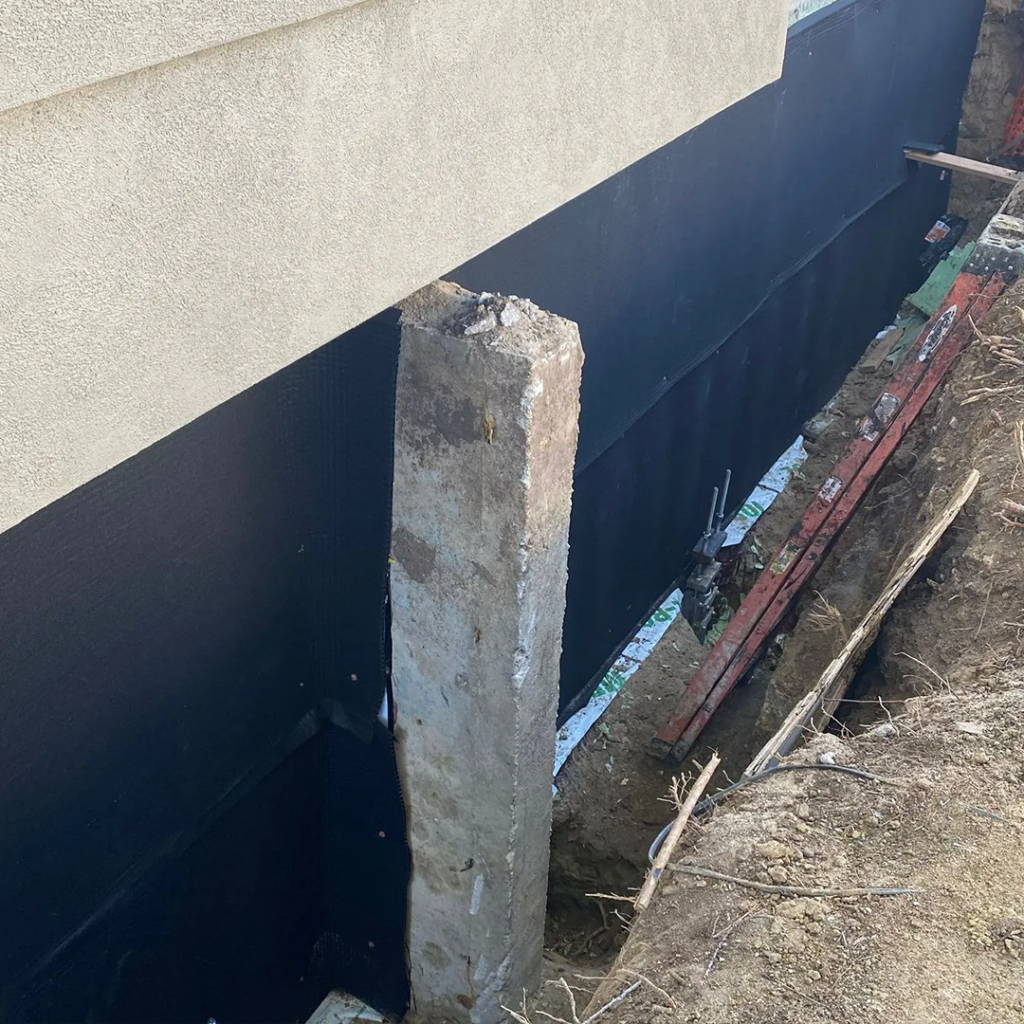
- Exterior Waterproofing Membranes: This involves excavating the soil around the exterior foundation wall, applying a heavy-duty bituminous or rubberized membrane, and installing high-capacity drainage boards. This physically prevents water from touching the concrete surface.
2. Foundation Stabilization
If your home has developed horizontal cracks, stair-step masonry fissures, or uneven floors, the foundation may be failing.
- Helical Piers and Push Piers: These are steel shafts driven into the stable strata beneath the home to support the weight of the structure and, in some cases, lift it back toward its original elevation.
- Carbon Fiber Straps: For bowing basement walls, high-tensile carbon fiber straps are bonded to the interior wall surface, preventing further inward movement without the need for massive steel beam reinforcement.
3. Crawlspace Encapsulation
Crawlspaces are often neglected, yet they directly impact the indoor air quality of the floors above. Encapsulation involves installing a heavy-duty vapor barrier (typically 12 to 20 mil thick) across the floor and walls of the crawlspace, sealed at the seams. Combined with dehumidification, this eliminates high-humidity conditions that lead to mold growth and wood rot.
Comparison of Remediation Methods
| Method | Primary Purpose | Cost Intensity | Ideal Scenario |
|---|---|---|---|
| Interior Drainage | Water management | Moderate | Recurring dampness/seepage |
| Exterior Membrane | Prevention | High | Major cracks/earth-retaining needs |
| Helical Piers | Structural support | Very High | Significant sinking/settlement |
| Encapsulation | Humidity control | Moderate | Moldy, musty crawlspaces |
The Importance of Diagnostic Testing
Before committing to any repair, a qualified technician must perform a diagnostic assessment. This is not merely a visual inspection but a technical evaluation of the building’s interaction with the surrounding geology.
An experienced contractor will look for "efflorescence"—a white, powdery deposit on concrete—which indicates that water has been traveling through the material and leaving behind minerals. They will also use moisture meters to determine if the dampness is due to active leakage or condensation. Distinguishing between these two is critical; installing a drainage system will not fix a condensation problem caused by poor ventilation, just as a dehumidifier will not stop a crack that is actively leaking groundwater.
Safety and Professional Limitations
It is important to recognize the jurisdictional and safety boundaries of these services. Foundation work is highly regulated in most regions due to the danger of structural failure. Any work involving the lifting of a home or the alteration of load-bearing elements should be permitted and inspected by local building officials.
Furthermore, these services are not a substitute for proper site grading. If your gutters discharge water directly next to your foundation, no amount of interior waterproofing will fully solve your moisture issues. Proper surface drainage—extending downspouts at least six to ten feet away from the home and ensuring the soil slopes away from the foundation at a minimum of one inch per foot for the first six feet—is the essential prerequisite for any successful basement project.
Common Pitfalls and Troubleshooting
Many homeowners attempt to "seal" their basement from the inside using paint-on waterproofing coatings. In nearly all cases, this is a temporary fix at best. These coatings trap moisture within the concrete wall, often leading to spalling, where the surface of the concrete flakes off as the moisture tries to escape.
If you are currently experiencing water issues, follow this logical sequence:
- Check the Exterior: Ensure downspouts and grading are directing water away.
- Verify Sump Pump Functionality: If you have an existing pump, ensure it is clear of debris and that the discharge line is not frozen or blocked.
- Monitor for Weather Correlation: Track whether leaks occur during heavy rain (suggesting hydrostatic pressure) or during humid summer months (suggesting condensation).
- Consult a Professional: Obtain a formal proposal that addresses the "why" of the problem, not just the "what."
Frequently Asked Questions
Does a sump pump guarantee a dry basement? No. A sump pump is merely a mechanical component of a larger drainage system. If the interior or exterior perimeter drains are clogged, the water will never reach the sump pit, rendering the pump useless.
Is crawlspace encapsulation worth the investment? Yes, if you struggle with musty odors, high humidity, or high energy bills. By sealing the space from ground moisture, you improve the energy efficiency of the floors above and prevent structural wood decay.
How do I know if my foundation crack is serious? Vertical cracks caused by shrinkage are often benign, whereas horizontal cracks or "stair-step" cracks in mortar joints typically indicate structural movement caused by soil pressure or settling, which requires immediate professional evaluation.
Can foundation repair be performed in the winter? Many exterior methods are restricted by frozen ground. However, interior waterproofing and certain structural stabilization methods, such as carbon fiber installation, can often be performed year-round.
How long do these systems last? Well-installed interior drainage systems and carbon fiber reinforcements can last for the lifetime of the structure, provided the sump pump is maintained and the exterior grading is managed to reduce the load on the system.
Recommended Next Actions
If you suspect foundation or waterproofing issues, schedule a professional assessment. Ask the service provider to identify the source of the water and provide a detailed plan that prioritizes surface-level drainage corrections before proposing invasive, expensive internal repairs. Ensure all work is covered by a transferable warranty, which is a standard expectation in the foundation repair industry in 2026.