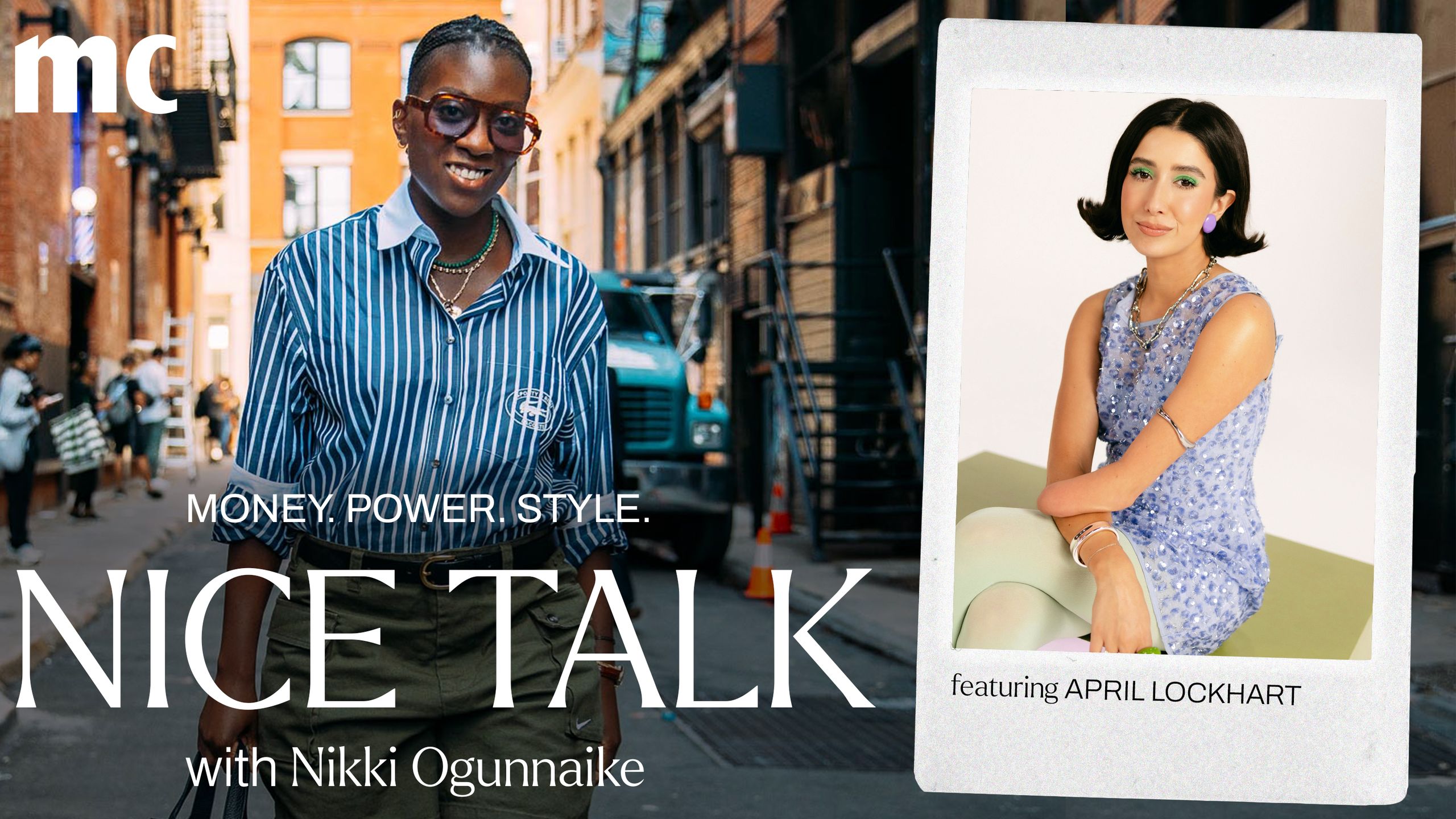
April Lockhart is a prominent adaptive fashion influencer and content creator dedicated to increasing disability representation in the global style industry. Through her influential "Normalizing 1 Hand" series, she bridges the gap between high-fashion aesthetics and functional inclusivity, advocating for universal design principles that serve the millions of adults living with disabilities.
The fashion landscape in 2026 has undergone a seismic shift toward inclusivity, and few individuals have been as central to this transformation as April Lockhart. Born with symbrachydactyly—a condition that resulted in her being born without a left hand—Lockhart has leveraged her background in public relations and digital storytelling to challenge the industry's historical exclusion of disabled bodies. Her work transcends simple product promotion; it is a technical and cultural critique of how clothing is engineered, marketed, and consumed.
The Intersection of Aesthetics and Accessibility
For decades, "adaptive clothing" was synonymous with medical-grade garments that prioritized function over form. These items often lacked the trend-responsiveness and aesthetic appeal found in mainstream retail. April Lockhart’s primary contribution to the niche is the insistence that style and accessibility are not mutually exclusive.
In 2026, the adaptive fashion market is valued at over $400 billion globally, driven by a consumer base that demands the same "cool factor" found in non-adaptive collections. Lockhart’s content highlights that adaptive fashion is not a separate category of clothing but rather an evolution of garment construction. By focusing on high-end aesthetics, she has forced luxury and contemporary brands to reconsider their design DNA.
Technical Elements of Adaptive Design
To understand Lockhart’s impact, one must understand the technical barriers she identifies in standard apparel. Her reviews often dissect the "pain points" of traditional fashion, such as:
- Fasteners and Closures: Standard buttons, small clasps, and back-facing zippers present significant hurdles for individuals with limb differences or limited dexterity.
- Fabric Tension and Stretch: The need for materials that allow for easy dressing without losing structural integrity over time.
- Seam Placement: Reducing friction and pressure points for those who use mobility aids or have sensory sensitivities.
By showcasing how she navigates these challenges, Lockhart provides a roadmap for designers to implement "Universal Design"—a framework where products are created to be usable by all people, to the greatest extent possible, without the need for adaptation or specialized design.
Normalizing 1 Hand: A Case Study in Digital Advocacy
The "Normalizing 1 Hand" series remains Lockhart’s most significant cultural contribution. Launched on platforms like TikTok and Instagram, the series utilizes the "Get Ready With Me" (GRWM) format to demystify the daily life of a person with a limb difference. However, unlike traditional disability content that might lean into "inspiration porn," Lockhart’s approach is matter-of-fact and fashion-forward.
Impact on Brand Perception
Lockhart’s influence is evidenced by her extensive portfolio of brand partnerships. In recent years, she has collaborated with major retailers such as Victoria’s Secret, Madewell, and Amazon. These partnerships are rarely superficial; she often acts as a consultant, providing feedback on how magnetic closures or side-seam openings can be integrated into existing silhouettes without compromising the brand's visual identity.
Her work with Victoria’s Secret on their adaptive intimate apparel line was a turning point. It demonstrated that even the most "aesthetic-first" brands could integrate accessibility. Lockhart’s role was to prove that disabled consumers are not a monolithic group looking for utility, but a diverse audience seeking empowerment and self-expression through their clothing.
The Economic Power of the "Purple Pound"
In 2026, the "Purple Pound"—the spending power of disabled households—is a critical metric for retail growth. April Lockhart has become a primary bridge between this underserved market and corporate boardrooms.
| Feature Category | Traditional Fashion Standards | Adaptive Standards (Influenced by Lockhart) |
|---|---|---|
| Fasteners | Traditional buttons, hook-and-eye | Magnetic closures, easy-pull zippers, Velcro |
| Ease of Entry | Over-the-head, narrow leg openings | Side-seam openings, wrap-around styles |
| Seated Comfort | High-back waistbands, front pocketing | Higher back rise, removed rear pockets for wheelchair users |
| Aesthetic Goal | Uniformity and trend-replication | Trend-forward designs with hidden functionality |
| Sizing | Standardized linear grading | Inclusive grading considering prosthetic use or limb variance |
The table above illustrates the technical shifts Lockhart advocates for. By highlighting these differences, she helps brands understand that adaptive fashion is a lucrative investment, not a charitable endeavor.
Overcoming Tokenism in the Influencer Space
One of the greatest challenges Lockhart has faced—and continues to address in 2026—is the risk of tokenism. Brands often seek to feature disabled creators in a single campaign to satisfy Diversity, Equity, and Inclusion (DEI) quotas without making structural changes to their product lines.
Lockhart’s strategy involves long-term advocacy. She emphasizes that representation must occur at every level of the fashion ecosystem:
- In the Design Room: Hiring disabled designers and consultants.
- In the Supply Chain: Ensuring that adaptive components (like specialized magnets) are sourced sustainably and affordably.
- On the Runway: Making fashion shows physically accessible for models and attendees.
- In Digital Marketing: Ensuring websites are compatible with screen readers and that alt-text is used for all imagery.
Her background in PR at companies like Caudalie provided her with the corporate vocabulary necessary to navigate these high-level discussions. She speaks the language of ROI (Return on Investment) while maintaining her authenticity as a member of the disability community.
Navigating the Future: Adaptive Fashion in 2026 and Beyond
As we look at the current state of the industry, April Lockhart’s trajectory suggests a move toward even greater integration. The goal, as she often states, is a world where the "adaptive" label is no longer necessary because accessibility is baked into the standard manufacturing process.
The Role of Technology and AI
In 2026, technology has become a major ally in Lockhart’s mission. AI-driven sizing tools now allow users to input specific physical requirements—such as the need for one-handed closures—to receive personalized garment recommendations. Lockhart has been at the forefront of testing these technologies, ensuring that the algorithms are trained on diverse body types rather than idealized versions of the "standard" consumer.
Furthermore, 3D printing has revolutionized the creation of bespoke adaptive tools. Lockhart often showcases how small, 3D-printed accessories can make non-adaptive garments accessible, further proving that innovation is the key to inclusivity.
Practical Guidance for Inclusive Creators and Brands
For those looking to follow in Lockhart’s footsteps or for brands seeking to improve their inclusivity, her career offers several vital lessons:
- Authenticity Over Perfection: Lockhart’s videos often show the struggle of zipping a dress or putting on jewelry. This vulnerability builds trust with the audience and highlights the genuine need for better design.
- Focus on the "How," Not Just the "What": Don't just show a product; explain the mechanical advantage it provides.
- Engage with the Community: Lockhart’s comment sections are a hub for feedback. She listens to the specific needs of her followers, which in turn informs the advice she gives to brands.
- Consistency in Advocacy: Inclusion shouldn't be reserved for Disability Pride Month. Lockhart maintains her focus year-round, ensuring the conversation never loses momentum.
Frequently Asked Questions
What is April Lockhart’s "Normalizing 1 Hand" series?
The "Normalizing 1 Hand" series is a social media initiative started by April Lockhart to provide visibility for people with limb differences. It features style tips, daily life hacks, and fashion reviews that highlight how she navigates a world designed for two-handed individuals. The series has been instrumental in pushing brands toward more inclusive design practices.
Why is adaptive fashion gaining traction in 2026?
Adaptive fashion is gaining traction due to a combination of increased social advocacy and the recognition of the disability community’s massive economic power. Brands have realized that inclusive design benefits not only disabled individuals but also the elderly and people with temporary injuries, broadening their total addressable market.
How does April Lockhart collaborate with major fashion brands?
Lockhart typically collaborates with brands in a dual capacity: as a face of marketing campaigns and as a technical consultant. She provides feedback on garment construction, testing prototypes for ease of use, and ensuring that marketing materials accurately and respectfully represent the disabled experience.
What are common features of adaptive clothing?
Common features include magnetic buttons instead of traditional ones, side-entry openings for trousers, elasticated waistbands, sensory-friendly fabrics (no tags or flat seams), and modified silhouettes for those who spend their day in a seated position (such as wheelchair users).
Can non-disabled people wear adaptive fashion?
Yes. Many adaptive features, such as magnetic closures or high-stretch fabrics, offer "universal convenience." This concept, often called the "Curb Cut Effect," suggests that designs created for people with disabilities often end up benefiting everyone.
Next Steps for the Adaptive Movement
For consumers, the most effective next step is to support brands that prioritize inclusive design and to vocalize the need for accessibility features in feedback surveys. For industry professionals, the goal should be to move beyond representation and toward participatory design, where disabled voices are included at the very beginning of the creative process.
April Lockhart’s journey from a PR professional to a global fashion authority serves as a blueprint for how individual advocacy can spark systemic change. As the industry continues to evolve in 2026, her influence remains a guiding light for a future where fashion truly is for everyone.