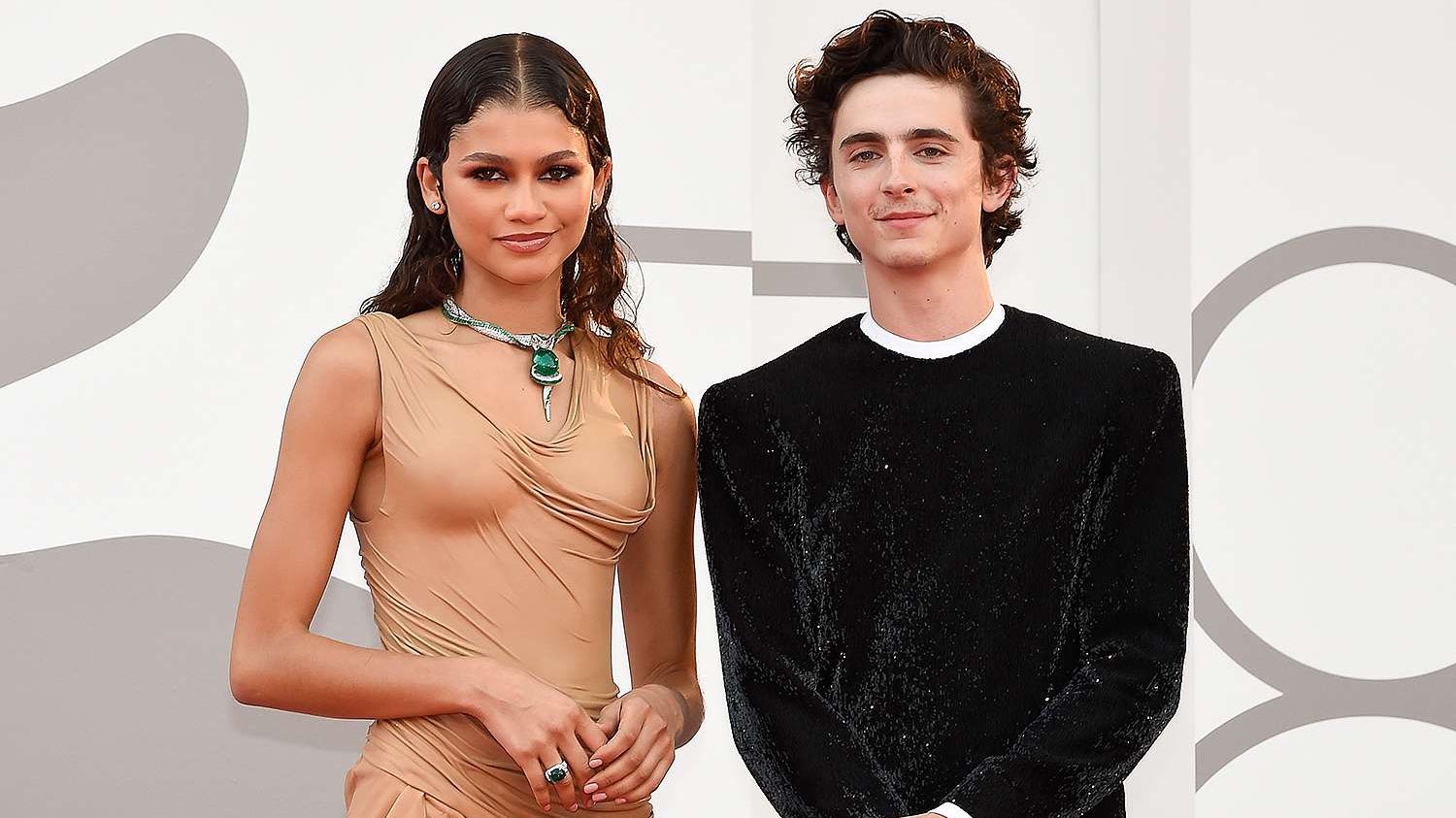
Anya Taylor-Joy and Timothée Chalamet share a profound connection that transcends their roles as the Atreides siblings in the Dune franchise. Their bond is rooted in nearly a decade of parallel career ascents, shared circles of elite Hollywood talent, a mutual status as high-fashion icons, and a deep-seated respect for transformative acting.
Since the seismic impact of Dune: Part Two in 2024, the cinematic landscape has been captivated by the synergy between Anya Taylor-Joy and Timothée Chalamet. While audiences were initially shocked by Taylor-Joy’s surprise cameo as Alia Atreides—the sister to Chalamet’s Paul Atreides—industry insiders have long noted that these two stars share much more than a screen. As we look back from the perspective of 2026, their individual trajectories and collaborative moments represent a specific shift in Hollywood: the rise of the "Auteur Movie Star," where technical skill is matched by a distinct, almost ethereal public persona.
The connection between Taylor-Joy and Chalamet is not merely a product of clever casting; it is a convergence of two careers that began in the mid-2010s indie scene and reached a fever pitch in the mid-2020s. To understand why their pairing is so significant, one must look at the technical, professional, and personal threads that weave their stories together.
The Secret Intersection: Dune: Part Two and the Atreides Legacy
The most tangible evidence of their shared screen presence occurred in Denis Villeneuve’s Dune: Part Two. For months leading up to the film's release in March 2024, the production kept Taylor-Joy’s involvement under a strict veil of secrecy. It wasn't until the London premiere that her role as Alia Atreides was confirmed, sparking a frenzy among fans who had long hoped to see the two actors collaborate.
In the narrative of Dune, Alia Atreides is a character of immense power—a "pre-born" child with the ancestral memories of all those who came before her. Choosing Taylor-Joy to play the adult version of Paul’s sister (appearing in a prescient vision) was a masterstroke of casting. Both Chalamet and Taylor-Joy possess a striking, somewhat otherworldly aesthetic that makes their biological connection in the film entirely believable.
Technical Synergy in Performance
On a technical level, both actors utilize a "less is more" approach to high-stakes drama. Chalamet’s portrayal of Paul Atreides relies heavily on internal conflict and subtle facial shifts, a necessity when playing a character burdened by the weight of destiny. Similarly, Taylor-Joy has been praised since her debut in The Witch (2015) for her ability to communicate volumes through her eyes. When they appear together, even briefly, there is a shared frequency in their acting styles—a "technical shorthand" that allows them to match the epic scale of Villeneuve's world without overacting.
Parallel Ascensions: From Indie Darlings to Global Icons
The shared history of Taylor-Joy and Chalamet begins long before they reached Arrakis. Both actors were the "breakout stars" of the mid-2010s, earning their stripes in demanding independent films that prioritized atmosphere and character depth over traditional blockbuster tropes.
- Anya Taylor-Joy: Her breakthrough came in Robert Eggers' The Witch. Her performance was grounded, terrifying, and signaled the arrival of a performer who could handle complex, period-accurate dialogue.
- Timothée Chalamet: His ascent was cemented with Luca Guadagnino’s Call Me by Your Name (2017). His portrayal of Elio Perlman earned him an Academy Award nomination and established him as the leading man for a new generation of cinema.
Throughout the late 2010s and early 2020s, they followed similar paths. Both avoided being pigeonholed into a single genre. Taylor-Joy moved from the horror of Split to the stylized period drama of The Queen’s Gambit and the high-octane action of Furiosa: A Mad Max Saga. Chalamet pivoted from the historical weight of The King to the whimsical world of Wonka. By 2026, it is clear that both actors prioritize working with "visionary" directors—Eggers, Villeneuve, Gerwig, Miller, and Guadagnino—rather than chasing generic commercial hits.
The "New Hollywood" Ecosystem
Beyond their individual filmographies, Taylor-Joy and Chalamet belong to an elite peer group often referred to as the "New Hollywood Brat Pack." This group includes figures like Zendaya, Florence Pugh, Austin Butler, and Saoirse Ronan. These actors don't just work together; they share a social and professional ecosystem that has redefined celebrity in the 2020s.
They are frequently seen together at major industry events, such as the Met Gala and the Academy Awards, where their interactions suggest a genuine camaraderie. For Chalamet and Taylor-Joy, this shared circle provides a support system for navigating the unique pressures of global stardom. They share the same stylists, publicists, and often, the same anxieties about the future of the theatrical experience. This mutual understanding creates a "more than a screen" bond; they are contemporaries who are collectively carrying the torch for the next fifty years of cinema.
Fashion as a Shared Language
One cannot discuss Anya Taylor-Joy and Timothée Chalamet without addressing their impact on global fashion. Both have moved beyond being "well-dressed" to becoming legitimate muses for high-fashion houses.
Taylor-Joy, as a global ambassador for Dior, has mastered a brand of "dark elegance" that mirrors her film roles. Her red carpet appearances are often treated as performance art, utilizing vintage silhouettes and bold, avant-garde makeup. Chalamet, conversely, has redefined masculinity on the red carpet. Whether wearing backless Haider Ackermann or acting as the face of Bleu de Chanel, he has pioneered a fluid, adventurous style that has influenced the entire industry.
Their shared status as fashion icons means they are frequently the centerpieces of the same marketing campaigns and editorial spreads. This visual synergy reinforces the public perception that they are two sides of the same coin—modern, daring, and unapologetically unique.
| Feature | Anya Taylor-Joy | Timothée Chalamet |
|---|---|---|
| Breakout Year | 2015 (The Witch) | 2017 (Call Me by Your Name) |
| Dune Character | Alia Atreides | Paul Atreides |
| Major Awards | Golden Globe Winner, Emmy Nominee | Academy Award Nominee, BAFTA Nominee |
| Primary Fashion Tie | Dior Ambassador | Chanel / Haider Ackermann Muse |
| Recent Major Project (2024-2025) | Furiosa: A Mad Max Saga | A Complete Unknown (Bob Dylan Biopic) |
| Acting Style | High-expressivity, period-specialist | Internalized, physical transformation |
Navigating the 2026 Cinematic Landscape
As we move through 2026, the careers of both actors have reached a point of maturity. Taylor-Joy has established herself as a versatile powerhouse capable of leading massive franchises while maintaining her "indie" credibility. Chalamet has successfully transitioned from the "heartthrob" phase of his career into a respected character actor with significant box-office draw.
Their shared presence in the Dune universe remains a high-water mark for fans. While Dune: Messiah (the potential third installment) remains a subject of intense speculation, the possibility of seeing Paul and Alia interact on screen again—this time with both actors in their prime—is one of the most anticipated prospects in film.
The "more than a screen" aspect also refers to their influence on the business of Hollywood. Both actors have begun to take more active roles in production and project development. They are not just "talent for hire" anymore; they are architects of their own careers, often bringing in the directors and writers they want to work with. This level of agency is rare and further cements their status as the dominant figures of their generation.
The Personal Connection: Friendships and Mutual Respect
While the internet often speculates on the personal lives of stars, the relationship between Taylor-Joy and Chalamet appears to be one of deep, platonic respect. Taylor-Joy has often spoken in interviews about the importance of her friendships within the industry, noting that having peers who understand the specific "madness" of a film set is invaluable.
Chalamet, likewise, has expressed admiration for Taylor-Joy’s work ethic and presence. During the press tour for Dune: Part Two, although they were careful not to spoil the cameo, the cast often spoke about the "family atmosphere" on set. This sense of community is vital in an industry that can often feel isolating. By sharing the burden of high-profile franchises, they have formed a bond that is both professional and supportive.
Frequently Asked Questions
Did Anya Taylor-Joy and Timothée Chalamet film scenes together for Dune: Part Two?
Most of Anya Taylor-Joy's scenes in Dune: Part Two were filmed in extreme secrecy. While her character, Alia, appears as a vision to Paul (Chalamet), her presence was largely ethereal. However, the conceptual and narrative connection between their characters required them to be in close communication regarding the tone and "Atreides family traits" they both needed to exhibit.
Are Anya Taylor-Joy and Timothée Chalamet friends in real life?
Yes, they are known to be friendly colleagues who move in the same social and professional circles. They share many mutual friends, including Florence Pugh and Zendaya. While they are not "best friends" in the traditional sense, they share a deep mutual respect and often support each other's work publicly at premieres and awards shows.
Have they worked together on any other projects?
As of early 2026, Dune: Part Two is their most notable collaboration. However, given their similar tastes in directors and their status as top-tier talent, industry rumors frequently link them to upcoming prestige dramas and high-concept sci-fi projects.
Why was Anya Taylor-Joy’s role in Dune kept a secret?
Director Denis Villeneuve and the production team wanted to preserve the "wonder" of the cinematic experience. By keeping Taylor-Joy’s casting as Alia Atreides a secret until the very last moment, they created a genuine "event" moment for audiences, enhancing the mystical and prophetic nature of the film.
What are their most successful movies to date?
For Anya Taylor-Joy, The Queen's Gambit (limited series), The Menu, The Witch, and Furiosa are her most critically and commercially successful works. For Timothée Chalamet, Call Me by Your Name, Little Women, Dune, and Wonka stand out as his career milestones.
Practical Recommendation for Fans and Aspiring Actors
If you are looking to follow the careers of these two icons, the best approach is to monitor the film festivals (Sundance, Cannes, Venice) where they frequently debut their most personal work. For aspiring actors, studying the "career architecture" of Taylor-Joy and Chalamet—specifically their balance of blockbuster roles with challenging indie projects—provides a masterclass in building a sustainable and respected career in the modern era.