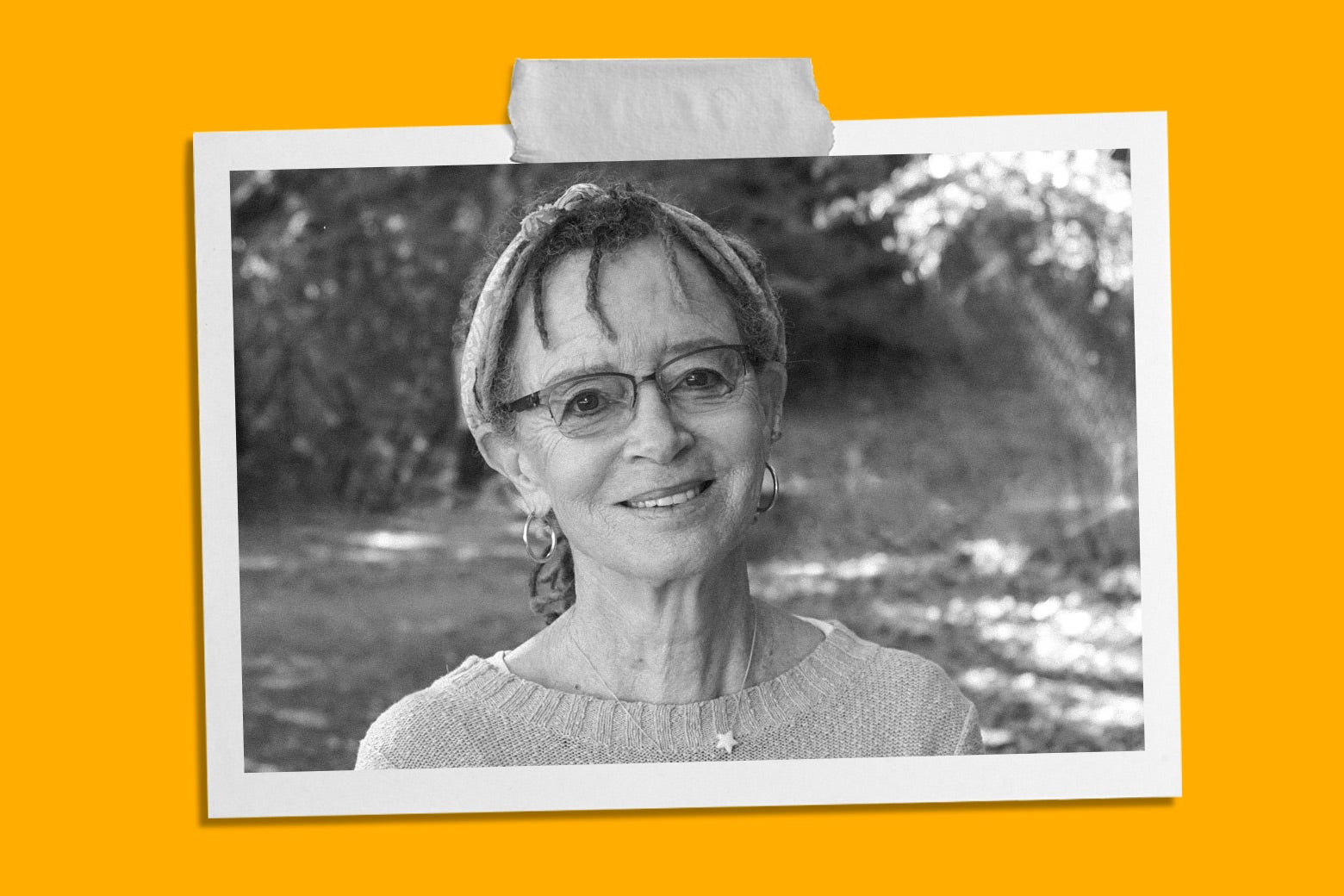
Anne Lamott is a celebrated American novelist, essayist, memoirist, and progressive activist best known for her candid non-fiction books on creative writing, addiction recovery, and spirituality. Works such as Bird by Bird and Operating Instructions earned her widespread acclaim for their radical honesty, self-deprecating humor, and compassionate social advocacy.
Early Life, Background, and Formative Influences
Anne Lamott was born on April 26, 1954, in San Francisco, California, and raised in Marin County. Her upbringing in Northern California heavily shaped her worldview, creative sensibilities, and affinity for countercultural progressive movements. Her father, Kenneth Lamott, was an accomplished writer and journalist whose literary career provided Anne with an early, unfiltered look into the realities of the writing life.
Lamott attended Goucher College in Maryland, where she studied for two years before dropping out to pursue writing full-time. Returning to California, she worked a series of odd jobs—including cleaning houses, typing, and coaching tennis—to support her nascent literary ambitions.
The early years of her career were marked by severe personal trials, including her father's diagnosis with brain cancer and her own struggle with substance abuse. These hardships became the primary catalysts for her earliest writings. Her debut novel, Hard Laughter (1980), was written as a gift to her father following his diagnosis, utilizing humor and emotional openness to cope with family trauma.
Her path to recovery from alcoholism, which began in the mid-1980s, served as a foundational turning point in both her personal life and public profile. The process of becoming sober transformed her perspective, steering her toward an idiosyncratic blend of progressive Christian faith, radical self-acceptance, and social activism that continues to define her public voice.
Literary Legacy and Landmark Non-Fiction Works
While Anne Lamott began her career as a novelist, her non-fiction memoirs and instructional books established her as one of America's most recognizable literary voices. Her writing style is characterized by conversational intimacy, sharp observational humor, and an unwillingness to sanitize messy human emotions.
Key Milestones in Non-Fiction:
- Operating Instructions (1993): Single motherhood & raw vulnerability
- Bird by Bird (1994): Craft of writing & creative perseverance
- Traveling Mercies (1999): Recovery, faith, & progressive theology
- Help, Thanks, Wow (2012): Essential prayer & everyday spirituality
Operating Instructions: A Journal of My Son's First Year (1993)
Written after the birth of her son, Sam, Operating Instructions redefined maternal memoir writing. Lamott resisted idealizing early motherhood, choosing instead to detail the exhaustion, financial insecurity, fear, and profound love that accompanied raising a child as a single mother. Her willingness to share dark thoughts alongside deep devotion resonated strongly with parents looking for realistic portrayals of family life.
Bird by Bird: Some Instructions on Writing and Life (1994)
Widely considered a classic text in creative writing education, Bird by Bird offers practical and emotional guidance for aspiring authors. The title originates from advice Lamott’s father gave her brother, who was overwhelmed by a school report on birds: "Bird by bird, buddy. Just take it bird by bird."
The book demystifies the writing process by breaking it down into manageable components:
- "Shitty First Drafts": Lamott normalizes the messy, unpolished nature of initial drafts, giving writers permission to write poorly as a necessary first step.
- Short Assignments: Encouraging writers to focus on small, specific memories or details—like looking through a one-inch picture frame—rather than the daunting scope of an entire manuscript.
- KFKD Radio: A metaphor for the persistent internal chatter of self-doubt and arrogance that hinders creative production.
Spiritual Memoirs and Modern Non-Fiction
Lamott’s spiritual memoirs, beginning with Traveling Mercies: Some Thoughts on Faith (1999) and continuing through Grace (Eventually) (2007), Help, Thanks, Wow (2012), Dusk, Night, Dawn (2021), and Somehow: Thoughts on Love (2024), explore faith without dogmatic rigidity. She approaches Christian theology through a lens of grace, forgiveness, mercy, and social justice, appealing to both conventional believers and non-traditional spiritual seekers.
Works of Fiction and Key Novels
Although Lamott is widely read for her non-fiction memoirs, her fiction laid the groundwork for her storytelling techniques. Her novels frequently explore theme-heavy subjects like family dysfunctions, illness, recovery, female friendships, and personal redemption.
- Hard Laughter (1980): Her debut novel centers on a family navigating the emotional turmoil of a father’s terminal illness, establishing her signature mix of tragedy and humor.
- Rosie (1983) and All New People (1989): These novels examine coming-of-age experiences, childhood anxieties, and family secrets in Northern California settings.
- Crooked Little Heart (1997): A sequel to Rosie, this book follows a teenage tennis prodigy navigating pressure, competition, and family secrets.
- Blue Shoe (2002): Explores mid-life challenges, infidelity, aging parents, and personal reconstruction following divorce.
- Imperfect Birds (2010): Focuses on the complexities of modern parenting, adolescent substance abuse, and the difficulties of honesty within family relationships.
Across all her novels, Lamott avoids neat resolution in favor of realistic, emotionally nuanced character arcs that reflect the messiness of real life.
Social Activism and Progressive Public Voice
In addition to her career as an author, Anne Lamott is a prominent progressive activist who frequently speaks out on social, political, and environmental issues. Her activism is rooted in her spiritual beliefs, which prioritize care for the vulnerable, social equality, and non-violence.
Core Pillars of Lamott's Activism:
| Activism Domain | Key Focus Areas |
|---|---|
| Social Justice | Anti-poverty initiatives, civil rights |
| Reproductive Freedom | Body autonomy, healthcare access |
| LGBTQ+ Advocacy | Full inclusion in faith & civic communities |
| Addiction & Recovery | De-stigmatization, accessible treatment |
| Environmental Care | Climate action, ecological stewardship |
Intersection of Faith and Progressive Politics
Unlike traditional evangelical figures in American media, Lamott promotes a progressive Christian perspective. She frequently critiques religious conservatism and advocates for an inclusive theology that rejects bigotry, homophobia, and xenophobia. Through essays, public lectures, and social media commentary, she argues that authentic faith must manifest as active compassion for disenfranchised communities.
Key Causes and Public Advocacy
- Reproductive Freedom: Lamott has consistently supported women's bodily autonomy and access to reproductive healthcare, arguing that healthcare choices should remain between individuals and their doctors.
- LGBTQ+ Equality: She has long advocated for the full inclusion of LGBTQ+ individuals in civic life and religious institutions, regularly speaking at progressive faith gatherings.
- Addiction and Mental Health Recovery: Drawing from her personal recovery journey, Lamott works publicly to reduce the stigma surrounding mental illness and substance use disorders, advocating for open dialogue and accessible treatment programs.
- Anti-War and Environmental Advocacy: She actively participated in anti-war demonstrations during the early 2000s and routinely highlights ecological responsibility and climate justice as central moral duties.
Major Published Works Overview
The following table provides a chronological summary of Anne Lamott’s major published works across genres, highlighting their central focus and release periods.
| Book Title | Publication Year | Genre | Primary Themes / Subject Matter |
|---|---|---|---|
| Hard Laughter | 1980 | Novel | Family dynamics, terminal illness, humor in adversity |
| Rosie | 1983 | Novel | Childhood, eccentric family structures, personal resilience |
| Joe Jones | 1985 | Novel | Modern relationships, community, Northern California life |
| All New People | 1989 | Novel | Memory, nostalgia, coming of age in the 1960s |
| Operating Instructions | 1993 | Memoir | Single motherhood, infant care, emotional honesty |
| Bird by Bird | 1994 | Non-Fiction / Writing Guide | Creative writing process, overcoming perfectionism, discipline |
| Crooked Little Heart | 1997 | Novel | Youth sports, coming of age, family secrets |
| Traveling Mercies | 1999 | Memoir | Faith, recovery from addiction, progressive spirituality |
| Blue Shoe | 2002 | Novel | Divorce, aging parents, self-discovery, hidden truths |
| Grace (Eventually) | 2007 | Memoir / Essays | Forgiveness, difficult relationships, everyday spiritual growth |
| Imperfect Birds | 2010 | Novel | Parenting teenagers, addiction, trust within families |
| Help, Thanks, Wow | 2012 | Spiritual Non-Fiction | Prayer, simplicity, handling crisis and gratitude |
| Stitches | 2013 | Non-Fiction / Essays | Finding meaning after tragedy, healing, community |
| Small Victories | 2014 | Essay Collection | Hope, persistence, transformation through small acts |
| Hallelujah Anyway | 2017 | Non-Fiction / Essays | Mercy, radical kindness, empathy in divisive times |
| Almost Everything | 2018 | Non-Fiction / Essays | Hope, surviving modern anxieties, human connection |
| Dusk, Night, Dawn | 2021 | Memoir / Essays | Aging, marriage later in life, maintaining faith through difficulty |
| Somehow: Thoughts on Love | 2024 | Non-Fiction / Essays | Love, vulnerability, emotional healing |
Core Principles of Writing from Bird by Bird
For aspiring writers and literature students, Anne Lamott's Bird by Bird remains a cornerstone text. The book addresses both the practical mechanics of writing and the psychological hurdles associated with the creative process.
Principles of Writing (Bird by Bird):
- Short Assignments: Focus on tiny, manageable details (one-inch picture frame).
- Shitty First Drafts: Write without self-censorship to get ideas on paper.
- Character & Dialogue: Listen carefully to real speech; let characters lead plot.
- Managing Insecurity: Mute the internal critic (turn down "Radio KFKD").
1. The Power of Short Assignments
Lamott advises writers to avoid looking at the entirety of a large project all at once. By focusing on a small, contained assignment—such as describing a single holiday dinner or a single memory—writers can prevent overwhelm and generate momentum.
2. Overcoming Perfectionism Through Rough Drafts
One of Lamott's most cited concepts is the permission to produce messy, unfocused initial drafts. She argues that perfectionism is the primary enemy of creativity, blocking writers from exploring ideas fully. The first draft is merely the process of down-storytelling; editing and revision transform it into art.
3. Attentive Listening and Character Development
Lamott emphasizes that compelling characters are born from quiet observation. Instead of forcing characters into rigid plotlines, writers should pay close attention to real human behavior, speech patterns, and contradictions, allowing characters to drive the narrative forward naturally.
Honors, Recognition, and Cultural Impact
Over four decades of public writing and advocacy, Anne Lamott has earned numerous literary honors and cultural distinctions:
- Guggenheim Fellowship (1985): Awarded early in her career in recognition of exceptional creative achievement in fiction.
- California Hall of Fame Induction (2010): Inducted alongside other prominent Californians for her contributions to American literature and public culture.
- TED Speakers Network: Her 2017 TED Talk, "12 truths I learned from life and writing," garnered millions of views worldwide, expanding her reach to international audiences.
Her influence extends beyond traditional book publishing. Lamott's open discussions about alcoholism, depression, and single parenthood helped pave the way for modern memoirists who emphasize vulnerability over polished heroism. Her blend of humor and spirituality established a template for contemporary creative non-fiction.
Frequently Asked Questions
What is Anne Lamott's most famous book?
While she has written numerous bestsellers, Bird by Bird: Some Instructions on Writing and Life (1994) is widely considered her most famous and influential work. It is used in university creative writing programs across the globe. Her 1993 memoir Operating Instructions also remains widely read.
What is the main message of Bird by Bird?
The core message of Bird by Bird is that writing—and managing life's challenges—is best approached incrementally, one small step at a time. It emphasizes overcoming perfectionism, allowing oneself to write rough first drafts, and maintaining discipline through focused, short assignments.
How does Anne Lamott approach faith and religion?
Anne Lamott practices a non-dogmatic, progressive form of Christianity. She openly discusses her personal doubts, flaws, and unconventional spiritual journey. Her writing emphasizes grace, forgiveness, mercy, and social activism rather than rigid doctrine, making her work accessible to believers and non-believers alike.
Is Anne Lamott active in social and political issues?
Yes. Lamott is an active progressive voice who uses her public platform to advocate for social justice, LGBTQ+ equality, reproductive rights, environmental sustainability, and addiction recovery support.
What is the best starting point for reading Anne Lamott's works?
For aspiring writers, Bird by Bird is the best entry point. Readers seeking spiritual reflection or personal essay collections should begin with Traveling Mercies or Help, Thanks, Wow. Those interested in memoirs detailing family dynamics and parenting should start with Operating Instructions.
Guidance for Readers and Writers
To engage effectively with Anne Lamott’s work depending on your goals:
- If you are an aspiring author: Read Bird by Bird with a notebook nearby. Apply her advice on "short assignments" immediately by picking one small memory from your childhood and writing about it for 15 minutes without editing.
- If you are interested in modern memoirs: Read Operating Instructions followed by Traveling Mercies to observe how Lamott structures personal narrative, blends humor with grief, and constructs authentic dialogue.
- If you are exploring progressive spirituality: Start with Help, Thanks, Wow for a concise introduction to her spiritual worldview, followed by Dusk, Night, Dawn or Somehow: Thoughts on Love.