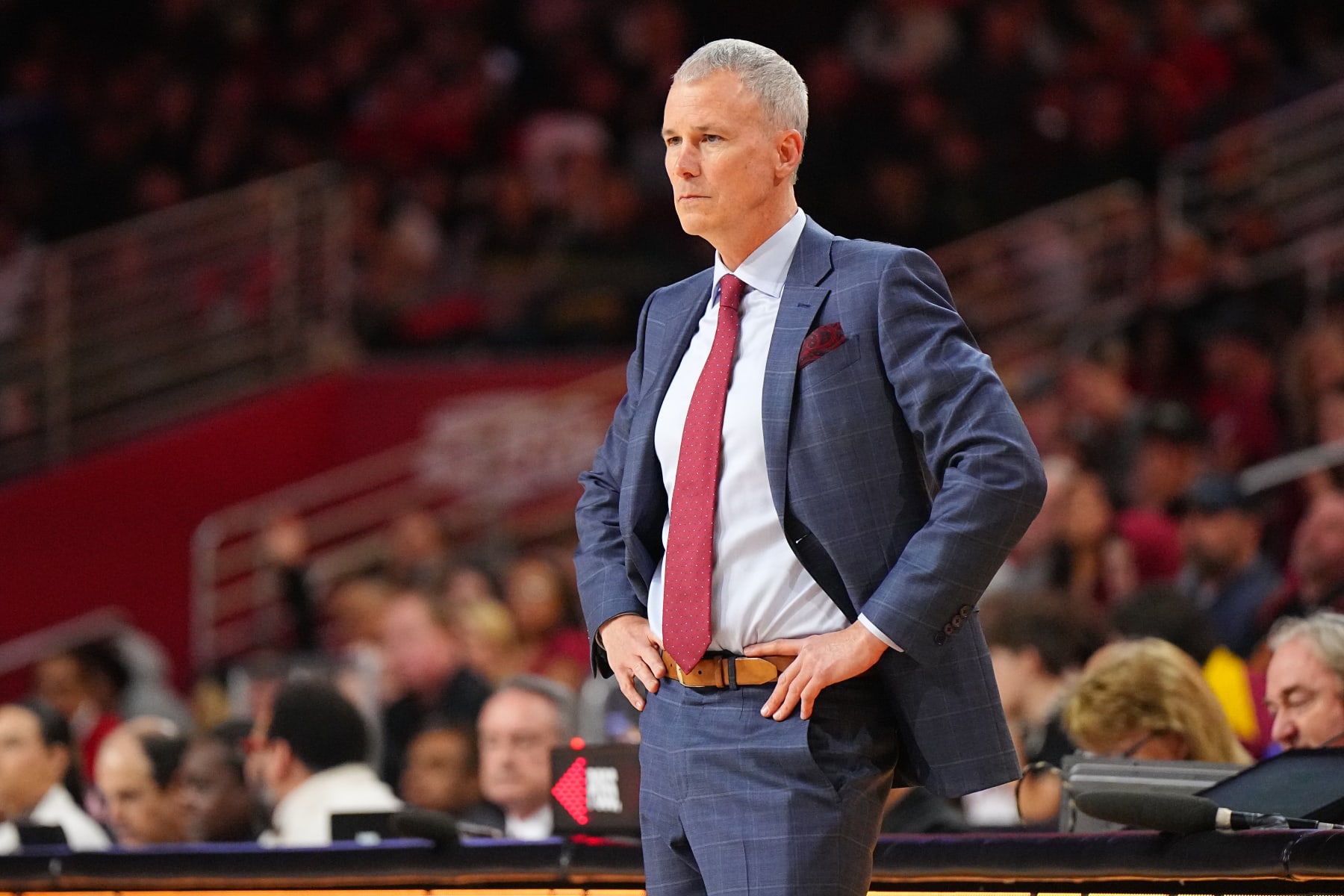
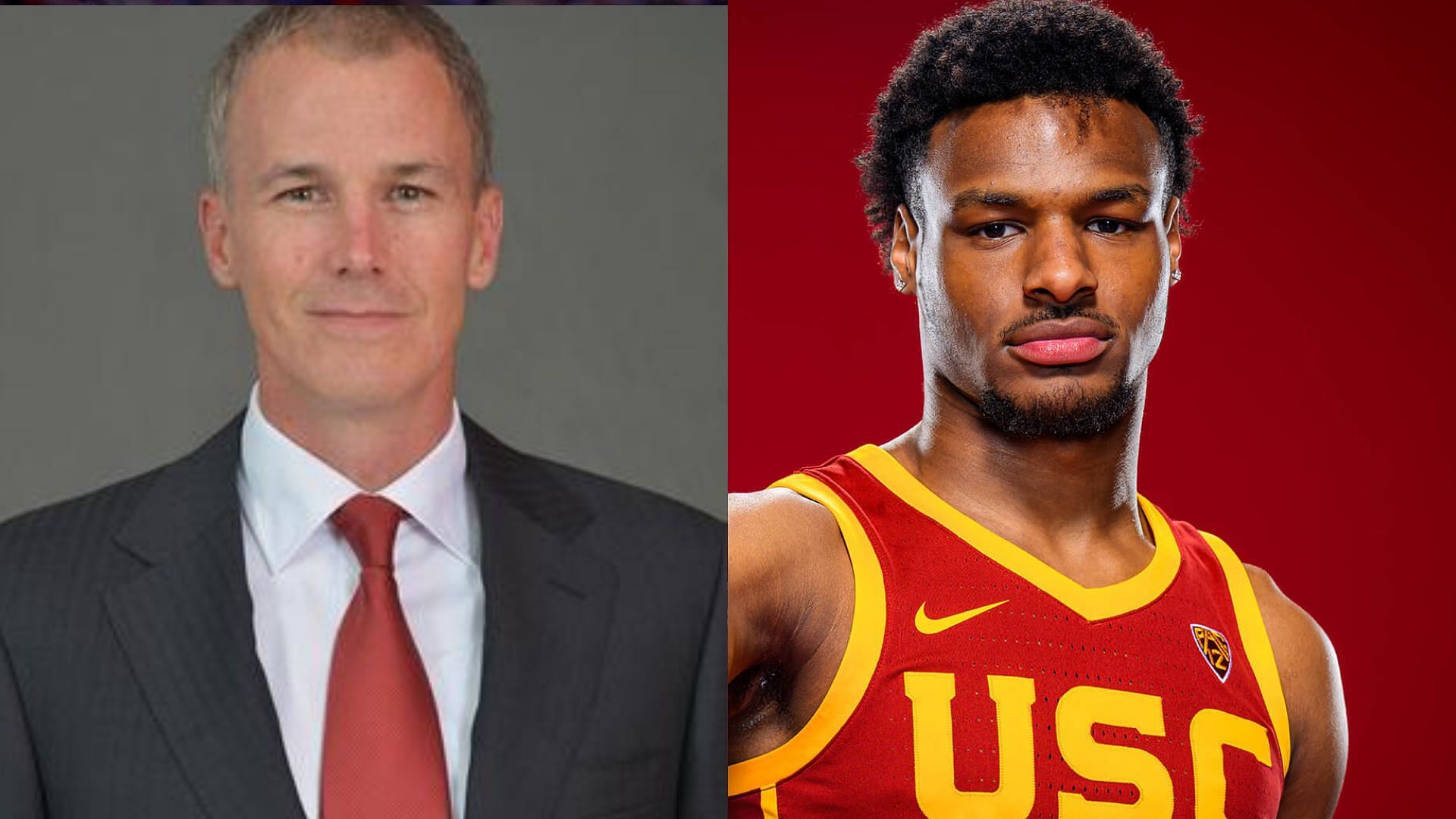
During his final years at the University of Southern California (USC), Andy Enfield’s annual total compensation was estimated to be between $3.5 million and $4.5 million. Because USC is a private institution, exact figures are confirmed through IRS Form 990 filings, which showed steady increases following several contract extensions, particularly after his 2021 Elite Eight run.
Understanding the USC Private Institution Disclosure Gap
To understand Andy Enfield's salary at USC, one must first understand the legal reporting requirements for private universities. Unlike public institutions such as UCLA or the University of Arizona, where coach salaries are often subject to public records requests and published in state databases, USC is a private entity. Consequently, USC is not required to disclose the specific details of coach contracts immediately upon signing.
The primary source of truth for Enfield’s compensation comes from the IRS Form 990, a document that tax-exempt organizations must file annually. These forms list the salaries of the highest-paid employees within the organization. However, there is a significant lag—often 12 to 18 months—between the actual payment and the public availability of these tax documents. By 2026, we have a clear historical view of Enfield's earnings through his departure in 2024, revealing how his "Dunk City" reputation at Florida Gulf Coast translated into a high-value Power Five coaching career in Los Angeles.
The Financial Trajectory of Andy Enfield's USC Career
Andy Enfield arrived at USC in 2013 with significant momentum. After leading 15th-seeded Florida Gulf Coast to the Sweet 16, he became one of the hottest names in coaching. His initial contract reflected his status as a rising star but was relatively modest compared to the figures he would command later in his tenure.
In the early years, Enfield’s salary hovered in the range of $1.5 million to $2 million. As he stabilized a program that had struggled with consistency, his leverage grew. The real shifts in his financial standing occurred following three specific events:
- The 2017 Extension: Following back-to-back NCAA Tournament appearances, USC moved to lock Enfield in, raising his base pay to reflect the competitive landscape of the then-Pac-12.
- The 2021 Elite Eight Run: This was the pinnacle of Enfield's tenure. Taking the Trojans to the regional finals significantly increased his market value.
- The 2022 Contract Extension: Amid rumors of interest from other programs, USC signed Enfield to an extension through the 2027–2028 season. This deal pushed his total compensation into the top tier of collegiate coaching.
Breakdown of Compensation Components
A head coach’s "salary" is rarely a single flat check. For a high-profile coach like Enfield at a major brand like USC, the total package was composed of several distinct financial layers.
Base Salary
This is the guaranteed amount paid by the university for his duties as the head basketball coach. For Enfield, this was the foundational element that grew with each contract renegotiation. By the early 2020s, his base pay was estimated to be well north of $2.5 million.
Supplemental Compensation and Media Rights
Most elite coaches receive significant sums for "media appearances" and "public relations." This includes coaches' shows, interviews, and representing the university at donor events. At USC, a school located in the second-largest media market in the country, these obligations are substantial. Supplemental pay often accounts for an additional $500,000 to $1,000,000 of the annual total.
Performance-Based Bonuses
Enfield’s contracts were heavily incentivized. Common milestones in his USC agreements included:
- NCAA Tournament Appearances: Bonuses for making the tournament, with escalators for each round reached (Round of 32, Sweet 16, etc.).
- Conference Success: Bonuses for winning the conference regular-season title or the tournament championship.
- Coaching Awards: Financial rewards for being named Conference Coach of the Year or National Coach of the Year.
- Academic Progress Rate (APR): Incentives tied to the academic performance and graduation rates of the student-athletes.
Comparison of USC Coaching Salaries
To put Andy Enfield's salary in perspective, it is helpful to compare it against both his predecessors and his successor, as well as his peers in the coaching world. USC has historically been willing to pay for top-tier talent, but the move to the Big Ten in 2024 necessitated an even higher level of investment.
| Coach Name | Tenure | Estimated Peak Annual Salary | Notable Achievement |
|---|---|---|---|
| Tim Floyd | 2005–2009 | $1.5M - $2.0M | Sweet 16 (2007) |
| Kevin O'Neill | 2009–2013 | $1.2M - $1.6M | NCAA First Round |
| Andy Enfield | 2013–2024 | $3.8M - $4.5M | Elite Eight (2021) |
| Eric Musselman | 2024–Present | $5.0M+ | Hired from Arkansas |
While Enfield was among the highest-paid coaches in the Pac-12 during his final years, he generally trailed the elite earners in the Big Ten and SEC, such as Tom Izzo or John Calipari, who frequently surpassed the $8 million to $10 million mark. Enfield's salary represented a "high-middle" tier for a Power Five program—highly competitive but not at the very top of the national market.
The Move to SMU and Financial Implications
In April 2024, Andy Enfield made the decision to leave USC to become the head coach at Southern Methodist University (SMU). This move was significant for several reasons, both athletically and financially.
At the time of his departure, Enfield still had several years remaining on his USC contract, which ran through 2028. Typically, when a coach leaves for another job, the "buyout" clause in the contract comes into play. If USC had fired Enfield, they would have owed him the remainder of his guaranteed salary. However, because Enfield chose to leave for SMU, it was SMU (or Enfield himself, often facilitated by his new employer) that was responsible for paying USC a buyout fee to release him from his obligations.
While the exact buyout figure was not publicly disclosed due to the private status of both universities, industry standards for a coach of Enfield's stature and remaining contract length suggest a buyout in the range of $2 million to $5 million. This transition allowed USC to reset its coaching budget just as it prepared to enter the Big Ten, eventually hiring Eric Musselman at a price point that exceeded Enfield’s final USC salary.
The Impact of the Big Ten Transition on Salary Expectations
Enfield’s salary must also be viewed through the lens of USC’s conference realignment. The move from the Pac-12 to the Big Ten in 2024 drastically changed the university's revenue model. With significantly higher television payouts from the Big Ten's media rights deals, USC gained the financial firepower to increase its athletic spending.
During Enfield's final extension in 2022, USC administrators were already aware of the impending move. His salary increase at that time was a reflection of the university's need to maintain stability during a period of massive institutional change. Had Enfield stayed through 2026, it is likely he would have sought another raise to keep pace with the higher average salaries found among Big Ten coaching staffs.
Tax Filings and Evidence of Growth
According to USC's publicly available tax documents, Enfield’s compensation showed a clear upward trend. In the 2019 tax year (reporting for the 2018-19 season), his total compensation was reported at approximately $3.1 million. By the 2022 tax year (reflecting the 2021-22 season), that number had jumped significantly following his Elite Eight success.
These filings include not just base pay, but also "other reportable compensation" and retirement/deferred compensation. This explains why different media outlets often report different "salary" numbers; some only look at the base contract, while others look at the total "pay" listed on the Form 990. For Enfield, the total "take-home" value in his final full year at USC (2023) was estimated to be his highest yet, reflecting his seniority and the cumulative effect of his various bonuses.
Common Misconceptions About Coaching Salaries
There are several myths regarding the pay of coaches like Andy Enfield that often lead to confusion:
- "Taxpayer Funded": Because USC is private, Enfield's salary was funded primarily through athletic department revenue (media rights, ticket sales, donations) and university funds, not state taxes.
- "The Guaranteed Myth": While a contract might be for "$20 million over 5 years," very few coaching contracts are 100% guaranteed if the coach is fired "for cause" (e.g., major NCAA violations). However, for "termination without cause" (poor performance), the university usually pays a significant percentage of the remaining balance.
- "The Retention Bonus": Enfield’s later contracts likely included "stay" bonuses—payments made simply for remaining the head coach on a specific date (e.g., July 1st of each year). These are used to discourage coaches from jumping to other jobs during the coaching carousel.
Frequently Asked Questions
What was Andy Enfield’s final salary at USC?
By his final full season in 2023-2024, Andy Enfield’s total compensation was estimated at approximately $4 million to $4.5 million. This included his base salary, media rights payments, and various performance bonuses accrued during his successful tenure.
Why was Andy Enfield’s salary not public?
USC is a private university and is not subject to the same public disclosure laws as state-funded schools. Information regarding his salary is primarily sourced from annual IRS Form 990 filings, which provide a retrospective look at the compensation of the university's highest-paid employees.
Did USC pay a buyout when Andy Enfield left for SMU?
No, typically the university does not pay a buyout when a coach leaves voluntarily for another position. Instead, the coach or their new school (SMU) usually pays USC a buyout to terminate the existing contract. Enfield’s 2022 extension likely included a specific buyout clause for this scenario.
How did Enfield’s salary compare to other Pac-12 coaches?
At the time of his departure, Enfield was in the top tier of Pac-12 coaching salaries, comparable to Mick Cronin at UCLA and Tommy Lloyd at Arizona. While not the highest in the country, his compensation reflected USC’s commitment to remaining a national contender in basketball.
Who is the highest-paid coach in USC history?
As of 2026, Eric Musselman, who succeeded Andy Enfield in 2024, is widely considered the highest-paid basketball coach in USC history. His contract was negotiated as USC entered the high-revenue Big Ten conference, allowing for a larger salary pool than was available during much of Enfield’s tenure.
Did Enfield’s salary include NIL money?
No, a coach’s salary is separate from Name, Image, and Likeness (NIL) funds. NIL money goes directly to the student-athletes through third-party collectives. However, a coach’s ability to "sell" the program’s NIL opportunities is often a factor in their perceived value and subsequent contract negotiations.
Final Summary and Next Actions
Andy Enfield's salary at USC was a reflection of his successful transformation of the Trojans into a consistent NCAA Tournament participant. Starting from a modest "rising star" contract, his compensation grew alongside his achievements, ultimately peaking as he led the program into a new era of collegiate athletics.
For those interested in the financial side of collegiate sports, the best next action is to monitor the ProPublica Non-Profit Explorer for USC’s latest Form 990 filings. These documents provide the most accurate, albeit delayed, accounting of how major universities compensate their top athletic talent. Additionally, following sports business analysts on platforms like Sportico or USA Today’s Salary Database can provide real-time context on how coaching market rates continue to evolve as the "Super Conference" era of the Big Ten and SEC takes full hold.