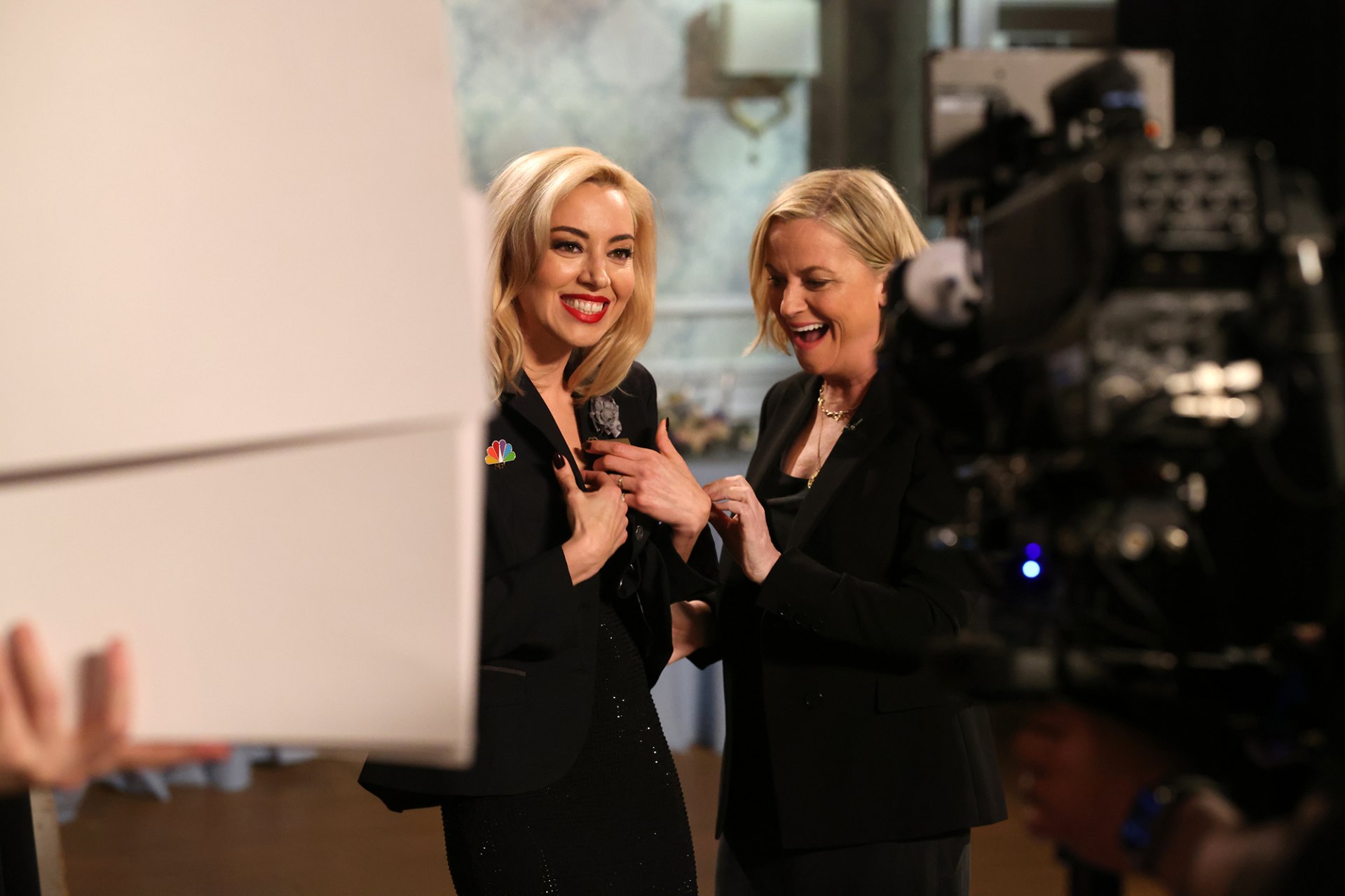
Amy Poehler’s tenure on Saturday Night Live (SNL) represents one of the most influential, transformative eras in the history of late-night sketch comedy. Joining the cast during a transitional period for the long-running NBC institution, Poehler quickly established herself as a versatile powerhouse capable of anchoring high-concept sketches, delivering razor-sharp political satire, and anchoring the show’s signature news desk. Her time on the program from 2001 to 2008 reshaped the gender dynamics of the ensemble, created enduring recurring characters, and cemented her status as a foundational pillar of modern American comedy.
The Cultural and Professional Landscape of SNL in the Early 2000s
When Amy Poehler made her debut on Saturday Night Live on September 29, 2001, the entertainment industry and the show itself were navigating unprecedented cultural shifts. Following the events of September 11, 2001, New York City-based productions carried a profound responsibility to process public grief through satire and communal laughter. SNL was tasked with finding a comedic voice that could balance reverence with levity, requiring performers of immense adaptability and emotional intelligence.
Poehler arrived with a deeply established background in improvisational comedy. As an alumnus of Chicago's renowned ImprovOlympic and Second City, and a co-founder of the Upright Citizens Brigade (UCB) theater in New York, she brought a rigorous collaborative philosophy to the Studio 8H stage. Unlike performers who relied strictly on polished stand-up routines or traditional impressions, Poehler understood ensemble dynamics, organic character generation, and the mechanics of heightening comedic premises in real time.
Her hiring also arrived at a critical juncture for the gender representation of the show. For decades, SNL had been historically male-dominated, frequently relegating female cast members to supporting roles, romantic interests, or stereotypical archetypes. Poehler’s integration into the core cast challenged this structural paradigm immediately. Working alongside contemporaries like Tina Fey, Maya Rudolph, Rachel Dratch, and later Kristen Wiig, Poehler helped inaugurate an era where women commanded the narrative direction of the show, proving that female-driven sketches could achieve broad, mainstream success.
Core Contributions and Memorable Character Work
During her seven-season run, Poehler’s footprint on the show’s catalogue of sketches was defined by an fearless physical commitment and an uncanny knack for inhabiting hyper-energetic, occasionally unhinged personalities. Her comedic range spanned historical figures, pop culture icons, original creations, and deadpan mockumentary-style hosts.
Original Characters and Recurring Sketches
Poehler possessed a rare talent for breathing absolute sincerity into absurd premises. Among her most celebrated creations was the hyperactive, sugar-fueled teenager, which showcased her physical dexterity and fearless willingness to look unglamorous for the sake of a laugh. Another prominent example was her portrayal of Amber, the overly enthusiastic and competitive contestant on reality game show parodies, where her wide-eyed intensity captured the exact zeitgeist of early-2000s unscripted television culture.
Furthermore, her ability to play authority figures with underlying cracks in their composure made her an invaluable utility player. Whether portraying a frazzled mother, a stressed corporate executive, or a bizarrely aggressive daytime talk show host, Poehler grounded every performance in distinct behavioral details.
Celebrity Impersonations
While Poehler was not primarily known as a traditional impressionist in the vein of Darrell Hammond or Maya Rudolph, her celebrity parodies were razor-sharp because she focused on capturing the psychological essence of the subject rather than merely mimicking vocal cadences. Some of her most memorable impressions included:
- Hillary Clinton: During the 2008 presidential primaries, Poehler’s sparring matches with Tina Fey’s Sarah Palin became a cultural touchstone of political satire. Poehler played Clinton with a calculated blend of ambition, suppressed frustration, and stoic determination.
- Sharon Stone: Portraying the sultry and unpredictable actress on celebrity interview sketches, highlighting a glamorous exterior masking utter absurdity.
- Katie Couric: Capturing the cheerful yet relentlessly probing journalistic style of the morning show anchor.
- Madonna: Satirizing the pop icon's shifting eras with energetic precision and comedic exaggeration.
| Character / Impression | Primary Era | Defining Characteristics | Cultural Impact |
|---|---|---|---|
| Weekend Update Co-Anchor | 2004–2008 | Direct delivery, aggressive wit, physical dominance of the desk. | Broke the all-male anchor tradition alongside Tina Fey. |
| Hillary Clinton (Impression) | 2005–2008 | Stoic ambition, competitive drive, deadpan political sparring. | Defined the 2008 election comedy cycle alongside Tina Fey's Sarah Palin. |
| Amber (Reality TV Contestant) | Early 2000s | Hyper-competitiveness, unearned confidence, erratic energy. | Parodied the nascent explosion of early-2000s reality television. |
| The Hyperactive Teenager | Early 2000s | Physical elasticity, sugar crashes, rapid-fire dialogue. | Showcased her improvisational background and physical fearlessness. |
The Historic Era of Weekend Update with Tina Fey
Perhaps Poehler’s most significant structural contribution to Saturday Night Live was her tenure at the Weekend Update desk. Following Jimmy Fallon's departure, Tina Fey invited Poehler to co-anchor the segment starting with the 30th season premiere in October 2004. This partnership marked a watershed moment in television history: the first time two women anchored the longest-running satirical news segment on television.
The chemistry between Fey and Poehler was instantaneous and built upon a foundation of mutual respect forged during their Chicago theater days. Their dynamic rejected the traditional "straight man and joke setup" formula. Instead, they shared comedic weight equally, frequently tossing jokes back and forth, interrupting one another with mock indignation, and displaying a level of sophisticated camaraderie that elevated the writing.
Poehler brought a distinct physical energy to the desk. While Fey often relied on dry, deadpan delivery, Poehler was animated, aggressive, and unafraid to challenge the audience or the subjects of her jokes. A prime example of this fearlessness occurred during her final Weekend Update appearance in September 2008, when she was heavily pregnant with her first child. Delivering a blistering rap about her impending motherhood—complete with a defiant defense of working mothers and a playful jab at then-Senator John McCain—Poehler physically commanded the stage, proving that her comedic authority was absolute.
Impact on Gender Dynamics and the Ensemble Structure
Poehler’s influence on SNL extended far beyond her individual screen time; she actively shaped the creative ecosystem behind the scenes. In an industry where female comedians were frequently pitted against one another for limited airtime, Poehler championed a collaborative model. Her partnerships with Fey, Rudolph, and Dratch demonstrated that multi-woman ensembles could carry entire episodes and drive viral cultural moments.
This collaborative ethos helped foster a generation of performers who prioritized ensemble support over individual showboating. Poehler’s UCB background heavily influenced this approach, as improvisation teaches performers to "accept and build" upon their scene partner's ideas rather than blocking or competing with them. When sketches required escalation, Poehler frequently served as the anchor who could elevate a struggling premise or support a newer cast member finding their footing.
Furthermore, her departure from the show in 2008—announced midway through her final season to transition to her starring role in NBC’s Parks and Recreation—marked the end of a golden era of transition. Her exit cleared the runway for the next generation of female powerhouses, ensuring that the structural gains she helped achieve would remain permanent fixtures of the show's casting philosophy.
Critical Reception and Legacy within Late-Night Comedy
Throughout her seven seasons, Poehler earned critical acclaim, including multiple Primetime Emmy Award nominations for Outstanding Supporting Actress in a Comedy Series, a rare feat for a sketch comedy performer at the time. Television critics routinely praised her for her reliability, fearlessness, and ability to elevate any sketch she touched, whether she was the primary focus or playing a background role reacting to absurdity.
Her legacy on the program is frequently cited by contemporary comedians as a masterclass in sketch performance. Unlike performers who relied on catchphrases, Poehler relied on character psychology and physical commitment, ensuring her sketches aged well beyond their original broadcast dates. The Weekend Update tenure she shared with Tina Fey remains the gold standard for co-anchor pairings, frequently referenced in retrospective analyses of late-night television history.
Ultimately, Amy Poehler’s role in the SNL cast was that of an institutional transformer. She arrived as a seasoned master of improv and departed as a television icon, leaving behind a blueprint for how women could dominate late-night sketch comedy on their own terms.
Frequently Asked Questions About Amy Poehler’s Time on SNL
When did Amy Poehler join and leave Saturday Night Live?
Amy Poehler joined the cast of Saturday Night Live at the start of Season 27 on September 29, 2001, and officially departed midway through Season 34, making her final regular appearance on December 13, 2008, though she returned for numerous cameo appearances in subsequent years.
Did Amy Poehler write her own material on the show?
Like all SNL cast members, Poehler participated in the grueling weekly writing process, pitching sketch ideas on Tuesday nights and writing throughout the week. Her background at the Upright Citizens Brigade made her a prolific generator of high-concept premises and character-driven sketches.
Who were Amy Poehler’s primary comedy partners on SNL?
While she worked with the entire ensemble, her most frequent and iconic creative partners included Tina Fey (particularly on Weekend Update), Maya Rudolph, Rachel Dratch, and Seth Meyers, who succeeded her and Fey at the news desk.
Why did Amy Poehler leave SNL?
Poehler departed the show to transition into starring as Leslie Knope in the NBC mockumentary sitcom Parks and Recreation, created by Greg Daniels and fellow SNL alumnus Michael Schur. Additionally, she was pregnant with her first child during her final months on the program.
What awards did Amy Poehler win or receive nominations for while on SNL?
Poehler received multiple Primetime Emmy Award nominations during her tenure, including notable nods for her work as a supporting actress in a variety or music program and for her writing on the show, cementing her critical standing within the industry.
Practical Next Steps for Exploring SNL History
For enthusiasts seeking a deeper understanding of Amy Poehler’s comedic evolution and the broader historical context of her SNL era, several avenues offer comprehensive insight:
- Archival Streaming: Review complete seasons 27 through 34 on official streaming platforms to observe her transition from featured player to ensemble anchor.
- Biographical Literature: Read memoirs and oral histories written by former cast members and crew, such as Tina Fey’s Bossypants, which detail the grueling writing process and cultural environment of Studio 8H during the 2000s.
- Improv Foundations: Explore the history of the Upright Citizens Brigade training center to understand the specific theatrical methodologies that informed Poehler’s sketch work.