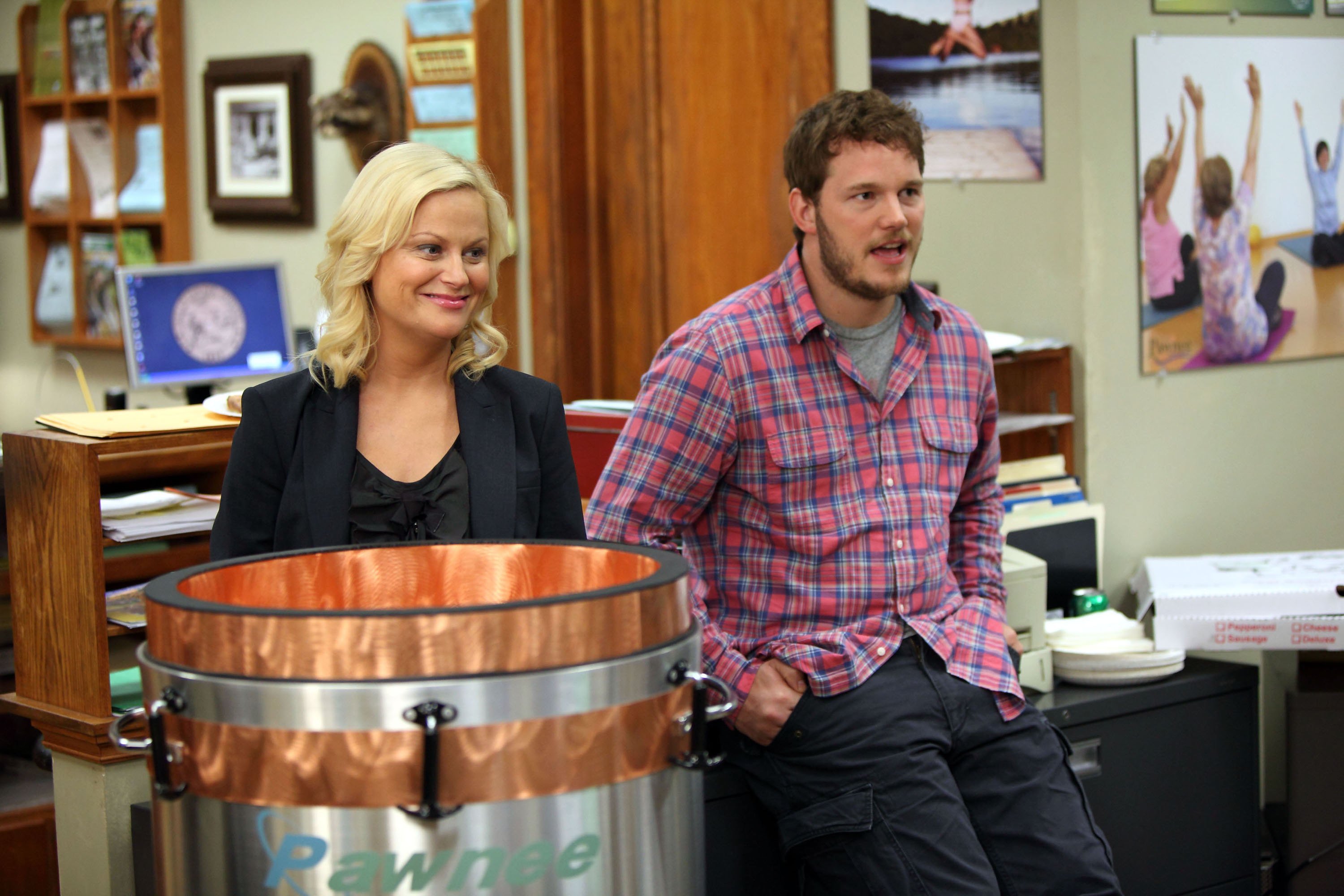
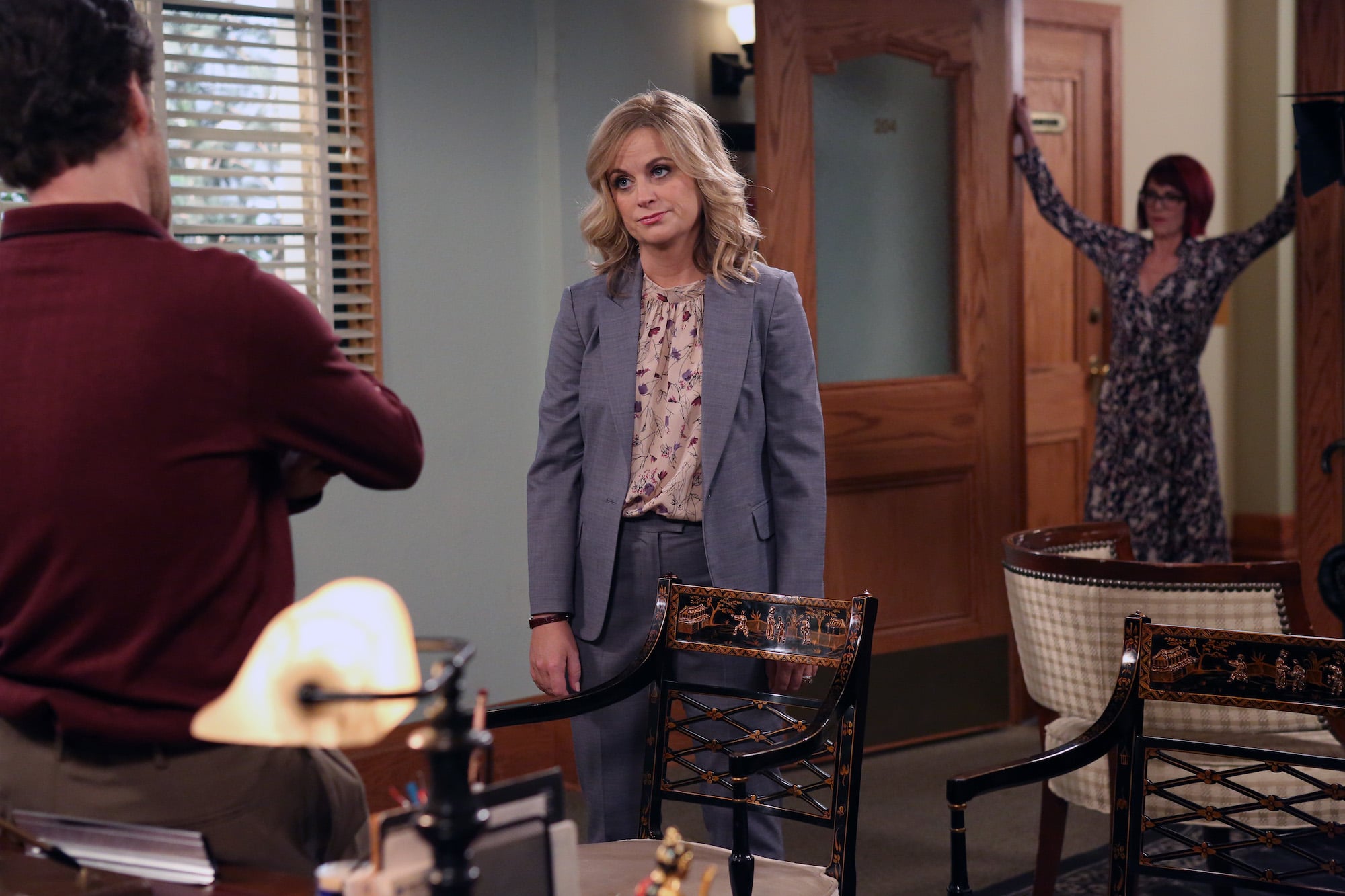
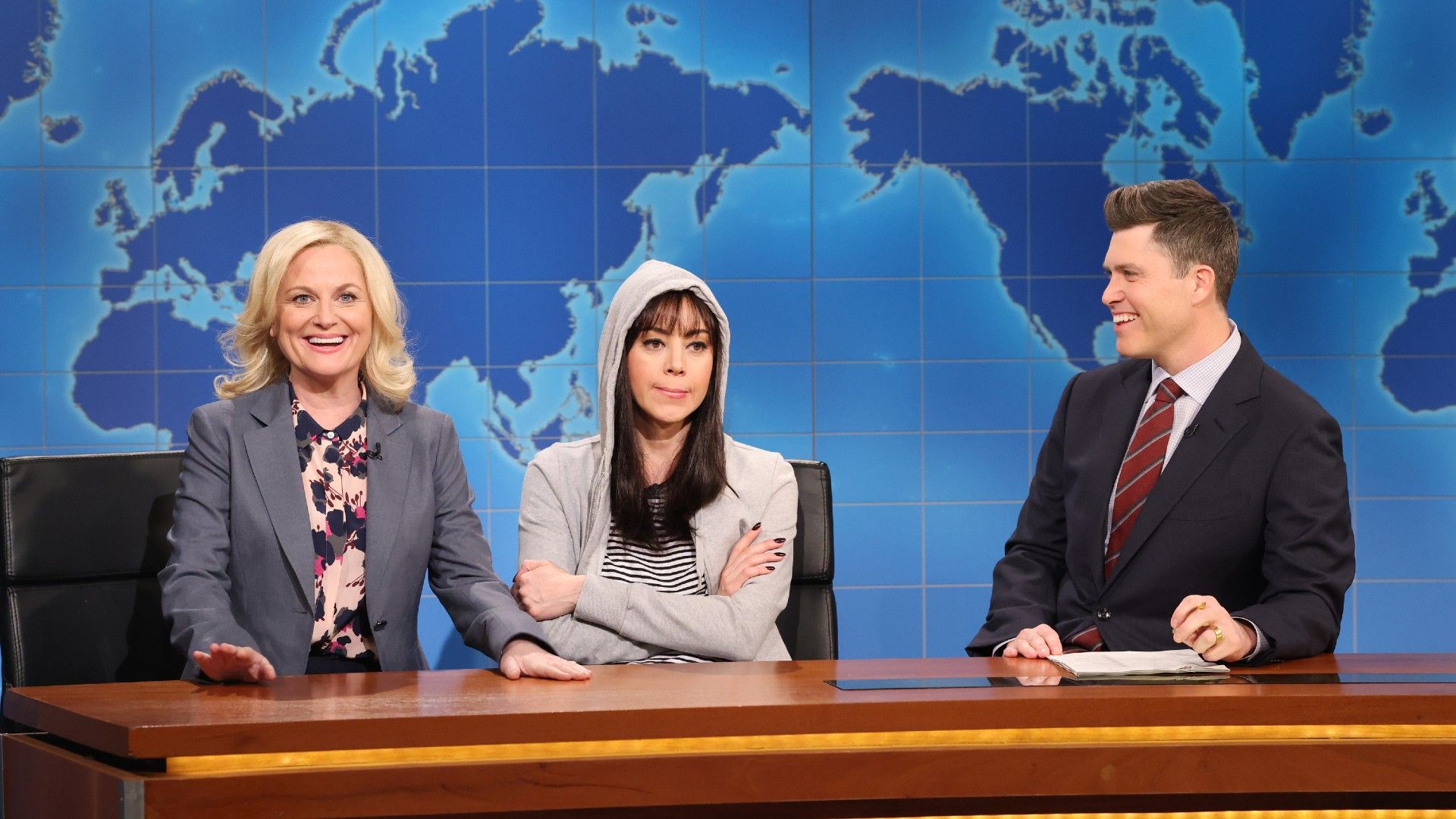
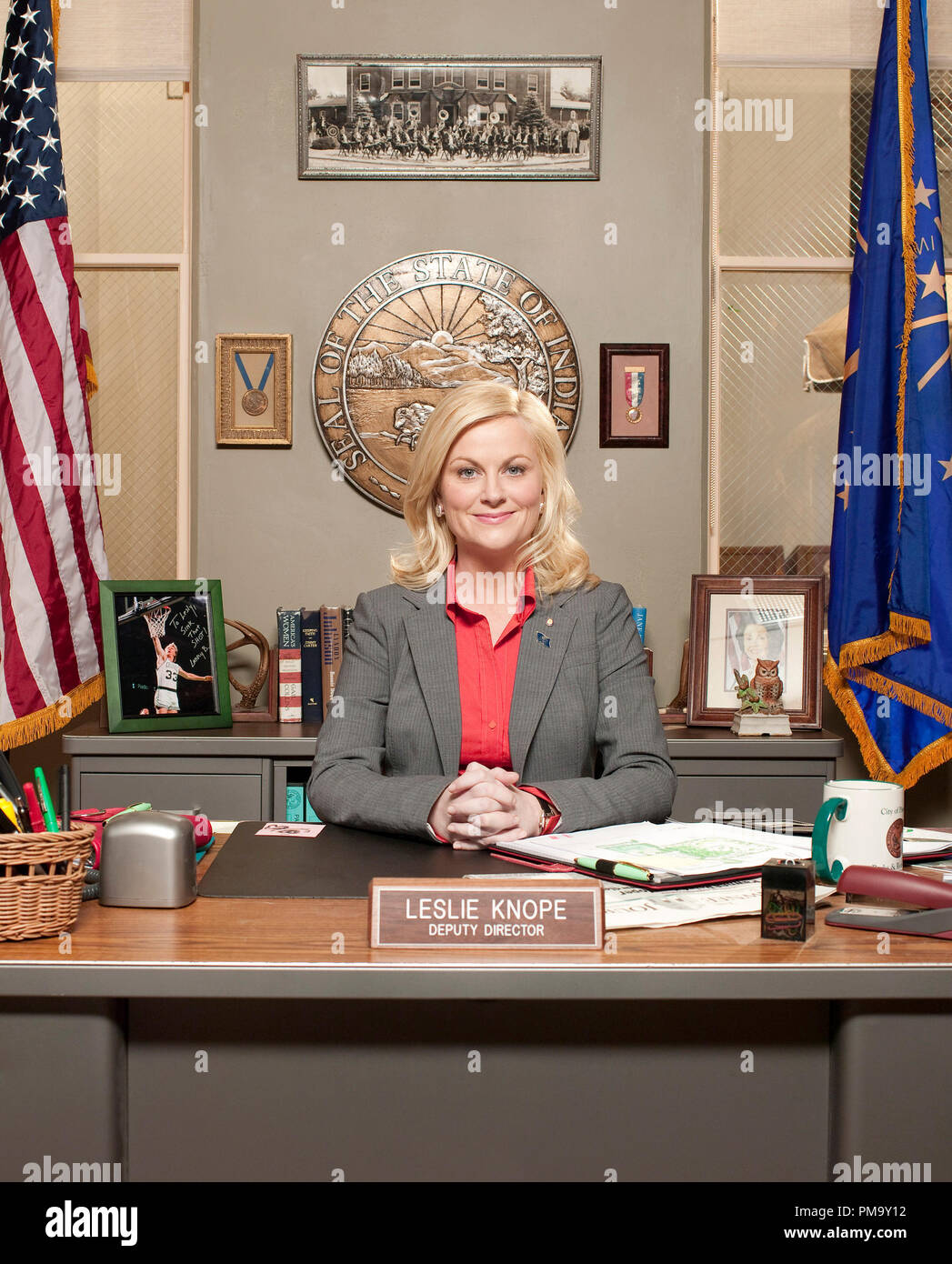
Amy Poehler’s portrayal of Leslie Knope in the NBC mockumentary sitcom Parks and Recreation stands as a defining achievement in 21st-century television comedy. Running from 2009 to 2015 across seven seasons, the series chronicled the day-to-day operations of the fictional Parks and Recreation Department in the fictional town of Pawnee, Indiana. At the absolute center of this ensemble was Poehler, whose character—an impossibly optimistic, binder-loving, waffle-devouring mid-level bureaucrat—anchored the show's heart, humor, and satirical worldview. Far from a standard sitcom protagonist, Poehler’s Leslie Knope inverted traditional tropes about women in government, leadership, and media, creating a template for earnest, structurally ambitious comedy.
The Genesis of Leslie Knope and the Conception of Pawnee
When co-creators Greg Daniels and Michael Schur began developing Parks and Recreation following their success with the American adaptation of The Office, they envisioned a similarly structured workplace comedy. Initially conceived as a loose spin-off or thematic companion to The Office, the series required a central figure who could embody institutional enthusiasm in a cynical environment. Poehler was cast after leaving her long-running role on Saturday Night Live, bringing with her a formidable background in improvisational comedy from the Upright Citizens Brigade.
The challenge of the early seasons lay in calibrating Leslie Knope’s character arc. In the truncated six-episode first season, Leslie was occasionally written as overly naive and reminiscent of Michael Scott, struggling to command respect in a cynical local government. However, as the production team recognized Poehler’s comedic timing and the warmth she brought to the role, they adjusted the character's core foundation. Leslie transitioned from a well-meaning bureaucrat into a hyper-competent public servant whose primary flaws stemmed from exhaustion, over-preparation, and an unrealistic expectation of how much work a single human being could accomplish.
This transformation established Pawnee, Indiana, as a microcosm of American civic life. Pawnee was not merely a backdrop; it was a character in its own right, characterized by eccentric town hall meetings, deep-seated rivalries with the neighboring upscale town of Eagleton, and an aggressively unhealthy local diet anchored by local establishment J.J.'s Diner. Poehler’s role required her to navigate these absurd municipal dynamics while maintaining absolute sincerity, a tightrope walk that separated the show from standard cynical satires of the era.
Character Dynamics and the Ensemble Balance
A critical element of Poehler’s success in Parks and Recreation was how Leslie Knope interacted with the sprawling ensemble cast. The workplace comedy genre relies heavily on contrasting personalities, and Poehler served as the gravitational pull that kept disparate characters anchored to the narrative. Her relationships defined the emotional architecture of the series.
Leslie and Ron Swanson: Ideological Counterweights
Perhaps the most famous dynamic in the series was Leslie’s professional and personal relationship with Ron Swanson, played by Nick Offerman. Ron, a libertarian who believes the government should be abolished entirely, serving as the director of a government parks department, represented the ultimate ideological foil to Leslie’s progressive belief in the power of public service. Despite their diametrically opposed political philosophies, Poehler and Offerman portrayed a deep, unshakeable mutual respect. This dynamic allowed the writers to explore real ideological friction without resorting to mean-spirited conflict, anchoring the show's belief that human connection transcends partisan divides.
Ben Wyatt and the Supportive Partnership
The introduction of Adam Scott as state auditor Ben Wyatt in Season 2 fundamentally altered Leslie’s trajectory. Initially brought in to audit Pawnee's failing budget, Ben evolved into Leslie’s romantic partner, husband, and political co-pilot. Poehler and Scott developed a sharp comedic chemistry that allowed Leslie to exist in a healthy, egalitarian romantic relationship—a rarity in network television comedies. Their partnership prioritized mutual ambition, emotional support, and shared administrative nerdiness, culminating in a wedding arc that cemented their status as a classic television couple.
Ann Perkins and the Power of Platonic Love
While romantic relationships drove many sitcom subplots, Parks and Recreation famously prioritized female friendship through Leslie and Ann Perkins, played by Rashida Jones. The declaration "Ann, you glorious, beautiful, rule-breaking erf" became emblematic of how Poehler’s character championed other women. In an industry where female friendships on television were frequently defined by jealousy, competition, or romantic rivalry, the unwavering platonic devotion between Leslie and Ann provided the emotional bedrock of the series.
Key Themes Explored Through Leslie Knope
Poehler’s performance was the vehicle through which Parks and Recreation explored complex themes of civic engagement, feminism, and institutional perseverance. The series evolved from a standard workplace mockumentary into an optimistic exploration of what public service could look like when driven by genuine empathy.
| Season Range | Primary Narrative Arc for Leslie Knope | Key Milestones |
|---|---|---|
| Seasons 1–2 | Establishing identity; local bureaucratic struggles | Creation of the Lot, navigating hostile town meetings, meeting Ben Wyatt. |
| Seasons 3–4 | City Council campaign and professional ambition | Running for City Council, defeating Bobby Newport, romantic progression with Ben. |
| Seasons 5–6 | City Council tenure, marriage, and political survival | Serving as Councilwoman, surviving a recall effort, launching the unification with Eagleton. |
| Season 7 | Regional Director role, time-jump, and legacy | Working for the National Park Service, raising triplets, long-term career fulfillment. |
Redefining Feminist Representation on Television
Leslie Knope challenged the tired trope of the "career woman" who must choose between professional ambition and personal happiness. Poehler played a woman who was unapologetically ambitious, obsessed with her career, and deeply proud of her accomplishments, while simultaneously maintaining a rich personal life, a deep desire for motherhood, and a vast capacity for romance and friendship. When Leslie is targeted by a sexist recall campaign in Season 6, the show directly addresses the structural hurdles women face in politics, utilizing Poehler’s comedic and dramatic range to ground systemic issues in personal reality.
The Evolution of Optimism as a Comedic Choice
In the post-9/11 television landscape, cynicism was frequently equated with sophistication. Parks and Recreation rejected this premise. By making Leslie Knope aggressively, loudly optimistic, Poehler subverted expectations. Leslie’s relentless note-taking, her custom-made scrapbooks, and her unyielding belief in local government were treated as genuine strengths rather than punchlines at her expense. Poehler managed to ensure that viewers laughed with Leslie’s enthusiasm rather than looking down on it, establishing earnestness as a powerful comedic tool.
Behind the Scenes: Poehler’s Creative Influence
Amy Poehler’s involvement in Parks and Recreation extended far beyond acting. As the series progressed, she became an integral part of the creative and production infrastructure, influencing the direction of the show both on and off the screen.
Directing and Writing Contributions
Poehler stepped behind the camera to direct multiple episodes of the series, beginning in Season 4 with the episode "The Debate," which she also co-wrote. Her transition into directing allowed her to shape the visual pacing of the mockumentary format, maintaining the fast-paced, deadpan rhythm established by Greg Daniels and Michael Schur. Furthermore, Poehler authored the memoir Yes Please (2014), in which she detailed the exhausting, exhilarating experience of producing the series, balancing motherhood with leading a network television cast, and collaborating with a writers' room that featured future comedy luminaries like Harris Wittels, Chelsea Peretti, and Nick Kroll.
Mentorship and Ensemble Culture
Cast members and crew frequently cited Poehler’s leadership on set as the primary reason for the show's cohesive family dynamic. As the undisputed lead of an ensemble that grew to include Chris Pratt, Aubrey Plaza, Retta, Aziz Ansari, and Rob Lowe, Poehler cultivated an environment that encouraged improvisation and collaborative writing. This collaborative spirit is largely credited with allowing breakout characters like April Ludgate and Andy Dwyer to expand far beyond their initial one-note premises into beloved television staples.
Legacy and Cultural Impact
Years after the series finale aired in February 2015, Amy Poehler’s role in Parks and Recreation continues to resonate culturally, politically, and within the television industry. The character of Leslie Knope transcended the screen to become a genuine pop-culture icon and a touchstone in contemporary political discourse.
- Real-World Political Resonance: During the 2016 United States presidential election and subsequent political cycles, "What would Leslie Knope do?" became a rallying cry for progressive organizers, female candidates, and public servants looking for a framework of persistence and hope in the face of political division.
- Template for Modern Comedies: The success of Leslie Knope paved the way for a wave of television protagonists who blend institutional idealism with eccentric personal habits, influencing subsequent single-camera comedies that prioritize warmth and community over cynical detachment.
- Enduring Quotability: Phrases, holidays (such as "Galentine's Day," invented by Leslie in Season 2 to celebrate female friendship), and rituals created within the show have successfully transitioned from fiction into actual cultural practices celebrated annually.
Through meticulous physical comedy, emotional intelligence, and an unwavering commitment to her character's internal logic, Amy Poehler transformed Leslie Knope from a generic sitcom underdog into one of the most enduring, studied, and beloved figures in the history of American television.
Frequently Asked Questions
What inspired Amy Poehler’s character Leslie Knope in Parks and Recreation?
Leslie Knope was conceived by co-creators Greg Daniels and Michael Schur as an optimistic public servant anchored in local government. While not directly based on a single real-world individual, the writers drew inspiration from contemporary female politicians and civil servants who balanced intense local administrative workloads with progressive idealism, aiming to create a female protagonist who loved her job and possessed unyielding ambition.
Did Amy Poehler write or direct any episodes of Parks and Recreation?
Yes. Amy Poehler directed three episodes of Parks and Recreation ("The Debate" in Season 4, "Second Chunce" in Season 6, and "One Last Ride" in Season 7). Additionally, she co-wrote the Season 4 episode "The Debate," which earned her a nomination for the Primetime Emmy Award for Outstanding Writing for a Comedy Series.
How did Amy Poehler’s pregnancy affect the production of Parks and Recreation?
Poehler’s real-life pregnancy during the filming of the show's second season required the production team to creatively adjust shooting schedules and storylines. Rather than hiding the pregnancy, the writers chose to accelerate certain plot points or frame shots carefully, though much of the physical comedy and active pacing of the character was preserved by shooting ahead of her due date and adjusting blocking in subsequent episodes.
Why did Parks and Recreation change Leslie Knope's character after Season 1?
In Season 1, Leslie Knope was written closer to the awkward, slightly incompetent mold of Michael Scott from The Office. However, the creative team realized that audience engagement was higher when Leslie was depicted as fiercely competent, hyper-prepared, and genuinely good at her job. By Season 2, they shifted her character into a capable, driven workaholic whose comedy derived from the sheer volume of her ambition crashing against Pawnee's absurdity.
What is the cultural significance of "Galentine's Day" introduced by Leslie Knope?
Introduced in Season 2, Episode 16 ("Galentine's Day"), Leslie celebrates February 13th by showering her female friends with gifts and appreciation. The concept resonated strongly with audiences and has since crossed over from fiction into mainstream culture, celebrated annually as a commercial and social holiday dedicated to honoring female friendship.