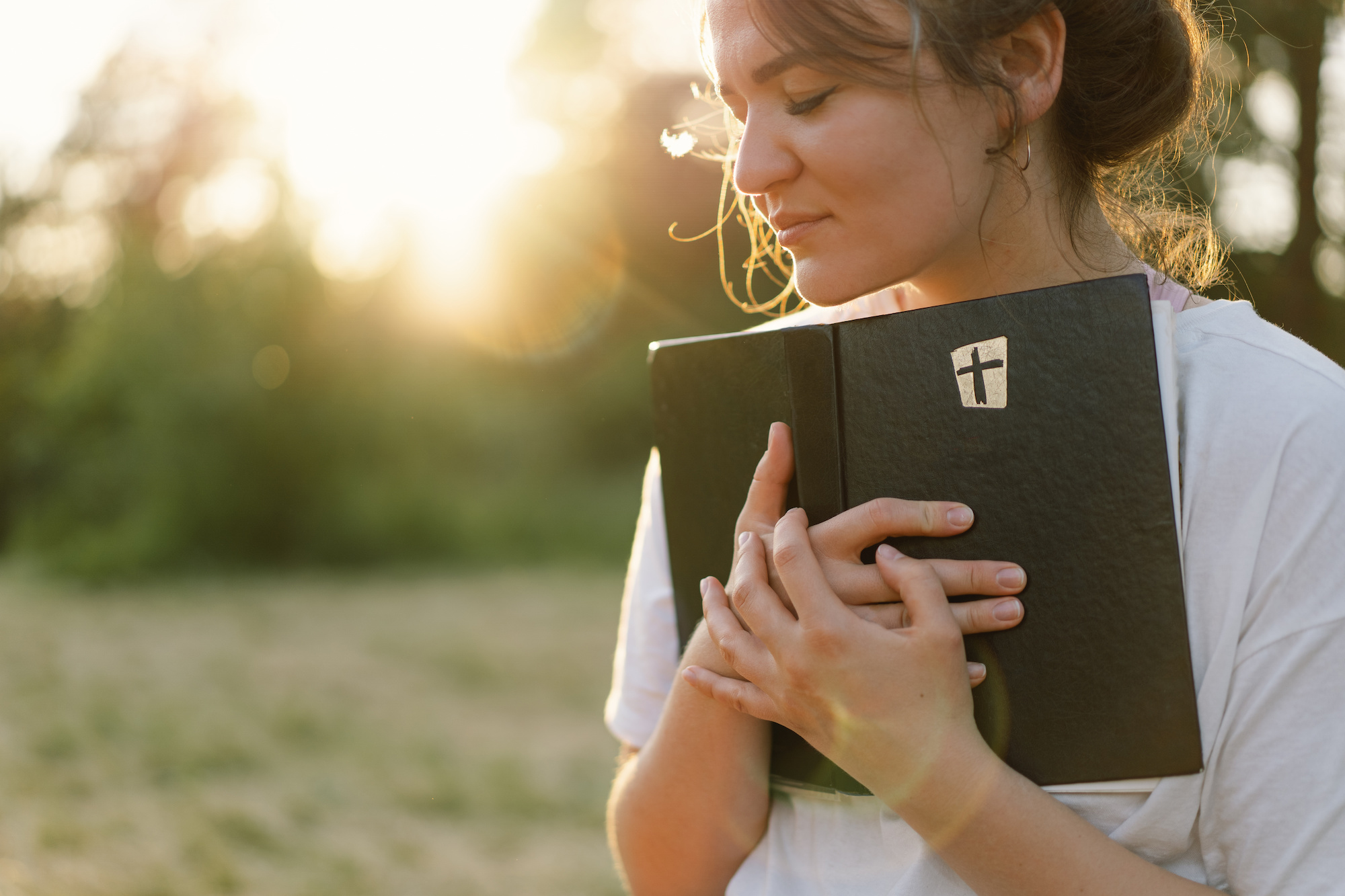
Navigating American culture and religion in student life involves balancing personal identity with the diverse, often secular, environment of U.S. higher education. Students succeed by utilizing campus resources like interfaith centers, understanding their legal rights to religious accommodation, and engaging in the pluralistic social norms that define the modern 2026 university experience.
The Dual Identity of the American Campus
The American university system is a complex ecosystem where secular academic rigor meets a deeply rooted, though evolving, religious pluralism. In 2026, student life is characterized by an unprecedented level of diversity, where traditional religious practices intersect with a growing "spiritual but not religious" (SBNR) demographic. Understanding this landscape is essential for both domestic and international students who seek to integrate into campus culture without compromising their personal convictions.
American culture in higher education emphasizes individualism and self-expression. This manifests in the classroom through open debate and the questioning of authority, which can sometimes feel at odds with certain religious traditions that prioritize communal harmony or scriptural literalism. However, the modern campus is designed to be a "marketplace of ideas." Students are expected to navigate these tensions by developing "interfaith literacy"—the ability to communicate and collaborate across different worldviews.
Religion in student life is not confined to chapels or prayer rooms; it influences dietary choices in dining halls, the scheduling of exams, and the formation of social circles. While many institutions are officially secular, the underlying cultural framework often mirrors a Protestant Christian heritage, particularly regarding the academic calendar (e.g., winter breaks coinciding with Christmas). Recognizing these systemic nuances helps students better advocate for their own needs while respecting the multicultural environment.
Legal Frameworks and Religious Freedom on Campus
In the 2025–2026 academic year, the legal protections for religious expression remain a cornerstone of the American educational experience. The primary distinction in how religion is handled depends on whether a student attends a public or private institution. Public universities, as state actors, are bound by the First Amendment of the U.S. Constitution, which protects the free exercise of religion while prohibiting the state from "establishing" a religion.
For students, this means that public universities cannot mandate participation in religious activities, nor can they prohibit students from praying, wearing religious attire (like a hijab, turban, or yarmulke), or forming religious clubs. Private institutions, however, have more leeway. While many secular private colleges follow similar non-discrimination policies, religiously affiliated private universities may require students to attend chapel services or adhere to a specific code of conduct based on the institution's faith tradition.
Furthermore, Title VI of the Civil Rights Act of 1964 provides critical protections. Although Title VI does not explicitly mention "religion," the U.S. Department of Education has long clarified that it protects students from discrimination based on shared ancestry or ethnic characteristics, which often includes Jewish, Muslim, Sikh, and Hindu students. In 2026, universities are under significant federal scrutiny to ensure that campus environments are free from religious-based harassment, making it vital for students to know the procedures for filing a grievance with their school’s Office of Equity or Title IX coordinator.
Navigating Social Norms and the "Party Culture"
One of the most significant cultural hurdles for students with religious or conservative backgrounds is the American "party culture." Alcohol consumption and "hookup culture" are often depicted as central to the college experience, but this is a narrow view that does not reflect the reality for a large portion of the student body. In 2026, there is a visible rise in "sober-curious" movements and faith-based social alternatives that prioritize community without the influence of substances.
American social life is often built around "extracurriculars." Joining a club, whether it is a pre-professional society, a sports team, or a religious organization, is the primary way students build social capital. For religious students, this might mean joining the Hillel for Jewish life, the Muslim Students Association (MSA), or a Christian fellowship like Cru or InterVarsity. These groups provide a "third space"—a place outside the dorm and the classroom where students can find emotional support and cultural familiarities.
Communication and Networking Styles
American communication is typically direct but friendly. "Small talk" is a standard social lubricant, often involving questions about one's major, hometown, or hobbies. Students from more formal cultures may find this superficial, but in the U.S., it serves as a gateway to deeper networking. Networking itself is a cultural imperative; students are encouraged to seek mentors and connect with alumni. For religious students, this networking often happens within their religious communities, which can provide a robust professional safety net after graduation.
Religious Accommodations and Practical Campus Living
Living on campus requires a practical understanding of how to request accommodations for religious practices. Most universities in 2026 have established protocols for religious observance that cover three main areas: academics, housing, and dining.
Academic Accommodations
If a religious holiday falls on an exam day or a mandatory lecture, students are generally entitled to a "reasonable accommodation." However, the burden is on the student to notify the professor well in advance—typically within the first two weeks of the semester. Professors are usually required to provide a make-up exam or an alternative assignment, provided the request does not cause "undue hardship" to the course administration.
Dietary and Housing Needs
University dining services have become increasingly sophisticated. Most large campuses now offer Halal, Kosher, and vegan stations to accommodate religious and ethical diets. During the month of Ramadan, many dining halls provide "suhoor" (pre-dawn meal) packs or extended evening hours for "iftar." Similarly, housing departments can often accommodate requests for single-gender floors or specific roommate assignments based on religious modesty requirements, though these requests must be made during the initial housing application process.
| Accommodation Type | Common Provisions in 2026 | Responsibility of the Student |
|---|---|---|
| Religious Holidays | Excused absences from class; rescheduled exams. | Notify instructors in writing at the start of the term. |
| Dietary Restrictions | Halal/Kosher stations; clear labeling of allergens/ingredients. | Register dietary needs with Dining Services early. |
| Prayer Spaces | Dedicated "Reflection Rooms" or interfaith chapels. | Locating spaces via the campus map or Student Affairs. |
| Housing | Single-gender floors; private bathrooms for modesty. | Submit requests during the housing lottery/application. |
| Attire | Protection of religious garments in labs or sports. | Discuss safety protocols (e.g., fire-resistant hijabs) with staff. |
The Role of Interfaith Cooperation and Campus Ministries
Interfaith centers have become the "living rooms" of the modern 2026 campus. These centers do not seek to blend all religions into one, but rather to foster a "pluralistic" environment where students can be secure in their own faith while learning about others. Engagement in interfaith work is often seen by employers as a sign of high emotional intelligence and cultural competency.
Campus ministries, whether funded by the university or external religious organizations, offer more than just worship services. They provide counseling, food pantries, and "crisis of faith" support. For international students, these ministries often serve as a surrogate family. It is common to see a Catholic Newman Center or an Episcopal ministry hosting "free dinner" nights open to all students, regardless of their religious affiliation. These events are an excellent way for students to save on costs while engaging in cross-cultural dialogue.
Challenges: Secularism, Microaggressions, and Isolation
Despite the progress in 2026, challenges remain. The American academy is fundamentally secular, and students who hold strong religious views may sometimes feel marginalized or "intellectually isolated." In certain disciplines, such as the hard sciences or social sciences, religious perspectives might be dismissed as "unscientific," leading students to feel they must lead a "double life"—one that is religious at home and secular in the classroom.
Microaggressions—subtle, everyday slights—also persist. This might include a professor scheduling a mandatory field trip on a Friday afternoon (impacting Jumu'ah prayers) or peers making assumptions about a student’s political views based on their religious attire. The key to overcoming these challenges is seeking out "affinity groups" and utilizing the university’s diversity, equity, and inclusion (DEI) resources. These offices are trained to handle "climate" issues where students feel the campus culture is unwelcoming to their specific religious background.
Dealing with Culture Shock
For international students, the "American way" of religion can be shocking. In many countries, religion and state are deeply intertwined, or religion is a private family matter. In the U.S., religion is often "voluntaristic"—people choose their congregations, and there is a massive variety of denominations even within the same faith. This "religious marketplace" can be overwhelming. Students are encouraged to "shop around" for a community where they feel most comfortable, rather than feeling obligated to join the first group they encounter.
FAQ
1. Can I be penalized for missing class for a religious holiday?
Generally, no. Most U.S. universities have policies that protect students from academic penalties due to religious observance. However, the legal requirement for "reasonable accommodation" depends on the student providing timely notice. Check your course syllabus for specific deadlines, as many professors require at least seven to fourteen days' notice before the holiday.
2. How do I find a place of worship near my campus?
Most universities maintain a directory of "Affiliated Chaplains" or "Religious Life Groups" on their website. Additionally, apps like Google Maps and specialized community apps for specific faiths (such as "Zabihah" for Halal food and mosques) are highly effective in the U.S. in 2026. Many campus interfaith centers also host weekly shuttles to local churches, synagogues, temples, and mosques.
3. Is it common to talk about religion with professors and peers?
Religion is a sensitive topic in American culture. While it is perfectly acceptable to share your perspective in a classroom discussion if it is relevant to the subject matter, "proselytizing" (trying to convert others) is generally frowned upon in social and academic settings. Most students prefer to discuss religion in "safe spaces" like student organizations or dedicated interfaith forums.
4. What should I do if I experience religious discrimination?
If you feel you are being treated unfairly by a professor or a peer due to your faith, your first step should be the university's Office of the Dean of Students or the Office of Equity and Diversity. Document every incident, including dates, times, and witnesses. In 2026, universities take these reports seriously to comply with federal Title VI and Title IX regulations.
5. Do I have to join a religious group to have a social life?
Not at all. While religious groups provide a strong sense of community, the majority of American student life is organized around shared interests, such as intramural sports, academic clubs, and volunteer work. You can be deeply religious and still find a fulfilling social life in entirely secular organizations.
Final Recommendation for Students
To successfully navigate American culture and religion in student life, proactivity is your most valuable asset. Do not wait for accommodations to be offered; instead, consult your university's Student Life handbook or Interfaith Center during your first week on campus. By clearly communicating your needs to professors and dining services early in the semester, you ensure that your academic and spiritual lives support, rather than contradict, one another. Embracing the pluralistic nature of the American campus will not only protect your own identity but also prepare you for the diverse professional world that awaits after graduation in 2026 and beyond.