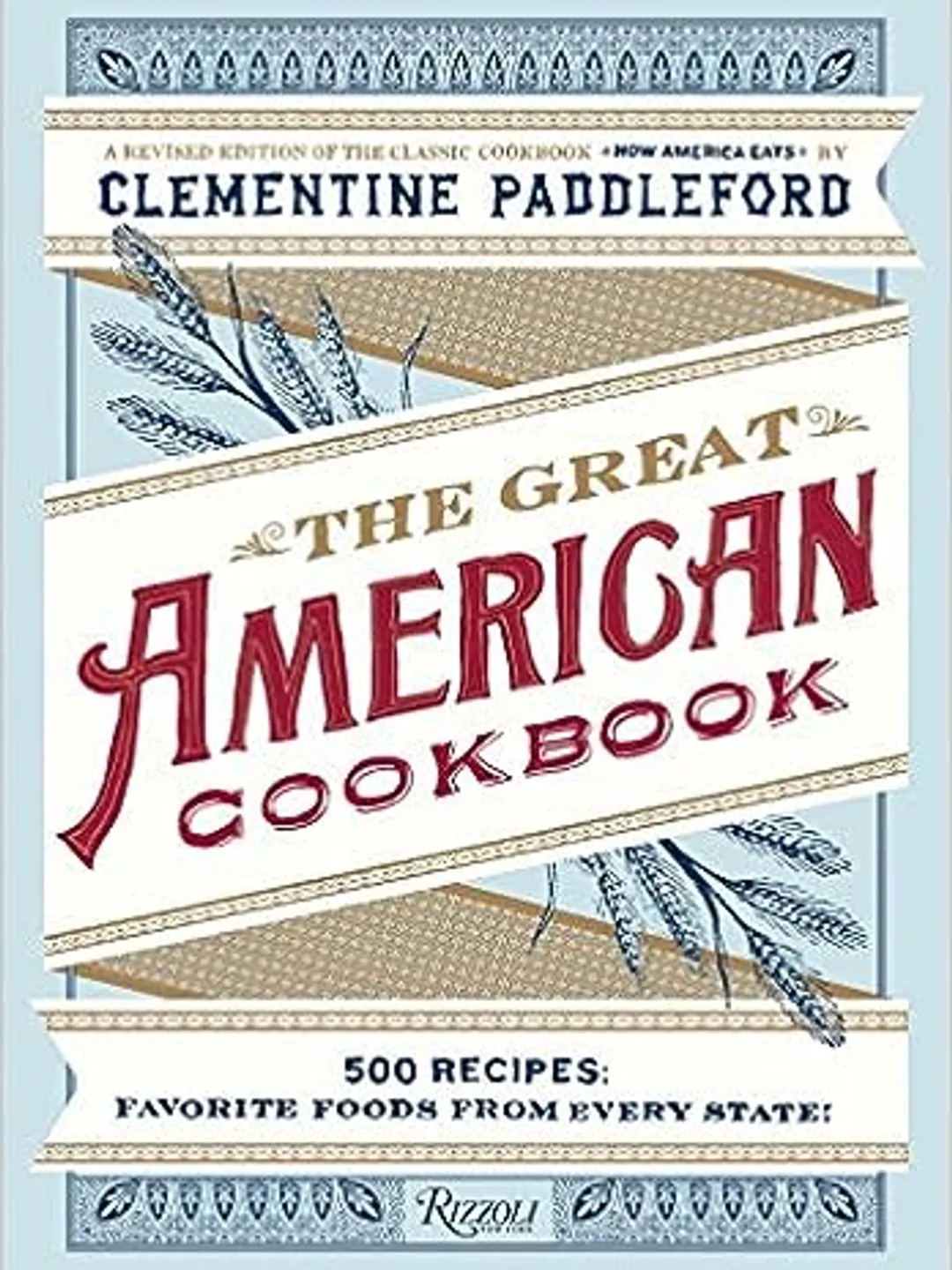
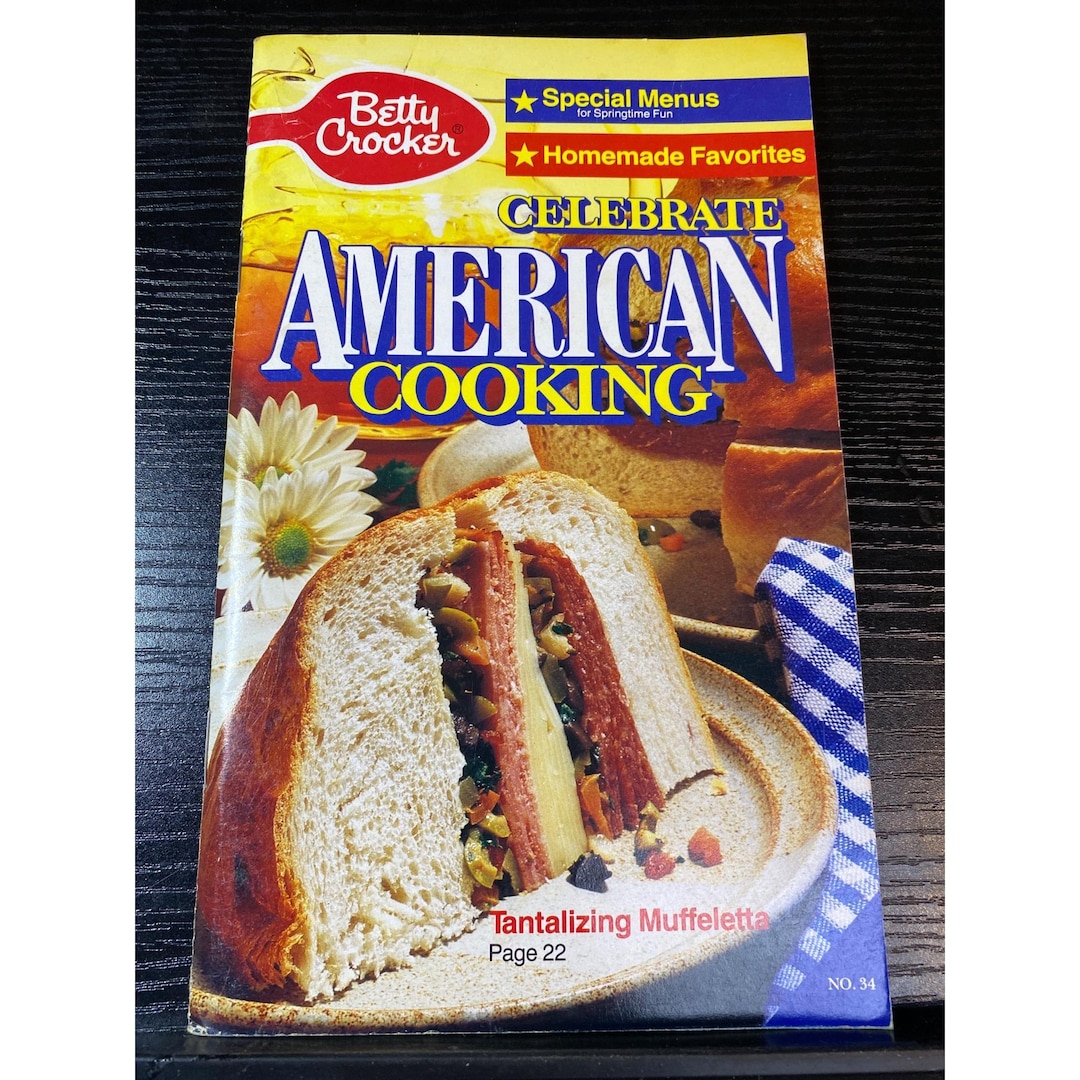
An American cooking cookbook serves as a foundational manual for navigating the diverse landscape of United States cuisine, ranging from historical colonial techniques to modern fusion and scientific methods. Finding the right volume depends on whether you seek a comprehensive reference for basic skills, a deep dive into regional traditions like Southern or Pacific Northwest fare, or a technique-driven exploration of culinary chemistry.
American culinary literature has evolved from simple instructional pamphlets to massive, encyclopedic volumes that define the national identity through food. In 2026, the marketplace for these books is more specialized than ever, reflecting a cultural shift toward authenticity, ingredient sourcing, and technical precision. Whether you are a novice looking to master a basic roast chicken or an experienced chef exploring the nuances of Appalachian heritage grains, selecting the right cookbook requires understanding the different "schools" of American cooking and the specific utility each title provides.
The Evolution of the American Cooking Cookbook
The history of the American cooking cookbook is a reflection of the country's social and technological progress. Early American cookbooks, such as Amelia Simmons’s American Cookery (1796), were the first to substitute European ingredients with indigenous ones, such as using cornmeal instead of oats. By the late 19th century, Fannie Farmer’s The Boston Cooking-School Cook Book revolutionized the kitchen by introducing standardized measurements—level teaspoons and cups—which provided a level of consistency previously unknown to home cooks.
In the mid-20th century, the "encyclopedic" era began. This was characterized by books intended to be the only resource a household would ever need. Titles like The Joy of Cooking and the Better Homes & Gardens New Cook Book became staples of the American wedding registry. These books were designed to solve every possible kitchen dilemma, from skinning a squirrel to preparing a formal hollandaise sauce.
In 2026, we see a continued resurgence of "New American" literature. This movement de-emphasizes the heavy, cream-based sauces of the mid-century and instead focuses on the "Global American" kitchen. This includes cookbooks that integrate immigrant flavors—such as Korean, Vietnamese, and Mexican influences—into the standard American repertoire, acknowledging that the "American" palate is a fluid and ever-expanding concept.
Categorizing the American Cookbook Landscape
To choose the right book, it is essential to categorize the available options based on their primary function. Most American cooking cookbooks fall into one of four distinct categories:
1. General Reference and "Bibles"
These are the comprehensive manuals designed for everyone from beginners to experts. They cover thousands of recipes across all categories (meat, poultry, vegetables, baking, preserving).
- Pros: They are cost-effective as they cover all basics; they usually include extensive charts on cooking times, temperatures, and substitutions.
- Cons: They can be overwhelming and often lack the deep cultural context found in specialized books.
2. Technique-Driven and Science-Based
Popularized by the "Maker" movement and chefs like J. Kenji López-Alt, these books focus on the why rather than just the how. They use the scientific method to determine the best way to sear a steak or bake a biscuit. In 2026, these are highly favored by enthusiasts who want to master the physics and chemistry of the kitchen.
- Pros: They provide skills that are transferable to any recipe; they often debunk long-standing culinary myths.
- Cons: They are often very large (often 1,000+ pages) and may require specialized equipment like sous-vide circulators or digital scales.
3. Regional and Heritage Collections
These cookbooks focus on the specific micro-cuisines of the United States. Examples include Deep South barbecue, New England seafood, Southwestern Tex-Mex, or the burgeoning "Midwestern Modern" movement.
- Pros: They offer rich storytelling and preserve cultural traditions that might otherwise be lost.
- Cons: Ingredients may be difficult to find if you are not living in that specific region.
4. Professional and "Chef" Cookbooks
Written by famous restaurateurs, these books focus on high-end presentation and complex flavor profiles. While beautiful, they are often less practical for daily meal preparation.
- Pros: Visually stunning; excellent for special occasions and "project" cooking.
- Cons: Recipes are frequently time-consuming and expensive to execute.
Essential Features of a High-Quality Cookbook in 2026
When evaluating an American cooking cookbook, certain technical specifications indicate a high level of quality and usability. In 2026, consumers should look for the following:
- Rigorous Recipe Testing: Look for books produced by organizations known for high-volume testing, such as America’s Test Kitchen or major publishing houses with dedicated test kitchens. A recipe should work in a standard home kitchen, not just a professional one.
- Weight-Based Measurements: While American cooking traditionally uses volume (cups/spoons), the best modern cookbooks provide weights in grams, especially for baking. This ensures accuracy and success.
- Visual Aids and Step-by-Step Photography: For complex tasks like breaking down a whole turkey or braiding a challah bread, high-resolution photos are more effective than text alone.
- Contextual Education: A good book should explain the history of a dish. For example, explaining why "Red Rice" is central to Gullah Geechee culture in South Carolina adds value beyond the list of ingredients.
- Cross-Referencing and Indexing: A superior index allows you to search by ingredient (e.g., "Swiss Chard") rather than just by the name of the dish.
Comparison of Key American Cooking Cookbooks
The following table compares some of the most influential and frequently utilized American cookbooks available in 2026.
| Cookbook Title | Primary Focus | Skill Level | Best For |
|---|---|---|---|
| Joy of Cooking (Latest Ed.) | General Reference | All Levels | The "Everything" manual for a first home. |
| The Food Lab | Science & Technique | Intermediate | Understanding the "Why" behind cooking. |
| The Fannie Farmer Cookbook | American Classics | Beginner | Traditional, straightforward "New England" style. |
| Salt, Fat, Acid, Heat | Culinary Elements | All Levels | Learning to cook without a strict recipe. |
| The Heritage Cook Book | Regional/History | Advanced | Exploring African American & Southern roots. |
| America's Test Kitchen | Reliable Results | Beginner/Intermediate | Foolproof recipes for everyday dinner. |
How to Build an American Culinary Library
For those looking to establish a comprehensive collection, it is not necessary to buy dozens of books. A well-rounded "starter" library typically consists of three specific types of American cooking cookbooks:
- The Generalist: Start with a book like The Joy of Cooking or the Better Homes & Gardens red-plaid binder. This provides a safety net for any ingredient you might encounter.
- The Scientist: Add a volume that focuses on technique, such as J. Kenji López-Alt’s The Food Lab or Samin Nosrat’s Salt, Fat, Acid, Heat. These teach you the foundational principles that make food taste good, allowing you eventually to cook without following a book at all.
- The Regionalist: Choose one book that reflects your personal heritage or the region where you live. This might be a book on Pacific Northwest salmon, a Texas barbecue guide, or a New Orleans Creole collection.
As you progress, you can add "niche" books that focus on specific American pastimes, such as pickling and fermenting, outdoor grilling, or high-altitude baking.
Troubleshooting Common Cookbook Issues
Even the best American cooking cookbook can lead to frustration if not used correctly. Common issues include:
- The "Crowdsourced" Trap: Many modern books are "community" cookbooks or compiled from unverified online blogs. These often lack the testing required for consistent results. Stick to reputable publishers for your foundational books.
- Altitude and Humidity: Most American recipes are developed for sea level. If you live in high-altitude regions like Denver, you must adjust leavening agents and boiling times. High-quality cookbooks will include a section on these adjustments.
- Ingredient Variations: A "large egg" in 2026 may vary slightly in weight. "All-purpose flour" varies in protein content between brands (e.g., King Arthur vs. Gold Medal). If a recipe fails, check if the author specified a particular brand or weight.
- Oven Calibration: Many users blame the cookbook when the issue is actually an uncalibrated oven. Use an independent oven thermometer to ensure your "350°F" is accurate.
The Cultural Significance of the American Cookbook
Beyond their practical use, these books are vital historical documents. They track the changing American diet—from the heavy use of lard and preserved meats in the 1800s to the obsession with gelatin in the 1950s and the current focus on plant-forward, sustainable eating in 2026.
By reading an American cooking cookbook, you are engaging with the history of immigration and adaptation. You see how Italian pasta became "Spaghetti and Meatballs," how German frankfurters became "Hot Dogs," and how West African ingredients like okra and black-eyed peas became fundamental to the Southern identity. This context makes the act of cooking more than just meal preparation; it becomes an act of cultural preservation.
FAQ
What is the most famous American cooking cookbook of all time?
The Joy of Cooking, originally self-published by Irma S. Rombauer in 1931, is widely considered the most influential. It has been in continuous print for nearly a century and has sold over 20 million copies. Its success is attributed to its conversational "action" style of writing, where ingredients are listed within the steps of the recipe rather than in a separate block at the top.
Should I buy a digital or physical cookbook in 2026?
Physical cookbooks remain superior for the kitchen environment because they do not require a screen timeout, they are easier to annotate, and they do not risk "crashing." However, digital editions (e-books) are excellent for searching for specific ingredients and take up no physical space. Many modern 2026 editions offer a "hybrid" model where a physical book includes a QR code for instructional videos.
How do I know if a recipe has been properly tested?
Check the "About the Author" or the "Introduction" section. Reputable American cooking cookbooks will explicitly state their testing process. For example, America's Test Kitchen recipes are tested up to 50 times by different cooks to ensure they work in any home environment. Avoid books that do not mention a testing methodology or an editorial team.
Can I use an old American cookbook for modern cooking?
Yes, but with caution. Older books (pre-1970s) often use more fat and sugar than modern nutritional standards suggest. Additionally, food safety standards have changed; for example, older books might suggest lower internal temperatures for pork than what is currently recommended by the USDA. Always cross-reference cooking temperatures with current safety guidelines from the USDA Food Safety and Inspection Service.
What makes a cookbook "American" versus "International"?
An American cooking cookbook focuses on the specific techniques, ingredients, and historical influences found within the 50 states. While it may include "international" dishes like tacos or stir-fry, it presents them through the lens of how they are prepared and adapted within American kitchens, often using ingredients available in standard American grocery stores.
Final Recommendation
For those seeking a definitive starting point in 2026, the best approach is to acquire a modern edition of a general reference work like The Joy of Cooking alongside a technique-focused guide like Salt, Fat, Acid, Heat. This combination ensures you have both the "library" of recipes needed for any occasion and the fundamental skills required to troubleshoot problems in the kitchen. When selecting a book, prioritize those with weight-based measurements and clear evidence of rigorous recipe testing to ensure your culinary efforts are consistently successful.