To improve employee retention in the American auto insurance industry in 2026, companies must prioritize "Total Reward" structures that balance competitive salary with AI-augmented workflows and flexible remote work options. Success depends on reducing burnout in claims departments through automated low-value tasks and providing clear career pathways for adjusters and underwriters to transition into specialized tech-driven roles.
The American auto insurance landscape has undergone significant transformation over the last few years. By 2026, the convergence of high-speed telematics, AI-driven claims processing, and a volatile labor market has made talent retention the primary competitive advantage for domestic carriers. Unlike general financial services, auto insurance requires a unique blend of empathy, legal literacy, and technical proficiency. When a seasoned adjuster or underwriter leaves, they take with them hundreds of hours of institutional knowledge regarding state-specific regulations and consumer behavior patterns that are difficult to replicate via machine learning alone.
The State of Talent in the American Auto Insurance Sector
As of 2026, the U.S. Bureau of Labor Statistics continues to highlight a tightening labor market within the insurance carriers and related activities sector. The industry faces a dual challenge: an aging workforce reaching retirement—the tail end of the "Silver Tsunami"—and a younger demographic that views traditional insurance roles as rigid or technologically outdated.
Employee retention in this sector is no longer just about the annual bonus. It is about the "Employee Experience" (EX). Large carriers like State Farm, Progressive, and Geico have had to pivot from volume-based hiring to quality-based retention. This shift is driven by the rising cost of turnover, which industry analysts estimate at 1.5 to 2 times an employee’s annual salary when factoring in recruitment, onboarding, and the loss of productivity during the "ramp-up" period for new hires.
Core Drivers of Turnover in Insurance Roles
To solve the retention puzzle, carriers must first address the specific pain points that lead to "The Great Outflow" from American auto insurance roles. These drivers vary significantly between the front-office sales staff, the mid-office underwriters, and the high-pressure claims environment.
Burnout in Claims and Adjusting
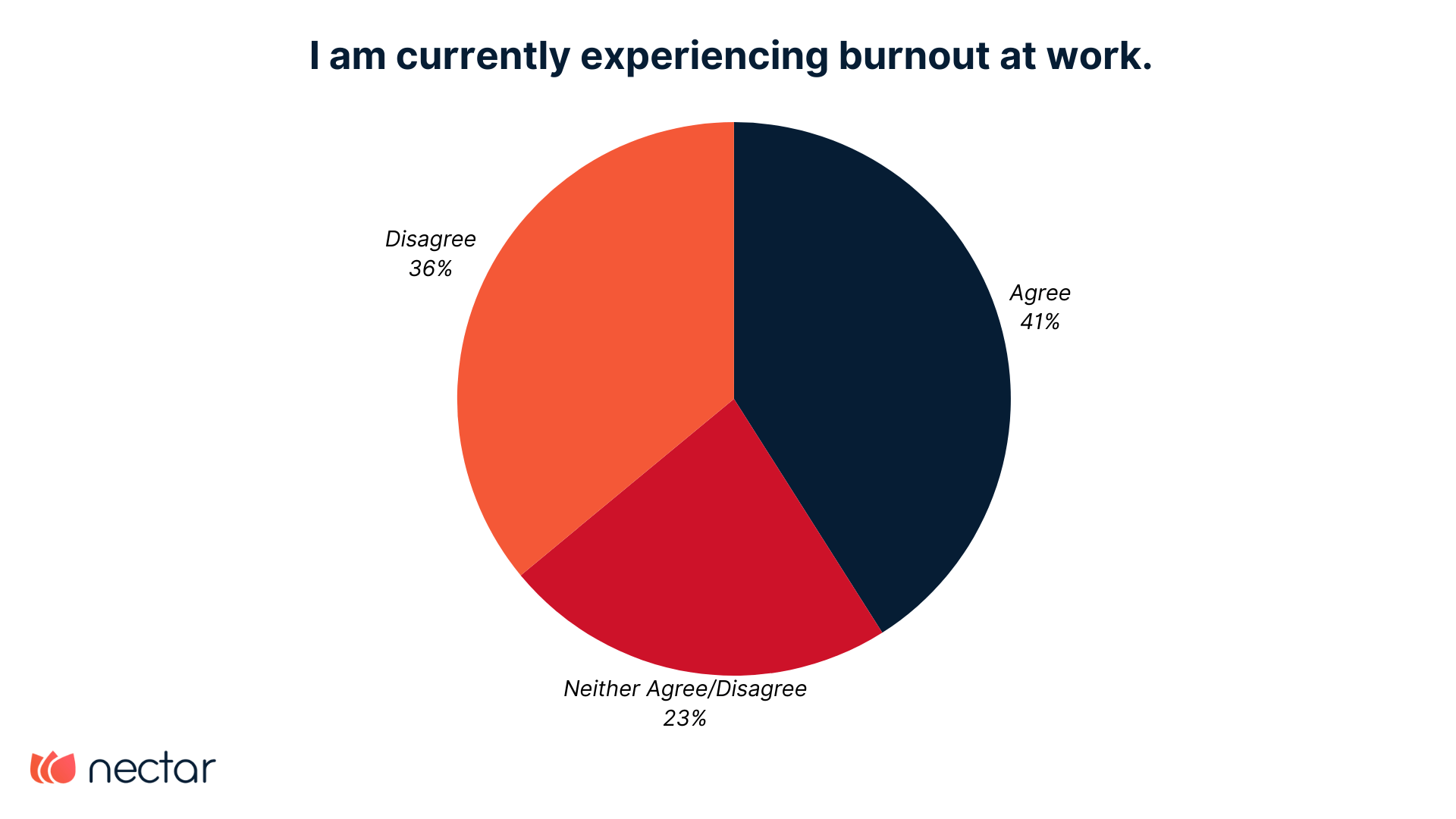
Claims adjusters remain the most vulnerable segment for turnover. In 2026, the increased frequency of "catastrophe" events—ranging from extreme weather to complex multi-vehicle accidents involving autonomous features—has increased the cognitive load on adjusters. When employees feel they are merely "moving paper" against an insurmountable backlog, job satisfaction plummets.
Technological Friction
Employees in 2026 expect their professional tools to mirror the ease of their personal technology. Retention suffers when carriers rely on legacy mainframe systems that require "swivel-chairing"—manually moving data between disparate applications. If a carrier’s internal software is clunky, the most tech-savvy employees will migrate to InsurTech startups or more modernized competitors.
Stagnant Career Architecture
A common complaint among mid-level insurance professionals is the "vertical ceiling." Without a clear roadmap showing how an entry-level associate can become a senior strategist or a data-driven product manager, employees often look externally for their next promotion.
Innovative Retention Strategies for 2026
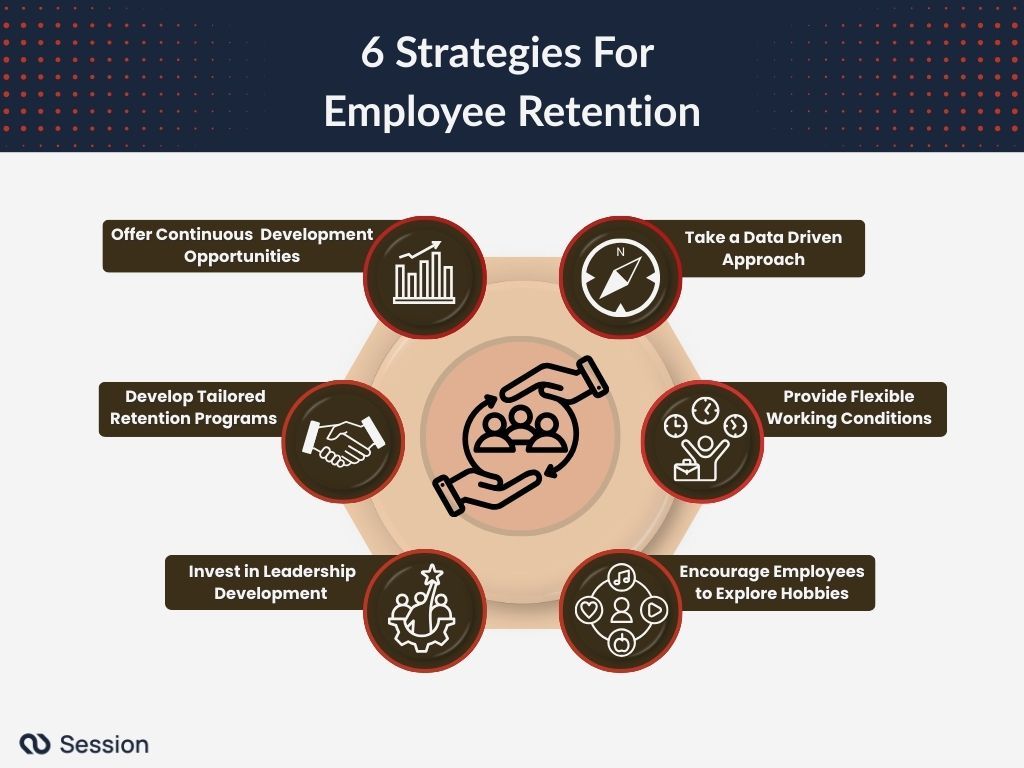
Leading American auto insurers have moved beyond ping-pong tables and free snacks. They are now implementing structural changes to the way work is performed and rewarded.
1. AI-Augmentation vs. Replacement
Rather than using Artificial Intelligence to replace headcount, top-performing carriers use it to "upskill" their workforce. By automating the intake of photos and the initial estimation of vehicle damage, adjusters are freed to handle complex liability disputes and customer negotiations. This shift from "data entry" to "expert consultation" significantly increases job fulfillment.
2. Radical Flexibility and the "Digital Adjuster"
The debate over return-to-office (RTO) mandates has largely settled in 2026, with a clear winner: the hybrid model. Auto insurers that offer 100% remote options for roles like underwriting and digital claims handling see 20-30% higher retention rates. For field adjusters, flexibility manifest in "compressed work weeks" or autonomous scheduling, allowing them to balance site visits with personal obligations.
3. Personalized Benefits and Financial Wellness
In a high-inflation environment, American employees are prioritizing direct financial support. Many carriers now offer:
- Student Loan Repayment Programs: Particularly effective for attracting and retaining Gen Z talent.
- Dynamic Bonuses: Rewards based on telematics accuracy or "Net Promoter Scores" (NPS) rather than just claim closure volume.
- Mental Health Stipends: Dedicated funds for counseling, specifically for claims staff dealing with traumatic accident reports.
Comparative Analysis of Carrier Retention Tactics
| Strategy Component | Traditional Approach (Pre-2024) | Modern Approach (2026) | Impact on Retention |
|---|---|---|---|
| Work Location | Office-centric / Rigid | Hybrid / Outcome-based | High - Reduces commuting stress |
| Technology | Legacy Green-Screens | Integrated AI-Copilots | Medium - Reduces daily frustration |
| Career Path | Linear (Associate > Senior) | Lattice (Cross-departmental) | High - Increases long-term loyalty |
| Training | One-time onboarding | Continuous "Micro-learning" | Medium - Keeps skills relevant |
| Compensation | Annual 3% merit increase | Performance-linked / Spot-bonuses | High - Immediate value recognition |
The Role of Corporate Culture and DEI in 2026
Retention is inextricably linked to how an employee feels they fit within the organization. In the American context, Diversity, Equity, and Inclusion (DEI) have evolved from "initiatives" to core operational requirements. Employees in 2026 are more likely to stay with a carrier that demonstrates a commitment to a workforce that reflects the diverse American driving public.
Furthermore, "purpose-driven work" has become a major retention factor. When auto insurers frame their mission as "helping families recover from disaster" rather than "minimizing loss ratios," it creates an emotional anchor for the employee. Internal communications must consistently reinforce this narrative to combat the "faceless corporation" fatigue.
Measuring Retention Success: Key Metrics
It is not enough to simply track "turnover rate." To truly understand the health of their workforce, American auto insurance HR departments must utilize more granular data:
- Early Tenure Churn: The percentage of employees leaving within the first 12 months. High rates here indicate a breakdown in onboarding or a mismatch in job descriptions.
- Regrettable Loss Rate: Specifically tracking the departure of high-performers or those with "critical" skills (e.g., specialized commercial auto underwriting).
- Stay Interviews: Unlike exit interviews, these are conducted with current employees to understand why they stay and what might tempt them to leave.
- Internal Mobility Rate: The frequency with which current employees are moved into new roles. A high rate of internal movement is a strong indicator of a healthy retention ecosystem.
Challenges and Risks to Long-Term Stability
Despite the best efforts, several external factors continue to threaten retention in the auto insurance space.
- The Gig Economy Pull: Many adjusters are tempted by independent contracting, where they can earn higher daily rates during peak catastrophe seasons. Carriers must counter this with the security of health insurance, 401(k) matching, and steady income.
- Skill Gaps: As cars become "computers on wheels," the technical knowledge required for underwriting and claims is skyrocketing. If carriers do not provide the training to bridge this gap, employees may feel overwhelmed and quit out of a sense of inadequacy.
Operational Guidelines for Implementation
For insurance executives looking to stabilize their workforce in 2026, the following steps are recommended:
- Audit the Tech Stack: Identify the top three "frustration points" in your claims or underwriting software. Commit to resolving these within the fiscal year to show employees that their time is valued.
- Rebuild the Manager Layer: Most people don't quit jobs; they quit managers. Invest in "empathetic leadership" training for mid-level supervisors who manage high-stress teams.
- Transparent Pay Scales: With pay transparency laws expanding across more U.S. states, being proactive about salary ranges and the criteria for raises builds the trust necessary for long-term retention.
- Formalize Mentorship: Pair new hires with veterans. This not only aids in knowledge transfer but creates the social bonds that are often missing in remote-heavy environments.
Frequently Asked Questions
Why is retention harder in auto insurance compared to life insurance?
Auto insurance is high-frequency and high-friction. Claims are filed more often, and the interaction between the insurer and the policyholder is frequently adversarial or stressful. This creates a higher "emotional labor" load for auto insurance employees, leading to faster burnout if not managed correctly.
Does AI actually help retain employees?
Yes, but only if implemented as a "Copilot" rather than a "Replacement." When AI handles the mundane tasks—like transcribing calls or identifying total losses from photos—it allows the employee to focus on the human aspects of the job, which is generally more satisfying and less draining.
What is the most effective "non-monetary" retention tool?
Schedule autonomy. In 2026, the ability for an employee to control when and where they work is often valued as much as a 10-15% salary increase. This is especially true for the "sandwich generation" of workers who are balancing childcare and eldercare.
How do U.S. state regulations affect employee retention?
Different states have different licensing requirements and legal environments (e.g., No-Fault vs. Tort states). Employees often feel "trapped" in one state's regulations. Carriers that pay for multi-state licensing and training increase an employee's professional value and their ability to move internally within the company across state lines.
What role does the "Silver Tsunami" play in 2026?
The mass retirement of experienced baby boomers has created a "knowledge debt." To retain younger workers, carriers must create formal programs where retiring experts can work part-time as "Internal Consultants" or "Mentors," ensuring that the younger generation feels supported rather than thrown into the deep end without guidance.
Final Recommendation
To secure your workforce in the competitive 2026 American auto insurance market, move away from reactive hiring and toward a proactive retention culture. This begins with a deep audit of the employee journey—from the first interview to the fifth anniversary. By reducing technological friction, offering radical schedule flexibility, and clearly defining the path to career mastery, carriers can transform their staff from a revolving door of contractors into a loyal, expert workforce capable of navigating the complexities of modern mobility.