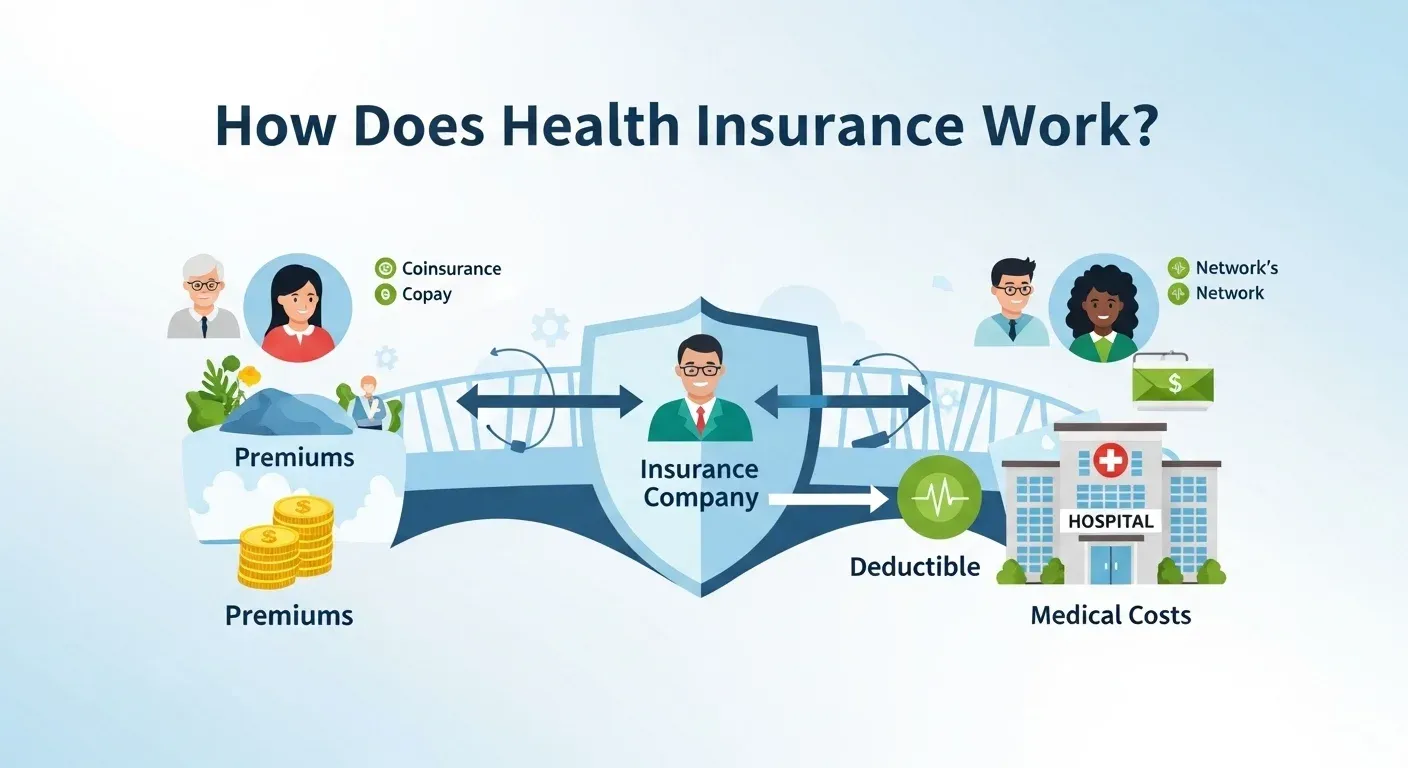
Amazon provides what is widely considered one of the most comprehensive health insurance packages in the retail and technology sectors, notable for its "Day One" eligibility. Employees have access to high-quality medical, dental, and vision plans, often featuring low premiums and integrated primary care through One Medical and Amazon Pharmacy.
For many job seekers and current employees, the question of whether "Amazon does have good health insurance" is a primary factor in their career decisions. In 2026, employer-sponsored healthcare remains a complex landscape, but Amazon’s offerings consistently rank highly due to their accessibility, cost-sharing structures, and the integration of modern digital health tools. This guide explores the specifics of these plans, the costs involved, and how the "Shared Deductible" model distinguishes Amazon from other major employers.
Eligibility and the "Day One" Advantage
One of the most significant features of Amazon’s health insurance is that coverage begins on the very first day of employment. While many large corporations require a 30, 60, or even 90-day waiting period before benefits kick in, Amazon allows full-time and many reduced-time employees to enroll and receive coverage immediately upon their start date.
Who Qualifies for Coverage?
Eligibility is primarily determined by the number of hours an employee is scheduled to work per week.
- Full-Time Employees: Those working 40 hours per week have access to the full suite of medical, dental, and vision benefits.
- Reduced-Time Employees: Those working between 30 and 39 hours per week are typically eligible for the same benefits as full-time staff, though premium costs may vary slightly.
- Part-Time (Class Q and Class P) Employees: In many regions, employees working 20 to 29 hours per week have access to limited medical coverage or dental and vision benefits, though they may not have access to the flagship "Shared Deductible" or "HSA" plans available to full-time staff.
This immediate access is a critical safety net for individuals transitioning between jobs or those who cannot afford a gap in coverage for chronic condition management.
Detailed Breakdown of Medical Plan Options
Amazon generally partners with major national carriers like Premera Blue Cross and Aetna (or Kaiser Permanente in specific regions) to administer their plans. In 2026, employees typically choose between three primary types of medical plans, each designed to balance monthly premium costs against out-of-pocket expenses.
1. The Shared Deductible Plan
The Shared Deductible Plan is often cited as the most balanced option for families and individuals with moderate healthcare needs. In this model, Amazon pays a significant portion of the employee's deductible. For example, if a plan has a $1,000 deductible, Amazon might cover the first $500 through a Health Reimbursement Account (HRA). The employee only pays the remaining $500 before the plan's coinsurance kicks in.
This "shared" approach significantly lowers the barrier to accessing care compared to traditional high-deductible plans found at other major retailers. Once the deductible is met, the plan typically covers 80% to 90% of in-network costs.
2. The Health Savings Account (HSA) Plan
The HSA Plan is a high-deductible health plan (HDHP) that allows employees to save money for medical expenses on a pre-tax basis. For 2026, Amazon continues to offer an employer contribution to the HSA, effectively giving employees "free" money to use toward their deductible or to save for future healthcare costs.
- Tax Advantages: Contributions are tax-deductible, growth is tax-free, and withdrawals for qualified medical expenses are tax-free.
- Portability: The money in an HSA belongs to the employee and stays with them even if they leave Amazon.
3. The In-Network Only (Standard) Plan
For employees who prefer predictable costs and do not plan to see out-of-network providers, the In-Network Only plan (often an EPO or HMO) offers lower deductibles and fixed co-pays for office visits. While it provides less flexibility in choosing specialists outside the network, it offers the highest level of cost certainty for routine care.
Comparison of 2026 Amazon Health Plan Features
The following table compares the general characteristics of the primary plans available to Amazon employees. Note that specific dollar amounts can vary based on geographic location and specific carrier (Premera vs. Aetna).
| Feature | Shared Deductible Plan | HSA Plan (HDHP) | In-Network Only Plan |
|---|---|---|---|
| Monthly Premium | Moderate | Lowest | Highest |
| Annual Deductible | Moderate (Partially Paid by Amazon) | High (Employer Contribution) | Low |
| Primary Care Co-pay | Coinsurance after deductible | Coinsurance after deductible | Fixed Co-pay ($20-$30) |
| Prescription Coverage | Tiered Coinsurance | Subject to Deductible | Fixed Co-pays |
| Network Flexibility | In and Out of Network | In and Out of Network | In-Network Only |
| Best For | Families/Chronic Care | Healthy/Savers | High Utilizers/Predictability |
Integration with the Amazon Health Ecosystem
As of 2026, Amazon has deeply integrated its internal healthcare acquisitions into its employee benefits package. This creates a "closed-loop" system that often results in faster care and lower costs for workers.
One Medical Integration
Amazon employees in many metropolitan areas receive a subsidized or free membership to One Medical. This primary care provider offers same-day or next-day appointments, high-end clinics, and a robust mobile app for virtual care. By making primary care easily accessible, Amazon reduces the likelihood of employees needing expensive emergency room visits for non-emergencies.
Amazon Pharmacy and RxPass
The insurance plans are tightly integrated with Amazon Pharmacy. For many common generic medications, employees can use the RxPass service, which provides unlimited eligible prescriptions for a low flat monthly fee. Furthermore, because Amazon Pharmacy is the "in-house" provider, shipping is expedited, and insurance claims are processed seamlessly within the Amazon ecosystem.
Amazon Clinic
For quick consultations regarding minor ailments—such as sinus infections, hair loss, or skin conditions—employees can use Amazon Clinic. This is a message-based or video-based service that provides rapid treatment plans and prescriptions without requiring a traditional office visit.
Dental and Vision Coverage
Beyond medical insurance, Amazon provides robust dental and vision plans. These are often administered by Delta Dental and VSP.
- Dental: Most plans cover 100% of preventive care (cleanings and X-rays) and 50% to 80% of major procedures like crowns or root canals. Orthodontia coverage is also a standard feature in many Amazon dental tiers, which is a highly valued benefit for families with children.
- Vision: The vision plan typically covers one comprehensive eye exam per year with a small co-pay and provides a generous allowance for frames or contact lenses every 12 to 24 months.
Mental Health and Emotional Wellbeing
Recognizing the high-stress nature of fulfillment center work and corporate roles, Amazon has expanded its mental health benefits significantly by 2026. The Resources for Living (RFL) program provides:
- Free Counseling: Employees and their household members can access several free counseling sessions per issue, per year.
- 24/7 Support: A crisis line is available for immediate emotional support.
- Digital Tools: Access to apps for mindfulness, sleep improvement, and cognitive behavioral therapy (CBT) exercises.
Analyzing the Costs: Premiums and Out-of-Pocket Limits
While "good" is subjective, Amazon’s health insurance is objectively affordable when compared to the national average for employer-sponsored plans.
Monthly Premiums
For an individual, monthly premiums can be as low as $30–$60 for the HSA plan, while family coverage might range from $150 to $300 per month depending on the selected tier. These rates are significantly lower than what an individual would pay on the HealthCare.gov marketplace for comparable "Gold" or "Platinum" level coverage.
Out-of-Pocket Maximums
The "Out-of-Pocket Maximum" is the most an employee will have to pay in a plan year for covered services. Once this limit is reached, the insurance pays 100% of the cost. Amazon’s plans generally set these limits at levels that protect employees from financial ruin in the event of a catastrophic medical event, often ranging from $2,000 to $6,000 for individuals.
Potential Drawbacks and Considerations
Despite the high quality of the plans, there are factors that employees should consider before enrolling:
- Network Restrictions: If you choose the "In-Network Only" plan, you must ensure your preferred doctors are within the Aetna or Premera networks. Seeing an out-of-network doctor can result in the entire bill being the employee's responsibility.
- High Deductibles on HSA Plans: While the HSA plan has the lowest premium, it requires the employee to pay the full cost of non-preventive care until the deductible is met. This can be a financial strain if an injury or illness occurs early in the year before the HSA has been funded.
- Complex Claims: Like any major insurer, disputes over "medical necessity" can occur. Employees must be diligent in ensuring pre-authorizations are obtained for surgeries or specialized imaging like MRIs.
How to Enroll and Manage Benefits
Enrollment typically occurs during the onboarding process (New Hire Enrollment) or during the annual Open Enrollment period, which usually takes place in the fall.
- Access the Benefits Portal: Employees use the A to Z app or the Amazon Benefits website to view their options.
- Compare Plans: Amazon provides a "Plan Comparison Tool" that allows users to input their expected medical usage (e.g., "I see a doctor twice a year and take one generic drug") to see which plan offers the best value.
- Beneficiary Designation: It is important to designate beneficiaries for the life insurance and 401(k) portions of the benefits package at the same time as health enrollment.
For those needing help navigating the options, Amazon provides "Benefits Advocates"—third-party experts who can explain the nuances of each plan and help resolve billing issues with providers. Information on these advocates is available through the Amazon Jobs Benefits page.
Frequently Asked Questions
Does Amazon insurance cover therapy and mental health?
Yes, Amazon insurance plans cover mental health services, including therapy and psychiatric care. Most plans treat these as specialist visits, requiring a co-pay or coinsurance. Additionally, the Resources for Living program provides several free sessions per year for employees and their families, independent of the health insurance plan.
Can I keep my Amazon insurance if I switch to part-time?
It depends on the number of hours. If you drop below 30 hours per week (Reduced-Time), you may lose eligibility for the comprehensive medical plans and be moved to a limited-benefit plan or lose coverage entirely. If you leave Amazon, you are entitled to continue your coverage through COBRA, though you will have to pay the full premium plus a small administrative fee.
Does Amazon health insurance cover weight loss medication?
As of 2026, many of Amazon's plans have specific guidelines regarding GLP-1 medications and other weight-loss treatments. Coverage typically requires "prior authorization" and a diagnosis of a related condition like Type 2 diabetes or a specific BMI threshold. It is essential to check the specific formulary of your chosen plan (Premera or Aetna) for the most current coverage rules.
How does the Shared Deductible work?
The Shared Deductible is a unique feature where Amazon pays a portion of your annual deductible for you. For example, in a plan with a $1,000 deductible, the "Shared" portion means Amazon might pay the first $500 of your medical bills directly to the provider. You only begin paying your portion after Amazon's contribution is exhausted.
Is maternity coverage included in Amazon’s health insurance?
Yes, Amazon provides comprehensive maternity and newborn care. This includes prenatal visits, delivery, and postpartum care. Amazon also offers "Ramp Back" programs and paid parental leave, which complement the medical coverage to support new parents.
Recommendation for Employees
If you are evaluating whether to join Amazon or which plan to choose, the Shared Deductible Plan is generally the safest "default" choice for those who want a balance of low upfront costs and robust coverage. However, if you are generally healthy and want to build a tax-advantaged nest egg, the HSA Plan with Amazon’s employer contribution is financially superior over the long term. Regardless of the plan, ensure you download the One Medical and Amazon Pharmacy apps immediately upon hire to take full advantage of the integrated services that make Amazon’s insurance "good" by modern standards.