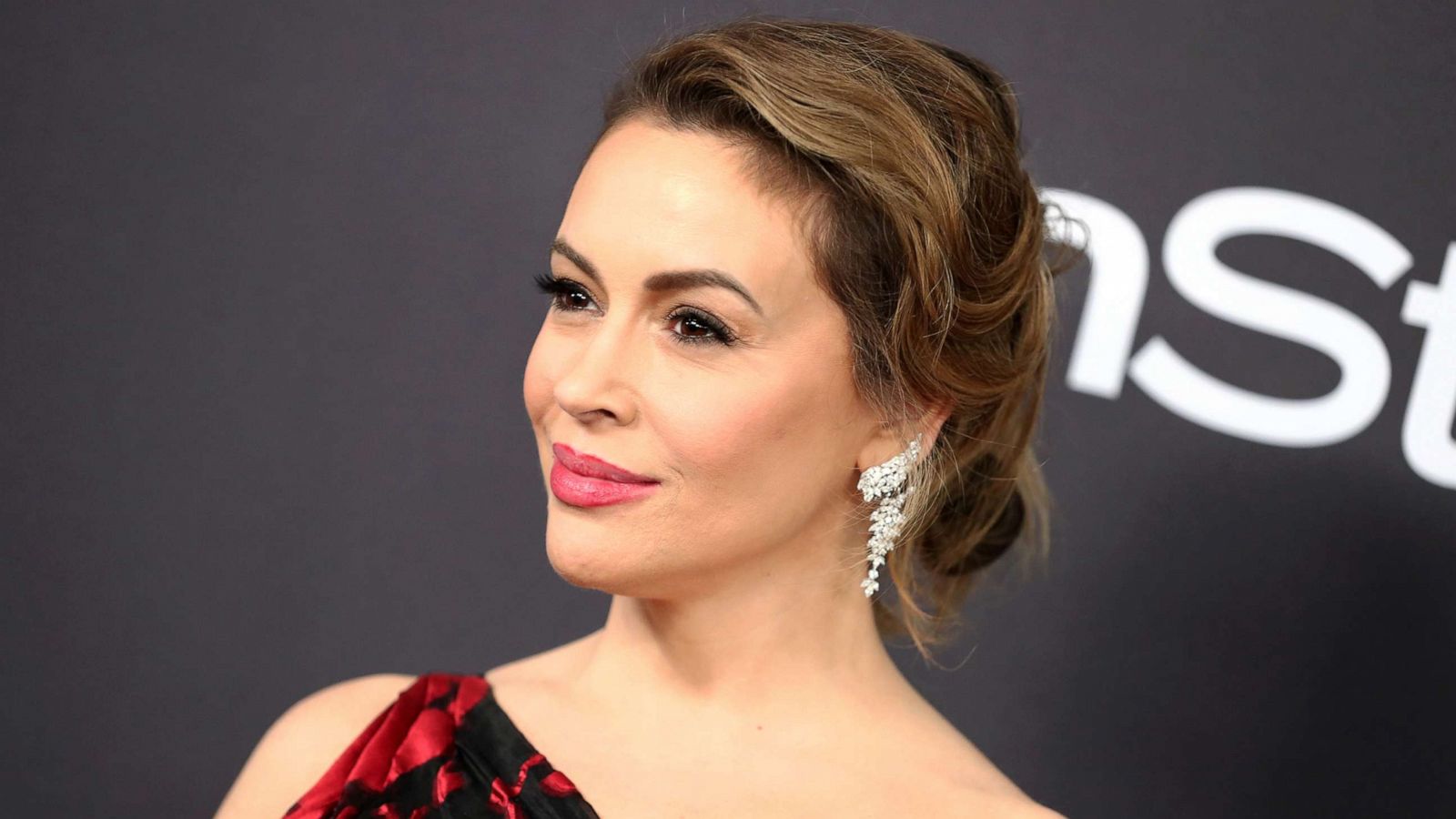
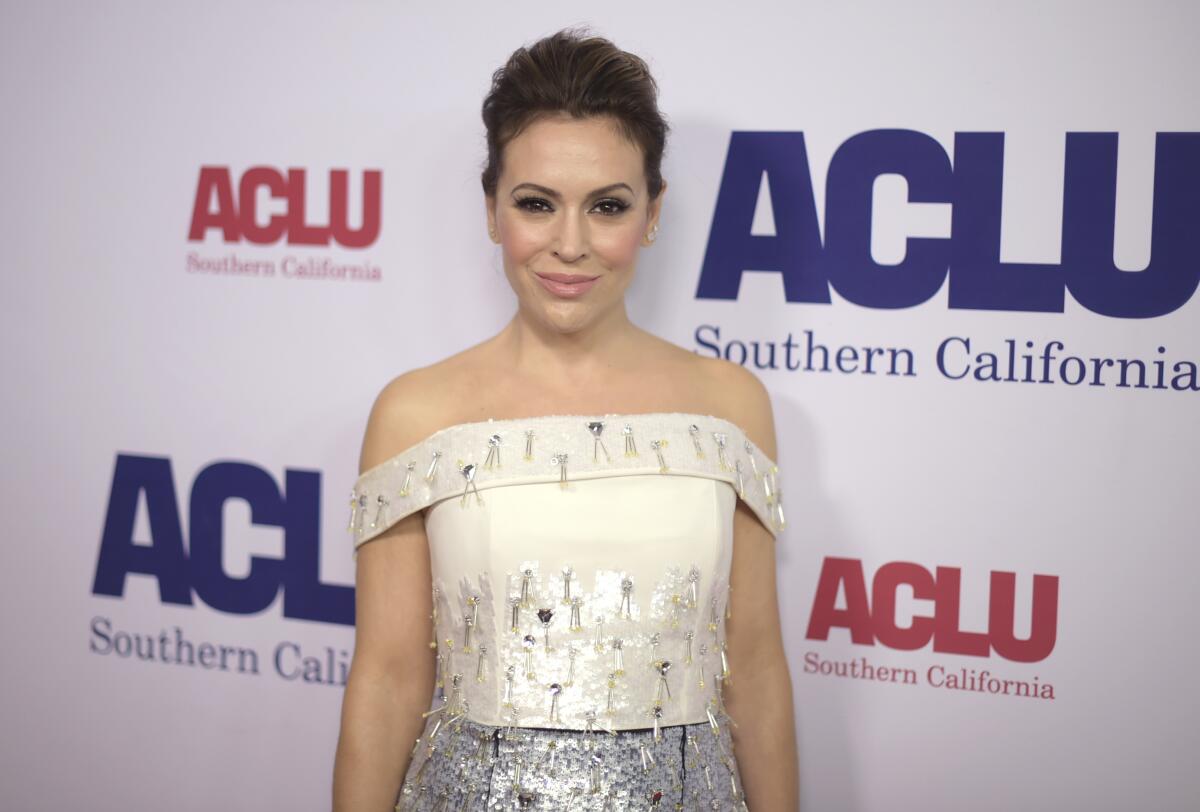
Alyssa Milano is a prominent advocate for reproductive freedom, leveraging her public platform to influence legislation, mobilize voters, and destigmatize abortion care. Her activism is defined by high-profile legislative boycotts, viral social media campaigns such as the 2019 "Sex Strike," and the transparent sharing of her personal medical history to advocate for bodily autonomy and federal protections.
Since emerging as a leading voice in the "Me Too" movement, Milano has integrated reproductive rights into a broader framework of gender equality. Her work often bridges the gap between Hollywood influence and grassroots political organizing, focusing on the intersection of healthcare access and civil liberties. By 2026, her efforts have shifted toward supporting state-level ballot initiatives and advocating for a federal codification of reproductive rights in a post-Roe legal landscape.
The Evolution of Alyssa Milano’s Advocacy
Alyssa Milano’s transition from actor to political powerhouse was not a sudden pivot but a gradual intensification of her long-standing philanthropic interests. While she had been a UNICEF National Ambassador since 2003, her focus on domestic policy, specifically reproductive rights, sharpened significantly during the late 2010s. This period was marked by an unprecedented wave of restrictive state-level "heartbeat bills" that sought to ban abortion as early as six weeks into pregnancy.
Milano recognized that as a public figure, she possessed "social capital" that could be converted into political pressure. Her strategy often involves three distinct pillars: economic leverage (boycotts), cultural narrative shifting (sharing personal stories), and direct legislative lobbying. By 2026, this multifaceted approach has made her one of the most recognizable, albeit polarizing, figures in the movement for reproductive healthcare.
The 2019 Georgia "Heartbeat Bill" Protest
One of Milano’s most consequential interventions occurred in 2019 when Georgia Governor Brian Kemp signed House Bill 481. The law was one of the strictest in the nation at the time, effectively banning abortion before many people knew they were pregnant. Because Georgia is a major hub for film and television production—often referred to as "Y'allywood"—Milano identified a unique point of leverage.
She spearheaded an open letter signed by over 50 prominent actors, including Amy Schumer, Sean Penn, and Alec Baldwin, stating they would urge their respective production companies to leave the state if the bill were enacted. This was not merely a symbolic gesture; it targeted the state's multi-billion dollar film tax credit industry.
Milano’s role in this protest was twofold. First, she acted as a liaison between the entertainment industry and local activists. Second, she faced the complex reality of a boycott that could potentially harm the very working-class crew members who lived in Georgia. To address this, she frequently consulted with local organizations like Fair Fight and the ACLU of Georgia to ensure her national advocacy did not undermine local democratic efforts.
The Viral "Sex Strike" and Cultural Narrative
In May 2019, Milano sparked an international conversation by calling for a "sex strike" in protest of restrictive abortion laws. Using the hashtag #SexStrike, she tweeted that women should abstain from sexual activity "until we get bodily autonomy back." The proposal was inspired by the ancient Greek play Lysistrata, in which women withheld sex to end a war.
While the campaign went viral, it also met with significant criticism from within the feminist movement. Some activists argued that the strike reinforced the patriarchal idea that sex is something women "give" to men, rather than a mutually enjoyable act. Others felt it ignored the lived realities of people for whom sexual agency is complicated by trauma or socioeconomic factors.
Despite the controversy, the #SexStrike achieved Milano’s primary goal: it forced the topic of reproductive rights into the mainstream news cycle for weeks. It served as a provocative entry point for people who might not typically engage with legislative news, demonstrating her ability to use "shock" advocacy to maintain public attention on a critical issue.
Personal Disclosure as a Political Tool
In August 2019, Milano took a deeply personal step by sharing her own abortion story on her podcast, Alyssa Milano: Sorry Not Sorry. She revealed that in 1993, she had two abortions while in her early 20s. She spoke candidly about how she was in a committed relationship but was not ready to be a parent, and how her career and future would have been fundamentally different without access to safe, legal healthcare.
This disclosure was a tactical move intended to combat the stigma surrounding abortion. By 1993 standards, Milano was a rising star, and by revealing her choice decades later, she joined a growing number of celebrities—including Busy Philipps and Jameela Jamil—who sought to humanize the statistics.
Breaking the Silence on Medical Necessity and Choice
In her advocacy, Milano emphasizes that abortion is not just a "political" issue but a fundamental healthcare requirement. She has frequently discussed how the decision to terminate a pregnancy is intertwined with economic stability, mental health, and the right to plan one's own life path. By 2026, her narrative has evolved to include the dangers of "medical deserts" created in states with total bans, where doctors are often hesitant to treat miscarriages or ectopic pregnancies for fear of prosecution.
Navigating the Post-Roe Landscape (2022–2026)
The 2022 Supreme Court decision in Dobbs v. Jackson Women's Health Organization, which overturned Roe v. Wade, marked a turning point in Milano’s activism. The focus shifted from "protection" to "restoration." In the years between 2022 and 2026, Milano has been a fixture at protests in Washington D.C. and has spent significant time in "swing states" where abortion rights were on the ballot.
Advocacy for State Ballot Initiatives
Milano has been a vocal supporter of movements in states like Michigan, Ohio, and Florida to enshrine reproductive rights into state constitutions. Her role often involves:
- Fundraising: Utilizing her social media following to raise millions for grassroots organizations.
- Canvassing: Appearing at "get out the vote" rallies to energize younger voters.
- Digital Education: Creating simplified content that explains complex ballot language to her followers.
By 2026, her advocacy has helped normalize the idea that reproductive rights are a "winning issue" for voters across the political spectrum, as evidenced by the success of several state-level amendments.
| Action Type | Key Event | Primary Objective | Long-term Impact |
|---|---|---|---|
| Legislative | Georgia HB 481 Boycott | Economic pressure on lawmakers | National awareness of "Heartbeat Bills" |
| Cultural | #SexStrike | Viral discourse on bodily autonomy | Mainstreamed the conversation on reproductive agency |
| Personal | Podcast Disclosure (2019) | Destigmatization of abortion | Encouraged public figures to share personal stories |
| Political | 2024 Election Mobilization | Supporting pro-choice candidates | Contributed to high youth voter turnout |
| Legal | Support for ERA | Constitutional protection for gender | Linked reproductive rights to broader civil rights |
Key Strategies and Legislative Focus
Milano’s activism is not limited to social media. She is a frequent visitor to Capitol Hill, meeting with lawmakers to discuss the Women’s Health Protection Act (WHPA) and the Equal Rights Amendment (ERA). She argues that without the ERA, women’s rights—including the right to reproductive healthcare—will always be subject to the whims of shifting political administrations.
The Equal Rights Amendment (ERA) Connection
Milano has long argued that the ERA is the "missing piece" of the American Constitution. In her view, if the ERA were fully ratified and recognized, it would provide a permanent legal basis for reproductive freedom by prohibiting discrimination based on sex. She often cites the work of legal scholars who believe that abortion bans are a form of sex-based discrimination because they only affect people with the capacity for pregnancy.
Critiques and Challenges in Celebrity Activism
While Milano is a hero to many in the reproductive rights movement, her role is not without critics. From the political right, she is often dismissed as a "Hollywood elite" who is out of touch with the values of middle America. Conversely, from the progressive left, she has been criticized for "performative activism" or for overshadowing the work of Black and Brown women who have been leading the reproductive justice movement for decades.
Milano has responded to these critiques by increasingly using her platform to "amplify" other voices. By 2026, her social media feeds and podcast often feature interviews with clinic directors, lawyers from the Center for Reproductive Rights, and organizers from groups like SisterSong. This shift suggests an awareness of her position and a desire to serve as a conduit for expert information rather than just a spokesperson.
Handling Backlash and Security
Engaging in abortion advocacy in a polarized climate carries significant personal risk. Milano has spoken about the harassment, doxxing, and threats she has faced. Her ability to remain a visible advocate in the face of such adversity is often cited by her supporters as a testament to her commitment. In 2026, she continues to advocate for the safety of healthcare providers and patients who face similar intimidation at clinics.
Frequently Asked Questions
Why did Alyssa Milano call for a sex strike?
In 2019, Milano proposed a #SexStrike to protest restrictive abortion laws in states like Georgia. Her goal was to demonstrate that women have power over their bodies and to force a national conversation about the implications of losing bodily autonomy. While controversial, it successfully drew global media attention to the legislative battles occurring at the state level.
What is Alyssa Milano’s personal experience with abortion?
Milano shared in 2019 that she had two abortions in 1993. At the time, she was in a serious relationship but felt unready for motherhood and wanted to focus on her burgeoning career. She has stated that this choice allowed her to build the life and family she eventually had when she was ready, and she uses her story to help destigmatize the procedure.
How does Alyssa Milano link the ERA to abortion rights?
Milano believes that the Equal Rights Amendment (ERA) is essential because it would provide a constitutional guarantee of equality regardless of sex. She argues that because abortion restrictions disproportionately affect women and people capable of pregnancy, such laws would be harder to defend under a Constitution that explicitly forbids sex-based discrimination.
What is Alyssa Milano’s current focus in 2026?
As of 2026, Milano is heavily involved in supporting state-level ballot initiatives to protect reproductive rights and lobbying for federal legislation like the Women’s Health Protection Act. She also focuses on the intersection of reproductive rights and voter suppression, arguing that those who restrict healthcare access often also try to limit access to the ballot box.
Has Alyssa Milano’s activism affected her career?
Milano has acknowledged that her outspoken political views have likely cost her certain acting roles or endorsement deals. However, she has stated that her activism is more important to her than her career longevity in Hollywood, and she has successfully transitioned into producing and hosting content that aligns with her values.
Practical Steps for Supporting Reproductive Rights
For those looking to engage with the movement alongside advocates like Milano, the following steps are recommended:
- Support Independent Clinics: Many people focus on large organizations, but local, independent clinics often provide the majority of abortion care and are most vulnerable to legislative changes.
- Engage with State Elections: Reproductive rights are currently being decided at the state level. Researching state supreme court candidates and local representatives is crucial.
- Educate and Destigmatize: Sharing accurate information about the safety of medication abortion (pills) and the reality of reproductive healthcare can help counter misinformation.
- Vote on Ballot Initiatives: In states where reproductive rights are on the ballot, ensure you are registered and understand the specific language of the amendments.
The trajectory of Alyssa Milano’s activism highlights the changing nature of celebrity influence. In 2026, her work stands as a case study in how public figures can move beyond social media posts to engage in substantive, long-term legislative and cultural change.