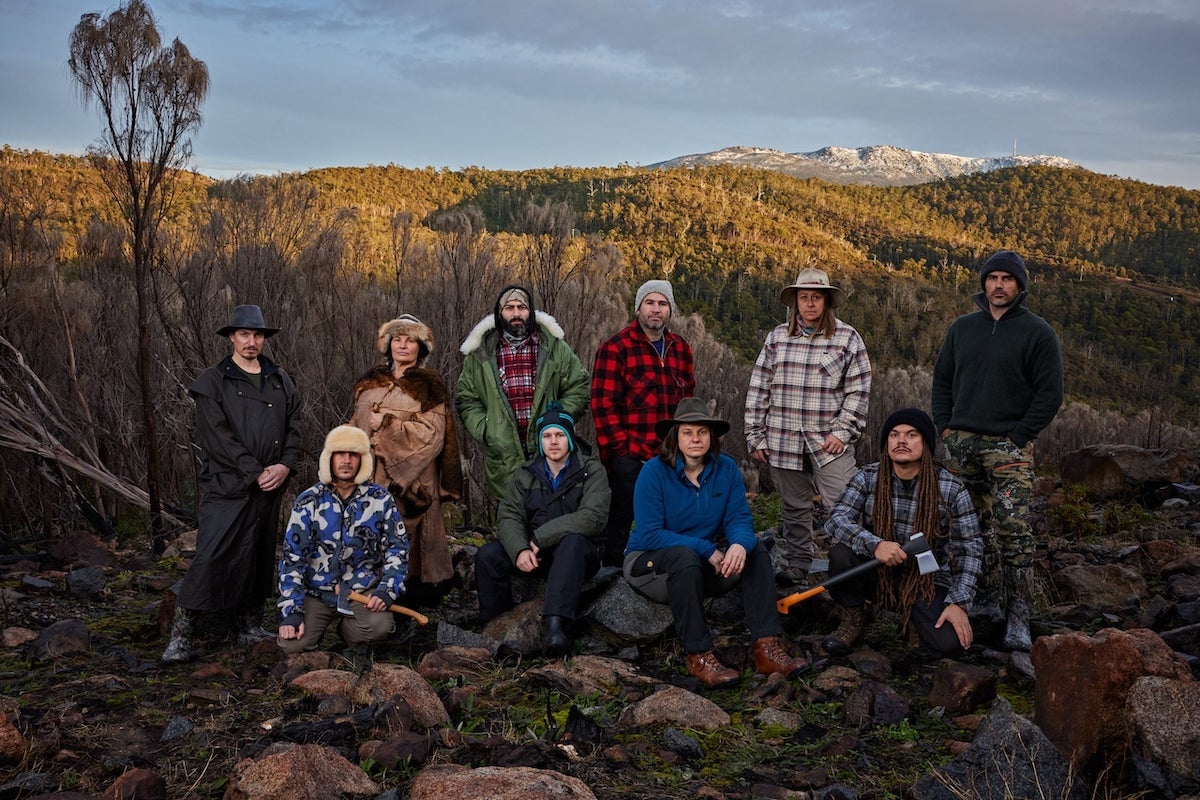
The Alone History Channel series is a groundbreaking survival competition where ten participants are dropped into remote wilderness locations to live in total isolation for as long as possible. Unlike other reality shows, contestants must film themselves, procure their own food, and build shelters with only ten specialized items of gear. The last person remaining wins a grand prize, typically $500,000.
Since its debut, the series has redefined the survival genre by focusing on the raw psychological and physical realities of long-term isolation. By 2026, the show has expanded into a global franchise with multiple international iterations and spin-offs, yet the core premise remains the same: a grueling test of human endurance where the primary opponent is not other people, but nature and one's own mind.
The Core Premise: Total Isolation and Self-Documentation
The fundamental differentiator of the Alone History Channel series is the absence of a camera crew. In traditional survival shows, a production team is always present behind the lens, providing a subtle psychological safety net. In Alone, participants are truly alone. They are provided with a kit of professional camera equipment and are required to document their daily lives, struggles, and internal monologues.
This self-filming requirement adds a massive layer of difficulty. Participants must carry roughly 60 to 100 pounds of camera gear, including multiple cameras, tripods, and a staggering number of batteries. They must consider lighting, framing, and storytelling while simultaneously battling starvation and hypothermia. This format provides viewers with an unprecedented look at the psychological deterioration that occurs during prolonged social deprivation.
The "win" condition is simple but brutal: stay longer than anyone else. There is no set end date. In some seasons, the winner has stayed for over 60 days, while in others, such as the "Million Dollar Challenge" in the Arctic (Season 7), the goal was to survive 100 days.
The Rules and Regulations of the Wilderness
While the show emphasizes freedom, participants must adhere to strict rules to ensure the legality of the production and the safety of the individuals. These rules are often the primary reason participants struggle to find food.
Local Hunting and Fishing Laws
Contestants must follow the local game laws of the region where they are dropped. For example, if a season is filmed in British Columbia, participants must abide by specific seasonal regulations regarding which fish can be kept, what size they must be, and which animals are protected. In many seasons, participants have been surrounded by big game like grizzly bears or caribou but were legally unable to hunt them because the season had not yet opened or they lacked the specific permit allowed by the local government for that production window.
Geographic Boundaries
Each participant is assigned a specific "territory" or "plot" of land. These plots are usually several square miles in size, providing enough room to hunt and forage without overlapping with other contestants. Participants are forbidden from leaving their designated zone or attempting to find other contestants. This ensures that the "alone" aspect of the show is strictly maintained.
The Medical Check-In
To prevent permanent physical damage or death, the production team conducts regular medical check-ins. As the competition progresses and participants lose significant body mass, these checks become more frequent. If a participant’s Body Mass Index (BMI) drops below a certain threshold (typically around 17), or if they show signs of organ failure or severe mental instability, the medical team will "pull" them from the competition. This is often a point of heartbreak for contestants who have the mental will to continue but whose bodies are failing.
The Strategy of the 10 Items
One of the most discussed aspects of the Alone History Channel series explained to new viewers is the gear list. While participants are given a "standard kit" of clothing, emergency communication devices, and camera gear, they are allowed to choose exactly 10 items from a pre-approved list of survival tools.
The selection of these items often determines a participant’s longevity. Most contestants choose a mix of tools for shelter, water, and food procurement.
Common Gear Selections
- Axe or Saw: Crucial for processing large amounts of firewood to survive freezing temperatures.
- Sleeping Bag: Usually rated for -40 degrees Fahrenheit, especially in Arctic or high-altitude seasons.
- Cooking Pot: Essential for boiling water to make it safe for consumption and for rendering fat or making stews.
- Ferrocerium Rod: A reliable way to start hundreds of fires regardless of the weather conditions.
- Gill Net: Often considered the most effective way to catch fish passively while the participant focuses on other tasks.
- Rations: Some choose to bring 2 lbs of food (like jerky or salt) as a safety net, though many experts prefer a tool that can provide food indefinitely, like a bow and arrows.
The Trade-off
The strategy lies in what you leave behind. Choosing a bow and arrows might mean sacrificing a multi-tool or a shovel. In later seasons, we have seen a shift toward more "passive" food procurement tools, such as wire for trapping small game (snares), as hunting big game is high-risk and high-energy.
Psychological Warfare: The "Tap Out"
In Alone, the vast majority of participants do not leave because of a medical emergency; they "tap out" by pressing a button on their satellite phone. The reasons for tapping out are almost always psychological.
After 30 or 40 days of total silence, participants begin to experience "rewilding," a state where their senses become hyper-acute, but their emotional stability wavers. Common themes include:
- Missing Family: The lack of social interaction causes participants to fixate on their loved ones, often leading to a realization that the money isn't worth the time spent away from home.
- Starvation-Induced Depression: The brain requires glucose and fat to function. As the body enters ketosis and then begins consuming its own muscle tissue, cognitive function declines, leading to hopelessness.
- The "Silence": Without the distractions of modern life, participants are forced to confront their past traumas and internal conflicts, which can be overwhelming in a survival situation.
Key Seasons and Locations
The environment is as much a character in the show as the participants. Over the years, the Alone History Channel series has moved across the globe to present new challenges.
| Season | Location | Primary Challenge | Notable Outcome |
|---|---|---|---|
| Season 1 | Vancouver Island, BC | Constant rain and predators (cougars/wolves). | Established the "standard" for the series. |
| Season 4 | Vancouver Island, BC | Duo format (teams of two). | Tested interpersonal relationships under stress. |
| Season 6/7 | Great Slave Lake, NWT | Sub-zero Arctic temperatures. | Season 7 featured the 100-day "Million Dollar Challenge." |
| Season 9 | Labrador, Canada | Polar bear territory and heavy snow. | Focused on the difficulty of winter foraging. |
| Season 11 | Mackenzie River Delta | Extreme northern latitude. | Showcased advanced fishing and trapping techniques. |
The Role of Production and Safety
While the participants are alone, there is a sophisticated support system in place that viewers rarely see. The "Base Camp" is usually located within a helicopter flight's distance from the participants.
Emergency Response
Participants carry a GPS tracker and a satellite phone. If they encounter a life-threatening situation—such as a bear entering their tent or a severe injury—they can trigger an SOS. The production team guarantees a response, though weather conditions can sometimes delay rescue flights, adding to the tension of the experience.
Environmental Impact
The show operates under "Leave No Trace" principles. Once a participant taps out or wins, a crew arrives to dismantle the shelter and restore the site as closely as possible to its original state. This is a requirement for many of the permits granted by indigenous lands or national parks.
FAQs About the Alone History Channel Series
Do Alone contestants get paid if they don't win?
Participants do not receive a "salary" in the traditional sense, but they are typically compensated with a weekly stipend to cover their bills and lost wages at home while they are filming. However, only the last person standing wins the grand prize (usually $500,000).
Where do the contestants go to the bathroom?
Contestants must manage their own hygiene. Most dig a "latrine" or "cat hole" a safe distance away from their shelter and water source. In many seasons, they are required to follow specific waste management protocols to avoid attracting predators like bears or wolves to their camp.
Is the show Alone scripted or fake?
There is no evidence that Alone is scripted. The raw, unpolished nature of the footage—including technical errors, out-of-focus shots, and the genuine physical deterioration of the contestants—supports its authenticity. Furthermore, many participants are well-known figures in the survival community whose reputations depend on their skills.
Can they bring a gun for protection?
No. Participants are not allowed to bring firearms. For protection against large predators, they are typically provided with bear mace and, in some locations, air horns or flares. If they choose a bow and arrows as one of their 10 items, they can use it for hunting, but never for defense against protected predators unless in a life-or-death situation (which would likely end their time on the show).
How do they charge their camera batteries?
Participants are given a specific "drop" of fresh batteries and memory cards during their medical check-ins. They trade out their used media and dead batteries for fresh ones. They do not have access to any other outside resources or information during these brief exchanges.
Practical Recommendations for Fans and Aspiring Survivalists
If you are looking to dive deeper into the world of the Alone History Channel series, the best way to understand the technical skills involved is to watch the "Skills Challenge" spin-offs or read the blogs of past winners like Jordan Jonas or Roland Welker. These individuals often provide context that doesn't make it into the final edit, such as the specific types of wood used for different fire-starting techniques or the intricacies of cleaning a calorie-dense animal like a beaver.
For those interested in testing their own limits, start with a "Leave No Trace" camping trip using only five of the items from the Alone gear list in a controlled environment. Understanding the caloric "burn vs. gain" ratio is the first step in realizing just how difficult the participants have it on the show.