Alligators are native inhabitants of the Guadalupe River, though their presence varies significantly depending on which section of the river you visit. While sightings are common in the lower, slow-moving reaches near the Texas coast, they are rare in the swifter, spring-fed waters of the upper Guadalupe. Understanding their behavior and habitat is essential for safe recreation in 2026.
The Guadalupe River, stretching over 230 miles from the Hill Country to the Gulf of Mexico, represents a diverse ecological corridor. For residents and tourists alike, the question of whether alligators inhabit these waters is often met with a mix of curiosity and concern. The American Alligator (Alligator mississippiensis) is a protected species in Texas and plays a vital role as an apex predator in the river’s ecosystem. However, the likelihood of encountering one depends heavily on geography, water temperature, and local environmental conditions. As human development continues to interface with natural habitats, staying informed about alligator behavior, legal protections, and safety protocols is the best way to ensure a peaceful coexistence with these prehistoric reptiles.
Geographic Distribution: Where Alligators Live in the Guadalupe
The Guadalupe River is often categorized into three distinct segments: the Upper, Middle, and Lower Guadalupe. Alligator populations are not distributed evenly across these segments due to differences in water temperature, current speed, and available prey.
The Lower Guadalupe (Victoria to the Gulf)
The lower section of the river, passing through Victoria and Calhoun counties, is prime alligator territory. Here, the river slows down, the water becomes murkier, and the surrounding landscape transitions into coastal prairies and marshes. These conditions are ideal for alligators, which prefer stagnant or slow-moving freshwater. In this region, sightings are not just possible; they are expected. The wetlands surrounding the river mouth at San Antonio Bay provide extensive nesting grounds and abundant food sources like fish, turtles, and small mammals.
The Middle Guadalupe (Seguin to Gonzales)
As you move inland toward cities like Seguin, Gonzales, and Cuero, the alligator population becomes more sparse but remains established. In 2026, sightings in these areas are occasionally reported, particularly in backwater sloughs or quiet bends of the river where the current is minimal. During periods of heavy flooding, alligators may be displaced from their usual habitats and moved further upstream or into residential drainage areas, leading to increased human-wildlife encounters.
The Upper Guadalupe (Canyon Lake to New Braunfels)
The upper reaches of the Guadalupe, famous for tubing and trout fishing near New Braunfels and Canyon Lake, are generally considered "alligator-free" by the general public, though "rare" is a more scientifically accurate term. The water here is often too cold and the current too swift for alligators to thrive. While there have been sporadic reports of sightings near Canyon Lake over the decades, these are usually isolated incidents involving wandering individuals or, in rare cases, illegally released pets. For the vast majority of recreational users in Comal County, alligators are not a primary concern.
Understanding Alligator Behavior and Seasonal Activity
To navigate the Guadalupe River safely, one must understand the lifecycle and daily habits of the American Alligator. They are ectothermic (cold-blooded), meaning their activity levels are dictated by the ambient temperature.
Spring (Mating and Nesting): April through June is the most active time for alligators. This is the mating season, and large males may travel significant distances to find mates, sometimes crossing land or appearing in unusual locations. Female alligators become highly protective of their nests during late summer. If you see a pile of decomposing vegetation near the riverbank, it may be a nest; stay far away, as a mother alligator will defend it aggressively.
Summer (Basking and Hunting): During the heat of the Texas summer, alligators are often seen basking on logs or muddy banks to regulate their body temperature. They are most active at night, which is when they primarily hunt. For kayakers and campers, this means being extra cautious during dawn, dusk, and overnight hours.
Winter (Brumation): In the colder months, alligators enter a state of brumation, a reptilian version of hibernation. They become lethargic and often retreat into burrows or deep underwater holes. While they may emerge on a particularly warm winter day to soak up the sun, the risk of a confrontation is at its lowest during this season.
Safety Guidelines for River Users
Safety in alligator country is largely a matter of common sense and respect for the animal’s space. Alligators are naturally shy and generally avoid human contact unless they have been "conditioned" to associate humans with food.
For Swimmers and Waders
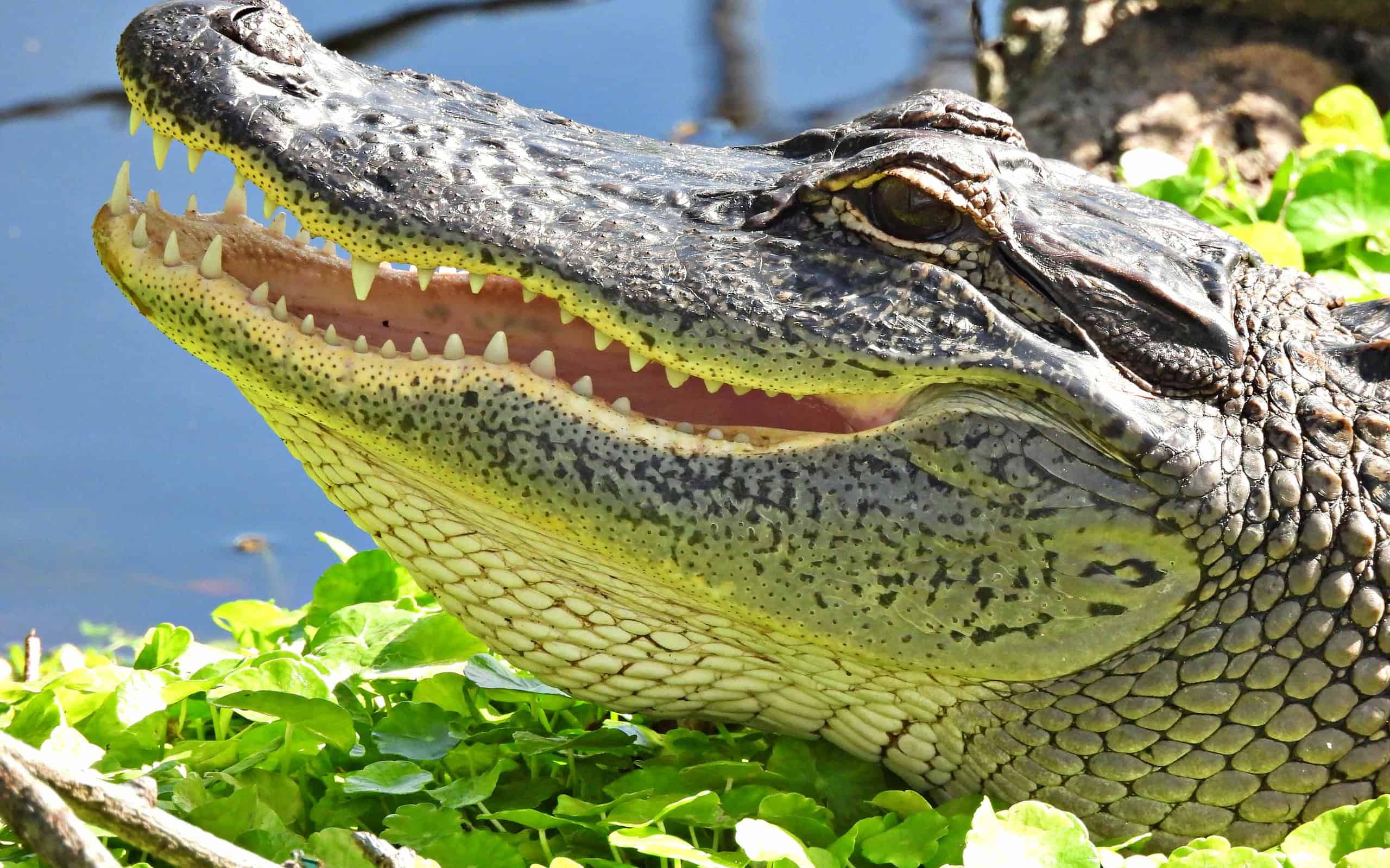
If you are swimming in the lower Guadalupe, stay in cleared areas and avoid swimming at night. Alligators have an extraordinary sense of smell and can detect movement in the water through pressure-sensitive receptors on their jaws. Splashing can mimic the sound of a struggling animal, which may attract an inquisitive alligator. Always keep children close to the shore and under constant supervision.
For Kayakers and Canoeists
Paddlers are likely to see alligators basking on the banks. If you encounter an alligator while on the water, maintain a distance of at least 30 feet. Do not attempt to "edge" closer for a photograph. If an alligator hisses, you are too close. Simply paddle past calmly; the alligator will likely slide into the water to get away from you. It is a common myth that alligators will chase boats; in reality, they are looking for an escape route.
For Pet Owners
Pets are at the highest risk during alligator encounters. A dog swimming in the river or running along the bank looks like natural prey (such as a deer or raccoon) to an alligator. In 2026, wildlife officials continue to stress that pets should be kept on a leash and away from the water’s edge in known alligator habitats, particularly in the Victoria and coastal segments of the river.
The Legal Status of Alligators in Texas
The Texas Parks and Wildlife Department (TPWD) manages alligator populations under strict state and federal guidelines. The American Alligator was once an endangered species but has made a remarkable recovery.
- Feeding is Illegal: Under Texas law, it is a Class C misdemeanor to intentionally feed a free-ranging alligator. Feeding causes alligators to lose their natural fear of humans, leading them to approach boats or docks looking for handouts. These "habituated" alligators eventually become dangerous and must be destroyed by authorities.
- Hunting Regulations: Alligator hunting is highly regulated in Texas. There are "core" counties and "non-core" counties, each with different permit requirements and seasons (typically in September). You cannot simply kill an alligator on the Guadalupe River because you find it threatening; you must have the proper licenses and tags.
- Nuisance Alligator Protocol: TPWD defines a "nuisance alligator" as one that is at least four feet long and presents a clear threat to people or property. If an alligator is simply visible in the river, it is not considered a nuisance. However, if an alligator is lurking in a swimming hole or approaching people, you should contact a TPWD game warden or a licensed nuisance alligator control hunter.
Regional Habitat Comparison Table
This table summarizes the likelihood and habitat characteristics of alligators across different sections of the Guadalupe River as of 2026.
| River Segment | Key Locations | Alligator Presence | Primary Habitat Type | Risk Level for Swimmers |
|---|---|---|---|---|
| Upper Guadalupe | New Braunfels, Canyon Lake | Extremely Rare | Rocky, swift, cold water | Very Low |
| Middle Guadalupe | Seguin, Gonzales, Cuero | Occasional | Deep pools, muddy banks | Low to Moderate |
| Lower Guadalupe | Victoria, Bloomington | Common | Slow water, marshes, sloughs | Moderate |
| Guadalupe Delta | Tivoli, San Antonio Bay | Very Common | Estuaries, brackish wetlands | High (Use Caution) |
Common Misconceptions About Texas Alligators
There are several myths that contribute to unnecessary fear or dangerous complacency regarding alligators in the Guadalupe River.
Myth: Alligators can run 30 miles per hour on land. While alligators can lung quickly or move in short bursts on land, they are not built for long-distance running. They are much more dangerous in the water. On land, their primary instinct is to retreat to the safety of the water.
Myth: If an alligator is hissing, it is about to attack. Hissing is a warning. It is the alligator’s way of saying, "You are too close; back away." It is a defensive behavior, not an offensive one. If you hear a hiss, backing away slowly will almost always resolve the situation.
Myth: Alligators in the river are actually crocodiles. While the American Crocodile does exist in the extreme southern tip of Florida, they are not found in Texas. Any large, scaly reptile you see in the Guadalupe River is an American Alligator.
Environmental Importance of Alligators
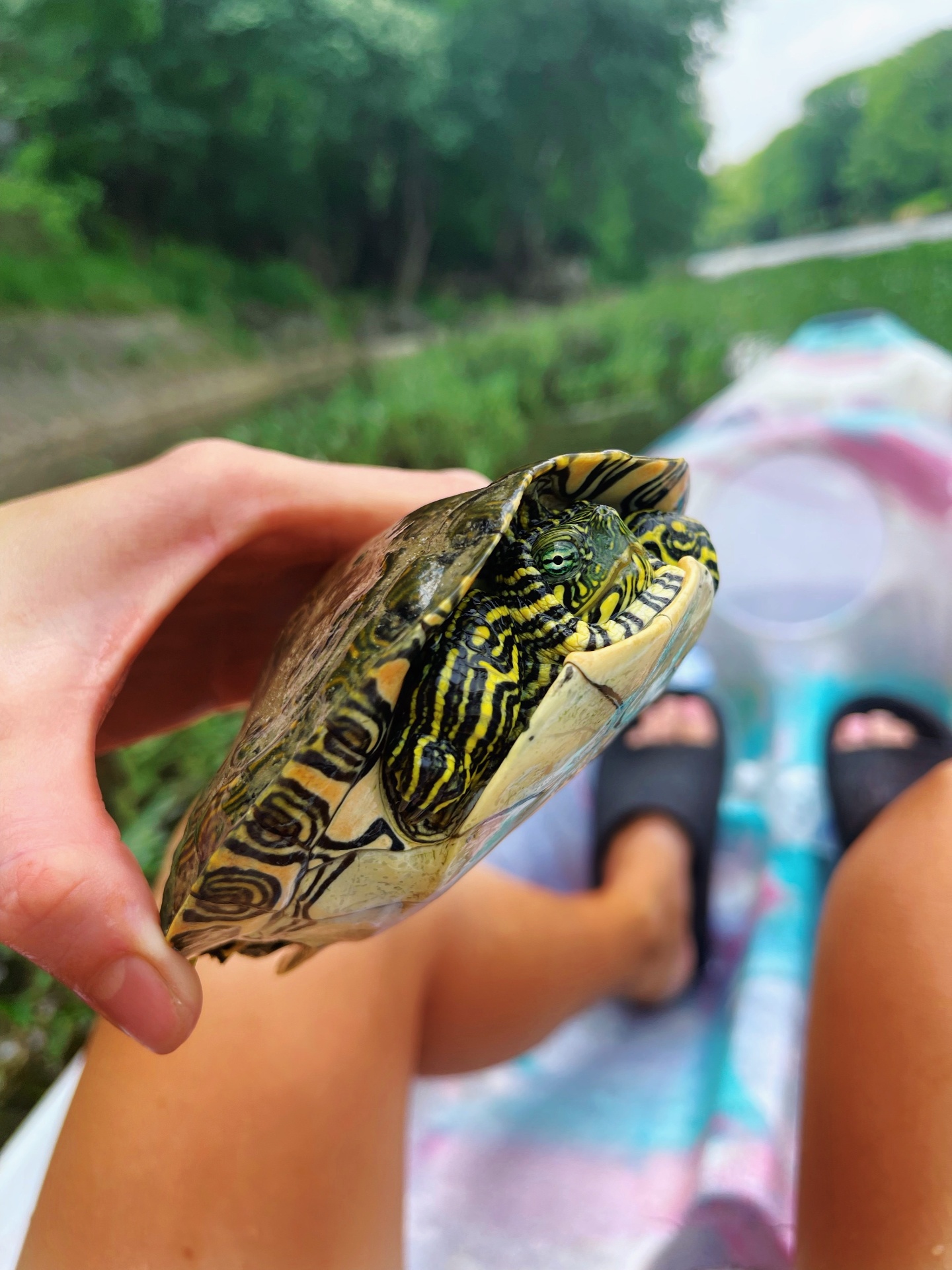
It is important to remember that alligators are not "pests" but essential components of the Guadalupe River's health. As apex predators, they help control the populations of other species, such as nutria (an invasive rodent) and certain types of fish and turtles.
Furthermore, alligators are "ecosystem engineers." During droughts, they use their tails and snouts to dig "alligator holes" in the riverbed. These holes retain water when the rest of the river dries up, providing a critical refuge for fish, amphibians, and birds until the rains return. By protecting alligators, we protect the biodiversity of the entire Texas river system.
Frequently Asked Questions
Are there alligators in the Guadalupe River in New Braunfels?
While technically possible, it is extremely rare. The water in the New Braunfels area is fed by the Comal and San Marcos springs, making it relatively cool and fast-moving. Alligators prefer the warmer, slower-moving waters found downstream. Most "sightings" in this area turn out to be large logs or beaver activity.
What should I do if an alligator approaches my boat?
Do not panic. Stop paddling or turn off your motor and allow the alligator to pass. In most cases, the alligator is simply crossing the river or is curious. Do not throw food at it or poke it with a paddle. If the alligator persists in following you, it has likely been fed by humans in the past and should be reported to the Texas Parks and Wildlife Department.
Is it safe to kayak the Guadalupe River near Victoria?
Yes, it is safe, provided you follow basic precautions. Stick to the middle of the channel, avoid paddling through heavy vegetation where nests might be located, and do not bring small pets on the kayak. Local outfitters in the Victoria area are well-versed in alligator safety and can provide current sighting information.
How can I tell the difference between a log and an alligator?
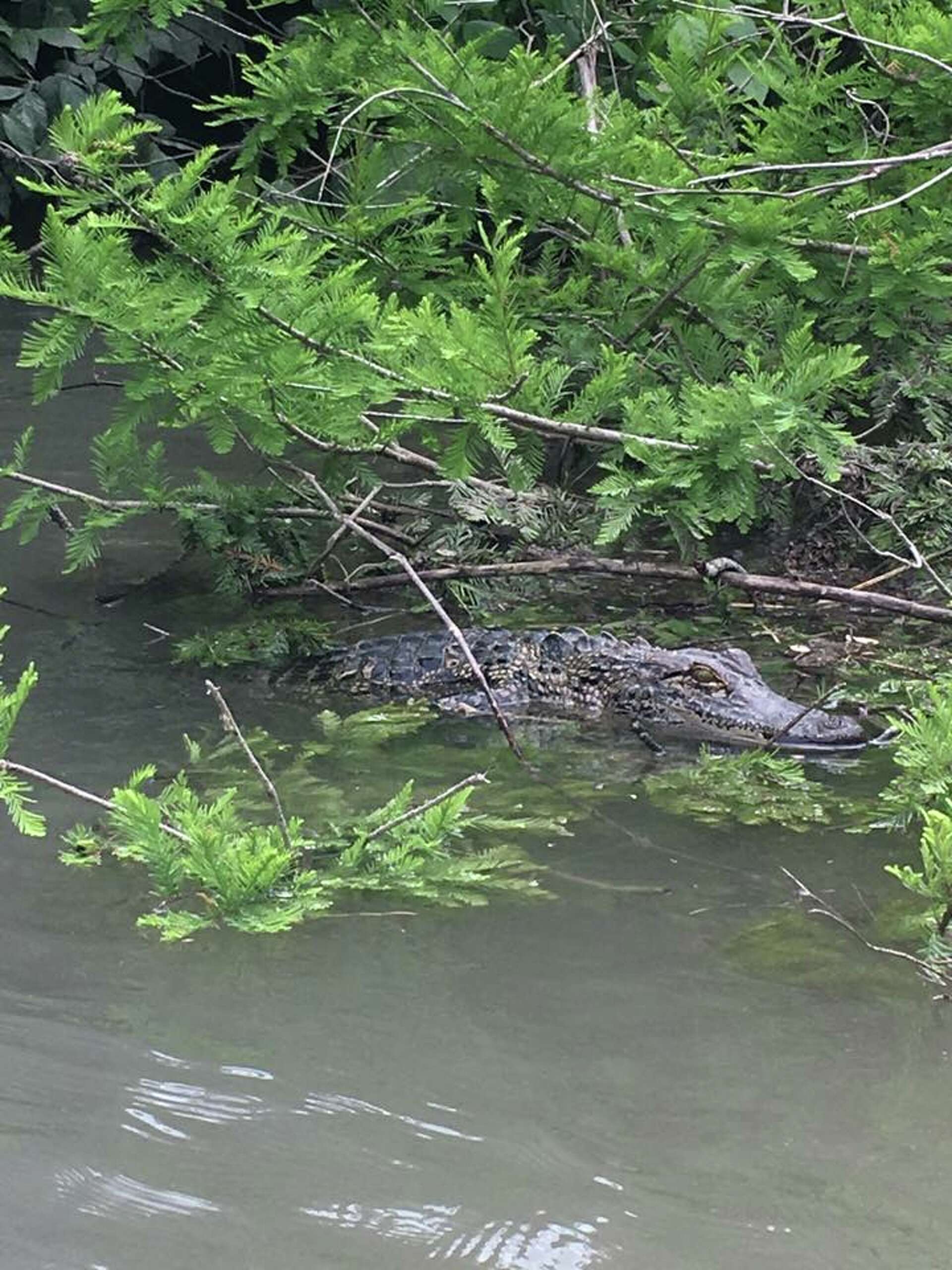
Look for the "eyes and snout" profile. An alligator floating at the surface will show two distinct bumps (the eyes) and a single bump at the end of the snout. Unlike a log, an alligator will eventually submerge or change direction against the current.
Can I swim in the Guadalupe River if alligators are present?
Swimming is generally safe in designated recreation areas. However, in the lower reaches of the river, you should avoid swimming at night or in areas with heavy lily pads or murky, stagnant water. Always check local signs; some parks in the lower Guadalupe basin may have specific warnings posted.
Recommendations for 2026 River Visitors
If you are planning a trip to the Guadalupe River in 2026, your best course of action is to match your activity to the river's geography. If you are looking for worry-free swimming and tubing, stick to the Upper Guadalupe and the areas around Canyon Lake. The geological and thermal conditions there remain unfavorable for alligator populations.
For those exploring the Middle or Lower Guadalupe, embrace the opportunity to see one of Texas's most impressive native species from a distance. Bring binoculars, stay in your vessel, and never, under any circumstances, feed the wildlife. If you own property along the river and encounter an alligator that is acting aggressively or won't leave a human-centric area, contact a TPWD game warden rather than attempting to handle the situation yourself. Coexistence is possible through education and respect for the natural boundaries of the Texas wilderness.