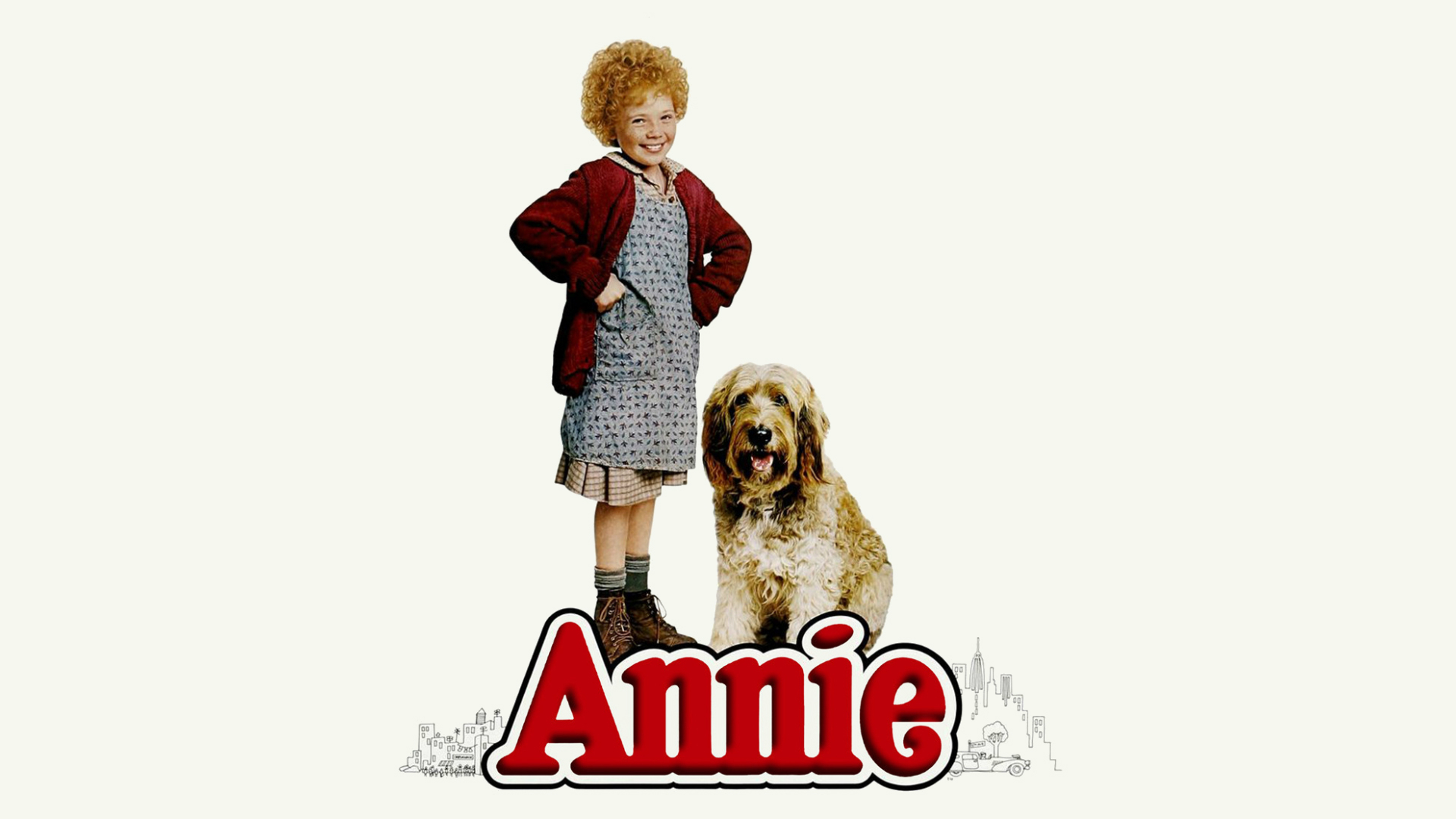
The "Annie" film franchise consists of four primary feature-length movies and one high-profile filmed stage production. These include the 1982 theatrical classic, the 1995 television sequel Annie: A Royal Adventure!, the 1999 Disney-produced television film, the 2014 modernized cinematic remake, and the 2021 televised special Annie Live!. Each iteration adapts the story of the optimistic orphan originally inspired by the 1924 comic strip Little Orphan Annie.
Since the red-headed orphan first stepped off the pages of Harold Gray’s comic strip and onto the Broadway stage in 1977, the story of Annie has become a cornerstone of American musical theater. While many people are familiar with the 1982 film starring Aileen Quinn, the franchise has actually evolved through several distinct versions, each reflecting the cultural and cinematic trends of its time.
Whether you are a lifelong fan looking to complete your collection or a newcomer trying to distinguish between the various adaptations, this guide provides a comprehensive breakdown of every "Annie" movie, their production histories, and how they compare to one another.
The 1982 Cinematic Debut: The Huston Classic
The 1982 film, simply titled Annie, is widely considered the "definitive" version for many generations. Directed by the legendary John Huston—an unusual choice for a musical, as he was known for gritty dramas like The Maltese Falcon—the film was a massive production for Columbia Pictures.
Casting and Production
After a nationwide search involving thousands of young girls, Aileen Quinn was selected to play the titular role. The supporting cast was a powerhouse of talent, featuring Albert Finney as Oliver "Daddy" Warbucks, Carol Burnett as the gin-soaked Miss Hannigan, Ann Reinking as Grace Farrell, and Tim Curry and Bernadette Peters as the villainous duo Rooster and Lily St. Regis.
The production was notable for its scale. The "Warbucks Mansion" was filmed at Monmouth University's Wilson Hall in New Jersey, providing a sense of opulence that felt grounded and real.
Musical Departure from Broadway
While the 1982 movie retained the core hits like "Tomorrow" and "It's the Hard Knock Life," it made several departures from the stage play. It introduced new songs like "Dumb Dog," "Sandy," and "Sign," while omitting stage favorites such as "N.Y.C." and "You Won't Be an Orphan for Long." The film also added an action-packed climax involving a helicopter and a bridge, moving away from the more intimate stage ending.
Annie: A Royal Adventure! (1995)
Often overlooked by casual fans, Annie: A Royal Adventure! is a direct-to-video and television sequel to the 1982 film. Released thirteen years after the original, it features an entirely new cast, as the original actors had long since outgrown their roles.
Plot and Setting
In this version, Annie (played by Ashley Johnson, who later became a prominent voice actress) travels to London with Daddy Warbucks (George Hearn). The plot involves a scheme to blow up Buckingham Palace, and Annie must team up with her friends to stop the villainous Lady Edwina Hoggins (Joan Collins).
Critical Reception
Unlike the other films in the franchise, A Royal Adventure! is not a musical. While it retains the characters, it functions more as a family adventure film. It is generally regarded as a "completionist" title rather than a core entry in the musical canon, as it lacks the Broadway DNA that defines the other adaptations.
The 1999 Disney Revival: A Return to the Stage Roots
In 1999, The Wonderful World of Disney aired a new television adaptation directed by Rob Marshall. Marshall, who would later go on to direct the Academy Award-winning Chicago, aimed to create a version that was more faithful to the original Broadway structure than the 1982 film had been.
A Broadway-Caliber Cast
The 1999 version is often cited by musical theater purists as the best adaptation. It featured Alicia Morton as Annie and a cast of seasoned Broadway veterans, including:
- Victor Garber as Oliver Warbucks
- Kathy Bates as Miss Hannigan
- Audra McDonald as Grace Farrell
- Alan Cumming as Rooster
- Kristin Chenoweth as Lily St. Regis
Faithful Adaptation
This version restored the songs "N.Y.C." and "You Won't Be an Orphan for Long," which were cut from the 1982 version. By focusing on the choreography and the emotional core of the characters rather than 1980s-style action set pieces, the 1999 film captured the "Depression-era" optimism that made the original play a success.
The 2014 Modern Remake: A New Perspective
The 2014 Annie, produced by Will Smith and Jay-Z and directed by Will Gluck, represented the most significant stylistic shift for the franchise. It moved the setting from the 1930s to contemporary New York City, transforming the "orphan" story into a modern foster care narrative.
Updated Characters and Music
Quvenzhané Wallis starred as Annie, becoming the first African-American actress to play the role in a major film. Oliver Warbucks was reimagined as Will Stacks (Jamie Foxx), a cellular technology mogul running for mayor. Cameron Diaz played a modernized Miss Hannigan, portrayed here as a failed pop star who takes in foster children for government stipends.
The music was also heavily rearranged. Sia and Greg Kurstin updated the classic songs with pop and hip-hop arrangements, adding new tracks like "Opportunity" and "The City's Yours."
Cultural Impact
While the 2014 version received mixed reviews from critics who missed the historical setting, it was a commercial success and introduced the character to a new generation. It addressed modern themes such as social media branding, literacy, and the complexities of the foster care system, making the story relevant to a 21st-century audience.
Annie Live! (2021): The Televised Stage Event
While technically a televised live performance rather than a cinematic "movie," Annie Live! (NBC) is frequently grouped with the films due to its high production value and its availability on streaming platforms.
Production Highlights
Starring newcomer Celina Smith as Annie and Taraji P. Henson as a scene-stealing Miss Hannigan, this production returned the story to its 1930s roots. Harry Connick Jr. played a musically gifted Daddy Warbucks, and Nicole Scherzinger took on the role of Grace Farrell.
This version is notable for blending the energy of a live theater performance with the camera work of a film. It included nearly every song from the original Broadway score, making it the most musically complete filmed version available.
Comparison of the Major Annie Adaptations
To help differentiate between these versions, the following table compares the key creative elements of each major production.
| Feature | Annie (1982) | Annie (1999) | Annie (2014) | Annie Live! (2021) |
|---|---|---|---|---|
| Annie Actress | Aileen Quinn | Alicia Morton | Quvenzhané Wallis | Celina Smith |
| Warbucks/Stacks | Albert Finney | Victor Garber | Jamie Foxx | Harry Connick Jr. |
| Miss Hannigan | Carol Burnett | Kathy Bates | Cameron Diaz | Taraji P. Henson |
| Setting | 1933 New York | 1933 New York | 2014 New York | 1933 New York |
| Format | Theatrical Film | TV Movie (ABC) | Theatrical Film | Live TV Special |
| Musical Style | Classical Orchestral | Broadway Faithful | Pop / Hip-Hop | Big Band / Jazz |
| Primary Theme | Hope in Depression | Family & Belonging | Modern Ambition | Resilience |
Key Differences in Character Interpretations
Across these movies, the characters of Miss Hannigan and Oliver Warbucks have undergone significant evolution.
The Evolution of Miss Hannigan
In the 1982 film, Carol Burnett’s Hannigan is a comedic villain—broad, physical, and clearly struggling with alcoholism. By the 1999 version, Kathy Bates played a more menacing, grounded version of the character. In 2014, Cameron Diaz’s Hannigan was reimagined as a tragic figure, a woman whose bitterness stemmed from her failed dreams of stardom. Finally, Taraji P. Henson in 2021 brought a high-energy, almost "camp" villainy back to the role, emphasizing the character's theatricality.
The Portrayal of Daddy Warbucks
The character of Oliver Warbucks has shifted from a gruff, intimidating industrialist (Albert Finney) to a more empathetic father figure (Victor Garber). In the 2014 version, Jamie Foxx’s Will Stacks is motivated by corporate success and political optics, which provides a modern critique of wealth that mirrors the 1930s version's critique of industrial coldness.
Musical Legacy and Notable Songs
The enduring popularity of the "Annie" movies is largely due to the score by Charles Strouse and Martin Charnin. However, different movies emphasize different songs:
- "Tomorrow": The anthem of the franchise. While Aileen Quinn’s version is the most famous, the 2014 pop version by Quvenzhané Wallis reached a wide audience on modern radio.
- "It's the Hard Knock Life": Every version features this song, usually involving a highly choreographed sequence with the orphans cleaning the orphanage. The 1982 choreography remains the most iconic for its use of buckets and mops as rhythmic instruments.
- "Maybe": This quieter, introspective song allows the actress playing Annie to show her vulnerability. The 1999 version is often praised for Alicia Morton’s vocal performance here.
- "Little Girls": This is the "villain song" for Miss Hannigan. Each actress brings a unique flair to the track, from Carol Burnett's slapstick humor to Taraji P. Henson's powerhouse vocals.
Why Annie Remains Relevant in 2026
As of 2026, the "Annie" story continues to be a staple of family entertainment. The core theme—that "the sun will come out tomorrow"—remains a powerful message of resilience. The movies serve as a time capsule of their respective eras:
- The 1982 film captures the grand scale of 80s Hollywood musicals.
- The 1999 film reflects the prestige of the Disney-revival era of television.
- The 2014 film shows the push for diversity and modernization in classic stories.
- The 2021 special demonstrates the enduring appeal of live performance in a digital age.
Frequently Asked Questions
Which Annie movie is the original?
The first feature-length movie was released in 1982, directed by John Huston. However, this was based on the 1977 Broadway musical, which in turn was based on the 1924 Little Orphan Annie comic strip. There were silent films and "talkies" in the 1930s based on the comic, but they do not feature the songs or the "Daddy Warbucks" plotline familiar to modern audiences.
Is there a sequel to the 1982 Annie?
Yes, the 1995 television movie Annie: A Royal Adventure! serves as a sequel. It continues the story of Annie and Daddy Warbucks but does not feature the original cast or the musical elements of the first film.
Is the 2014 Annie movie a musical?
Yes, the 2014 version is a musical, but the songs have been significantly rearranged into a modern pop and R&B style. It also includes several original songs that were not in the Broadway play or previous movies.
Where can I watch all the Annie movies?
As of 2026, the 1982 and 2014 versions are frequently available on major streaming platforms like Amazon Prime Video and Max (formerly HBO Max). The 1999 version is typically found on Disney+, while Annie Live! is often hosted on Peacock or NBC's digital archives.
Who played the best Annie?
This is subjective, but Aileen Quinn (1982) is often cited for her iconic look and personality, while Alicia Morton (1999) is praised for her vocal ability and faithfulness to the stage version. Quvenzhané Wallis (2014) is noted for bringing a fresh, modern energy to the role.
Practical Recommendation for Viewers
If you are planning an "Annie" marathon, the best order is to start with the 1982 version to understand the cultural foundation of the story. Follow this with the 1999 Disney version to see the most faithful representation of the Broadway show. Finally, watch the 2014 version to appreciate how the story can be adapted for a modern context. If you are a fan of live theater, the 2021 Live! special is an excellent way to cap off the experience, as it brings the energy of the stage directly into your living room.