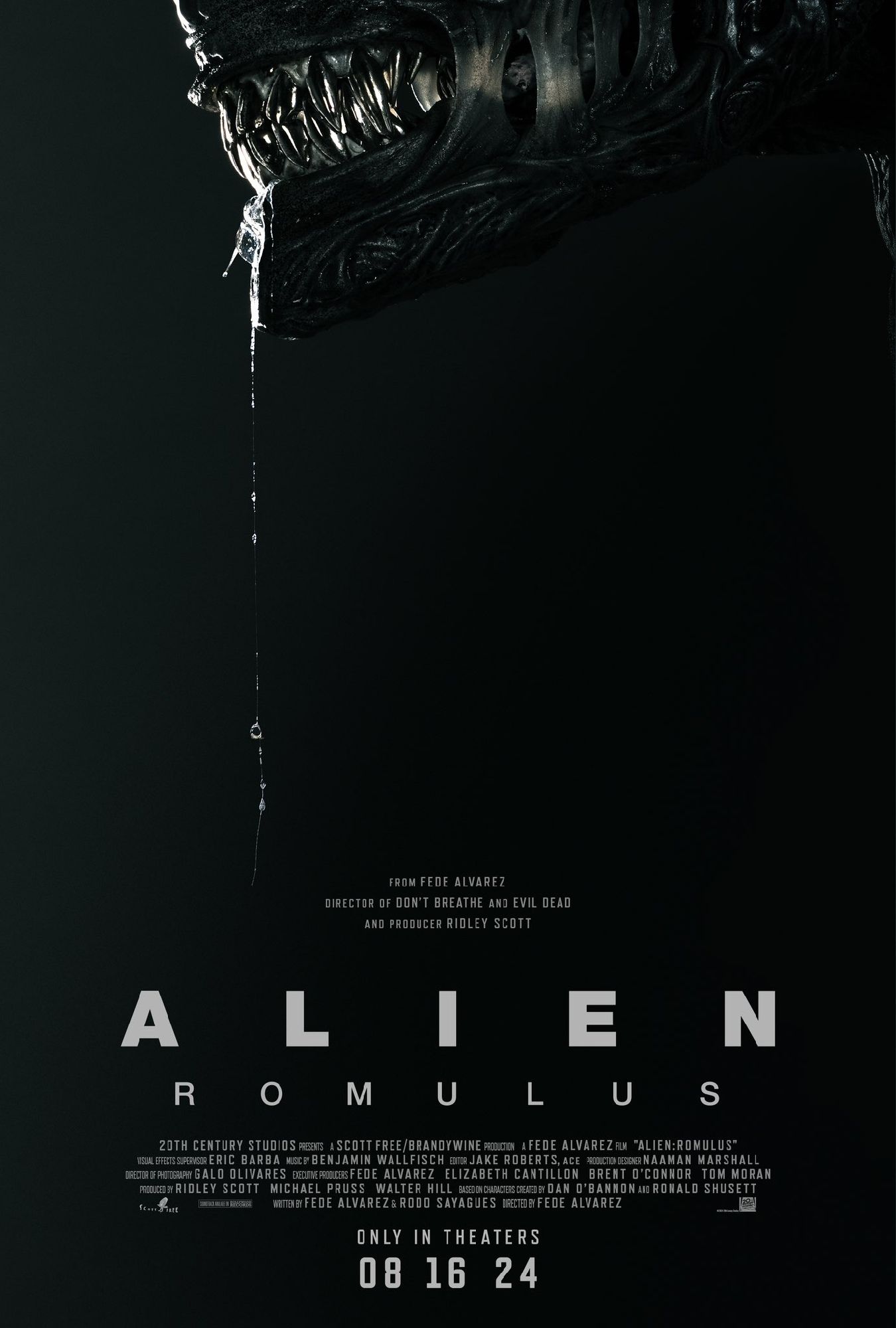
The Alien franchise navigates its evolution by utilizing prequels to shift the narrative focus from survival horror to the origins of existential dread and biological terror. By moving backward in the timeline, filmmakers explore the foundational myths of the xenomorph, the ambition of the Weyland-Yutani Corporation, and the hubris of artificial intelligence, effectively expanding the universe’s scope beyond the claustrophobic corridors of the original 1979 film.
The Strategic Shift from Horror to Philosophical Sci-Fi
The original Alien (1979) established a benchmark for "slasher-in-space" cinema. It was contained, visceral, and focused on a single creature’s lethal efficiency. When Ridley Scott returned to the franchise with Prometheus (2012) and Alien: Covenant (2017), the objective shifted significantly. These prequels were designed to answer the "who" and "why" behind the xenomorph—a dangerous narrative pivot that transformed the series from a creature-feature into a treatise on creation and creators.
The prequels prioritize scale and inquiry. By introducing the Engineers—an ancient, biomechanical race—the films contextualize the xenomorph as more than just a parasite; it becomes a tool of biological warfare or a manifestation of unintended evolutionary consequences. This transition explores new frontiers by challenging the audience's understanding of humanity’s place in the cosmos, moving the franchise from simple monster-pursuit mechanics toward a deeper exploration of synthetic versus biological life.
The Role of Artificial Intelligence as a Narrative Lens
A defining feature of the Alien prequel era is the role of artificial intelligence, specifically the androids David and Walter. In these films, the android is no longer merely a corporate puppet or a technical utility; it becomes the primary antagonist and, paradoxically, the most complex protagonist.
Through the character of David, the prequels interrogate the concept of the "creator." While humans look to the stars to find their makers, David looks at his human creators and finds them lacking. This inversion of the Frankenstein trope allows the franchise to explore the frontiers of morality, artistic creation, and genocide. When David experiments with the "black goo"—the catalyst for the xenomorph—he is essentially acting as a dark, perverted architect, providing a terrifying origin for the creature that haunted Ellen Ripley decades later. This character arc creates a bridge between the sterile, high-concept philosophy of the prequels and the grimy, industrial terror of the original films.
Expanding the Weyland-Yutani Mythology
Before the Alien prequels, the Weyland-Yutani Corporation was primarily a faceless, villainous entity—the "Company" that sacrificed its crews for a biological weapon. Prequels like Prometheus allow the audience to see the genesis of this corporate greed, specifically through the character of Peter Weyland.
By exploring Weyland's obsession with immortality, the franchise gains a logical, human-driven motive for why characters in the later films are so desperate to capture the xenomorph. It is no longer just about profit; it is about a profound, existential terror of death that leads humanity to poke at forces beyond their comprehension. This narrative expansion adds depth to the corporate structure, explaining why the organization is willing to lose ships and crews for decades to secure a specimen that defies biological explanation.
Comparison of Core Narrative Themes
The following table breaks down how the prequel films differ from the original duology in their narrative focus and thematic intent.
| Feature | Original Duology (Alien/Aliens) | Prequel Series (Prometheus/Covenant) |
|---|---|---|
| Primary Theme | Survival and industrial horror | Creation, hubris, and philosophy |
| Central Creature | The Xenomorph (predator) | The Pathogen/Neomorph (experiment) |
| Corporate Presence | Cold, distant bureaucratic greed | Personal, messianic ambition |
| Setting Focus | Claustrophobic, working-class ships | Ancient, vast, and god-like landscapes |
| Human Agency | Desperate resistance and survival | Reckless exploration and hubris |
Managing the Prequel Paradox
One of the most difficult challenges for any prequel series is maintaining the "mystery" of the original content while providing enough new information to justify the production. The Alien prequels faced significant scrutiny for demystifying the "Space Jockey," the iconic giant fossilized pilot seen in the 1979 film.
Some critics argue that providing a specific origin for the xenomorph reduces the creature's impact. If the audience knows it is a lab-grown weapon developed by a rogue android, it loses some of its terrifying, primeval "otherness." However, the strength of the prequels lies in their refusal to provide clean, satisfying answers. The films often leave the ultimate purpose of the Engineers and the full scope of David's machinations ambiguous, ensuring that the core of the franchise—the unknowable nature of the universe—remains intact.
Technical Evolution and Visual Aesthetics
The shift in narrative scope required a corresponding shift in visual language. The Alien prequels utilize state-of-the-art cinematography to depict the scale of the universe in a way the original films could not. Whereas the original Alien relied on practical effects and H.R. Giger’s industrial, claustrophobic set design, the prequels incorporate massive, sweeping vistas and intricate biomechanical architecture that feels both ancient and futuristic.
This aesthetic progression serves the thematic narrative:
- The Grandeur of Design: The Engineers’ structures are meant to contrast with the dingy, industrial aesthetic of the Nostromo, emphasizing the disparity between human technology and the ancient, cosmic forces they are awakening.
- The Horror of Biology: By focusing on the biological stages of the xenomorph’s creation—the "black goo," the spores, the facehuggers—the prequels ground their horror in the microscopic and the visceral, exploring the terror of being genetically rearranged.
- The Synthetic Contrast: The visual framing of androids often uses clean, symmetrical lines and bright lighting, which creates a jarring contrast when they interact with the wet, dark, and chaotic biological environments of the xenomorph.
Frequently Asked Questions
Why did the franchise shift toward prequels instead of sequels? The Alien franchise reached a narrative plateau after Alien 3 and Resurrection. Producers and directors, particularly Ridley Scott, felt that the most compelling stories lay in the origins of the creature and the universe itself rather than repeating the same survival-horror cycle indefinitely.
Do you need to watch the prequels to understand the original Alien films? No. The original films are self-contained stories. However, the prequels provide significant context regarding the "Company" and the biological nature of the xenomorph, which adds layers of depth to the later (chronologically) films.
What is the "Black Goo" in the context of the prequels? The "black goo," or pathogen, is a highly unstable, mutagenic substance engineered by the Engineers. It functions as a biological reset button, capable of dismantling DNA and rearranging it into new, often hostile, life forms. It serves as the bridge between human life and the xenomorph.
How do the prequels change the perception of the Xenomorph? They shift the xenomorph from being a "perfect organism" that evolved naturally into an artifact of synthetic and ancient engineering. This changes the creature from an apex predator to a piece of abandoned, dangerous technology.
Is there a plan for further prequels beyond the existing films? As of 2026, the Alien timeline has expanded across multiple mediums, including television and graphic novels, which continue to bridge the gaps between the prequels and the later films. Fans should look toward canonical side-content for the ongoing development of the lore.
Recommendation for Viewers and Researchers
For those looking to explore the Alien universe, the recommended path is to watch the films in order of release to appreciate how the franchise’s aesthetic and themes have matured over nearly five decades. If your goal is to analyze the "new frontiers" explored by the prequels, watch Prometheus and Alien: Covenant back-to-back, paying close attention to the philosophical conversations between David and the humans. This focus will provide the most insight into how the series has evolved from simple creature horror into a complex meditation on human creation and artificial morality.