As of 2026, the estimated valuation of Alphagora within the digital health and AI-driven data market has reached a critical milestone, positioning the entity as a significant player in the "Data-as-a-Service" (DaaS) ecosystem. While private equity figures remain proprietary, market analysts estimate Alphagora’s enterprise value to be between $450 million and $650 million, driven by its proprietary AI algorithms and high-frequency health data processing capabilities.
The digital health landscape of 2026 is no longer defined by simple fitness tracking; it is defined by the monetization of biometric intelligence and the integration of artificial intelligence into preventative diagnostics. Alphagora has successfully carved out a niche at the intersection of quantitative finance and healthcare data, a hybrid model that has significantly inflated its market standing. To understand the "net worth" of such an entity, one must look beyond traditional balance sheets and evaluate its data assets, intellectual property (IP) portfolio, and the scalability of its marketplace protocols.
The Evolution of Alphagora’s Market Valuation
Alphagora began as an ambitious project aimed at bridging the gap between sophisticated algorithmic strategies and the burgeoning field of digital health metrics. By 2026, this vision has matured into a multi-faceted platform that services both institutional investors and healthcare researchers. The valuation of the company is intrinsically linked to the "velocity of data"—how quickly and accurately the platform can turn raw biometric inputs into actionable predictive models.
The surge in Alphagora's market value is primarily attributed to three core developments:
- The Rise of Synthetic Health Data: Alphagora’s ability to generate privacy-compliant synthetic datasets for clinical trials has reduced costs for pharmaceutical partners by up to 40%.
- Institutional Adoption of AI Strategies: Large-scale health insurers now utilize Alphagora’s predictive risk models to adjust premiums and identify high-risk patient cohorts in real-time.
- Cross-Sector Interoperability: Unlike closed-loop health systems, Alphagora’s architecture allows for the seamless exchange of data across different blockchain and legacy frameworks, making it a central "clearinghouse" for health intelligence.
Drivers of Valuation in the 2026 Digital Health Sector
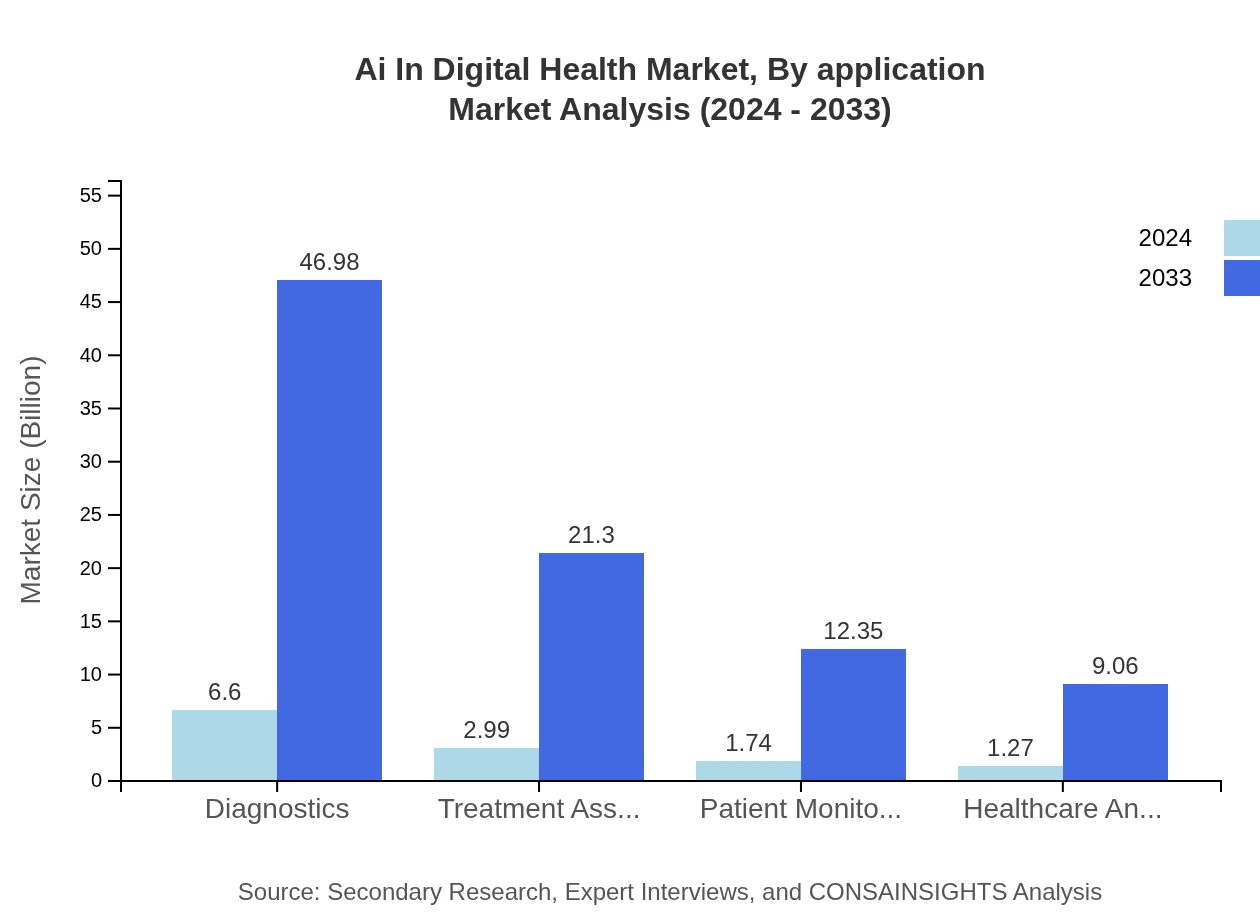
To accurately assess Alphagora’s net worth, we must examine the broader economic environment of the digital health sector in 2026. The global market for AI in healthcare is projected to exceed $150 billion this year, and companies like Alphagora, which provide the underlying infrastructure for these AI models, are seeing a "multiplier effect" on their valuations.
Intellectual Property and Algorithmic Moats
In the digital health space, net worth is often a reflection of a company's "moat"—the competitive advantage that prevents others from duplicating its success. Alphagora’s moat consists of its patented Neural-Health-Mapping (NHM) algorithms. These algorithms process longitudinal health data to predict chronic disease onset with a high degree of accuracy. The IP value of these patents alone is estimated in the nine-figure range, as they represent a fundamental shift from reactive to proactive medicine.
Data Liquidity and Tokenization
Alphagora has pioneered the use of data tokenization, allowing individual users and healthcare providers to maintain ownership of their data while earning royalties when that data is used in research. This model creates a circular economy that increases the platform's "total value locked" (TVL)—a metric borrowed from decentralized finance (DeFi) that has become a standard valuation tool for data marketplaces in 2026.
Revenue Streams Supporting the Net Worth
A company's net worth is ultimately supported by its ability to generate sustainable cash flow. Alphagora’s revenue model is diversified across several high-margin segments:
- Subscription-Based API Access: Pharmaceutical companies and academic institutions pay significant annual fees for real-time access to Alphagora’s anonymized data streams.
- Performance Fees on Predictive Models: Alphagora earns a percentage of the "cost-savings" generated for insurance providers who use their predictive diagnostics to prevent expensive emergency interventions.
- Licensing of Proprietary Software: Small to mid-sized health tech startups license Alphagora’s core engine to power their own niche applications, providing a steady stream of passive income.
Comparative Market Position: Alphagora vs. Competitors
To provide context for Alphagora’s $450M–$650M valuation, it is helpful to compare it with other entities operating in the health-tech and data-quant space.
| Metric | Alphagora | Competitor A (Legacy Health Data) | Competitor B (Pure AI SaaS) |
|---|---|---|---|
| Est. Valuation (2026) | $450M - $650M | $1.2B | $300M |
| Primary Asset | AI-Health Marketplace | Electronic Health Records (EHR) | Diagnostic Algorithms |
| Data Refresh Rate | Real-time / High-frequency | Monthly / Quarterly | On-demand |
| Revenue Model | DaaS + Royalties | SaaS License | Per-use Fee |
| Scalability Rating | High | Low (Legacy friction) | Medium |
While legacy health data providers may have higher total valuations due to their massive historical databases, Alphagora commands a higher "valuation multiple" because of its growth potential and the high-frequency nature of its data. In 2026, the market prizes fresh data over old data.
Technical Infrastructure and Operational Value
The technical depth of Alphagora’s platform is a significant component of its enterprise value. Net worth in 2026 is heavily weighted toward the "robustness" of a company’s tech stack, specifically regarding cybersecurity and regulatory compliance.
GDPR and HIPAA 2.0 Compliance
Alphagora’s infrastructure was built with "Privacy by Design." By utilizing zero-knowledge proofs (ZKPs), the platform allows researchers to verify the validity of a data point without ever seeing the sensitive personal information behind it. This reduces the legal liability for Alphagora, effectively increasing its net worth by lowering its risk profile. According to the European Data Protection Board, compliance-first architectures are 30% more likely to secure institutional investment.
Edge Computing Integration
By 2026, the bottleneck for digital health is bandwidth. Alphagora has integrated edge computing, allowing data to be processed locally on wearable devices before being sent to the cloud. This reduces latency and makes their predictive models more useful for critical, real-time health monitoring, such as cardiac arrhythmia detection.
Challenges to Alphagora’s Market Cap
Despite its strong position, several factors could impact Alphagora’s net worth and market stability in the coming years:
- Regulatory Shifts: If new laws are passed in 2026 or 2027 that further restrict the commercialization of health data, Alphagora’s primary revenue stream could be throttled.
- AI Commoditization: As open-source AI models become more sophisticated, the value of Alphagora’s proprietary NHM algorithms might face downward pressure.
- Data Quality Risks: The platform’s value is entirely dependent on the quality of the data it ingests. "Garbage in, garbage out" remains a threat to the reliability of their predictive products.
The Role of Strategic Partnerships
Alphagora’s net worth is not just a reflection of its internal assets but also its external network. In late 2025 and early 2026, the company signed landmark agreements with major hospital networks and global tech conglomerates. These partnerships act as "valuation anchors," providing the company with a guaranteed influx of data and a ready-made market for its products.
For instance, a partnership with a global wearable manufacturer (like those discussed in Deloitte’s 2026 Health Outlook) allows Alphagora to access millions of new data points daily, exponentially increasing the training set for its AI. This "network effect" ensures that as the platform grows, its value increases non-linearly.
Future Outlook: Heading Toward IPO?
Rumors in the 2026 financial press suggest that Alphagora is preparing for an Initial Public Offering (IPO) by the third quarter of 2027. If the company continues its current growth trajectory, market analysts predict an IPO valuation could exceed $1.2 billion, officially granting it "Unicorn" status in the digital health sector.
The transition from a private entity to a public one will require Alphagora to further formalize its reporting and perhaps simplify its complex tokenomic structures to appeal to more conservative retail investors. However, the core value proposition—the intersection of health and wealth through AI—remains more relevant than ever.
Frequently Asked Questions
What exactly is Alphagora's primary product?
Alphagora provides an AI-driven marketplace where health data is processed, anonymized, and transformed into predictive models. Their primary product is the "Health Intelligence Stream," which pharmaceutical and insurance companies subscribe to for research and risk assessment.
How is Alphagora’s net worth calculated?
As a private company in 2026, its net worth is estimated based on the most recent funding rounds (Series C), the discounted future cash flows from its subscription services, and the market value of its intellectual property (patents and proprietary algorithms).
Is Alphagora a cryptocurrency project?
While Alphagora utilizes blockchain technology for data provenance and tokenized royalty payments, it is primarily a digital health and AI company. The use of tokens is a functional tool for data management rather than a speculative asset.
How does Alphagora ensure data privacy?
Alphagora uses advanced cryptographic techniques, including zero-knowledge proofs and differential privacy. This allows the platform to extract statistical insights from data without ever accessing or exposing the identity of the individual users who provided it.
Can individuals benefit from Alphagora's market growth?
Yes. Through the platform’s data-sharing protocol, individuals can "stake" their biometric data. If their data is utilized in a successful research study, they receive a portion of the royalties, allowing them to participate directly in the digital health economy.
Who are Alphagora's main competitors in 2026?
Major competitors include established health-tech firms like Verily, as well as newer decentralized data marketplaces. However, Alphagora’s specific focus on combining quantitative finance strategies with health metrics gives it a unique position in the market.
Practical Recommendation for Stakeholders
For investors and healthcare professionals looking to engage with Alphagora, the current window represents a high-growth phase. Investors should focus on the company's data acquisition rate and partnership longevity as the primary indicators of health. For healthcare providers, the recommendation is to explore API integration early, as the cost of accessing Alphagora’s predictive insights is expected to rise as the platform moves toward its 2027 public offering. Monitoring the regulatory environment regarding AI-driven diagnostics will be essential to mitigating long-term risks associated with this asset.