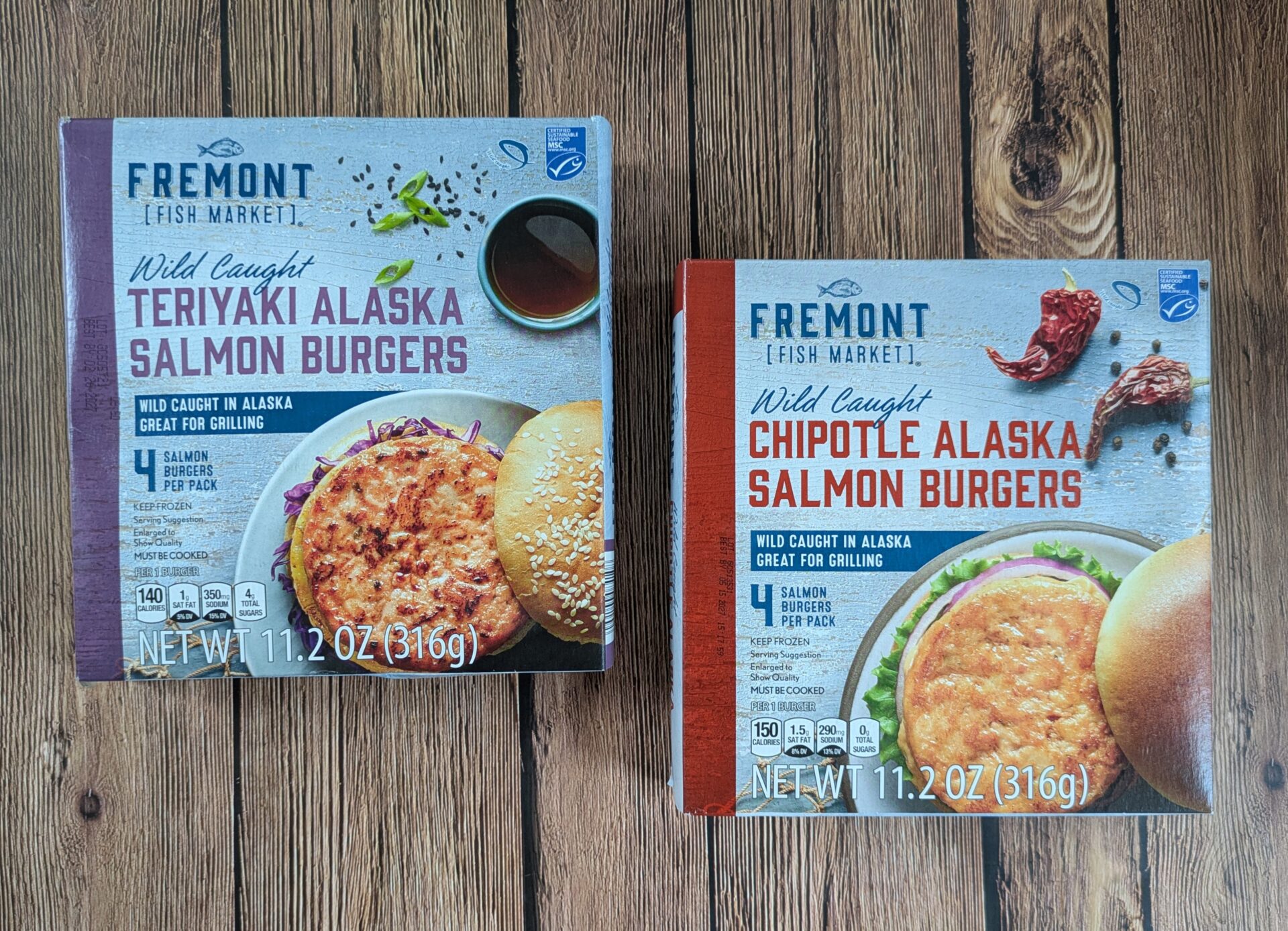
If you suspect your Aldi salmon or seafood is part of a recall, stop consumption immediately and check the product's UPC and "Best By" date against official notices. In 2026, consumers should primarily focus on lingering 2024-2025 alerts regarding smoked salmon and any localized regional updates issued by the FDA or Aldi’s corporate office.
The safety of the seafood supply chain is a critical concern for millions of households that rely on Aldi for affordable, high-quality protein. Over the past few years, the retail giant has faced several high-profile seafood recalls, primarily involving smoked salmon and various frozen fish products. Navigating these recalls requires an understanding of how food safety alerts are issued, the specific risks associated with seafood pathogens, and the exact steps required to secure a refund or ensure household safety. As we move through 2026, maintaining a vigilant eye on "Best By" dates—especially for frozen items that may have been purchased during previous recall windows—remains a priority for savvy consumers.
Understanding the Scope of Recent Aldi Seafood Recalls
Aldi, operated by the ALDI South Group and ALDI Nord globally, sources its seafood from a complex network of international and domestic suppliers. While this allows for competitive pricing, it also means that a single point of contamination at a third-party processing plant can trigger a multi-state or even multi-national recall.
Most recent Aldi seafood recalls have centered on Listeria monocytogenes contamination. This pathogen is particularly hardy and can thrive in the cold, moist environments typical of seafood processing facilities. Smoked salmon, which is often consumed without further cooking, is a high-risk category because the smoking process may not always reach temperatures high enough to eliminate all bacteria if the raw product was contaminated or if post-processing contamination occurred.
In 2024 and late 2025, specific brands like Foppen Seafood and Honey Smoked Fish Co., which supply Aldi with various smoked salmon products, were the subject of voluntary recalls. These incidents highlighted the importance of tracking "Lot Codes" and "Time Stamps" rather than just the brand name itself. While many of these products have since been cycled out of store shelves, frozen varieties with long shelf lives may still be present in home freezers in 2026.
Identifying Affected Products: What to Look For
Identifying a recalled product involves more than just recognizing the label. You must match specific identifiers provided by the Food and Drug Administration (FDA) or Aldi’s own product recall page.
The Importance of the UPC and Lot Code
The Universal Product Code (UPC) is the 12-digit barcode used to identify the product type. However, because a recall usually affects only a specific production run, the Lot Code and Expiration Date are the ultimate deciders. For example, in the Foppen smoked salmon recall, only specific packages of "Smoked Salmon Slices - Mildly Smoked" with a specific range of dates were deemed hazardous.
Where to Find Recall Information
Aldi is generally proactive in posting signage at the entrance of affected stores or directly on the shelving units where the product was sold. For those who shop via delivery services or do not visit the store frequently, the most reliable sources are:
- The official Aldi US Product Recalls page.
- The FDA’s Recalls, Market Withdrawals, & Safety Alerts database.
- FoodSafety.gov, which aggregates alerts from the USDA and FDA.
Summary of Significant Aldi Seafood Recalls (2024–2026 Period)
The following table summarizes the key seafood items sold at Aldi that have been subject to major safety alerts or recalls leading into 2026.
| Product Name | Brand | Primary Reason | Identifying Marks |
|---|---|---|---|
| Smoked Salmon Slices (Mildly Smoked) | Foppen Seafood | Potential Listeria | UPC: 8 40137 10001 9 |
| Honey Smoked Salmon (Various) | Honey Smoked Fish Co. | Possible Pathogen Contamination | Specific "Use By" dates from 2025 |
| Frozen Breaded Flounder | Sea Queen | Undeclared Allergens (Milk/Wheat) | Specific Lot Codes; Regional Recall |
| Atlantic Salmon Fillets | Fresh/Private Label | Quality Standard Deviation | Specific Regional Distribution only |
Note: This table is for historical reference and verification of items currently in storage. Always consult FDA.gov for the most recent 2026 data.
Health Risks Associated with Seafood Contamination
When a seafood recall is issued, it is usually due to one of three primary concerns: bacterial contamination, parasitic presence, or undeclared allergens.
Listeria Monocytogenes (Listeriosis)
Listeria is the most common reason for smoked salmon recalls. Unlike many other foodborne bacteria, Listeria can grow at refrigerator temperatures (40°F or below). Symptoms of Listeriosis include fever, muscle aches, headache, stiff neck, confusion, loss of balance, and convulsions.
For pregnant women, the risk is significantly higher. Listeria can lead to miscarriages, stillbirths, or premature delivery, even if the mother experiences only mild flu-like symptoms. The elderly and those with compromised immune systems are also at high risk for severe invasive infections.
Salmonella and Vibrio
Fresh or raw seafood, such as sushi-grade salmon sometimes found in Aldi's specialty aisles, may be recalled for Salmonella or Vibrio. These typically cause gastrointestinal distress, including vomiting, diarrhea, and abdominal cramps. While usually not fatal for healthy adults, they can lead to severe dehydration.
Scombrotoxin (Histamine) Poisoning
This occurs in certain fish species (like tuna or mackerel) if they are not kept at the correct temperature after being caught. While less common in salmon, it remains a monitored risk in the broader seafood category. It can cause an immediate allergic-like reaction, including skin flushing, itching, and blurred vision.
Action Plan: What to Do If You Have Recalled Salmon
If you discover a recalled item in your possession, do not panic, but act decisively to prevent illness and ensure you receive your refund.
- Do Not Taste the Food: Even if the salmon looks, smells, and tastes normal, it can still contain dangerous levels of bacteria.
- Secure the Product: Wrap the item securely in plastic wrap or a sealable bag. Mark it clearly as "RECALLED - DO NOT EAT" to ensure no one else in the household accidentally consumes it.
- Return for a Refund: Aldi has a "Twice as Nice" guarantee, though for recalls, they typically provide a straightforward full refund. You do not always need your original paper receipt if the product is clearly part of an active recall, but having the packaging is essential.
- Sanitize Your Kitchen: This is a crucial, often overlooked step. If the recalled salmon was in your refrigerator, Listeria may have spread to shelves or other food items.
- Wash refrigerator drawers and shelves with hot, soapy water.
- Sanitize with a solution of one tablespoon of unscented liquid chlorine bleach per gallon of warm water.
- Dry with a clean cloth or paper towel.
The Role of Federal Agencies in Aldi Recalls
The FDA oversees the safety of most seafood in the United States. When a company like Aldi or its suppliers identifies a problem, they coordinate with the FDA to issue a voluntary recall. If a company refuses to recall a product that the FDA deems hazardous, the agency has the authority to issue a mandatory recall order under the FSMA (Food Safety Modernization Act).
In 2026, the FDA utilizes enhanced traceability rules that require retailers and suppliers to maintain better records of where food was produced and where it was shipped. This has led to faster, more targeted recalls, often limiting the scope to specific states rather than nationwide "blanket" recalls.
Consumer Rights and Legal Considerations
When you purchase seafood from Aldi, there is an "implied warranty of merchantability," meaning the food must be fit for human consumption. A recall is essentially an admission that the product failed this standard.
If you or a family member have become ill after consuming recalled Aldi seafood, it is vital to:
- Seek medical attention immediately and request a stool or blood culture to confirm the pathogen.
- Retain the packaging and any remaining product as evidence.
- Contact your local health department to report the illness; this helps officials track the scope of the outbreak.
- Consult with a legal professional specializing in food safety if the illness resulted in hospitalization or long-term health complications.
How to Stay Informed in 2026
Food safety is a moving target. To ensure you aren't caught off guard by future Aldi seafood recalls:
- Sign up for Aldi Newsletters: Aldi often sends out safety notices to their email subscribers.
- Follow Regulatory Social Media: The CDC and FDA post urgent food safety alerts on platforms like X (formerly Twitter) and Facebook.
- Use Third-Party Apps: Several mobile apps can scan your grocery receipts or barcodes and alert you if an item in your pantry is recalled.
Frequently Asked Questions
Can I still eat the salmon if I cook it thoroughly?
While heat kills Listeria and Salmonella, the FDA strongly advises against consuming recalled food even if it is cooked. There is a risk of cross-contamination in your kitchen during the preparation process, and some toxins produced by bacteria are heat-stable.
How long does an Aldi seafood recall stay active?
A recall remains active until the "Best By" dates of all affected products have passed. However, for frozen seafood, this can be two years or more. If you find an old package of Foppen or Honey Smoked salmon in the back of your freezer in 2026, you should still treat it as recalled if the codes match.
Will Aldi notify me directly if I bought a recalled item?
If you used a credit card or a digital payment method linked to an Aldi account or a delivery service (like Instacart), you might receive an automated email or app notification. However, since Aldi does not have a traditional "loyalty card" system, they cannot track every individual purchase, making it the consumer's responsibility to check public notices.
What is the "Twice as Nice" guarantee during a recall?
Aldi's "Twice as Nice" guarantee usually involves replacing the product and refunding the money. In the event of a safety recall, the primary goal is the refund and removal of the hazard. You should check with your local store manager, but generally, the safety recall refund is the priority over the standard satisfaction guarantee.
Why are there so many recalls for smoked salmon specifically?
Smoked salmon is considered a "ready-to-eat" (RTE) food. Because it is not usually cooked by the consumer before eating, there is no "kill step" to eliminate bacteria that might have been introduced during the slicing or packaging phase at the factory.
Final Recommendations for Aldi Shoppers
Moving forward in 2026, shoppers should continue to enjoy Aldi’s seafood selection but adopt a "verify then buy" mentality. Always check that the packaging is vacuum-sealed and intact. Avoid packages with excessive ice crystals (a sign of temperature abuse) or those that appear bloated. By staying informed through the FDA and Aldi’s corporate alerts, you can provide your family with healthy seafood options while minimizing the risk of foodborne illness. If you have any doubts about a specific item, the safest course of action is to return it or discard it immediately.