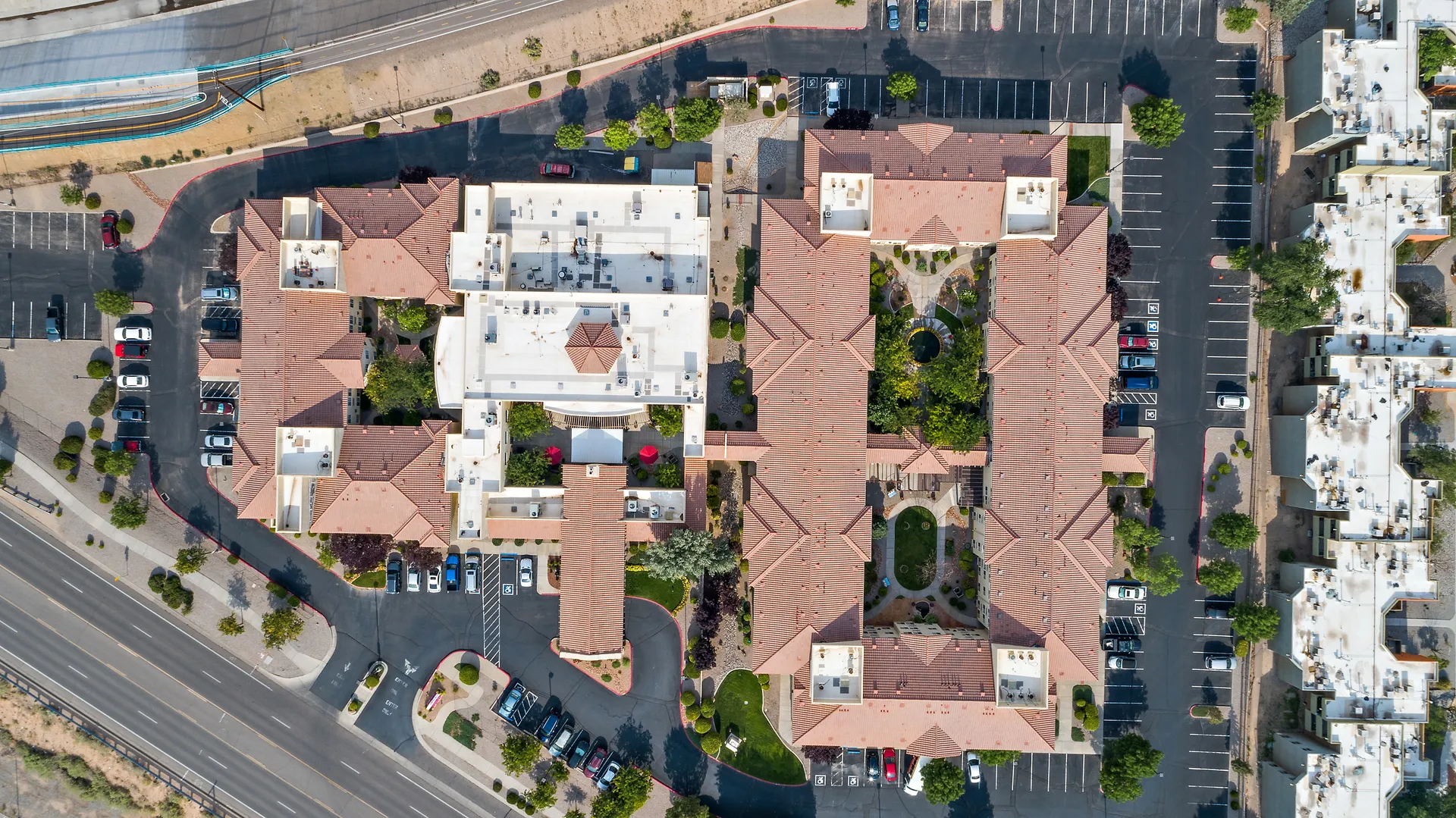
Assisted living homes in Albuquerque provide personalized care for seniors who require help with daily activities while maintaining as much independence as possible. In 2026, monthly costs in Albuquerque typically range from $4,800 to $7,500, with facilities regulated by the New Mexico Department of Health to ensure safety and quality of care.
Finding the right assisted living environment in Albuquerque, New Mexico, requires a balance of understanding medical needs, budget constraints, and the unique lifestyle preferences of the High Desert. As the population of Bernalillo County continues to age, the variety of senior living options has expanded, ranging from large, resort-style communities in the Northeast Heights to intimate, residential care homes in the North Valley. This guide provides an in-depth analysis of the current landscape, regulatory environment, and practical steps for selecting a home in 2026.
Understanding Assisted Living in the Albuquerque Context
In New Mexico, assisted living facilities are officially categorized as "Assisted Living Facilities for Adults" and are licensed by the New Mexico Department of Health (DOH), Division of Health Improvement. Unlike nursing homes, which provide 24-hour skilled nursing and medical care, assisted living focuses on helping residents with Activities of Daily Living (ADLs). These activities include bathing, dressing, grooming, medication management, and mobility.
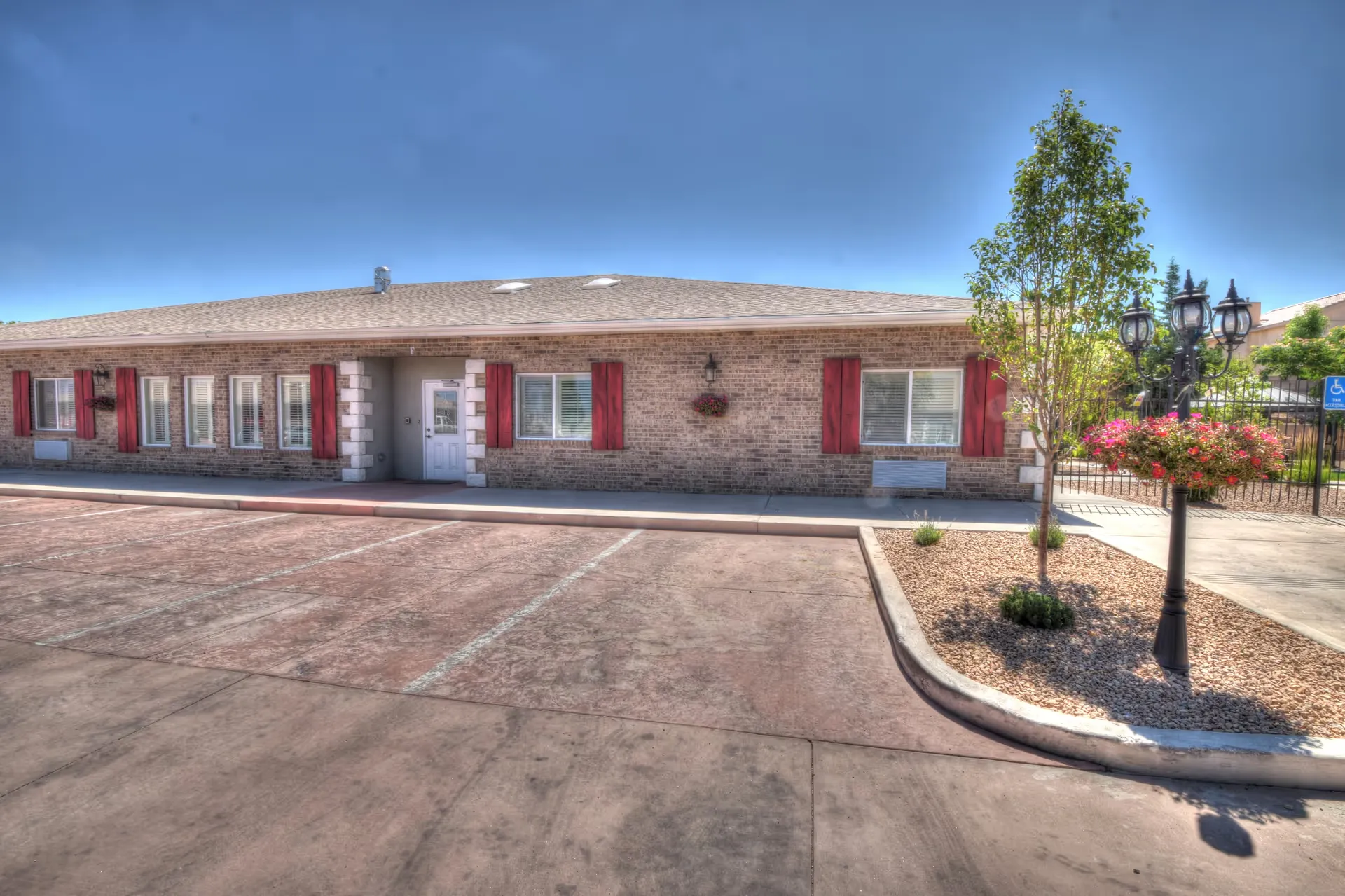
The Albuquerque market is distinct because of its "Small House" model popularity. While many cities rely heavily on massive corporate complexes, Albuquerque has a robust network of residential assisted living homes—often single-family houses in residential neighborhoods converted to care for 5 to 15 residents. These offer a higher staff-to-resident ratio and a more domestic feel, which many local families prefer.
The Three Levels of Care in New Mexico
New Mexico regulations generally define assisted living care through three tiers, which dictate the staffing levels and the complexity of needs the facility can meet:
- Level 1 (Basic): Residents are mostly independent but need help with meals, housekeeping, and perhaps occasional reminders for medication.
- Level 2 (Moderate): Residents require more frequent physical assistance with multiple ADLs and may have early-stage cognitive impairment.
- Level 3 (High): Residents need significant physical assistance, specialized memory care for advanced dementia, or management of complex chronic conditions that do not yet require a hospital-grade nursing environment.
2026 Cost Analysis for Albuquerque Assisted Living
As of 2026, Albuquerque remains more affordable than neighboring Santa Fe, but prices have seen a steady increase due to rising labor costs and the integration of advanced health-monitoring technologies.
Breakdown of Monthly Fees
Most Albuquerque facilities use a "Base Rate + Care Tier" pricing model. The base rate usually covers room and board, utilities, three meals a day, and basic housekeeping.
- Base Rate (Studio/One-Bedroom): $4,500 – $5,800 per month.
- Care Level Add-ons: $500 – $2,000 per month depending on the intensity of help needed.
- Memory Care Wings: $6,500 – $8,500 per month (includes specialized security and higher staffing).
Comparing Albuquerque to Regional Averages
Albuquerque’s 2026 pricing is roughly 10% lower than the national average, making it a destination for "half-back" retirees—those who moved to Florida or Arizona and are now moving halfway back toward their original homes or toward family in the Mountain West.
| Feature | Large Managed Community | Residential Care Home (Small) |
|---|---|---|
| Typical Capacity | 50 – 150 Residents | 5 – 15 Residents |
| Staffing Ratio | 1:10 to 1:15 | 1:5 to 1:8 |
| Amenities | Movie theaters, gyms, salons | Family-style dining, backyard gardens |
| Privacy | Private apartments with kitchenettes | Private or shared bedrooms |
| 2026 Avg. Cost | $5,500 - $7,500 | $4,800 - $6,200 |
Geographic Neighborhoods and Senior Living
The "Duke City" is geographically diverse, and where a home is located significantly impacts its price and the lifestyle it offers.
The Northeast Heights
This is the most popular area for assisted living. Facilities here often boast views of the Sandia Mountains and are close to major medical hubs like Presbyterian Kaseman Hospital. The Northeast Heights tends to have higher-end, amenity-rich communities.
The North Valley and Los Ranchos
This area is known for its lush, rural feel and "acequias" (irrigation ditches). It is the primary location for smaller residential care homes. Families who want a quiet, garden-heavy environment for a parent with dementia often look here.
The Westside and Rio Rancho
As the fastest-growing part of the metro area, the Westside features many newer facilities built after 2015. These buildings often have modern safety features, such as integrated circadian lighting and advanced air filtration systems, which became standard after the early 2020s.
Regulatory Standards and Consumer Protection
In New Mexico, the Department of Health (DOH) conducts annual inspections and "complaint investigations." For families in 2026, checking a facility’s "Survey Report" is a critical step in due diligence. These reports list any deficiencies found during inspections, ranging from dietary issues to medication errors.
The Long-Term Care Ombudsman
New Mexico provides a Long-Term Care Ombudsman Program. This is a free, federally mandated service where advocates help residents and their families resolve issues with care providers. In Albuquerque, the Ombudsman is an essential resource for verifying the reputation of a facility beyond its marketing brochure. You can access these services through the New Mexico Aging & Long-Term Services Department.
Rights of Residents
Under New Mexico law, residents in assisted living have specific rights, including:
- The right to be treated with courtesy and respect.
- The right to choose their own doctors and pharmacists.
- The right to privacy during visits and medical treatments.
- The right to manage their own financial affairs if they are capable.
Technology and Care Trends in 2026
Albuquerque assisted living homes have increasingly adopted technology to manage the challenges of aging. By 2026, several features have moved from "luxury" to "standard" in many local mid-to-high-range facilities.
- AI-Driven Fall Detection: Using passive sensors (not cameras), rooms can detect if a resident has fallen and alert staff immediately without the resident needing to press a button.
- Telehealth Integration: Given the traffic challenges on I-25 and I-40, many facilities now have dedicated "Telehealth Suites" where residents can consult with specialists from UNM Hospital or Lovelace Health System without leaving the building.
- Smart Medication Dispensers: These reduce human error by automatically flagging missed doses and tracking inventory in real-time.
Evaluating an Albuquerque Facility: A Step-by-Step Process
Choosing a home for a loved one is an emotional and financial commitment. To ensure the best fit, follow this logical progression:
Step 1: Professional Assessment
Before touring, have a geriatric care manager or the resident's primary physician perform a functional assessment. This determines if the senior truly needs assisted living or if they require a higher level of "Skilled Nursing."
Step 2: The Physical Tour (The "Sniff Test" and Beyond)
When visiting Albuquerque homes, look past the beautiful southwestern decor and focus on:
- Staff Engagement: Are the caregivers interacting warmly with residents, or are they mostly at the nursing station?
- Cleanliness: Check the corners, the smell of the common areas, and the state of the outdoor spaces.
- Dining Quality: Ask to see a menu. In 2026, many Albuquerque homes emphasize "farm-to-table" local ingredients, including red and green chile options, which are vital for local cultural comfort.
Step 3: Financial Transparency
Ask for a "Disclosure Statement." This document must outline all possible fees. Common hidden costs in Albuquerque facilities include:
- Community entrance fees (often equal to one month's rent).
- Laundry fees for personal items.
- Transportation fees for non-medical appointments.
- Medication administration surcharges.
Common Mistakes to Avoid
- Choosing Based Solely on Aesthetics: A facility that looks like a 5-star hotel but has high staff turnover will provide worse care than a modest home with long-term, dedicated employees.
- Ignoring the "Culture" of the Home: Some Albuquerque homes are very social and loud, while others are quiet and academic. Ensure the "vibe" matches the resident's personality.
- Waiting for a Crisis: Many of the top-rated Albuquerque assisted living homes have waiting lists of 3 to 12 months. Starting the search when a senior is still "Independent" is the best strategy.
Payment Options and Financial Assistance
Most residents in Albuquerque pay for assisted living via Private Pay (savings, pensions, or the sale of a home). However, other avenues exist:
- Long-Term Care Insurance: Verify if the policy covers "assisted living" or only "nursing home" care.
- Veterans Benefits (Aid and Attendance): Veterans and their surviving spouses may be eligible for a monthly pension to help pay for care. The Albuquerque VA Medical Center provides resources to help navigate these claims.
- Centennial Care (Medicaid Waiver): New Mexico's Medicaid program, Centennial Care, has a "Home and Community-Based Services" waiver. This can help low-income seniors pay for assisted living, though not all facilities accept it, and there is often a significant waiting list.
Frequently Asked Questions
What is the difference between assisted living and a nursing home in Albuquerque?
Assisted living is for seniors who are medically stable but need help with daily tasks like bathing and meals. Nursing homes (skilled nursing facilities) are for those with complex medical needs requiring 24/7 nursing supervision or intensive rehabilitation. In 2026, assisted living is the preferred choice for those wanting a social environment and more autonomy.
Does Medicare pay for assisted living in New Mexico?
Generally, no. Medicare is designed to cover acute medical care, such as hospital stays and short-term rehabilitation. It does not cover the "room and board" or long-term personal care costs associated with assisted living. Some Medicare Advantage plans may offer very limited support for specific services, but they rarely cover the monthly rent.
Can a resident bring their pet to an Albuquerque assisted living home?
Many large facilities in Albuquerque are pet-friendly, particularly for small dogs and cats, as they recognize the therapeutic value of animal companionship. However, residential care homes (the smaller 5-10 bed houses) often have stricter rules due to space constraints. Always ask about pet deposits and "pet care" requirements (e.g., who walks the dog?).
How do I report a concern about an Albuquerque care home?
If you suspect neglect or poor care, you should contact the New Mexico Department of Health, Health Facility Complaints division. For immediate advocacy, contact the local Long-Term Care Ombudsman. If you suspect immediate physical danger or abuse, call 911 or the New Mexico Adult Protective Services (APS).
Are there bilingual assisted living options in Albuquerque?
Yes. Given Albuquerque's rich Hispanic heritage, many facilities employ bilingual staff and offer culturally relevant programming and dining. If Spanish-language support is a priority, it is important to ask specifically about the proficiency of the direct care staff, not just the administrative office.
Final Recommendation for Families
For those beginning the search in 2026, your first action should be to visit the New Mexico Health Provider Search portal. This allows you to view the most recent inspection data for any licensed facility in Albuquerque. Narrow your list to three facilities that fit your budget and geographic needs, then schedule "unannounced" tours during meal times. Observing how staff handles the stress of a busy dining room provides the most honest look at the quality of care your loved one will receive.