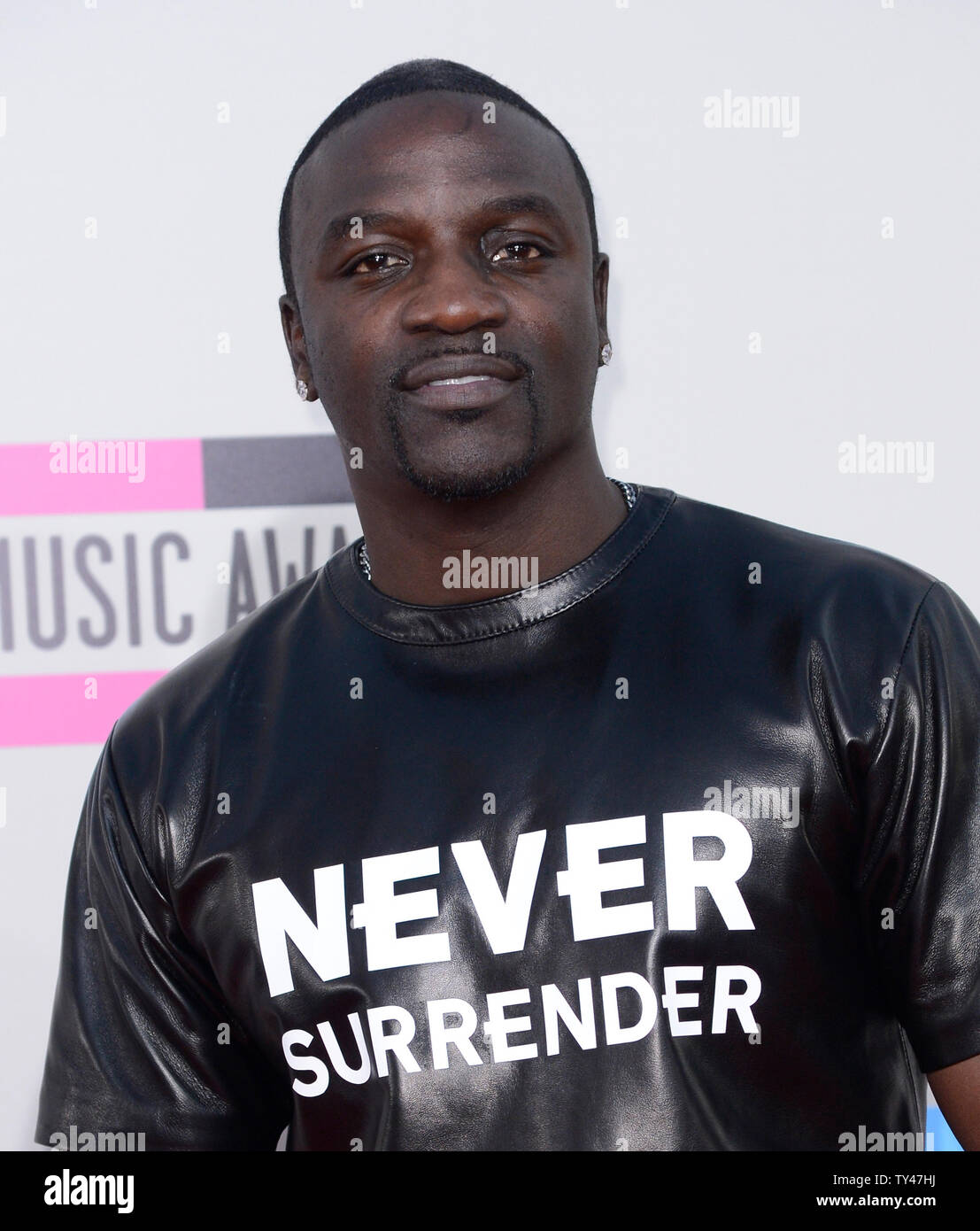
Akon rose to international prominence as a singer, songwriter, and producer who redefined the R&B and hip-hop landscape in the mid-2000s. Beyond his chart-topping hits like "Locked Up" and "Smack That," his legacy is defined by his transition from a dominant musical force into a pioneering entrepreneur and philanthropist focused on African infrastructure.
The Genesis of an Icon: Roots and Early Struggles
Aliaune Damala Badara Akon Thiam, known globally as Akon, was born in St. Louis, Missouri, but spent a significant portion of his childhood in Senegal. This dual-cultural upbringing is the foundation of his musical identity, blending West African rhythmic sensibilities with American urban production. His father, Mor Thiam, was a traditional jazz percussionist, ensuring that music was not merely a career path for Akon but a fundamental heritage.
The narrative of Akon’s rise is often tethered to his time spent in New Jersey during his teenage years. It was here that he faced the legal challenges that would later inform his debut album, Trouble. While there has been much debate regarding the specific duration and nature of his incarceration—a subject of significant investigative reporting over the years—the "outlaw" persona became a powerful marketing tool in the early 2000s. This grit, combined with his unique, high-pitched melodic delivery, filled a void in the music industry that bridged the gap between street rap and mainstream R&B.
By 2003, Akon’s demo tapes reached Devyne Stephens of Upfront Megatainment. Recognizing the potential for a global crossover star, Stephens helped Akon secure a deal with SRC Records (Universal). This partnership set the stage for a debut that would change the trajectory of melodic hip-hop.
Breakthrough and the Era of Global Dominance
In 2004, Akon released his debut studio album, Trouble. The lead single, "Locked Up," became an anthem of the era, reaching the top ten on the Billboard Hot 100. The song's success was rooted in its authenticity and the soul-piercing quality of Akon’s vocals. He followed this with "Lonely," a track that sampled Bobby Vinton’s "Mr. Lonely." The song’s high-pitched vocal effect became a signature sound, demonstrating Akon’s ability to manipulate pop sensibilities for a broad audience.
The momentum generated by Trouble was merely a precursor to the juggernaut that was his second album, Konvicted (2006). This project solidified Akon as a household name. Featuring collaborations with Eminem ("Smack That") and Snoop Dogg ("I Wanna Love You"), the album debuted at number two on the Billboard 200 and eventually went multi-platinum. During this period, Akon achieved a rare feat: he held the number one and number two spots on the Billboard Hot 100 simultaneously on two separate occasions.
The "Akon effect" became a sought-after commodity in the industry. His distinctive "Konvict" clink-and-door-slam sound mark at the beginning of tracks signaled a guaranteed hit. Between 2006 and 2009, he appeared on over 300 guest features for artists ranging from Gwen Stefani to Michael Jackson. His work on Jackson’s "Hold My Hand" was particularly significant, as it represented a passing of the torch from a legendary pop icon to a contemporary visionary.
The Architect of Talent: Konvict Muzik and Distribution
Akon’s influence extended far beyond his own vocal performances. He proved to be a master of Artist and Repertoire (A&R), founding Konvict Muzik and KonLive Distribution. His ear for talent led to the discovery and development of some of the biggest names in the music industry.
One of his most significant business moves was signing Lady Gaga to his joint venture with Interscope. Akon famously noted that he saw her potential as a "global phenomenon" when others were hesitant. By providing the infrastructure and creative freedom she needed, he played a pivotal role in the launch of her career. Similarly, his work with T-Pain helped popularize the creative use of Auto-Tune, a technical stylistic choice that would dominate the next decade of popular music.
The business model of Konvict Muzik was built on a philosophy of global expansion. Akon didn't just look for artists who could succeed in the United States; he sought those with international appeal, signing artists like P-Square (Nigeria) and Brick & Lace (Jamaica). This forward-thinking approach to the "global sound" predated the current international dominance of Afrobeats and Latin pop by over a decade.
Transitioning to a Global Visionary: Akon Lighting Africa
As the 2010s progressed, Akon’s focus shifted from the recording studio to social entrepreneurship. While many celebrities engage in traditional charity, Akon sought to implement large-scale, sustainable infrastructure projects. In 2014, he co-founded Akon Lighting Africa alongside Thione Niang and Samba Bathily.
The project addressed a critical issue: over 600 million Africans lacked access to electricity. Instead of relying on traditional power grids, which are expensive and slow to build, Akon Lighting Africa utilized solar-powered solutions. By 2026, the initiative has provided solar street lamps and domestic energy systems to millions of households across more than 15 African nations. This venture wasn't just about charity; it was a business-driven model designed to empower local economies by creating jobs in the installation and maintenance of solar equipment.
The success of this initiative established Akon as a serious player in international development. He began advocating for the "Akon City" project in Senegal—a multi-billion dollar "crypto-city" intended to serve as a hub for innovation and tourism. While the project faced significant logistical and regulatory hurdles in its early stages, it underscored his commitment to using his platform to catalyze modern development in Africa.
Career Milestones and Impact Comparison
The following table highlights the pivotal stages of Akon’s career, illustrating his transition from a street-inspired R&B singer to a global infrastructure mogul.
| Phase | Key Projects/Entities | Primary Impact | Year Range |
|---|---|---|---|
| The Rise | Trouble ("Locked Up", "Lonely") | Established the "Melodic Hip-Hop" sound. | 2003–2005 |
| Peak Dominance | Konvicted, Freedom | Multi-platinum sales; record-breaking Billboard chart holds. | 2006–2009 |
| The Mogul | Konvict Muzik, KonLive | Discovered Lady Gaga, T-Pain; global talent scouting. | 2007–2012 |
| Philanthropy | Akon Lighting Africa | Provided solar power to millions in sub-Saharan Africa. | 2014–Present |
| Future Vision | Akoin, Akon City | Implementing blockchain and smart-city tech in Senegal. | 2018–2026 |
The Musical Legacy: Redefining the "Hook"
Akon’s technical contribution to music is often categorized by his mastery of the "hook." In the mid-2000s, a song was virtually guaranteed radio play if it featured Akon on the chorus. His ability to craft infectious, repetitive, yet emotionally resonant melodies allowed him to cross genres seamlessly. He could provide a soulful bridge for a hardcore rap song or a pop-friendly chorus for a dance track.
His vocal style—characterized by a slight nasal tone and rhythmic phrasing—became a template for the "mumble rap" and "melodic rap" genres that followed. Artists like Future, Young Thug, and Post Malone owe a stylistic debt to the melodic foundations Akon laid. He was one of the first artists to successfully prove that a singer could maintain "street credibility" while producing massive pop hits, a balance that is now a standard requirement for success in the modern music industry.
Akon in 2026: The Status of a Legacy
As of 2026, Akon remains a unique figure in the pantheon of music icons. Unlike many of his contemporaries who have retired or remain strictly within the entertainment circuit, Akon’s name is now just as likely to appear in the business section of a newspaper as it is in the entertainment section.
His musical output has slowed in terms of volume, but his influence is felt through the success of his proteges and the enduring popularity of his catalog. More importantly, his work in Africa has set a new standard for celebrity involvement in global issues. By focusing on sustainable infrastructure and technological innovation, he has moved beyond the "artist" label to become a transformative figure in international development.
Frequently Asked Questions
What was Akon’s most successful album? While Trouble was his breakthrough, Konvicted remains his most commercially successful album. Released in 2006, it was certified triple platinum in the US and featured hits like "Smack That" and "I Wanna Love You." It earned him several Grammy nominations and established him as a global pop star.
Did Akon actually discover Lady Gaga? Yes, Akon played a central role in Lady Gaga's career. After she was dropped from her first label, Akon recognized her songwriting and performance talent. He signed her to his KonLive Distribution label under Interscope Records and worked closely with her on her debut album, The Fame.
What is Akon Lighting Africa? Akon Lighting Africa is a social enterprise founded in 2014 that provides solar-powered electricity solutions to rural and urban areas in Africa. The goal is to drive economic development by providing reliable lighting for homes, schools, and streets in regions with poor energy infrastructure.
Is Akon City a real project? Akon City is a planned development project in Senegal. It was envisioned as a technologically advanced "smart city" powered by renewable energy and utilizing the Akoin cryptocurrency. While construction and regulatory progress have been subjects of intense public scrutiny, the project represents Akon's long-term vision for African urban development.
How many languages does Akon speak? Akon is known to be multilingual, speaking English and Wolof fluently. His fluency in Wolof has been a key factor in his ability to communicate and build relationships across Senegal and West Africa, further bridging his American success with his African roots.
Moving Forward: The Evolution of Influence
For those looking to understand the full scope of Akon's impact, it is essential to look past the "Locked Up" persona of 2004. Akon’s trajectory serves as a blueprint for modern artists on how to leverage fame for systemic change. His transition from music to infrastructure suggests that the ultimate goal of a global icon should be to build something that outlasts their own celebrity.
To truly appreciate the rise of this music icon, one should study his early discography for its technical innovation in R&B, while simultaneously monitoring the progress of his African ventures. His story is one of constant evolution—proving that a music artist can start by telling their story through song and end by rewriting the future of a continent.