AIG, through its subsidiary American General Life Insurance Company (AGL), provides permanent life insurance options designed to assist seniors in managing final expenses and legacy planning. These products offer fixed premiums, guaranteed death benefits, and cash value accumulation, providing a stable financial tool for individuals in their later years who prioritize lifelong protection over term-based alternatives.
The Role of Whole Life Insurance in Senior Financial Planning
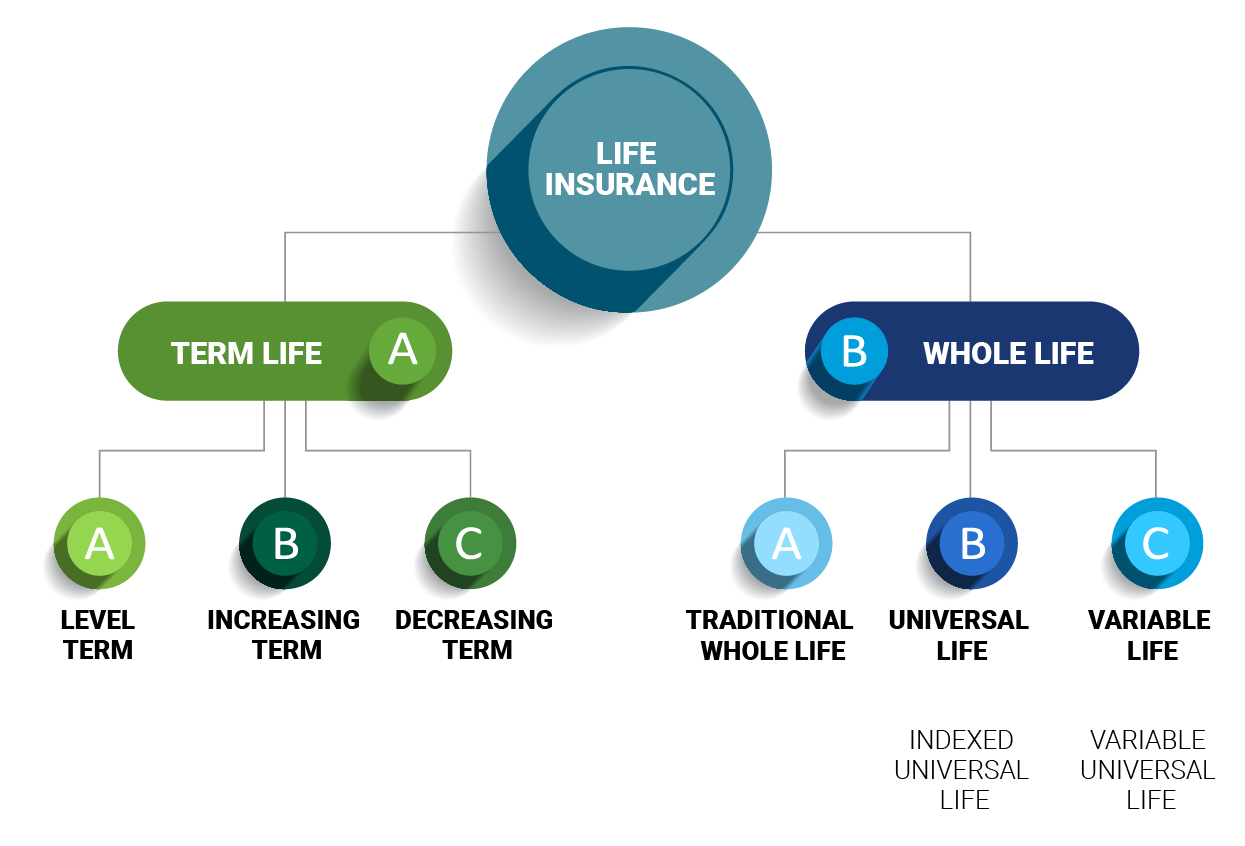
For many seniors, the primary objective of purchasing life insurance is to alleviate the financial burden on survivors. Whole life insurance serves as a permanent solution because, unlike term life insurance, it does not expire as long as the premiums are paid. This ensures that the policy remains in force regardless of changes in the insured’s health or age.
In the context of AIG’s offerings, the "whole life" designation implies that the contract covers the insured for their entire life. A key component of this type of insurance is the cash value component. A portion of the premium payments is allocated toward a savings element that grows over time on a tax-deferred basis. Policyholders may be able to borrow against this cash value, providing a layer of liquidity that can be utilized during one’s lifetime, though this reduces the ultimate death benefit if not repaid.
Understanding AIG’s Market Position and Product Structure
AIG is a recognized entity in the insurance sector, though consumers often encounter their products through independent agents or specialized brokerage firms. When discussing "AIG whole life insurance for seniors," it is vital to distinguish between traditional whole life products and Guaranteed Issue or Simplified Issue life insurance.
Traditional whole life insurance generally requires medical underwriting. This means the applicant must undergo a health examination or answer detailed medical questions. For seniors, the success of this application depends heavily on their current health status, prescription history, and lifestyle factors. Conversely, if a senior is seeking coverage without a medical exam, they may be directed toward different product categories, such as final expense plans, which are designed to be more accessible but may feature different pricing structures or graded death benefits.
Eligibility and Underwriting Requirements
Eligibility for AIG-branded whole life insurance depends on age limits, which typically range up to age 80 or 85, depending on the specific product tier. When you apply, the insurer assesses risk based on several factors:
- Medical History: Chronic conditions, previous surgeries, and current medications are scrutinized to determine mortality risk.
- Lifestyle: Factors such as tobacco use and participation in high-risk hobbies can significantly impact both eligibility and premium rates.
- Financial Suitability: Insurance companies assess whether the death benefit amount requested is reasonable relative to the applicant’s income and assets.
It is a common misconception that "senior" implies automatic acceptance. Unless the specific product is marketed as "guaranteed acceptance" (which usually involves higher premiums and lower coverage limits), seniors must qualify through the standard underwriting process.
Comparing Traditional Whole Life vs. Simplified Issue
Seniors evaluating their options should understand the fundamental differences between the types of coverage available under the AIG umbrella.
| Feature | Traditional Whole Life | Simplified Issue / Final Expense |
|---|---|---|
| Medical Exam | Usually required | Rarely required |
| Approval Speed | Weeks (underwriting) | Days or weeks |
| Premium Cost | Typically lower for healthy applicants | Higher relative to death benefit |
| Death Benefit | Higher (often $50,000+) | Lower (typically $5,000–$25,000) |
| Coverage Start | Immediate (upon approval) | May have graded benefit periods |
Financial Considerations and Premium Stability
The most significant benefit of a whole life policy for a senior is the guaranteed fixed premium. In an era of rising costs, having a payment that never increases provides peace of mind. Regardless of economic inflation or declining health, the premium you agree to at the time of purchase remains constant for the life of the policy.
However, seniors should conduct a thorough analysis of their budget before committing. If a policy lapses due to non-payment, the coverage ceases, and any accrued cash value may be surrendered or taxed depending on the circumstances. It is essential to treat these premiums as a non-negotiable expense in a fixed-income environment.
The Impact of Cash Value Accumulation
The cash value inside an AIG whole life policy grows at a set interest rate determined by the company. While this is not an investment vehicle intended to outperform the stock market, it acts as a conservative, "safe harbor" asset. Some seniors use the cash value to pay for premiums later in life (if the policy allows for paid-up status) or to supplement needs in emergency situations.
Note: Withdrawing or borrowing from the cash value is a significant decision. Any outstanding loans, plus accrued interest, will be deducted from the death benefit paid to beneficiaries if the loan is not paid back before the death of the insured.
Evaluating the Death Benefit for Estate Planning
For many, the death benefit is intended to cover specific end-of-life costs:
- Funeral and Burial Expenses: The most common use case for final expense coverage.
- Debts: Settling outstanding balances on credit cards or medical bills.
- Legacy: Providing a tax-free gift to heirs or grandchildren.
When calculating the required death benefit, subtract your existing liquid assets from your anticipated end-of-life expenses. Buying more coverage than necessary results in unnecessarily high premiums, whereas under-insuring leaves a burden on your family.
Common Pitfalls and How to Avoid Them
The complexities of life insurance can lead to common mistakes among seniors:
- Overestimating Ability to Pay: Do not choose a premium amount that stretches your monthly budget too thin. If you cannot afford the premium, you risk losing the policy and all the money you have paid into it.
- Ignoring the "Graded Benefit" Clause: Some plans for seniors include a clause where the full death benefit is not paid out if the insured dies within the first two or three years of the policy (unless the death is accidental). Always read the policy summary for "Return of Premium" or "Graded Benefit" language.
- Failing to Update Beneficiaries: Marriage, divorce, or the passing of a primary beneficiary can lead to legal complications. Review your beneficiaries annually to ensure the payout reaches the correct individuals.
Professional Guidance and Next Actions
Before signing any contract, it is recommended to speak with a licensed financial advisor or insurance broker who has access to multiple carriers, not just AIG. This allows for a comparative analysis of premiums and coverage terms.
- Assess Your Need: Determine if you need coverage for debt repayment, burial costs, or estate tax liquidity.
- Gather Records: Have your medical records and a list of current prescriptions ready to streamline the underwriting process.
- Review the Specimen Policy: Always ask to see the full "specimen" policy document before you pay any money. This contains the legal terms, conditions, and exclusions that you are agreeing to.
- Confirm Financial Ratings: Check the financial strength ratings of the issuing company through independent agencies like A.M. Best or S&P Global to ensure the company has the long-term capacity to pay out claims.
Frequently Asked Questions
Does AIG offer guaranteed acceptance life insurance for seniors? AIG products vary by channel. Some specialized final expense products sold through specific agencies may offer simplified or guaranteed issue, but these typically come with higher premiums. You must verify the specific plan details with the agent or portal at the time of inquiry.
Can I change my premium payments later? Generally, whole life insurance premiums are fixed for the life of the policy. You cannot change them after the contract is signed. If you find you can no longer afford the premiums, you may have the option to reduce the death benefit to lower the cost or use the policy’s non-forfeiture options.
Are the death benefits taxable? In most cases, the death benefit from a life insurance policy is paid to your beneficiaries income-tax-free. However, it is always wise to consult with a tax professional regarding your specific estate and potential federal or state-level inheritance taxes.
Is there a medical exam for every AIG senior policy? No. AIG and its affiliates offer both medically underwritten policies and simplified issue policies. Simplified issue policies rely on your health history and application data rather than a physical examination, though they often cost more per dollar of coverage.
What happens if I stop paying my premiums? If you stop paying premiums, the policy will eventually lapse. Depending on how long the policy has been active and the amount of cash value accumulated, you might be entitled to "paid-up" insurance at a lower face value, or you may receive the accumulated cash value minus any surrender charges.
Final Recommendation
The most prudent action for a senior considering AIG whole life insurance is to prioritize a "needs analysis" over a specific brand name. Contact an independent insurance agent who can pull quotes from AIG and compare them against other top-rated insurers. Verify the financial stability of the carrier and ensure the premium is one you can comfortably maintain for the next several decades.