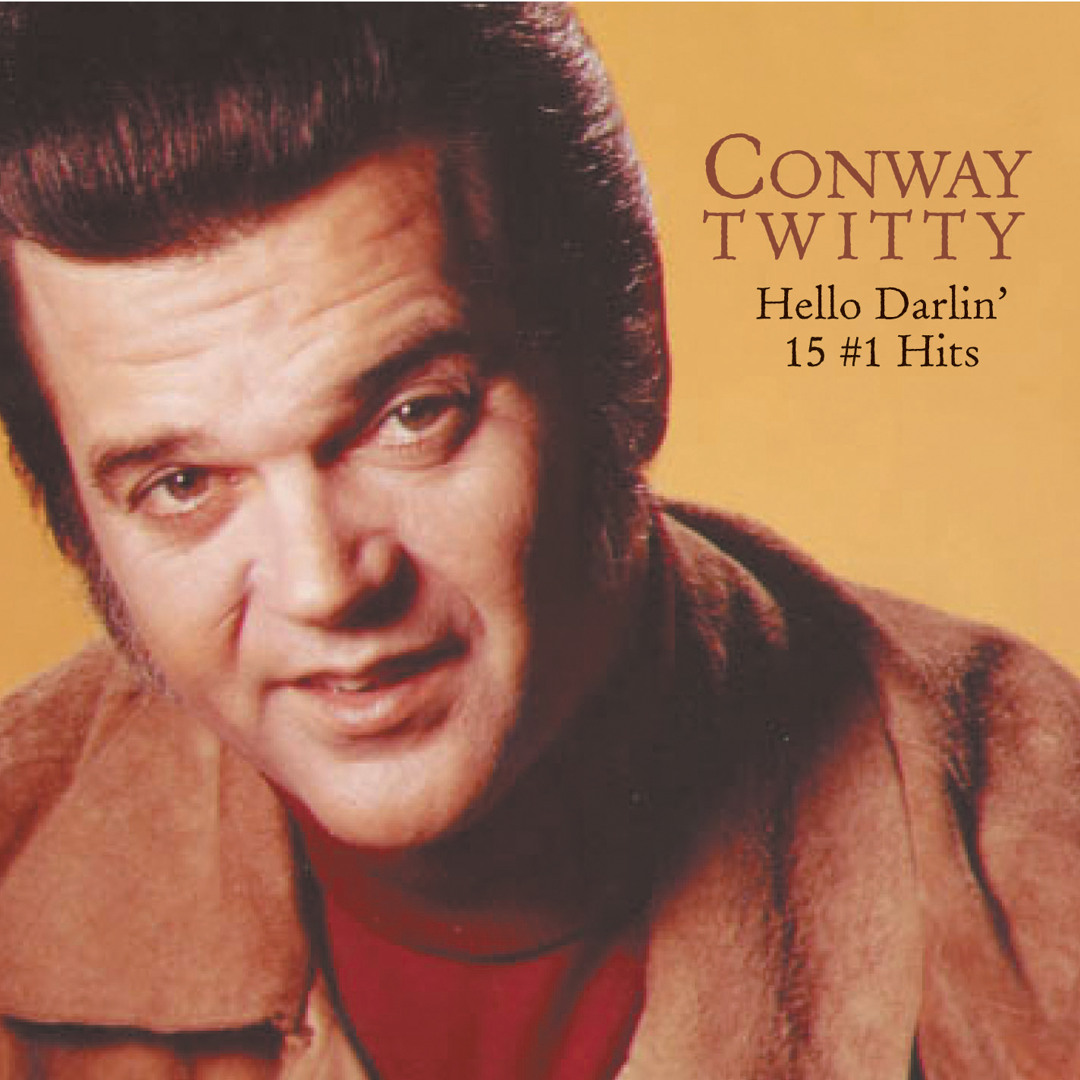
The lyrics to "After All the Good Is Gone" describe the somber realization that a romantic relationship has reached a point of no return. Written and recorded by country music legend Conway Twitty, the song explores the emotional vacuum left behind when the passion and mutual respect of a partnership have completely evaporated, leaving only a hollow routine.
The Narrative Foundation of "After All the Good Is Gone"
Released in 1975 as part of the critically acclaimed album Linda on My Mind, "After All the Good Is Gone" stands as one of the most poignant examples of the "cheating song" or "heartbreak ballad" subgenres that dominated the Nashville sound in the mid-1970s. Conway Twitty, often referred to as the "High Priest of Country Music," had a unique ability to articulate the complexities of adult relationships—moving beyond simple "boy meets girl" tropes into the messy, often painful reality of long-term commitment and its eventual dissolution.
The song’s primary search intent often revolves around users looking for the exact wording of the verses to understand the story being told. At its core, the narrative is a dialogue (or a monologue directed at a partner) about the futility of staying together when the emotional "good" has been exhausted. It asks a fundamental, devastating question: what remains for two people when the love that once bound them is entirely spent?
Complete Lyric Analysis and Breakdown
To understand the weight of "After All the Good Is Gone," one must look at the specific phrasing Twitty used to convey resignation. The song does not rely on anger or accusations; instead, it leans into a weary acceptance of the end.
The Opening Verse: Setting the Scene
The song begins by establishing the current state of the relationship. It often references the silence or the "going through the motions" that characterizes a dying flame. Twitty’s lyrics suggest that the couple has already tried to fix things, but those efforts have proven fruitless. The "good" is not just a feeling; it is the reservoir of goodwill that allows a couple to navigate hardships.
The Chorus: The Core Question
The chorus serves as the emotional anchor. The repetition of the title—"After all the good is gone"—emphasizes the finality of the situation. It highlights the transition from a living, breathing relationship to a structural obligation. The lyrics ask, "What’s left for us to do?" This isn't just a rhetorical question; it’s a plea for an exit strategy from a life that has become a "shell of a home."
The Second Verse: The Physicality of Loneliness
In the second verse, the lyrics often touch upon the intimacy—or lack thereof—between the subjects. Twitty was masterfully suggestive in his writing, often hinting at the physical disconnect that follows emotional distancing. He describes a world where even a touch feels like a reminder of what is missing rather than a comfort.
The Songwriting Genius of Conway Twitty
While many artists in 1975 were performing songs written by professional Nashville songwriters, Conway Twitty wrote "After All the Good Is Gone" himself. This adds a layer of authenticity to the performance. Twitty’s songwriting style was characterized by:
- Economic Language: He never used five words when two would suffice. The lyrics are sparse, allowing the listener to fill in the gaps with their own experiences.
- Emotional Vulnerability: In an era of "tough" outlaws, Twitty was willing to sound defeated and broken.
- Relatability: The song focuses on the "ordinary" person’s heartbreak. It isn’t about grand gestures; it’s about the quiet misery of a kitchen-table realization.
As of 2026, music historians continue to cite this track as a masterclass in country music structure. It follows a traditional Verse-Chorus-Verse-Chorus-Outro format that ensures the hook is burned into the listener's memory while providing enough narrative progression to keep them engaged.
Musical Composition and Production Style
The "lyrics" of a song are inseparable from its "voice." In "After All the Good Is Gone," the production—helmed by legendary producer Owen Bradley—utilizes the "Nashville Sound" that Bradley helped pioneer.
- Vocal Delivery: Twitty employs his signature "growl" and "whisper" technique. He starts the verses in a low, almost spoken-word intimacy and builds to a resonant, powerful baritone in the chorus.
- Instrumentation: The use of the pedal steel guitar provides a "weeping" quality that underscores the sadness of the lyrics. A soft piano and light percussion keep the focus entirely on the vocal narrative.
- Backing Vocals: The subtle use of harmonies provides a sense of space, making the central narrator feel even more isolated in his plight.
Historical Context: 1975 and the State of Country Music
To fully appreciate the lyrics, one must understand the environment in which they were released. By 1975, country music was in a state of flux. The "Outlaw" movement led by Waylon Jennings and Willie Nelson was gaining steam, challenging the polished production of Nashville.
However, Conway Twitty managed to bridge the gap. While his production was polished, his lyrics were as raw and honest as anything coming out of the Outlaw camp. "After All the Good Is Gone" reached #1 on the Billboard Hot Country Singles chart, proving that audiences were hungry for honest depictions of domestic life, even when those depictions were tragic.
Comparison of 1970s Relationship Ballads
| Song Title | Artist | Primary Theme | Lyric Tone |
|---|---|---|---|
| "After All the Good Is Gone" | Conway Twitty | Finality of loss | Resigned and weary |
| "He Stopped Loving Her Today" | George Jones | Eternal unrequited love | Tragic and reverent |
| "Stand By Your Man" | Tammy Wynette | Endurance in love | Persevering |
| "I'm Not Lisa" | Jessi Colter | Identity and past love | Haunting and reflective |
| "The Grand Tour" | George Jones | Post-divorce emptiness | Desolate and descriptive |
The Enduring Appeal of the Lyrics in 2026
Why do people still search for "after all the good is gone lyrics" in 2026? The answer lies in the timelessness of the human condition. While technology, dating apps, and social norms have changed drastically since 1975, the feeling of a relationship "running out of gas" remains a universal experience.
The lyrics provide a vocabulary for a specific type of grief—the grief of losing someone who is still physically present. Modern listeners often find solace in Twitty's words because they validate the feeling that it is okay to acknowledge when a situation is beyond repair. It is a song about the courage required to admit that the "good" is indeed gone.
Critical Reception and Chart Legacy
When the song was released, critics praised it for its maturity. Unlike songs that blamed a "cheatin' heart" or a "bottled demon," this song suggested a more complex end: a natural erosion of affection.
- Billboard Performance: The song spent multiple weeks at the top of the charts.
- Awards: Though Twitty was often overlooked by some awards bodies in favor of more "pop-friendly" acts, this song solidified his status among his peers as a songwriter's songwriter.
- Covers: Numerous artists have covered the track, but few have managed to replicate the specific mix of authority and vulnerability that Twitty brought to the original 1975 recording.
Analyzing the Key Stanzas
The Concept of the "Shell"
One of the most striking metaphors in the lyrics is the idea of the home becoming a "shell." In architectural terms, a shell is a structure without a soul or a purpose. By using this word, the lyrics suggest that the external world sees a couple and a house, but the internal reality is hollow. This resonance is why the song is frequently cited in discussions of "domestic realism" in American music.
The Inevitability of the End
The lyrics do not offer a solution. There is no "let's try again" or "maybe tomorrow will be better." This lack of a "happy ending" is what makes the song technically "dark" country, yet its popularity suggests that listeners find the truth more comforting than a false promise.
Frequently Asked Questions
Who wrote the lyrics to "After All the Good Is Gone"?
The song was written by Conway Twitty himself. While he frequently collaborated with other songwriters or covered classic tracks, this particular hit was a solo composition, which contributed to its deeply personal feel and cohesive narrative structure.
What album is "After All the Good Is Gone" on?
It is the lead track on his 1975 album "Linda on My Mind". The album is considered one of Twitty’s strongest works, featuring themes of infidelity, guilt, and the complicated nature of mid-life romance.
Did "After All the Good Is Gone" reach number one?
Yes. It reached the #1 spot on the Billboard Hot Country Singles chart in 1975. It was one of many chart-toppers for Twitty, who held the record for the most number-one hits in country music history for several decades.
What is the meaning behind the lyrics?
The lyrics describe the emotional exhaustion of a relationship. It centers on the moment two people realize that they have used up all the love, patience, and "goodness" that held them together, leaving them with no reason to continue the partnership.
Are there any famous covers of this song?
While many country artists have performed it in live sets, the most notable recorded versions stay true to the Conway Twitty arrangement. Artists like George Jones and various tribute performers have tackled the song, but Twitty's version remains the definitive recording.
Practical Recommendation for Listeners
If you are exploring the lyrics of "After All the Good Is Gone" for the first time, it is highly recommended to listen to the track while reading. Pay close attention to the dynamics of Twitty's voice. The way he emphasizes the word "gone" provides a phonetic finality that the written word alone cannot fully capture.
For those interested in the history of country music songwriting, studying this song alongside "The Grand Tour" by George Jones provides an excellent overview of how 1970s Nashville handled the theme of domestic dissolution. Both songs use the physical environment (the house, the furniture) to represent the emotional state of the inhabitants.
As we continue to celebrate the legacy of Conway Twitty in 2026, "After All the Good Is Gone" remains a vital part of the American songbook—a masterclass in brevity, emotion, and the harsh but necessary truth of the end of love.