Since Dr. Mae Jemison’s historic 1992 flight, African American women have transitioned from "Hidden Figures" behind the scenes to pivotal leaders in orbital research, International Space Station (ISS) long-duration missions, and the upcoming Artemis lunar explorations. Their journey reflects a profound transformation in aerospace engineering, civil rights, and NASA’s recruitment evolution.
The history of African American women in space is a narrative of overcoming systemic exclusion to reach the highest echelons of scientific and technical achievement. For decades, the path to space was restricted by military requirements and societal barriers that precluded women and people of color from the pilot pipelines. However, as of 2026, the legacy of these pioneers is no longer a series of isolated "firsts" but a continuous, robust presence in the space environment. This article explores the lives, missions, and technical contributions of the women who have redefined what it means to be an astronaut.
The Foundation: From Calculations to Orbit
Before an African American woman ever stepped into a spacecraft, the foundation for their success was laid by the "Human Computers" at the Langley Research Center. While these women were not astronauts themselves, their mathematical genius was the prerequisite for all American orbital flight.
The Role of West Area Computing
During the mid-20th century, Jim Crow laws enforced segregation even within NASA’s predecessor, NACA (National Advisory Committee for Aeronautics). Black women were relegated to the West Area Computing unit. Leaders like Dorothy Vaughan mastered the transition from manual calculations to FORTRAN programming on early electronic computers. Mary Jackson became NASA’s first Black female engineer after a legal battle to attend "white-only" graduate classes.
Katherine Johnson’s Orbital Mechanics
Perhaps the most famous of these figures, Katherine Johnson, calculated the trajectories for Alan Shepard’s first flight and John Glenn’s orbital mission. Her work on the Apollo Lunar Lander's rendezvous with the Command Service Module was critical for the Moon landings. Without the precision and verification provided by these women, the later recruitment of Black female astronauts would have lacked the institutional proof that gender and race were irrelevant to mathematical and scientific excellence.
The Pioneer: Dr. Mae Jemison and the 1992 Breakthrough
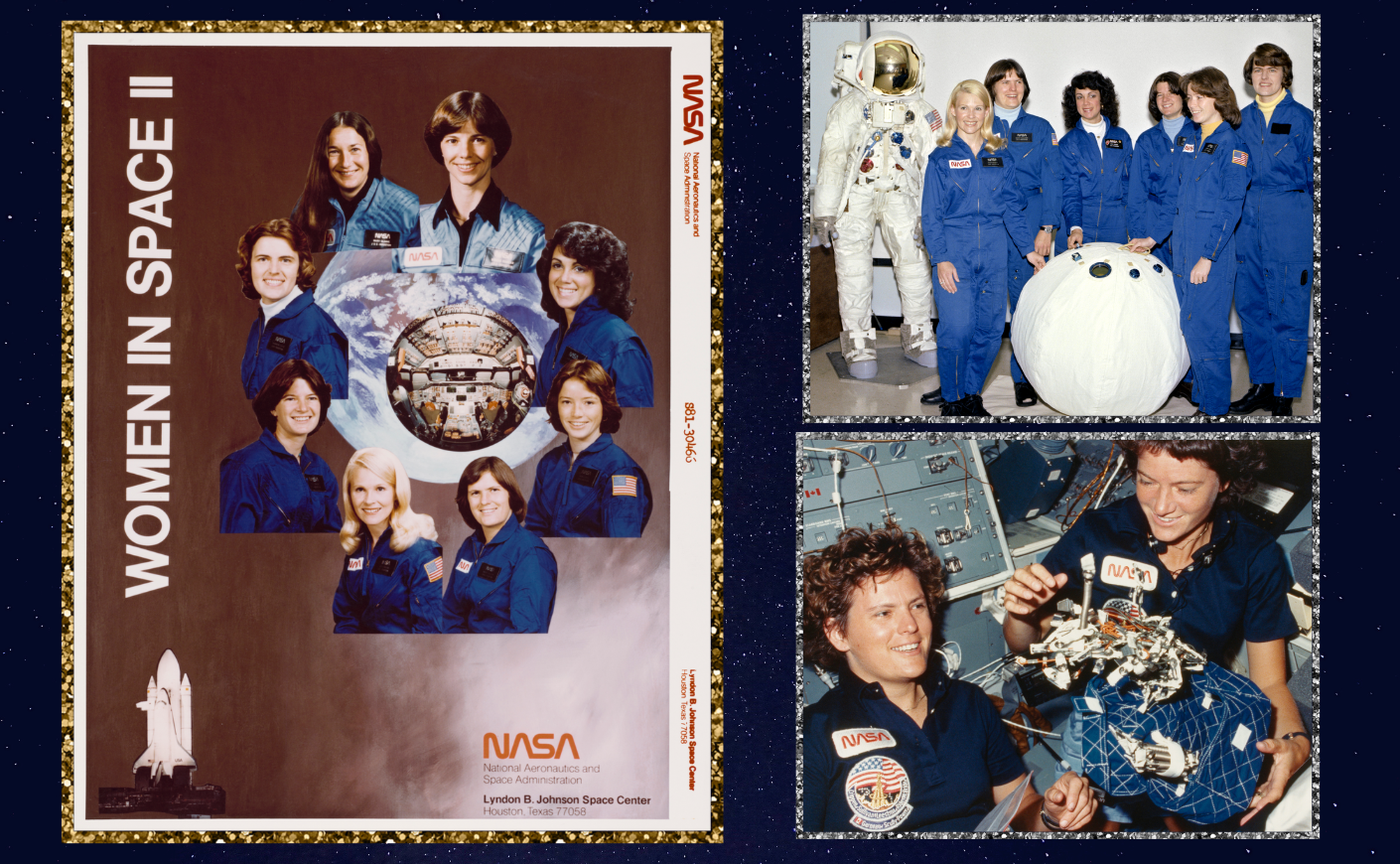
The 1978 NASA astronaut class, known as "Thirty-Five New Guys," was the first to include women and minorities. However, it took another decade and a half for an African American woman to fly.
Dr. Mae Jemison (STS-47)
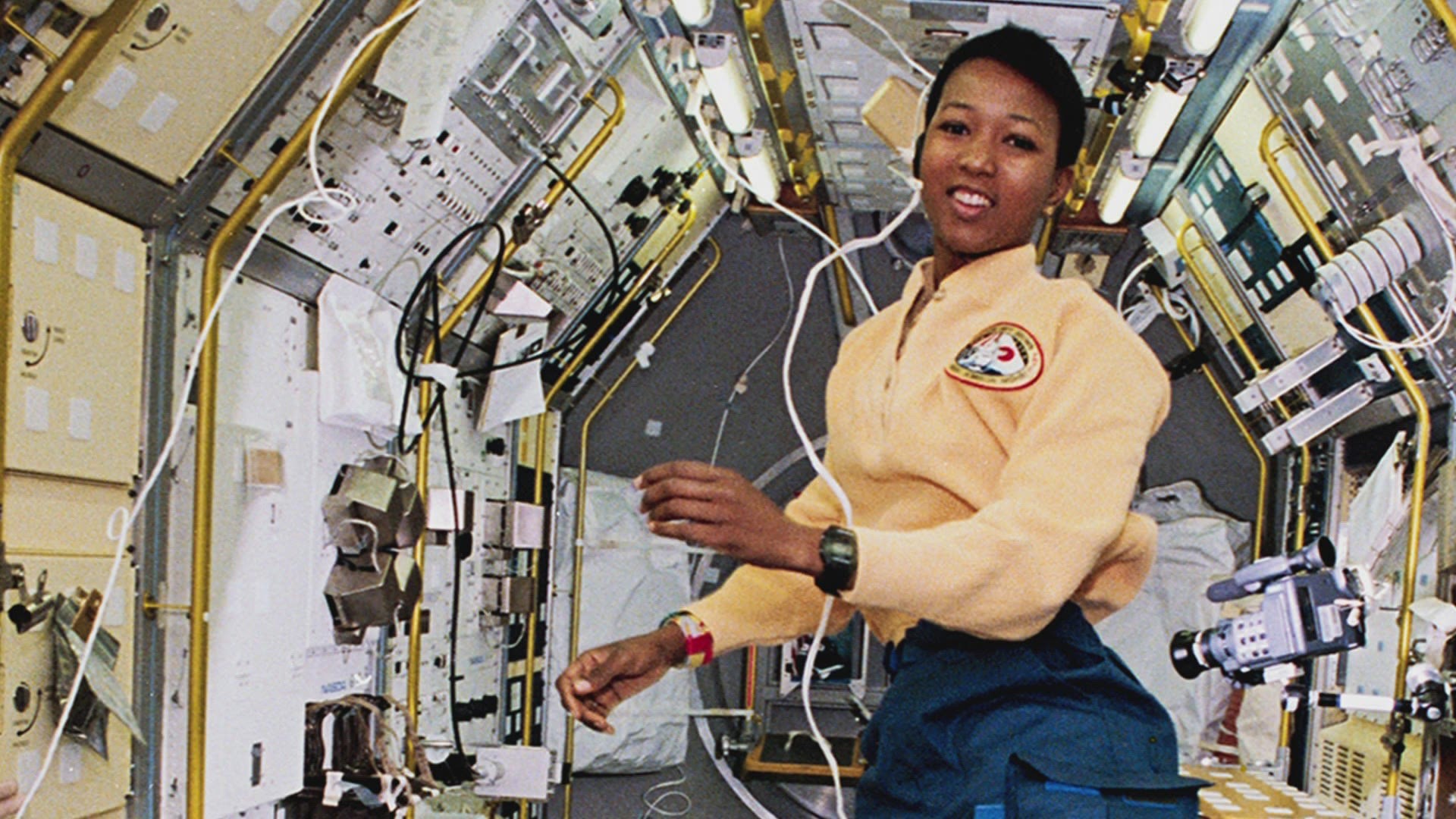
In September 1992, Dr. Mae Jemison became the first African American woman in space aboard the Space Shuttle Endeavour. Her background was uniquely multi-disciplinary; she was a medical doctor, a chemical engineer, and had served in the Peace Corps.
During the STS-47 mission, Jemison served as a Mission Specialist, conducting bone cell research and studying the effects of weightlessness on the human body. Her flight was more than a technical success; it was a cultural shift. Jemison famously began each shift in orbit by stating that space was for everyone, and she carried a poster from the Alvin Ailey American Dance Theater into orbit to signify the intersection of science and the arts. Since retiring from NASA, she has led the 100 Year Starship project, focusing on the technologies needed for interstellar travel.
The Shuttle Era Veterans: Building the International Space Station
Following Jemison, a new generation of women entered the Space Shuttle program, focusing on the complex assembly of the International Space Station (ISS) and robotic operations.
Stephanie Wilson: The Most Experienced
Stephanie Wilson holds the record for the most time spent in space by an African American woman. Across three missions—STS-121, STS-120, and STS-131—she logged more than 42 days in orbit. Wilson’s expertise was primarily in robotic arm operations, which was critical for moving large components of the ISS into place and managing the Multi-Purpose Logistics Modules. Her engineering background from Harvard and the University of Texas prepared her for the high-stakes precision required for orbital construction.
Joan Higginbotham: Electrical Systems Expert
Joan Higginbotham flew on the STS-116 mission in 2006. With a background in electrical engineering, she was instrumental in the reconfiguration of the ISS electrical power system. Like Wilson, she was a skilled operator of the Space Station Remote Manipulator System (SSRMS). Her career path was unique in that she spent years as an engineer at the Kennedy Space Center before being selected as an astronaut, giving her an "insider's" understanding of launch vehicle processing.
The Modern Era: Long-Duration Missions and Commercial Space
As the Space Shuttle program ended in 2011, the focus shifted to the ISS and long-duration stays (six months or more). This required a shift from shuttle "sprints" to marathon-style endurance missions.
Jessica Watkins: Geological Expertise on the ISS
In 2022, Jessica Watkins made history as the first Black woman to complete a long-duration mission on the ISS as part of SpaceX Crew-4. Watkins, a geologist by training, spent 170 days in orbit. Her presence was significant because she represented the transition to using the ISS as a true laboratory for planetary science. Her work included observing Earth’s geological features from the Cupola and performing maintenance on the station’s complex life-support systems.
Jeanette Epps: Persistence in the Face of Delay
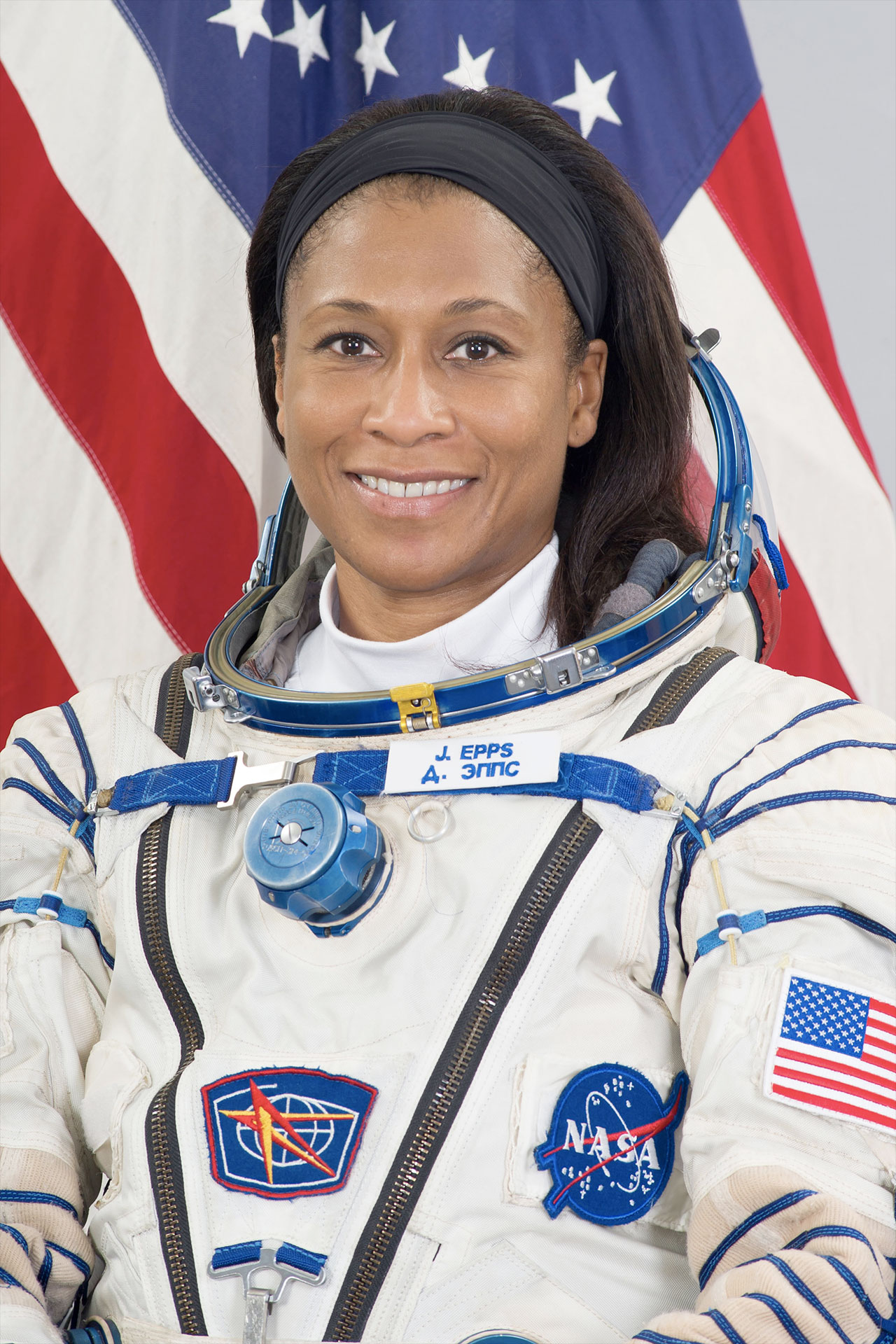
Jeanette Epps is a testament to the resilience required in the astronaut corps. Originally scheduled for a mission in 2018, her flight was delayed several times due to administrative and technical reshuffling. However, in 2024 and 2025, her contributions during the ISS expeditions solidified her role as a senior leader in the corps. With a PhD in Aerospace Engineering and experience at the CIA, Epps brought a high level of technical and operational intelligence to the station.
Dr. Sian Proctor: The Commercial Milestone
While not a NASA "career" astronaut, Dr. Sian Proctor broke a significant barrier in 2021 during the Inspiration4 mission. She became the first African American woman to serve as a mission pilot on a commercial spacecraft (the SpaceX Crew Dragon Resilience). A geoscientist and educator, Proctor’s flight demonstrated that the future of African American women in space extends beyond government agencies into the burgeoning private sector.
Comparative Data: African American Women in Space
The following table summarizes the key milestones and mission roles for these astronauts.
| Astronaut | First Mission | Role | Mission Duration (Total) | Key Achievement |
|---|---|---|---|---|
| Mae Jemison | STS-47 (1992) | Mission Specialist | 7 Days | First African American woman in space. |
| Stephanie Wilson | STS-121 (2006) | Mission Specialist | 42+ Days | Most days in space for an African American woman. |
| Joan Higginbotham | STS-116 (2006) | Mission Specialist | 12 Days | Integral to ISS electrical power reconfiguration. |
| Jessica Watkins | SpaceX Crew-4 (2022) | Mission Specialist | 170 Days | First Black woman on a long-duration ISS mission. |
| Sian Proctor | Inspiration4 (2021) | Mission Pilot | 3 Days | First Black female commercial spacecraft pilot. |
| Jeanette Epps | SpaceX Crew-8 (2024) | Mission Specialist | 180+ Days | Extensive research in ISS biology and physics. |
The Artemis Program and the Future of Lunar Exploration
As of 2026, NASA’s Artemis program is in full swing, with the goal of returning humans to the lunar surface. For the first time in history, the selection criteria for lunar missions explicitly include women and people of color.
Candidate Selection for Artemis
The "Artemis Team" of astronauts includes several African American women, most notably Stephanie Wilson and Jessica Watkins. Their inclusion suggests that the first woman to walk on the Moon could very well be an African American. This is a deliberate effort by NASA to ensure that the "Moon to Mars" architecture represents the full diversity of the nation that funds it.
Technical Requirements for Modern Astronauts
To understand the achievements of these women, one must understand the rigorous selection criteria. In 2026, the competition is fiercer than ever. Requirements generally include:
- Advanced Degree: A Master’s or PhD in a STEM field (Science, Technology, Engineering, or Mathematics).
- Professional Experience: At least three years of related, progressively responsible professional experience.
- Physical Stamina: Candidates must pass a long-duration flight physical, which includes specific vision, blood pressure, and height/weight requirements to fit in current spacesuits and capsules.
- Operational Skills: Experience in high-stress environments, such as SCUBA diving, wilderness survival, or piloting, is highly valued.
Challenges and Systemic Barriers
Despite the successes, the number of African American women who have flown in space remains low compared to their white and male counterparts. This disparity is often attributed to the "leaky pipeline" in STEM education.
The Educational Pipeline
Historical lack of access to quality STEM education in underserved communities has limited the number of Black women entering the fields from which NASA recruits. Organizations like the National Society of Black Engineers (NSBE) have been instrumental in providing the mentorship and resources necessary to bridge this gap.
The "Pilot" Barrier
For most of NASA’s history, astronauts were recruited from the ranks of military test pilots. Because the military itself had a history of excluding Black women from combat and pilot roles, this served as a de facto exclusion from the astronaut corps. It wasn't until the Mission Specialist role was created that the path truly opened for scientists and engineers.
FAQs: African American Women Astronauts
Who was the first African American woman to go to space?
Dr. Mae Jemison was the first African American woman in space. She launched on September 12, 1992, aboard the Space Shuttle Endeavour (STS-47). She spent eight days in orbit, conducting life science experiments.
How many African American women have been to space as of 2026?
As of early 2026, fewer than 10 African American women have flown in space, including those on NASA missions and commercial flights like Inspiration4. However, several more are currently in the active astronaut corps awaiting mission assignments for the ISS and the Artemis program.
What did Jessica Watkins do on the ISS?
Jessica Watkins served as a Mission Specialist on the SpaceX Crew-4 mission. Her primary role involved conducting scientific experiments in earth science, biology, and human research. As a geologist, she also used her expertise to observe and document Earth's surface from orbit, helping scientists understand planetary processes.
Are there any Black women currently scheduled for Moon missions?
While specific crew assignments for Artemis III (the first lunar landing) are often kept under wraps until closer to the launch date, several African American women, including Stephanie Wilson and Jessica Watkins, are members of the Artemis Team. They are actively training for deep-space missions that will orbit or land on the Moon.
What was the role of the "Hidden Figures" in this history?
The "Hidden Figures"—Katherine Johnson, Dorothy Vaughan, and Mary Jackson—were mathematicians and engineers who worked at NASA during the Space Race. While they did not fly in space, their calculations and engineering designs were essential for the success of the Mercury, Gemini, and Apollo programs, proving that Black women were vital to the success of American space exploration.
Final Recommendations for Aspiring Astronauts
For those inspired by the history of African American women in space, the path forward is clearly defined by academic excellence and operational diversity. Aspiring astronauts should focus on obtaining advanced degrees in engineering, biological sciences, or physical sciences. Furthermore, seeking out "expeditionary" experiences—such as research in extreme environments, flight training, or leadership in complex organizations—is essential for building a competitive profile.
The legacy of Mae Jemison and those who followed is a reminder that the ceiling of Earth's atmosphere is no longer a limit. As NASA looks toward Mars in the 2030s, the contributions of Black women will be foundational to the survival and success of humanity as a multi-planetary species. For more information on current recruitment and mission status, visit the NASA Astronauts official page.