An Aetna Medicare Advantage PPO (Preferred Provider Organization) plan is a Medicare Part C option that provides the flexibility to see any healthcare provider who accepts Medicare, regardless of network status, without a referral. These 2026 plans bundle Medicare Parts A and B with additional benefits like prescription drugs, dental, and vision, while capping your annual out-of-pocket spending.
Understanding the Aetna Medicare Advantage PPO Framework
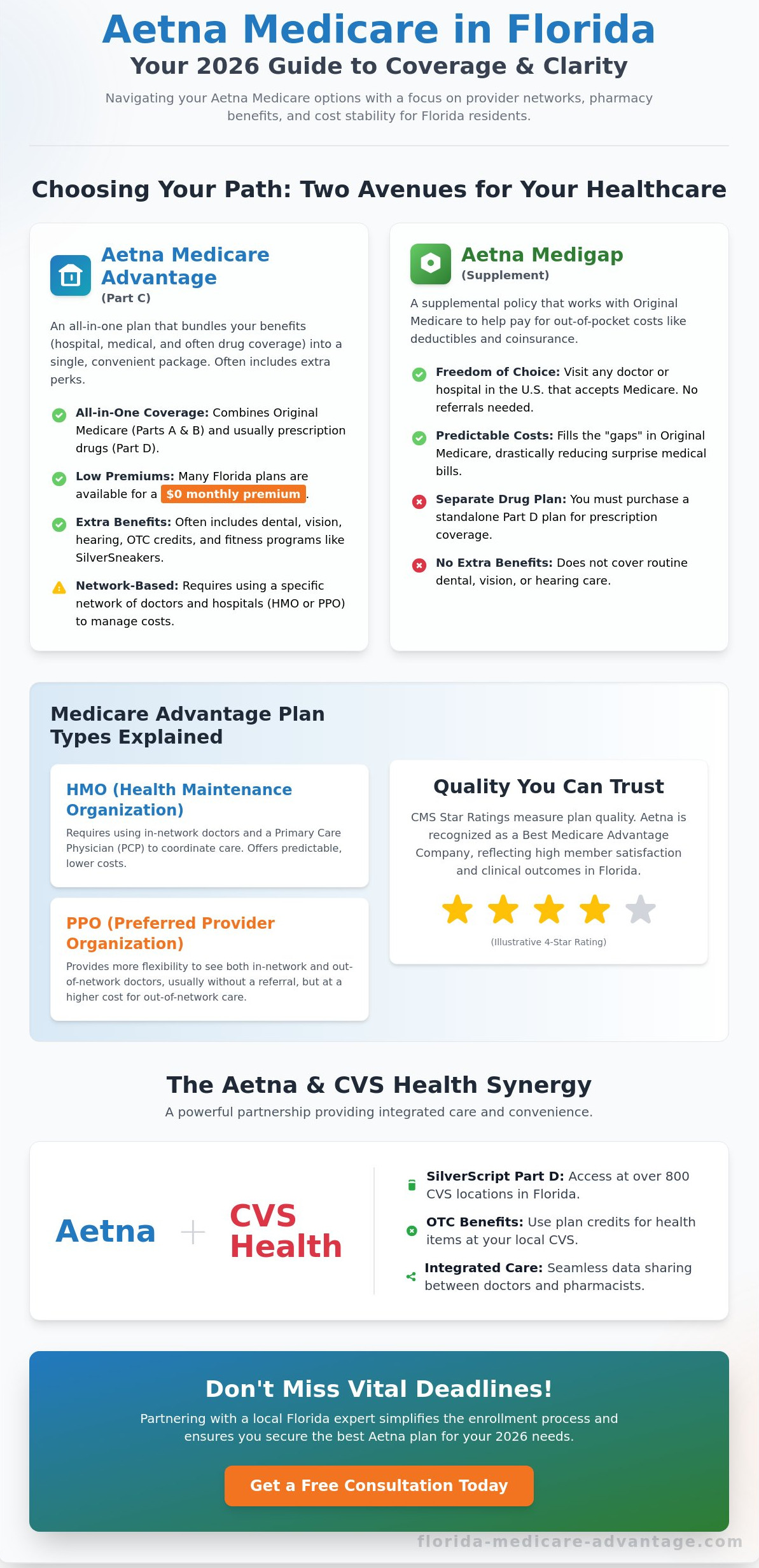
Aetna, a CVS Health company, remains one of the largest providers of Medicare Advantage (MA) plans in 2026. Their PPO structure is designed for beneficiaries who prioritize choice and autonomy over the lower costs typically associated with HMO (Health Maintenance Organization) plans. While Original Medicare (Part A and Part B) covers a significant portion of healthcare costs, it lacks a maximum out-of-pocket limit and does not cover most prescription drugs or routine ancillary services like dental and vision.
The Aetna Medicare Advantage PPO plan acts as a comprehensive replacement for Original Medicare. When you enroll in a PPO, you are still in the Medicare program, but Aetna takes over the administration of your benefits. The PPO model is particularly popular because it does not require you to designate a Primary Care Physician (PCP), nor does it require you to obtain a referral to see a specialist. This "open-access" feel is a primary driver for those who travel frequently or maintain relationships with doctors across different medical groups.
How the PPO Network Operates
The "Preferred" in PPO refers to a network of doctors, hospitals, and pharmacies that have contracted with Aetna to provide services at a pre-negotiated, lower rate. However, unlike an HMO, a PPO allows you to seek care "out-of-network." In 2026, Aetna’s national PPO network has expanded, allowing many beneficiaries to use in-network benefits even when they are away from their home state.
If you choose to see a provider outside the network, the following conditions generally apply:
- Cost Sharing: You will typically pay a higher coinsurance or copayment than you would for an in-network provider.
- Provider Willingness: The provider must be willing to treat you and bill Aetna. While they are not required to accept the plan if they are out-of-network, many do as long as they accept Medicare.
- Billing: Out-of-network providers may not be required to follow Aetna’s billing procedures, which occasionally necessitates the beneficiary paying upfront and seeking reimbursement, though this is less common with established PPO structures.
Key Features and Extra Benefits in 2026
For the 2026 plan year, Aetna has refined its PPO offerings to address the rising costs of healthcare while maintaining "extras" that Original Medicare does not provide. Most Aetna PPOs are MAPD plans, meaning they include Medicare Part D prescription drug coverage.
Integrated Prescription Drug Coverage
Aetna PPO plans generally feature a tiered formulary. In 2026, following the full implementation of the Inflation Reduction Act’s drug pricing reforms, all Aetna MAPD plans adhere to the $2,000 out-of-pocket maximum for covered prescription drugs. This is a critical safety net for seniors with high-cost maintenance medications. Aetna also leverages its relationship with CVS Pharmacy to offer "Preferred Pharmacy" pricing, where copays for generic medications are often $0 or very low.
Ancillary Benefits: Dental, Vision, and Hearing
One of the strongest arguments for an Aetna PPO is the inclusion of "non-Medicare" benefits.
- Dental: Most 2026 PPO plans include an annual allowance for both preventive (cleanings, X-rays) and comprehensive (crowns, root canals) dental work. Some plans use a "Direct Member Reimbursement" model or a dedicated benefit card.
- Vision: Coverage typically includes an annual eye exam and a set dollar allowance for frames or contact lenses.
- Hearing: Plans often provide a $0 or low-cost hearing exam and significant discounts on hearing aids through partners like NationsHearing.
Fitness and Wellness Programs
Aetna continues to offer the SilverSneakers program in its 2026 PPO lineup. This provides members with free access to thousands of participating gyms, community centers, and online fitness classes. Additionally, many plans include a quarterly "Over-the-Counter" (OTC) allowance, which allows members to purchase health-related items like aspirin, vitamins, and bandages through a catalog or at CVS retail locations.
Cost Structures: Premiums, Deductibles, and MOOP
Understanding the financial obligations of an Aetna PPO is essential for long-term planning. Costs are divided into fixed monthly expenses and "point-of-service" costs.
- Monthly Premiums: While some Aetna PPO plans offer a $0 monthly premium, these often have higher copayments for services. Premium-based plans might offer lower cost-sharing or more robust dental/vision allowances. You must continue to pay your Medicare Part B premium to the government regardless of the Aetna premium.
- Deductibles: Many PPO plans have a $0 medical deductible, meaning coverage kicks in immediately. However, there may be a separate deductible for prescription drugs (Part D).
- Copayments and Coinsurance: For standard visits, you will pay a flat fee (e.g., $5 for a PCP or $40 for a specialist). For complex procedures like surgery or chemotherapy, you may pay a percentage (coinsurance), often 20%.
- Maximum Out-of-Pocket (MOOP): This is the most critical feature of an Aetna PPO. The MOOP is a "firewall" that protects you from financial ruin. Once you spend a certain amount (e.g., $6,700 in-network) on covered medical services in a calendar year, Aetna pays 100% of your covered medical expenses for the remainder of that year.
Comparison of 2026 Aetna PPO Plan Tiers
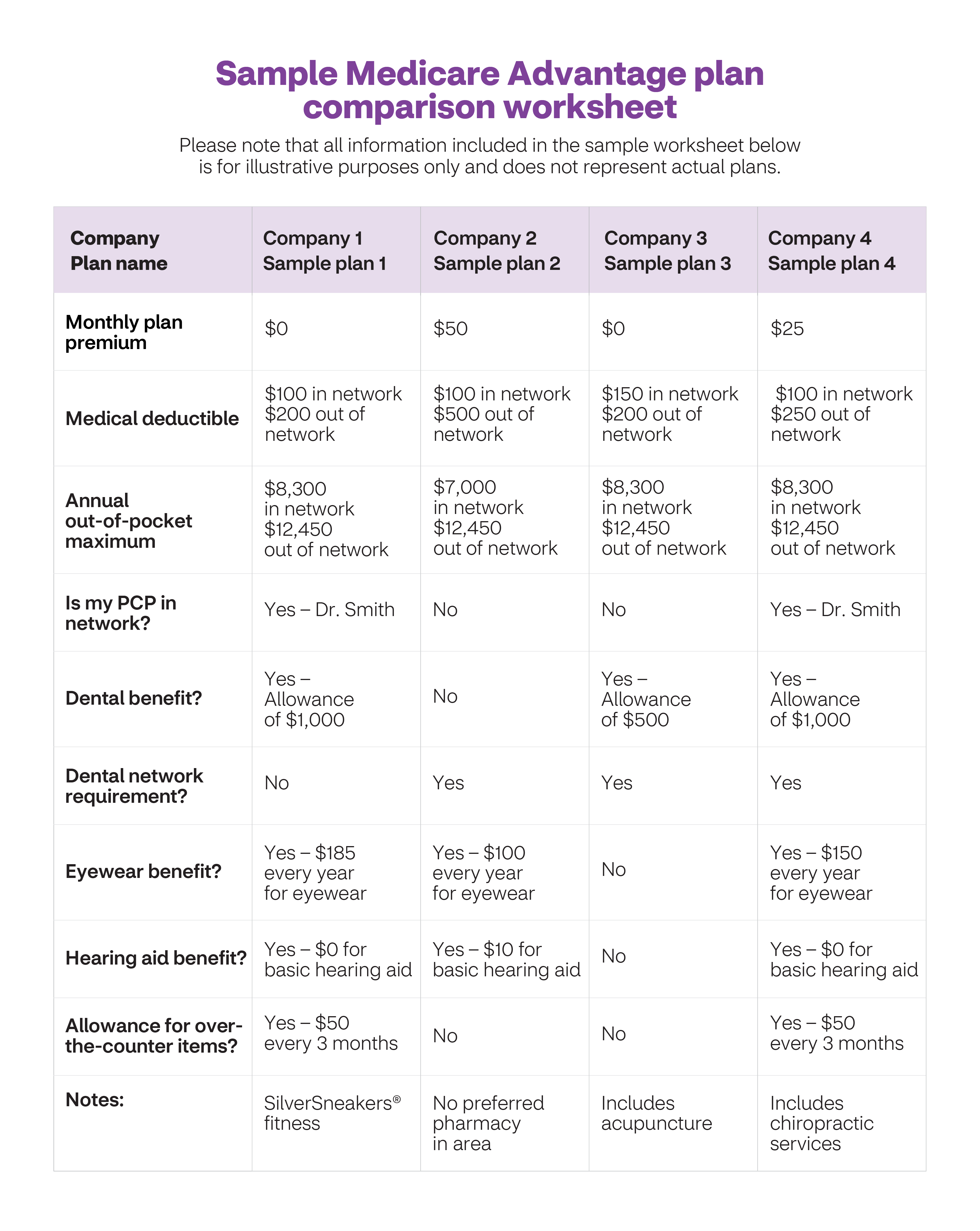
The following table illustrates the typical differences between Aetna's PPO offerings. Note: Exact figures vary by ZIP code and county.
| Feature | Basic PPO (Value) | Standard PPO (Choice) | Premium PPO (Gold) |
|---|---|---|---|
| Monthly Premium | $0 | $25 - $75 | $100+ |
| PCP Copay (In-Network) | $0 - $10 | $0 | $0 |
| Specialist Copay (In-Network) | $40 - $50 | $35 | $25 |
| In-Network MOOP | Higher (e.g., $7,550) | Mid (e.g., $5,500) | Lower (e.g., $3,400) |
| Out-of-Network Access | Yes, higher cost | Yes, moderate cost | Yes, lowest cost-diff |
| Dental Allowance | $500 - $1,000 | $1,500 - $2,500 | $3,000+ |
| OTC Benefit | $30 / quarter | $60 / quarter | $100 / quarter |
Eligibility and Enrollment Periods for 2026
To enroll in an Aetna Medicare Advantage PPO plan in 2026, you must meet two primary criteria:
- You must be enrolled in Medicare Part A and Part B.
- You must live in the plan's service area (PPO availability is determined by county).
Enrollment Windows
You cannot join an Aetna PPO at any time; you must use specific enrollment periods:
- Initial Enrollment Period (IEP): A seven-month window around your 65th birthday.
- Annual Enrollment Period (AEP): From October 15 to December 7. Changes made during this time take effect on January 1, 2026.
- Medicare Advantage Open Enrollment Period (MA OEP): From January 1 to March 31. If you are already in an MA plan, you can switch to a different MA plan or go back to Original Medicare.
- Special Enrollment Periods (SEP): Triggered by events like moving to a new state, losing employer coverage, or qualifying for "Extra Help."
The National PPO Network and Provider Choice
A significant advantage of Aetna’s PPO infrastructure in 2026 is the Aetna Medicare National Network. For many PPO plans, Aetna allows members to see any provider in the country who is part of Aetna's Medicare network and receive "in-network" cost-sharing. This is a major benefit for "snowbirds" or those who travel between states.
Verifying Your Doctor
Before enrolling, it is vital to use the Aetna "Find a Provider" tool. Because PPO networks can change, checking the 2026 status of your specific specialists is a necessary step. If your doctor is not in the network, ask them: "Will you accept the Aetna Medicare PPO plan and bill the insurance company?" If they agree, you can still see them, though you should prepare for the out-of-network cost-sharing rates specified in your Plan Evidence of Coverage (EOC).
Pros and Cons of Aetna Medicare Advantage PPOs
The Advantages
- Flexibility: No referrals mean you can book a specialist appointment directly.
- Out-of-Network Coverage: You are not "locked in" to a local network, which is essential for emergency or specialized care at national centers of excellence.
- Predictable Costs: The MOOP provides a safety net that Original Medicare (without a Medigap plan) does not offer.
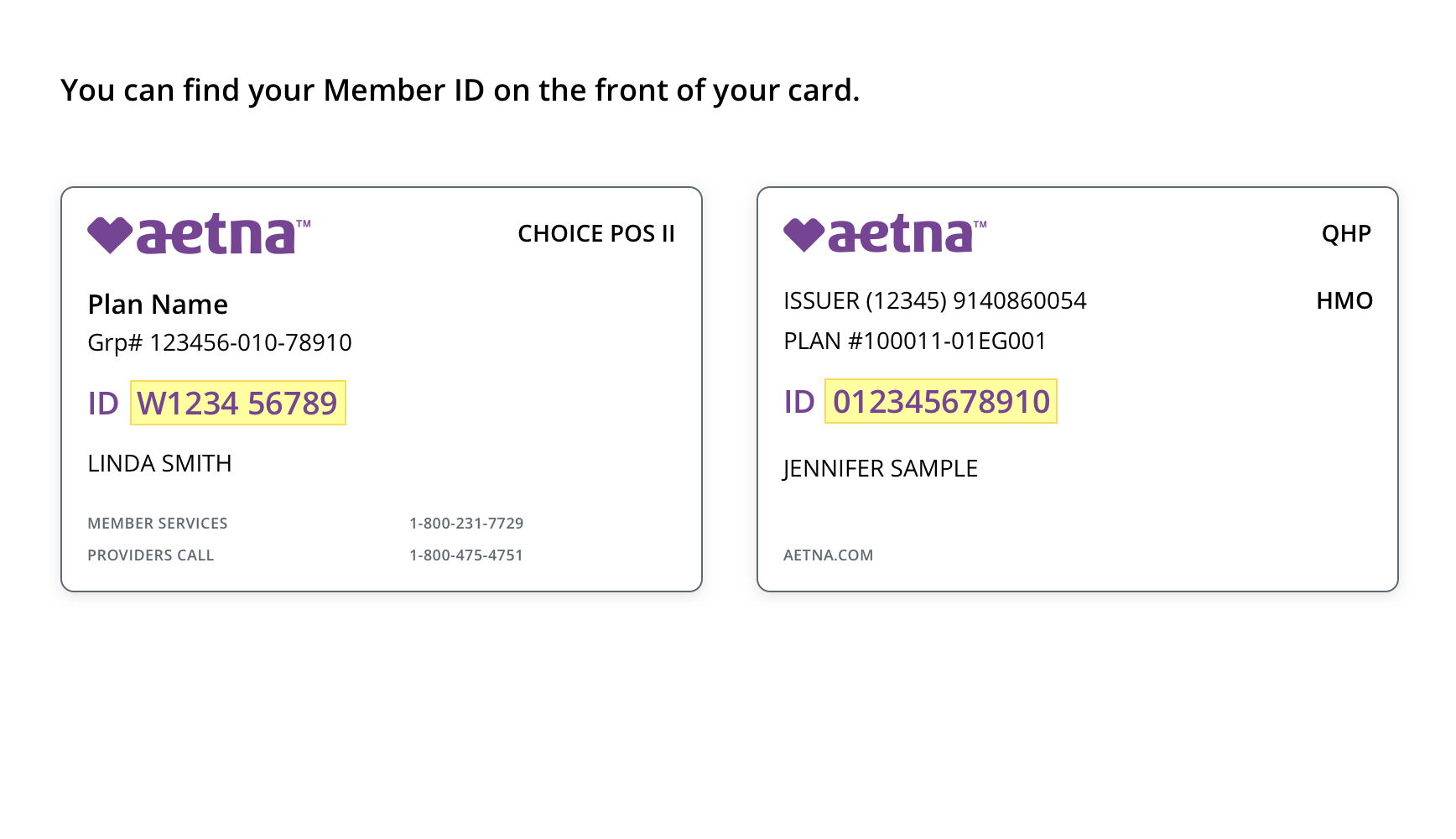
- Convenience: Having medical, hospital, and drug coverage under one ID card simplifies healthcare management.
The Disadvantages
- Higher Costs than HMOs: Premiums and copays for PPOs are generally higher than their HMO counterparts.
- Out-of-Network Expenses: While you can go out of network, doing so frequently can be expensive due to higher coinsurance rates.
- Prior Authorization: Even though referrals aren't needed, Aetna may still require "prior authorization" for certain high-cost services like MRIs, inpatient stays, or specialty infusions.
Frequently Asked Questions
Do I need a referral to see a specialist on an Aetna PPO plan?
No. One of the defining features of an Aetna Medicare Advantage PPO is that it does not require referrals. You can schedule an appointment directly with any specialist. However, it is always recommended to verify if the specialist is in-network to ensure you pay the lowest possible copayment.
Can I keep my current doctor if I switch to an Aetna PPO?
Yes, provided your doctor accepts Medicare and is willing to bill Aetna. If your doctor is in Aetna’s PPO network, you will pay the lower in-network rate. If they are out-of-network but accept the plan’s terms, you can still see them, but your out-of-pocket costs will likely be higher.
Is prescription drug coverage included in all Aetna PPOs?
Most, but not all. Aetna offers both MAPD (Medicare Advantage Prescription Drug) plans and MA-only plans. The MA-only plans are typically designed for veterans who receive drug coverage through the VA or those who have other creditable drug coverage. In 2026, most consumers will opt for the MAPD version to ensure they have the $2,000 cap on drug costs.
What is the difference between an Aetna PPO and a Medicare Supplement (Medigap) plan?
A Medicare Supplement plan works with Original Medicare to pay for "gaps" like the 20% coinsurance. An Aetna PPO replaces Original Medicare and provides its own set of benefits, networks, and rules. You cannot have both a Medicare Advantage plan and a Medigap plan at the same time; it is illegal for anyone to sell you both.
How does the 2026 out-of-pocket drug limit affect my Aetna PPO?
Starting in 2026, the maximum you will pay for covered Part D drugs is $2,000 per year. This is a federal requirement that Aetna has integrated into its PPO plans. Once you hit this limit, you pay $0 for your covered medications for the rest of the calendar year. This is a significant improvement over previous years when the "donut hole" or catastrophic thresholds were higher or more complex.
Practical Recommendations for 2026
When choosing an Aetna Medicare Advantage PPO plan in 2026, do not select based on the monthly premium alone. Instead, perform a "total cost of care" analysis. Review your medical history from the past two years: how many specialist visits did you have? What medications are you taking?
If you have frequent medical needs, a plan with a higher monthly premium but a lower MOOP and lower copays will likely save you more money over 12 months. Conversely, if you are healthy and rarely see a doctor, a $0 premium PPO with a higher MOOP might be the most cost-effective way to gain dental and vision benefits while maintaining a safety net for emergencies. Always confirm your "must-have" doctors are in-network using the 2026 Aetna directory before the December 7 enrollment deadline.