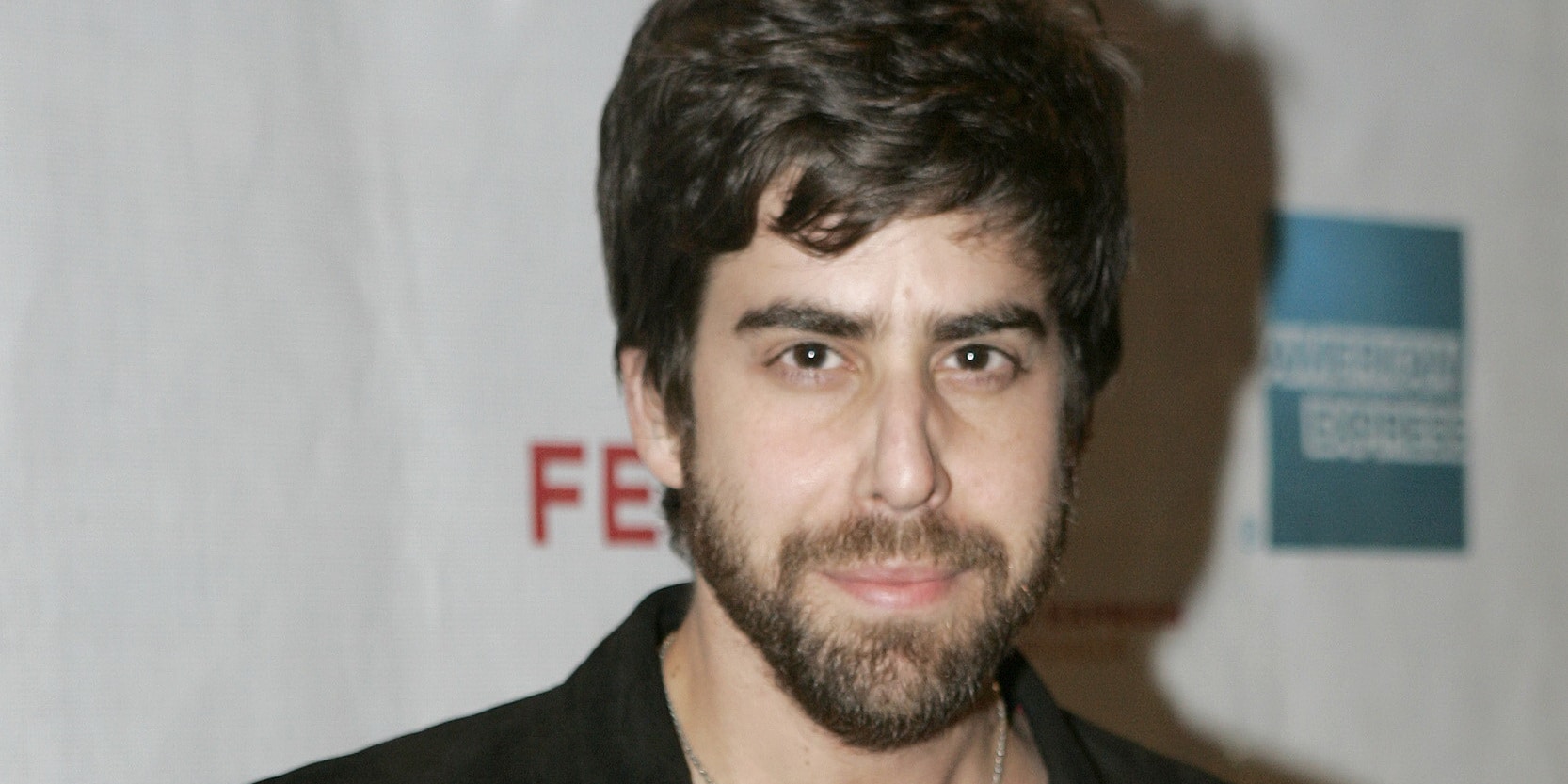
Adam Goldenberg’s net worth is estimated between $250 million and $500 million, derived primarily from his co-founding equity stakes in TechStyle Fashion Group, Fabletics, and Savage X Fenty. His wealth engine relies on subscription-based direct-to-consumer (DTC) fashion brands, historical M&A liquidity events, and high-profile celebrity partnership equity structures.
Financial Disclaimer
This analysis relies on publicly disclosed transaction records, venture funding filings, accredited secondary market valuations, and independent financial reporting. Because key assets are held within private enterprises, exact personal balance sheet figures remain undisclosed. This article provides financial context for institutional and retail investors studying direct-to-consumer enterprise models and founder net worth mechanics; it does not constitute personal investment advice.
The Financial Blueprint Behind Adam Goldenberg’s Net Worth
Understanding Adam Goldenberg’s personal fortune requires examining how early internet media monetization evolved into modern direct-to-consumer (DTC) subscription commerce. Unlike traditional apparel moguls whose wealth is built on brick-and-mortar retail real estate or wholesale distribution, Goldenberg built a capital-efficient digital asset portfolio grounded in recurring revenue, programmatic customer acquisition, and venture capital financing.
Goldenberg began his career as an internet entrepreneur in his teens. By age 19, he served as Chief Operating Officer of Intermix Media, the parent entity that created and scaled Myspace. When News Corporation acquired Intermix Media in 2005 for approximately $580 million, Goldenberg achieved his first major liquidity event as an executive shareholder. That initial liquidity event provided the seed capital for his subsequent venture studio model.
In 2006, Goldenberg partnered with Don Ressler to found Intelligent Beauty, a venture builder designed to incubate e-commerce and consumer products. Intelligent Beauty launched several successful brands, most notably DermStore, an online skincare marketplace acquired by Target Corporation in 2013 for an undisclosed multi-million-dollar sum. The capital returned from the DermStore transaction, combined with early returns from intelligent beauty incubations, allowed Goldenberg to reinvest heavily into his next major vehicle: JustFab, which later rebranded as TechStyle Fashion Group.
[Early Tech Liquidity] [Venture Incubation] [Subscription Scale Engine] Intermix / Myspace Sale ---> Intelligent Beauty / DermStore ---> TechStyle Fashion Group & Spin-Offs ($580M Enterprise) (Target Acquisition) (Fabletics, Savage X Fenty)
Goldenberg's net worth trajectory reflects three core financial mechanisms:
- Realized Liquidity: Early cash exits from public company acquisitions (Intermix Media to News Corp) and corporate sales (DermStore to Target).
- Retained Equity: Controlling and significant co-founding stakes in private holding entities, notably TechStyle Fashion Group.
- Unrealized Valuation Spikes: Equity holdings in high-growth, venture-backed spin-offs, including Fabletics and Rihanna’s Savage X Fenty, which achieved unicorn status via independent private funding rounds.
Core Wealth Drivers: Portfolio Companies and Business Models
Direct-to-Consumer (DTC) VIP Membership Engine
The fundamental engine driving Goldenberg’s wealth accumulation is TechStyle’s VIP membership model. Rather than relying on non-recurring, transactional e-commerce sales—which suffer from unpredictable traffic costs—TechStyle built a model around monthly flexible subscriptions.
Customers join a VIP membership program that grants discounted product pricing in exchange for monthly store credits or automatic skips. From an investor perspective, this structure alters basic retail metrics:
- Predictable Cash Flow: Monthly billing cycles stabilize baseline revenue, enabling better inventory purchasing and supply chain financing.
- Elevated Customer Lifetime Value (LTV): Active VIP members purchase significantly more frequently than guest shoppers, offsetting high upfront digital advertising expenditures.
- Data-Driven Inventory Management: Continuous customer browsing and skipping data allows TechStyle to manufacture near-real-time inventory, reducing end-of-season clearance markdowns.
Fabletics: Expanding Beyond Digital Commerce
Launched in 2013 in partnership with actress Kate Hudson, Fabletics transformed TechStyle from a single-category shoe retailer into an activewear contender capable of challenging established incumbents like Lululemon and Gap’s Athleta.
Goldenberg’s equity value in Fabletics increased substantially as the brand diversified beyond e-commerce into brick-and-mortar retail. Opening physical store locations served two strategic purposes: lower overall Customer Acquisition Costs (CAC) in target metro areas and higher brand awareness that boosted online search traffic. By expanding into men’s activewear (Fabletics Men) and scrubs (Fabletics Scrubs), Fabletics enlarged its Total Addressable Market (TAM), positioning the company for private equity recapitalizations and eventual public listing preparations.
Savage X Fenty: Disruption and Unicorn Valuation
In 2018, Goldenberg and TechStyle partnered with global cultural icon Rihanna to launch Savage X Fenty, an inclusive lingerie brand designed to capture market share from declining legacy brands like Victoria’s Secret.
Savage X Fenty operated with independent equity capital structures, raising funds from top-tier institutional private equity and venture firms, including L Catterton, Neuberger Berman, and Marcy Venture Partners. By 2022, Savage X Fenty achieved a reported valuation exceeding $1 billion during its Series C funding round, with media reports highlighting potential initial public offering (IPO) considerations at valuations up to $3 billion. Goldenberg’s residual equity and operational stake through TechStyle and personal co-founder entities represent a significant portion of his illiquid net worth.
Enterprise Consolidation: JustFab, ShoeDazzle, and FabKids
Before launching Fabletics and Savage X Fenty, Goldenberg executed consolidation strategies within online apparel. In 2013, JustFab acquired its primary competitor, ShoeDazzle (co-founded by Kim Kardashian and Brian Lee), through an all-stock merger. By consolidating back-office logistics, technology infrastructure, and supply chain management across JustFab, ShoeDazzle, and FabKids, Goldenberg reduced redundant operating expenses and expanded subscriber scale across multiple demographics.
Enterprise Breakdown & Financial Milestones
The following table outlines the key commercial entities, historical transactions, and structural funding milestones that have established Adam Goldenberg’s estimated financial standing.
| Enterprise / Venture | Operational Role | Key Valuation / Deal Size | Strategic Takeaway for Investors |
|---|---|---|---|
| Intermix Media (Myspace) | Chief Operating Officer (COO) | $580 Million (Acquired by News Corp, 2005) | Provided baseline liquid wealth; demonstrated early expertise in digital audience monetization. |
| DermStore (Intelligent Beauty) | Co-Founder / Investor | Undisclosed Multi-Million Sale (Acquired by Target, 2013) | Validated the vertical-specific e-commerce marketplace strategy; yielded non-dilutive liquidity. |
| TechStyle Fashion Group | Co-Founder & Co-CEO | $1 Billion+ (Private Valuation in Series funding rounds) | Parent subscription engine powering back-end logistics, technology, and customer acquisition across legacy brands. |
| Fabletics | Co-Founder & Executive Leader | $1 Billion to $2 Billion+ (Estimated Private / IPO target marks) | Demonstrated transition from online-only subscription model to successful omnichannel physical retail expansion. |
| Savage X Fenty | Co-Founder / Brand Incubator Partner | $1 Billion+ (Series C Financing Valuation) | Capitalized on celebrity equity joint-ventures; successfully targeted underserved inclusive apparel markets. |
Key Valuation Metrics and Financial Risks for Investors
For private equity investors, venture capitalists, and retail market participants evaluating companies founded or scaled under Goldenberg’s playbooks, several financial metrics and risk factors must be weighed.
1. Private vs. Public Multiples in DTC E-Commerce
Private venture rounds often rely on revenue multiples that outpace public market realities. During peak capital cycles, pure-play DTC e-commerce businesses commanded Enterprise Value-to-Revenue (EV/Rev) multiples of 2.0x to 4.0x. However, in public markets, macro shifts—such as supply chain inflation, shifting privacy rules, and reduced consumer discretionary budgets—have frequently contracted pure DTC multiples closer to 0.6x to 1.5x EV/Rev.
Investors analyzing Goldenberg’s enterprise valuations must adjust headline figures based on current public market comparable analysis:
$$\text{Implied Enterprise Value} = \text{Annual Recurring Revenue (ARR)} \times \text{Sector EV/Revenue Multiple}$$
When public comps decline, private valuations experience down-round pressures or deferred IPO schedules, directly impacting the mark-to-market value of founder equity.
2. Digital Advertising Costs and Privacy Regimes
The long-term margins of VIP membership models depend heavily on maintaining a favorable Lifetime Value to Customer Acquisition Cost ratio (LTV:CAC). Institutional benchmark standards generally demand an LTV:CAC ratio of 3.0x or higher over a 12-to-24-month horizon.
Changes to mobile operating system privacy frameworks (such as Apple’s App Tracking Transparency framework introduced in iOS 14.5 and continuously updated) significantly altered digital ad targeting on platforms like Meta and Google. Higher CAC compresses net contribution margins. Companies under Goldenberg’s purview answered this headwind by:
- Shifting ad budgets toward user-generated content (UGC) and influencer micro-campaigns.
- Accelerating physical store openings to capture organic footprint traffic.
- Diversifying product offerings to increase average order values (AOV).
Traditional DTC Model: High Meta/Google Ads CAC ---> Low Margin Online Sale TechStyle Omnichannel: Influencer & Mall Traffic ---> VIP Subscription Registration ---> High Lifetime Value
3. Subscription Churn and Retention Realities
While recurring billing models provide revenue stability, high churn rates can erode enterprise value. Subscription fashion services face customer retention hurdles due to seasonal apparel cycles and consumer preferences. To maintain enterprise value, subscription platforms must minimize active voluntary cancellations while maintaining low involuntary payment decline rates.
4. Celebrity Co-Founder Equity Dynamics
Goldenberg pioneered scaling digital apparel through celebrity co-founders (Kate Hudson for Fabletics, Rihanna for Savage X Fenty, Kim Kardashian for ShoeDazzle). This equity model creates distinct financial dynamics:
- Pros: Lowers initial brand-building expenditures and provides built-in organic reach to tens of millions of social media followers.
- Cons: High brand-dependency risk. Any reputational missteps by a celebrity co-founder can negatively impact consumer sentiment, customer acquisition velocity, and enterprise equity metrics.
Strategic Takeaways for Retail and Private Equity Investors
Investors studying Adam Goldenberg’s entrepreneurial path and portfolio economics can extract practical insights applicable to analyzing tech-enabled consumer brands.
1. Evaluate Omnichannel Readiness Early
Pure-play DTC e-commerce models frequently hit growth ceilings when digital acquisition channels saturate. Goldenberg’s transition of Fabletics and Savage X Fenty into physical retail stores underscores that omnichannel conversion is mandatory for scaling past $500 million in annual revenue. When evaluating early-stage DTC investments, assess whether the brand’s product price points and margins can support physical retail lease expenses and store labor.
2. Analyze Balance Sheet Rigor Behind Celebrity Partnerships
A celebrity endorsement contract differs materially from a true equity co-founder structure. Goldenberg’s ventures grant major talent meaningful equity, aligning incentives toward long-term enterprise valuation rather than short-term promotional fees. Investors should review royalty agreements, equity vesting schedules, and voting rights when analyzing celebrity-backed consumer platforms.
3. Stress-Test Subscription Retention Metrics
When performing due diligence on recurring-revenue consumer platforms, look past Gross Merchandise Value (GMV) headlines. Focus on granular cohort analysis:
- Cohort Retention Curves: Does customer spend flatten into a stable baseline after month 6, or does it degrade toward zero?
- Net Revenue Retention (NRR): Are remaining cohort members expanding their purchase frequency enough to offset member churn?
- Organic vs. Paid Member Mix: What percentage of new VIP subscriptions originate from non-paid search, store walk-ins, and direct brand referral traffic?
Frequently Asked Questions
What is Adam Goldenberg’s main source of wealth?
Adam Goldenberg’s wealth is primarily derived from his equity stakes in consumer apparel enterprises, including TechStyle Fashion Group, Fabletics, and Savage X Fenty, alongside cash proceeds from historical tech sales, including Intermix Media (Myspace) and DermStore.
Is TechStyle Fashion Group a publicly traded company?
No. TechStyle Fashion Group operates as a private company funded by venture capital and private equity firms, alongside its co-founders. Consequently, exact daily asset valuations remain private.
How does the VIP membership business model contribute to enterprise net worth?
The VIP membership model generates predictable, recurring cash flow while improving inventory forecast accuracy. Higher customer lifetime values generate strong cash flows that boost private equity enterprise valuations compared to traditional transactional e-commerce stores.
What is the estimated valuation of Savage X Fenty?
Savage X Fenty achieved private valuations exceeding $1 billion during its institutional Series C funding round, backed by major private equity funds like L Catterton and Neuberger Berman.
How do changes in digital advertising privacy rules affect subscription fashion brands?
Updates to mobile privacy and advertising tracking increase Customer Acquisition Costs (CAC). Brands mitigate these costs by building physical retail footprints, establishing influencer co-ownership deals, and driving direct customer retention through loyalty rewards.
Investor Action Plan: How to Analyze DTC Holding Entities
When evaluating early-to-mid stage consumer investment opportunities built on TechStyle-style operational playbooks, apply the following systematic due diligence process:
- Verify Capital Efficiency: Confirm that historical liquidity events were driven by real underlying enterprise EBITDA or strategic M&A exits rather than continuous capital injections without a path to profitability.
- Audit Lifetime Value Mechanics: Request cohort-level performance metrics. A durable consumer subscription engine must demonstrate payback on Customer Acquisition Cost within 6 to 12 months.
- Assess Cap Table Structures: Analyze founder equity relative to venture capital preference stacks. Ensure executive leadership maintains sufficient equity incentives to execute multi-year omnichannel scaling plans.
- Monitor Public Comps: Benchmark private company revenue claims against public sector comps (such as Lululemon, Revolve, and Oxford Industries) to establish realistic valuation floors during tight capital markets.