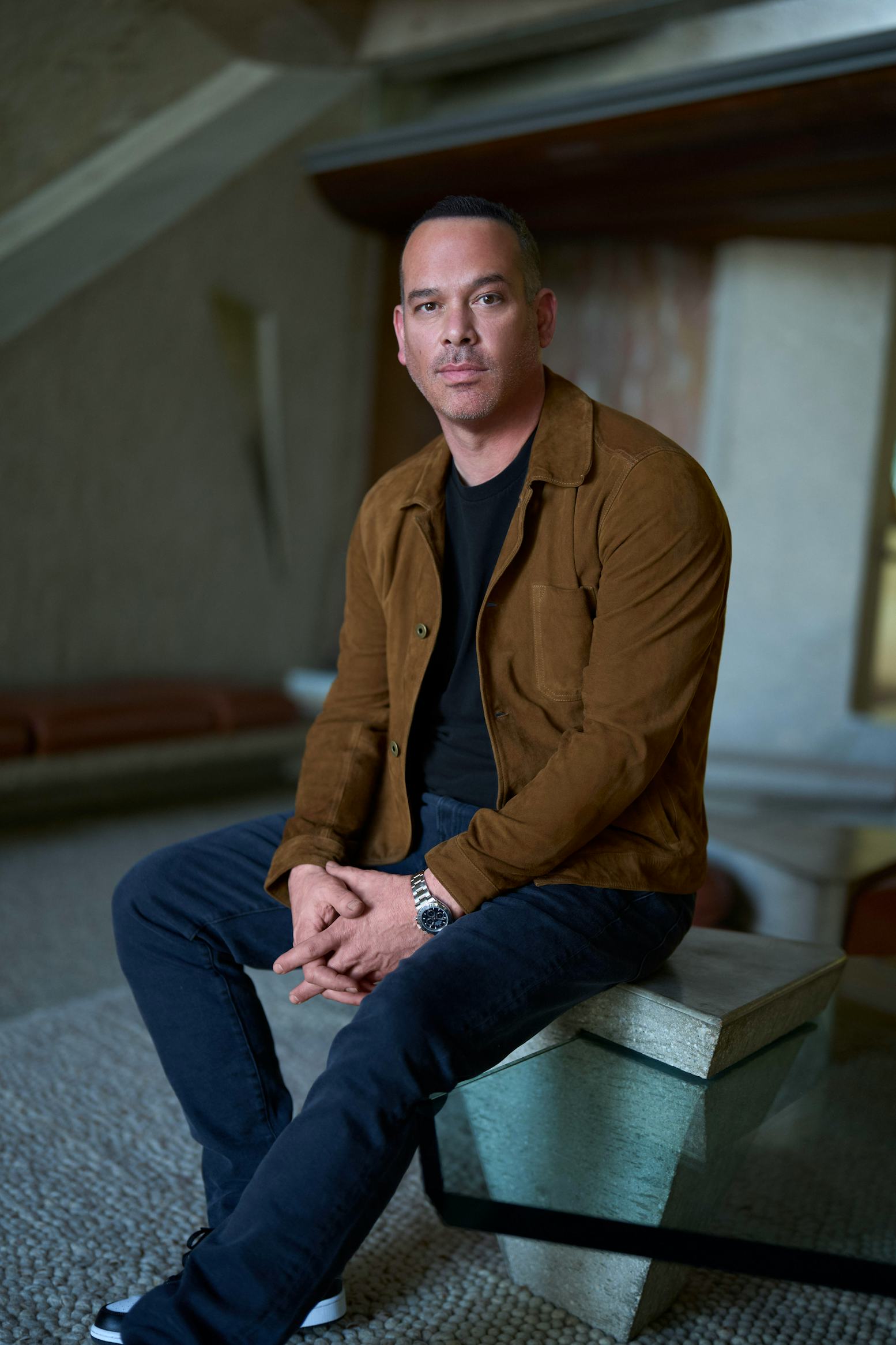
Acclaimed Anishinaabe actor Adam Beach publicly called for a boycott of the hit television series Yellowstone, sparking a major industry debate over Indigenous representation, creative authority, and casting authenticity in mainstream media. Beach’s critique focused on non-Native creators controlling Native American narratives without placing Indigenous writers, directors, and cultural leaders in primary decision-making positions.
The Catalyst Behind Adam Beach’s Boycott Call
In late 2024, as Paramount Network prepared to broadcast the final episodes of Yellowstone Season 5, veteran actor Adam Beach issued a public call for Native American actors, crew members, and viewers to boycott the franchise. Posting across his social media platforms, Beach expressed deep frustration with how Indigenous storylines were framed, developed, and commercialized by non-Native showrunner Taylor Sheridan and the surrounding production infrastructure.
Beach’s call for a boycott was not an isolated outburst, but rather the culmination of years of quiet friction between Hollywood’s established studio system and Indigenous media professionals. While Yellowstone had long been praised by mainstream media outlets for incorporating modern reservation life into a primetime Western drama, Beach argued that the show's core structure perpetuated systemic exclusion.
The primary arguments driving Beach's boycott call included:
- Monopolization of Narrative Authority: A single non-Native writer (Taylor Sheridan) authored the vast majority of scripts depicting complex tribal politics, cultural practices, and reservation dynamics, rather than employing a dedicated writers' room with Indigenous screenwriters.
- The "Redwashing" of Mainstream Westerns: The practice of using Native actors and traditional imagery on screen to lend moral complexity or progressive legitimacy ("redwashing") to a show whose primary perspective remains rooted in white settler ranching heritage.
- Casting and Identity Controversies: Persistent concerns over the casting of non-enrolled actors in prominent Native roles, which dilutes opportunity for Indigenous performers and undermines tribal sovereignty.
- Economic Disparity in Story Ownership: Massive financial profits and industry accolades flowing to non-Native creators and studio executives, while Indigenous talent remains restricted to performing secondary roles without equity or ownership in the IP.
Beach urged Indigenous artists to stop lending their image and legitimacy to projects where Native people lack structural authority, calling on the entertainment industry to shift focus toward self-determined, Indigenous-led productions.
Who Is Adam Beach? Career Context and Industry Influence
To understand the weight of the boycott call, one must examine Adam Beach’s legacy in American and Canadian film and television. An Anishinaabe (Saulteaux) actor born in Ashern, Manitoba, and raised on the Lake Manitoba First Nation, Beach has been one of the most visible and respected Indigenous actors in North America for over three decades.
Beach broke into mainstream consciousness with his performance as Victor Joseph in Chris Eyre’s landmark 1998 independent film Smoke Signals, which was written by Sherman Alexie and achieved critical acclaim as the first feature film written, directed, and co-produced by Native Americans to achieve wide theatrical release. Throughout the 2000s and 2010s, Beach transitioned into major Hollywood blockbusters and prestige network dramas, building a resume that few Indigenous actors of his generation could match.
Key Career Milestones
- ** Smoke Signals (1998):** Portrayed Victor Joseph, establishing a new paradigm for contemporary, authentic Native storytelling free from historical Hollywood stereotypes.
- ** Windtalkers (2002):** Starred alongside Nicolas Cage as Navajo Code Talker Ben Yahzee in John Woo's World War II epic.
- ** Flags of Our Fathers (2006):** Played Ira Hayes, the Native American Marine who helped raise the flag at Iwo Jima, earning a Golden Globe nomination for Best Actor in a Mini-Series or TV Motion Picture for his subsequent role in Bury My Heart at Wounded Knee (2007).
- ** Law & Order: Special Victims Unit (2007–2008):** Starred as Detective Chester Lake, bringing regular Native representation to a flagship network procedural.
- ** Suicide Squad (2016):** Portrayed Christopher Weiss / Slipknot, marking an early appearance for an Indigenous actor in the modern superhero blockbuster genre.
Because of his extensive history within both studio blockbusters and independent Native cinema, Beach’s commentary carries distinct authority. Unlike early-career actors who might face devastating industry blacklisting for challenging major showrunners, Beach spoke from a position of established industry seniority, reflecting decades of firsthand experience navigating Hollywood's systemic limitations.
Native Representation in Yellowstone: Portrayal vs. Reality
Yellowstone, co-created by Taylor Sheridan and John Linson, centers on the Dutton family, owners of the largest contiguous ranch in the United States. A central axis of the show's narrative is the ongoing conflict and uneasy alliance between the Dutton patriarch, John Dutton (played by Kevin Costner), and the neighboring Broken Rock Indian Reservation, led by Tribal Chairman Thomas Rainwater (played by Gil Birmingham).
From its inception, Yellowstone was promoted as a series that brought urgent contemporary Native American issues into living rooms across the globe. The show tackled subjects rarely highlighted in network television, including:
- The crisis of Missing and Murdered Indigenous Women (MMIW).
- Jurisdictional conflicts between federal, state, and tribal law enforcement.
- Historical trauma from Indian Boarding Schools and forced assimilation.
- The economic pressures facing sovereign tribal nations attempting to buy back ancestral lands.
However, media critics, Native scholars, and actors like Beach pointed out a severe dichotomy between the show's subject matter and its underlying execution.
Narrative Power in TV Drama
- Traditional Studio Model (e.g., Yellowstone Production)
- Non-Native Showrunner / Writer
- Native Actors Hired to Perform
- Cultural Authenticity Consultation
- Indigenous Sovereignty Model (e.g., Reservation Dogs Model)
- Native Co-Creators & Showrunners
- All-Native Writers' Room & Directors
- Native Ownership, Nuance & Control
The Writer's Room Deficit
The core of Beach’s criticism revolves around who holds the pen. In standard television production, complex multi-cultural narratives rely on diverse writers' rooms where cultural consultants, staff writers, and producers from the depicted communities collaborate to craft authentic character arcs.
Taylor Sheridan famously wrote nearly every episode of Yellowstone alone. Critics argue that regardless of research or good intentions, a single non-Native writer cannot adequately represent the internal spiritual, political, and social nuances of tribal life without defaulting to tropes. On screen, Native characters often served as philosophical sounding boards, mystical figures, or tragic victims whose primary function was to challenge or validate the white lead characters' moral dilemmas.
Casting Authenticity and the Identity Debate
Another persistent flashpoint surrounding Yellowstone involves the casting of key roles. Actor Kelsey Asbille was cast to play Monica Long Dutton, a Native American professor married into the Dutton family. When her casting was announced in 2017, it sparked criticism within the Indigenous acting community regarding her heritage claims.
Asbille stated in interviews that she possessed Eastern Band of Cherokee Indians ancestry. However, official statements from tribal leadership, including reporting by Native journalists, clarified that the Eastern Band of Cherokee Indians had no record of Asbille, nor evidence of her descent.
This controversy re-emerged during Beach’s boycott call. Critics emphasized that casting non-enrolled individuals in Native roles deprives actual Indigenous actors of career-defining opportunities while distorting legal and political definitions of tribal identity—definitions that are fundamental to tribal sovereignty.
Native-Led vs. Non-Native-Led Storytelling: A Structural Comparison
Adam Beach’s boycott call highlighted a major paradigm shift in television: the difference between visibility (having Native faces on screen) and sovereignty (having Indigenous creative control behind the camera).
The table below contrasts the structural framework of Yellowstone against prominent Native-created and Native-led television productions:
| Structural Criteria | Yellowstone (Paramount) | Reservation Dogs (FX / Hulu) | Dark Winds (AMC) |
|---|---|---|---|
| Primary Creator / Showrunner | Taylor Sheridan (Non-Native) | Sterlin Harjo (Muscogee/Seminole) & Taika Waititi (Māori) | Steven Judd (Kiowa/Choctaw) & Graham Roland (Chickasaw) |
| Writers' Room Composition | Solo-written primarily by Sheridan | 100% Indigenous Writers' Room | Predominantly Indigenous Writers' Room |
| Directorial Control | Primarily Non-Native Directors | 100% Indigenous Directors | Native & Veteran Directors (e.g., Chris Eyre) |
| Main Native Roles Casting | Mixed (Includes enrolled Native actors & non-enrolled actors) | Enrolled Native & Indigenous Actors | Enrolled Native & Indigenous Actors |
| Primary Framing Perspective | White-owned ranching dynasty; Native characters as external forces | Contemporary Native youth; Reservation life as lived experience | Native law enforcement navigating tribal & federal space |
| Treatment of Trauma | Often dramatic backdrop or catalyst for non-Native storylines | Grounded in humor, community resilience, and cultural specificity | Genre-focused mystery woven with authentic Navajo culture |
The Impact of Reservation Dogs and Dark Winds
The emergence of shows like FX’s Reservation Dogs (created by Sterlin Harjo) and AMC’s Dark Winds demonstrated to global audiences that Native-led productions are not only critically superior in their cultural accuracy, but also commercially successful.
Reservation Dogs achieved universal critical acclaim, earning Peabody, AFI, and Golden Globe recognition while employing an entirely Indigenous roster of writers, directors, and series regulars. This proved that Indigenous creators do not require non-Native intermediaries to pitch, write, and execute stories that resonate with universal audiences.
When Beach called for a boycott of Yellowstone, he explicitly pointed to this new era of television, urging the industry to fund Native showrunners directly rather than relying on legacy Hollywood Western creators to interpret Native life.
Industry Implications and the Push for Narrative Sovereignty
The debate ignited by Adam Beach touches upon fundamental legal, economic, and artistic principles shaping contemporary entertainment.
1. Moving Beyond "Cultural Consultants"
For decades, Hollywood studios attempted to address representation by hiring "cultural consultants"—Native elders or advisors brought onto sets to check props, wardrobe, or language pronunciation. While helpful, advocacy groups such as the IllumiNative non-profit organization have pointed out that consultants rarely possess veto power, script revision authority, or profit participation.
Narrative sovereignty demands that Indigenous professionals hold executive producer credits, direct episodes, greenlight projects, and retain IP rights.
2. Legal Sovereignty vs. Personal Identification
In entertainment media, Native American identity is distinct from general racial identity because it carries a legal and political designation. Indian Nations in the United States and First Nations in Canada are sovereign governments with legal criteria for citizenship and enrollment.
When non-Native creators cast actors who claim heritage without legal enrollment or verified community lineage, it creates friction with sovereign tribes. Organizations like SAG-AFTRA have faced growing calls from Native union members to adopt clearer guidelines regarding self-identification and authentic representation in casting notices.
3. The Economics of the Modern Western
The Western genre has undergone numerous revivals throughout film history. Historically, the genre built its mythos on the erasure or villainization of Native peoples. While modern "neo-Westerns" like Yellowstone replace open villainy with sympathetic portrayals, critics note that the underlying narrative logic often remains unchanged: white landownership is presented as central and heroic, while Native claims remain secondary or reactive.
By withholding participation, Indigenous actors leverage their collective power to alter the economic viability of non-Native Western franchises that rely on Native imagery for credibility.
Actionable Steps for Viewers, Creators, and Industry Leadership
Addressing systemic issues in media representation requires deliberate action from consumers, studio executives, and independent filmmakers.
Strategic Media Advocacy Pipeline
- Consumer Selection: Direct views & dollars to Native-owned and Native-led productions
- Industry Financing: Greenlight & fund Indigenous showrunners and production studios
- Policy & Casting: Mandate authentic casting & verified tribal consultation
Guidance for Media Consumers and Viewers
- Prioritize Native-Led Media: Actively seek out and subscribe to platforms carrying series, films, and documentaries written and directed by Indigenous creators.
- Practice Critical Media Literacy: Examine who holds creative control over historical or contemporary Native storylines. Look at writer and director credits, not just on-screen cast lists.
- Support Native Film Institutions: Donate to or amplify organizations supporting emerging Native filmmakers, such as the Sundance Institute’s Indigenous Program.
Recommendations for Studio Executives and Producers
- Establish Native Writers' Rooms: Avoid solo-writer mandates when producing series featuring significant tribal politics, culture, or historical events.
- Invest in Production Infrastructure: Partner directly with Native-owned production companies to co-produce content rather than keeping development entirely in-house.
- Transparent Casting Practices: Work directly with Native casting directors and tribal nations to verify background claims when casting roles defined by specific Native heritage.
Frequently Asked Questions
Why did Adam Beach call for a boycott of Yellowstone?
Adam Beach called for a boycott because he argued that Yellowstone relies on non-Native writers and creators to tell Native stories, excluding Indigenous screenwriters and directors from leadership positions. He emphasized that Native actors and culture should not be used to legitimize shows that fail to give Indigenous talent real creative authority and project ownership.
What is "narrative sovereignty" in film and television?
Narrative sovereignty refers to the right of Indigenous peoples to tell their own stories, control their own cultural representation, and hold primary creative authority—such as showrunning, writing, directing, and producing—over media content depicting their communities, histories, and traditions.
How does Yellowstone differ from shows like Reservation Dogs?
While Yellowstone is created and written primarily by non-Native showrunner Taylor Sheridan with a focus on a white ranching family, Reservation Dogs was created, written, and directed entirely by Indigenous filmmakers. Reservation Dogs features an all-Native writers' room and presents contemporary reservation life from an authentic, internal perspective.
What was the controversy surrounding Kelsey Asbille’s casting in Yellowstone?
Kelsey Asbille was cast to play Monica Dutton, a Native American character. Asbille publicly stated she had Eastern Band of Cherokee Indians heritage, but official tribal leadership clarified that she was not an enrolled member and had no verified record of descent. This sparked outrage among Indigenous actors over authentic casting and opportunity loss.
Has Taylor Sheridan responded to criticisms regarding Native representation?
Taylor Sheridan has frequently defended his work by highlighting his personal relationships with tribal members, his philanthropic efforts on reservations, and his inclusion of Native actors and storylines addressing real-world issues like MMIW. However, critics maintain that personal affinity does not substitute for structural Indigenous leadership in the writers' room.
Where can audiences find authentic, Native-led film and television content?
Audiences can explore series like Reservation Dogs (Hulu), Dark Winds (AMC), Rutherford Falls (Peacock), and Echo (Disney+), as well as feature films and documentaries highlighted by the Sundance Indigenous Film Program and APTN (Aboriginal People's Television Network).
Recommended Next Steps for Media Advocacy
To support systemic equity and narrative sovereignty in the entertainment industry, consider taking the following direct actions:
- Audit Your Watchlist: Identify the creative leadership behind Native-focused content you consume. Shift your viewing habits to support projects where Indigenous creators hold showrunner, director, and writer credits.
- Follow Native Industry Advocates: Stay informed on media sovereignty issues by following organizations such as IllumiNative, the Native American Media Alliance (NAMA), and the Indigenous Screen Office (ISO).
- Amplify Native Screenwriters: Share, review, and advocate for independent feature films and series created by enrolled Native and First Nations artists to demonstrate market demand to major studio distributors.