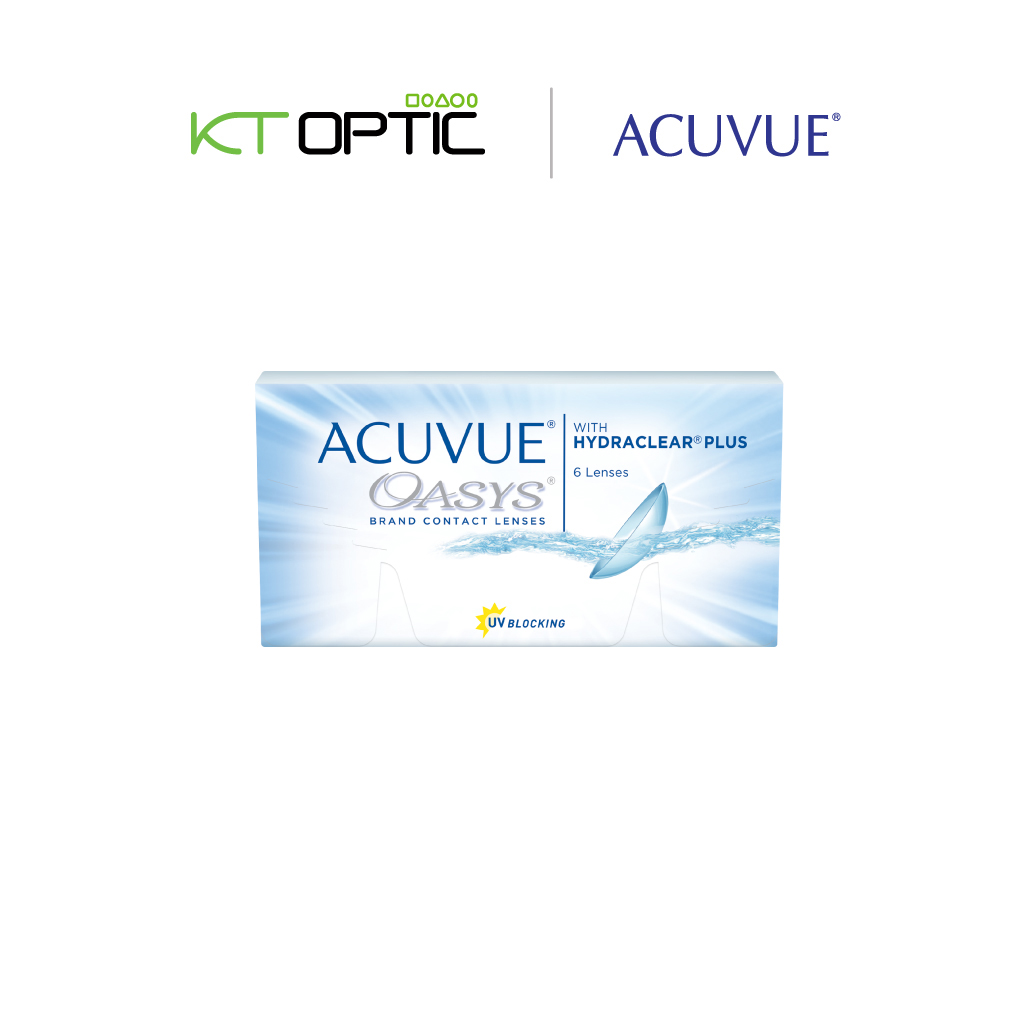
Acuvue Advance Plus with Hydraclear is a discontinued brand of silicone hydrogel contact lenses manufactured by Johnson & Johnson Vision Care. Designed for a two-week replacement schedule, these lenses utilized Galyfilcon A material and an integrated wetting agent to provide balanced oxygen transmissibility and moisture retention for daily wearers.
For many years, Acuvue Advance Plus with Hydraclear served as a foundational product in the transition from traditional hydrogel lenses to more breathable silicone hydrogel (SiHy) technology. While the product is no longer in production as of 2026, understanding its technical specifications and the reasons behind its evolution is essential for long-term wearers seeking comparable modern replacements. This article provides a comprehensive technical overview of the product, its historical context in the contact lens market, and the current clinical alternatives recommended by eye care professionals.
The Technical Profile of Galyfilcon A and Hydraclear Technology
To understand why Acuvue Advance Plus was a significant advancement in its time, one must examine the specific material science involved. The lenses were fabricated from Galyfilcon A, a first-generation silicone hydrogel material.
Oxygen Transmissibility (Dk/t)
One of the primary goals of silicone hydrogel technology is to increase the amount of oxygen that reaches the cornea. Traditional hydrogel lenses rely on water content to transport oxygen, which has a physical limit. Silicone, however, is naturally permeable to oxygen. Acuvue Advance Plus featured an oxygen transmissibility (Dk/t) of approximately 86. While this was significantly higher than the older hydrogel lenses (which often hovered around 20-30 Dk/t), it was eventually surpassed by second and third-generation materials.
The Hydraclear Wetting Agent
The "Hydraclear" suffix refers to Johnson & Johnson's proprietary internal wetting agent. In the early days of silicone hydrogels, the lenses were often perceived as "stiff" or "dry" because silicone is inherently hydrophobic (water-repelling). To combat this, manufacturers had to find ways to make the lens surface more "wettable."
Unlike some competitors who used surface treatments or coatings that could wear off, Hydraclear technology embedded a moisture-rich ingredient (polyvinyl pyrrolidone or PVP) directly into the lens matrix. This resulted in a lens that remained lubricated throughout the day, reducing the friction between the eyelid and the lens surface—a common cause of end-of-day discomfort.
Water Content and Modulus
Acuvue Advance Plus maintained a water content of 47%. This was a strategic balance; higher water content in a silicone hydrogel often results in a lower modulus (meaning the lens is softer and more flexible). The modulus of Advance Plus was designed to be low enough to remain comfortable for new wearers but firm enough to allow for easy handling during insertion and removal.
The Evolution: From Advance to Advance Plus
The "Plus" designation in Acuvue Advance Plus indicated a refinement over the original Acuvue Advance lens. These refinements were largely focused on surface characteristics rather than a complete overhaul of the base material.
The primary improvements in the "Plus" version included:
- Increased Lipid Resistance: One of the challenges with early silicone hydrogels was their tendency to attract lipid (fatty) deposits from the tear film. These deposits could lead to blurry vision and discomfort. The Plus version utilized an updated manufacturing process to create a smoother surface that was less prone to these deposits.
- Surface Smoothness: By refining the molding process, the manufacturer achieved a lower coefficient of friction. This meant that the eyelid could glide more easily over the lens, mimicking the natural feel of the eye's surface.
- Handling Tint and UV Protection: Like most products in the Acuvue family, Advance Plus included a visibility tint (light blue) to help users find the lens in the case, along with Class 1 or Class 2 UV blocking to protect the internal structures of the eye from harmful radiation.
Discontinuation and the Shift to Acuvue Oasys
As of 2026, Acuvue Advance Plus with Hydraclear is no longer available through authorized retailers. The discontinuation was part of a broader industry move toward superior materials and more specialized lens designs. The most direct successor to the Advance line was Acuvue Oasys with HydraClear Plus.
The transition from Advance Plus to Oasys represented a significant leap in clinical performance. While Advance Plus used Galyfilcon A, Oasys uses Senofilcon A. This newer material offers a Dk/t of 147—nearly double the oxygen permeability of the Advance Plus. Furthermore, the Hydraclear Plus technology in Oasys is a more concentrated version of the internal wetting agent, specifically designed to assist patients who spend long hours in "challenging environments," such as air-conditioned offices or in front of digital screens.
| Feature | Acuvue Advance Plus (Discontinued) | Acuvue Oasys (Successor) |
|---|---|---|
| Material | Galyfilcon A | Senofilcon A |
| Wetting Agent | Hydraclear | Hydraclear Plus |
| Oxygen Transmissibility (Dk/t) | 86 | 147 |
| Water Content | 47% | 38% |
| Replacement Schedule | 2 Weeks | 2 Weeks |
| UV Blocking | Class 1/2 | Class 1 (90% UVA, 99% UVB) |
| Primary Benefit | Softness and initial comfort | Superior oxygen and dry-eye relief |
Why Products Are Phased Out
The discontinuation of a popular lens like Acuvue Advance Plus often frustrates loyal users, but it is driven by two main factors: Ocular Health and Manufacturing Efficiency.
From an ocular health perspective, eye care professionals (ECPs) prefer to prescribe lenses with the highest possible oxygen transmissibility to prevent hypoxia-related complications, such as corneal swelling or neovascularization (the growth of new blood vessels into the cornea). When a material like Senofilcon A (Oasys) proves to be safer and more comfortable for a wider range of patients, manufacturers eventually stop producing the older, less efficient material.
Logistically, maintaining multiple production lines for lenses that serve the same "2-week disposable" market segment is inefficient. By consolidating their offerings, manufacturers can focus on improving the latest technologies and ensuring a consistent supply chain for the most advanced products.
Modern Alternatives Available in 2026
If you were a former wearer of Acuvue Advance Plus, several modern options are now available that offer similar or superior performance. Because contact lenses are medical devices, any change in brand requires a new fitting and prescription from a licensed optometrist or ophthalmologist.
1. Acuvue Oasys with HydraClear Plus
As mentioned, this is the most common transition. It maintains the two-week replacement cycle that Advance Plus wearers are accustomed to. It is widely considered the "gold standard" for the bi-weekly category and is available in spherical, astigmatism (toric), and multifocal designs.
2. Acuvue Vita with HydraMax
For those who prefer a longer replacement cycle, Acuvue Vita is a monthly lens. It uses Senofilcon C and HydraMax technology, which is designed to maintain hydration throughout the entire 30-day wear period. This is often a good choice for patients who found that their Advance Plus lenses became uncomfortable toward the end of the second week.
3. Acuvue Oasys 1-Day with HydraLuxe
Many former two-week wearers have transitioned to daily disposables. The Oasys 1-Day uses a "tear-infused" design (HydraLuxe) that integrates with the patient's own tear film. This eliminates the need for cleaning solutions and significantly reduces the risk of eye infections associated with lens storage.
4. Competitive Brands (Biofinity or Ultra)
Depending on your eye's shape (base curve and diameter) and your tear chemistry, your doctor might suggest moving outside the Acuvue family. CooperVision’s Biofinity (Comfilcon A) or Bausch + Lomb’s Ultra (Samfilcon A) are high-performing silicone hydrogel lenses that offer different modulus levels and moisture retention strategies.
Considerations for Former Wearers
If you have discovered an old box of Acuvue Advance Plus with Hydraclear in your possession, there are several safety protocols to follow:
- Check the Expiration Date: Contact lenses are sterilized and sealed in blister packs. Over time, the seal can degrade, or the buffering solution can change pH. Never wear a lens that has passed its expiration date, even if the package appears intact.
- Do Not Seek "Gray Market" Stock: Some unauthorized online retailers may claim to have "old stock" of discontinued lenses. Purchasing these is risky, as they may have been stored in sub-optimal conditions, and they lack the manufacturer’s warranty or safety guarantees.
- Update Your Fitting: A lens with a different material (like moving from Galyfilcon A to Senofilcon A) will interact with your corneal tissue differently. Even if the base curve (BC) and diameter (DIA) numbers on the box are the same, the "on-eye" fit may vary. A professional fitting ensures the lens moves correctly on the eye and does not cause "tight lens syndrome."
The Role of Proper Lens Maintenance
For those who have transitioned from Advance Plus to a new two-week or monthly lens, maintaining a strict hygiene regimen remains the most critical factor in preventing complications.
- Rub and Rinse: Even if using a "no-rub" solution, clinical studies show that physically rubbing the lens for 5–10 seconds removes significantly more biofilm and protein deposits.
- Case Hygiene: The contact lens case is a frequent source of contamination. It should be rinsed with fresh solution (never tap water), left to air dry upside down, and replaced every 1–3 months.
- Avoid "Topping Off": Never add fresh solution to the old solution remaining in the case. This dilutes the disinfecting agents and creates an environment where bacteria can thrive.
FAQ
Can I still buy Acuvue Advance Plus with Hydraclear today?
No, the product has been discontinued globally. Johnson & Johnson has ceased production to focus on their more advanced silicone hydrogel lines, such as Acuvue Oasys and Acuvue Vita. You should consult your eye care provider for a new prescription.
What is the difference between Hydraclear and Hydraclear Plus?
Hydraclear was the original internal wetting agent used in Galyfilcon A lenses (Advance). Hydraclear Plus is a more advanced version used in Senofilcon A lenses (Oasys). The "Plus" version contains a higher volume of the wetting agent, making it more effective for individuals with dry eyes or those who use digital devices frequently.
Is Acuvue Oasys the same as Acuvue Advance Plus?
No. While they are both two-week disposable lenses made by the same manufacturer, they use different materials. Acuvue Oasys (Senofilcon A) has a much higher oxygen transmissibility (147 Dk/t) compared to Acuvue Advance Plus (86 Dk/t). Most patients find Oasys to be more comfortable, though it has a slightly lower water content.
Why did my eyes feel dry with Acuvue Advance Plus?
While Hydraclear technology was designed to improve comfort, Advance Plus was an early-generation silicone hydrogel. Some users experienced dryness because the material's oxygen permeability, while better than old hydrogels, was still not as high as modern lenses. Additionally, lipid deposits could accumulate on the surface of Galyfilcon A, leading to a "gritty" feeling by the end of the day.
Can I switch to Acuvue Oasys without a new prescription?
Legally and clinically, no. In most jurisdictions, a contact lens prescription is brand-specific. Because the material and oxygen flow characteristics differ between Advance Plus and Oasys, an eye care professional must evaluate the health of your cornea and the physical fit of the new lens before issuing a new prescription.
Final Recommendation
If you were a regular user of Acuvue Advance Plus with Hydraclear, the most logical next step in 2026 is to schedule a comprehensive eye exam and request a trial of Acuvue Oasys. The transition is usually seamless for most wearers, as both lenses share a similar design philosophy and 14-day replacement schedule. However, this is also an excellent opportunity to discuss daily disposable options with your optometrist. Modern daily lenses have largely removed the complications of maintenance and provide the highest level of hygiene and comfort available in current optometric practice.