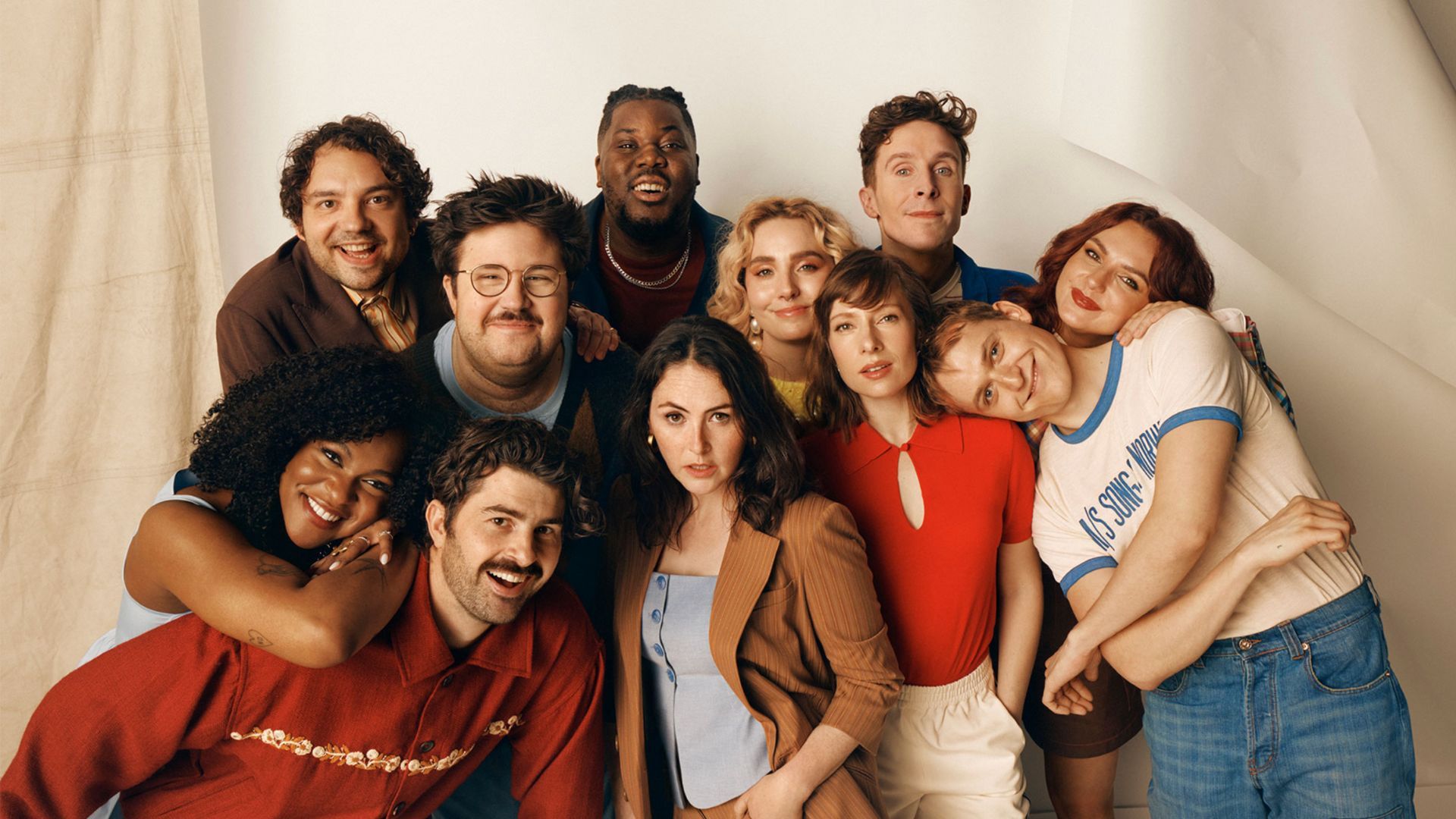
Understanding which cast members have permanently exited Saturday Night Live (SNL) requires examining individual career trajectories, the natural cycle of late-night sketch comedy tenure, and Lorne Michaels' long-standing approach to ensemble turnover. When long-running favorites and breakout stars announce their departures, it marks the end of an era for specific recurring characters and cold-open impressions, clearing the way for new featured players to enter the Studio 8H rotation.
The Reality of Cast Turnover on Saturday Night Live
The structural ecosystem of Saturday Night Live relies on a continuous pipeline of incoming talent and outgoing veterans. For decades, the late-night sketch institution has operated as a high-pressure incubator where performers typically aim for a multi-season run—often hovering around the traditional seven-year contract milestone—before transitioning to feature films, television show creation, or dramatic acting.
Why Cast Members Choose to Leave
The grueling schedule of writing, table reads, rehearsals, and live broadcasts leaves very little room for outside projects during the active season, which runs from autumn through late spring. Consequently, performers reach professional crossroads where the physical and creative demands of the show conflict with their long-term career ambitions.
- Creative Burnout: Writing and performing original material week after week consumes immense energy, prompting many to seek environments with more flexible timelines.
- Career Diversion: Securing leading roles in major motion pictures or launching standalone streaming series frequently requires a full-time commitment incompatible with the Saturday-night schedule.
- Contractual Milestones: Many standard initial agreements conclude after seven or eight seasons, offering a natural and amicable juncture to part ways with the production.
Notable Departures and Their Post-SNL Paths
When prominent names step away from the iconic stage, their absence reshapes the show's dynamic. Over recent seasons, several foundational cast members have confirmed that their time on the program has drawn to a permanent close, ending speculation about potential drop-in cameos or temporary returns as regular ensemble members.
Chronicling Recent Major Exits
The transitional phases following massive cast sweeps—such as the departures that accompanied the end of Season 47 and subsequent seasons—underscored a generational shift. Performers who defined the political cold opens, Update segments, and digital shorts have pivoted entirely to independent cinematic and television ventures.
| Cast Member | Final Season / Departure Year | Primary Post-SNL Focus | Notable Subsequent Projects |
|---|---|---|---|
| Pete Davidson | Season 47 (2022) | Stand-up comedy, film, and television writing | Bupkis, various feature films |
| Kate McKinnon | Season 47 (2022) | Feature film acting and literary pursuits | Barbie, major studio comedies |
| Aidy Bryant | Season 47 (2022) | Television production and starring roles | Shrill, executive producing |
| Cecily Strong | Season 48 (2022) | Theater and streaming series work | Schmigadoon!, stage performances |
| Heidi Gardner / Others* | Ongoing Analysis | Varied cinematic and touring schedules | Dependent on individual contract updates |
*Note: Cast stability fluctuates yearly; permanent departures are officially confirmed via verified network announcements and personal statements from the performers.
The Mechanics of Ensemble Refreshment
Lorne Michaels and the production team approach the replacement process by scouting regional comedy troupes, alternative comedy scenes, and digital platforms for fresh voices. When established actors announce they are not coming back, the writers' room must rapidly adapt to losing the specific skill sets those performers provided.
Adapting to the Loss of Anchor Performers
- Improvisational Stability: Veteran cast members often serve as safety nets during live broadcasts, steering sketches back on track when minor technical or comedic hiccups occur. Their exit forces newer players to shoulder live performance pressure earlier in their tenures.
- Character and Impression Vacuums: The retirement of a signature impressionist leaves a distinct gap in political satire, requiring fresh talent to step into high-stakes impersonation roles.
- Shifting Writer-Performer Synergies: Because many actors write their own recurring sketches, a departure means losing the unique creative engine behind those specific comedic segments, making room for untested concepts.
Frequently Asked Questions
Are cast members who leave SNL ever allowed to return as regular hosts?
Yes. It is a long-standing tradition for former cast members who have achieved significant mainstream success to return to Studio 8H as guest hosts, often kicking off holiday episodes or season finales. However, returning as a host is distinct from rejoining the permanent repertory or featured cast.
How are final departures officially announced?
Departures are typically confirmed either in the weeks leading up to a season premiere through trade publications like Variety or Deadline, or via heartfelt farewell messages shared by the performers themselves on social media immediately after a season finale.
What is the typical contract length for a new SNL cast member?
Historically, incoming performers sign multi-year agreements that grant the network options to renew their contracts annually, with a standard benchmark reaching up to seven years for those who achieve full repertory status.
Do departed actors retain the rights to their original characters?
Intellectual property rights for sketches and characters created on the show generally belong to NBC and the production entities involved, meaning former cast members cannot easily migrate original sketches to outside networks without clearance.
Navigating the Future of Studio 8H
The permanent departure of beloved actors remains an inevitable reality of television's longest-running sketch comedy program. While losing familiar faces alters the viewing experience in the short term, the continuous influx of new talent ensures the production perpetually reinvents its comedic voice. Tracking who is not coming back serves as a roadmap for the industry's broader comedic landscape, as these performers transition into shaping the future of film, television, and stand-up comedy.