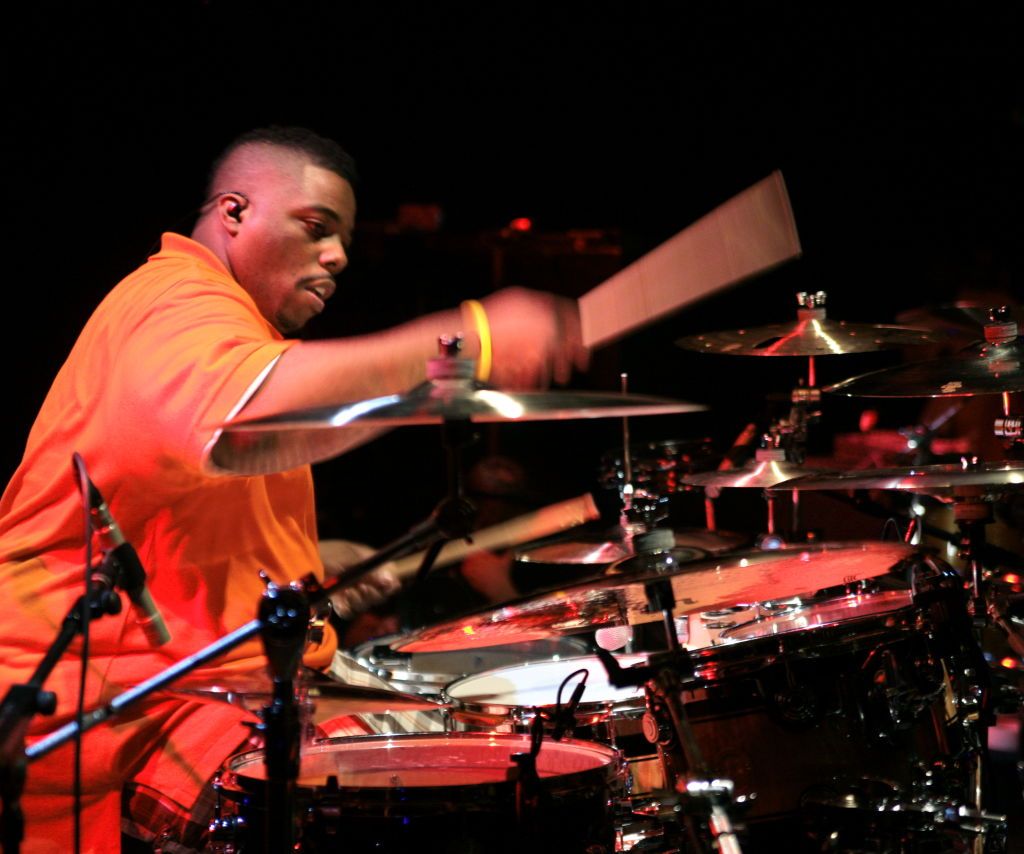
Aaron Spears, the globally renowned drummer and musical director, died due to complications from a stroke. His passing on October 30, 2023, sent shockwaves through the music industry, leaving behind an indelible legacy as one of the most influential percussionists of his generation. His family confirmed that he died in his sleep, bringing an abrupt end to a prolific career that spanned decades of high-profile global performances and educational contributions.
Early Life and Rise to Prominence
Born on October 26, 1977, in Washington, D.C., Aaron Spears began his journey into rhythm at a young age, heavily influenced by the church music tradition. His early years were defined by hours of meticulous practice, a habit that would eventually earn him a reputation for unparalleled technical precision and musicality. Unlike many of his contemporaries who relied solely on raw talent, Spears was known for his analytical approach to the drum kit. He deconstructed complex rhythms, studied the nuances of ghost notes, and developed a signature sound that was as powerful as it was fluid.
His rise to mainstream prominence accelerated when he joined the band for Usher, a partnership that brought his drumming to millions of listeners worldwide. His performance on the song "Caught Up" is widely regarded by musicians and drum enthusiasts as a masterclass in linear drumming. This specific performance became a staple for students and professionals alike, solidifying his status as a "drummer's drummer." Throughout his career, he bridged the gap between gospel, R&B, and pop, becoming a bridge between traditional technique and modern production styles.
The Circumstances Surrounding His Death
The death of Aaron Spears was unexpected. Following his passing in October 2023, his wife, Jessica, released a statement confirming that he had passed away peacefully in his sleep. While the initial reports focused on the shock of his loss, it was later confirmed that his death was the result of complications from a stroke.
A stroke occurs when the blood supply to part of the brain is interrupted or reduced, preventing brain tissue from getting oxygen and nutrients. Within minutes, brain cells begin to die. Given the nature of his professional life—which involved intense physical activity and high-stress touring environments—the medical community often emphasizes that such events can occur regardless of an individual's apparent vitality. The sudden nature of the event left the global music community in a state of mourning, highlighting the fragility of life even among those who appear to be at the peak of their physical and creative powers.
Impact on the Drumming Community
The impact of Aaron Spears extends far beyond his recorded work. He was a dedicated educator, spending countless hours conducting clinics, workshops, and private lessons. He understood that his position in the industry was a platform to inspire the next generation. His pedagogical style was characterized by patience and a deep desire to help students understand the "why" behind their playing, rather than just the "how."
Spears was a long-time endorsee and partner of major manufacturers in the percussion industry. He worked closely with companies like DW Drums, Zildjian Cymbals, and Remo drumheads to develop gear that could handle his specific needs. This collaboration wasn't just about branding; he was deeply involved in the engineering side of equipment, helping to push the boundaries of what modern drum kits could endure during high-octane performances.
Notable Career Milestones
To understand the scope of his influence, one must look at his body of work and his contributions to musical direction:
- Usher’s World Tours: Serving as both drummer and musical director, he elevated the standard for R&B live shows.
- American Idol: His time as a house drummer for the show introduced his technique to a mainstream television audience.
- The Gospel Tradition: He remained a pillar of the gospel music community, frequently participating in clinics that focused on the intersection of faith and rhythm.
- Global Drum Clinics: Spears traveled to nearly every continent to teach, making him one of the most visible faces in drum education in the 21st century.
Comparative Overview of Percussion Greats
Aaron Spears occupied a unique space in the hierarchy of modern drummers. While some focus on speed and others on simplicity, Spears was able to balance both, making him a versatile asset for any musical arrangement.
| Attribute | Aaron Spears | Standard Session Drummer | Educational Focus |
|---|---|---|---|
| Technical Style | Linear, syncopated, powerful | Steady, time-keeping | Fundamental rudiments |
| Industry Role | Musical Director / Performer | Freelance Session Musician | Clinician / Instructor |
| Genre Versatility | High (Gospel to Pop) | Variable | Specialized |
| Kit Setup | Expanded/Complex | Minimal/Standard | Variable |
Medical Context: Understanding Strokes
While the death of Aaron Spears was a private family matter, it serves as a sober reminder of the importance of cardiovascular health. A stroke is often referred to as a "brain attack." Medical professionals emphasize that the risk factors for strokes—such as hypertension, heart disease, and stress—are pervasive, particularly in high-pressure industries like entertainment.
For individuals in the creative arts, the "touring lifestyle" often poses specific health challenges. Irregular sleep patterns, significant travel stress, and inconsistent access to healthy dietary options can contribute to long-term health risks. Medical experts advise that consistent health screenings and monitoring of blood pressure are critical components of long-term wellness, regardless of an individual's age or fitness level.
Frequently Asked Questions
Was Aaron Spears suffering from any long-term illness?
No public reports indicated that Aaron Spears was suffering from a terminal or long-term illness prior to his death. His passing was sudden, caused by complications from a stroke.
Where did Aaron Spears die?
He passed away at his home. His family confirmed the news shortly after the event occurred, requesting privacy during their time of mourning.
How did the drumming community react to his passing?
The reaction was immediate and profound. Many of the world’s top drummers and artists took to social media to share stories of his mentorship, his infectious personality, and his unmatched influence on modern drumming technique.
What is the primary legacy of his drumming style?
His legacy is defined by his "linear" drumming approach—a technique where no two limbs strike at the exact same time—and his ability to maintain high levels of musicality within a pop context. He transformed how R&B and gospel drumming were perceived by the broader musical community.
Is there a specific organization supporting his family?
Following his death, various industry funds were established by friends and colleagues to assist his family. These initiatives focused on supporting the future of his children and honoring his dedication to music education.
Preserving the Vision
The loss of Aaron Spears is not merely a loss for his family, but a loss for the global pedagogical and performance community. His approach to the drum kit challenged drummers to think of the instrument as a melodic and rhythmic powerhouse. In the years since his passing, his recorded clinics and live performances have been archived by institutions and educational platforms to ensure that his techniques remain accessible to future generations.
Aspiring drummers are often directed toward his "Beyond the Chops" instructional series, which serves as a testament to his clarity and precision. The music industry continues to honor him through scholarships and memorial performances, ensuring that the "Aaron Spears sound" remains a reference point for quality and innovation. For those looking to learn from his technique, the most effective approach is to study his live performances—specifically the dynamics, the stick control, and the intentionality he brought to every note played.
Next Action: To study his influence, listeners and players are encouraged to analyze his live recordings from Usher’s world tours, specifically focusing on the articulation of his ghost notes and his ability to navigate syncopated fills within a strict pop metronome.