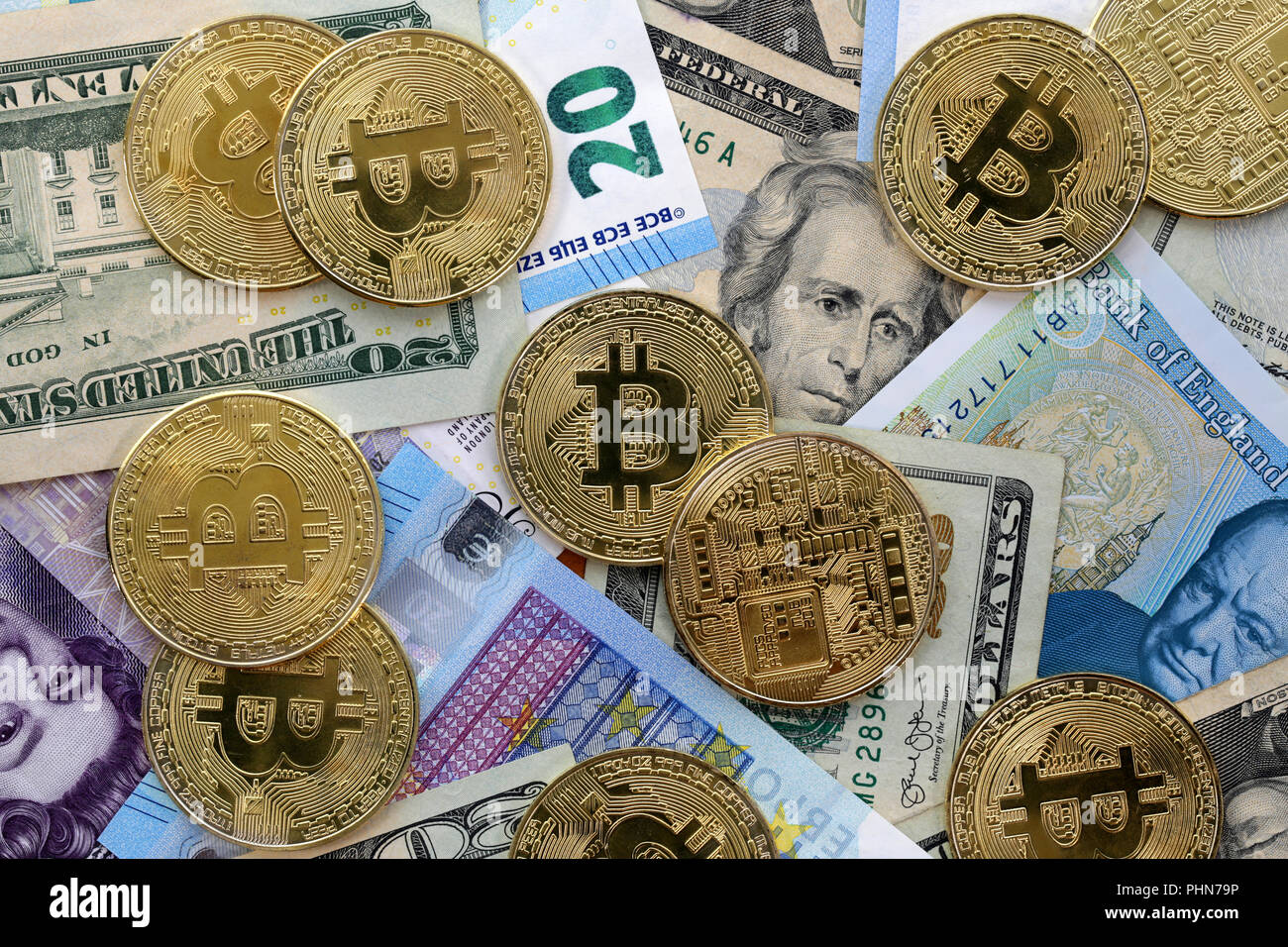
As of mid-2026, 79,000 Euros (EUR) converts to approximately 86,900 US Dollars (USD), assuming a mid-market exchange rate of 1.10. The actual amount you receive depends heavily on the specific exchange rate offered by your bank or transfer service, as well as any applicable transaction fees or currency spreads.
Converting a significant sum like 79,000 EUR involves more than just a simple calculation. Whether you are purchasing property abroad, settling a business invoice, or managing an international inheritance, understanding the mechanics of the foreign exchange (FX) market in 2026 is essential. This guide provides a comprehensive breakdown of the current valuation, the most cost-effective methods for transfer, and the regulatory requirements for moving such an amount between the Eurozone and the United States.
Understanding the EUR/USD Exchange Rate Environment in 2026
The exchange rate between the Euro and the US Dollar remains the most liquid and widely traded currency pair in the global financial system. In 2026, the valuation of 79,000 EUR is influenced by a complex interplay of macroeconomic factors from both the European Central Bank (ECB) and the United States Federal Reserve.
Macroeconomic Drivers of Valuation
The "mid-market rate"—the midpoint between the buy and sell prices of two currencies—is the baseline for all conversions. In 2026, this rate is primarily driven by interest rate differentials. If the Federal Reserve maintains higher interest rates compared to the ECB, the USD typically strengthens, meaning your 79,000 EUR might buy fewer dollars. Conversely, if the Eurozone experiences robust economic growth or higher inflation-adjusted yields, the Euro may appreciate, increasing the value of your conversion.
Geopolitical stability also plays a critical role. As the Euro is the currency of 20 diverse nations, political developments in major economies like Germany or France can cause sudden volatility. When exchanging 79,000 EUR, even a 1% shift in the market can result in a difference of nearly $900, making timing and rate-locking strategies vital.
The "Spread" and Why It Matters
When you search for "79,000 EUR to USD" on a search engine, you are usually shown the interbank rate. However, retail consumers and small businesses rarely access this rate directly. Banks and currency brokers add a "spread," which is the difference between the market rate and the rate they offer you. For a sum of 79,000 EUR, a typical high-street bank might charge a spread of 3% to 5%, which could cost you upwards of $4,000 in hidden fees compared to a specialist provider that might only charge 0.5%.
Comparison of Conversion Methods for 79,000 EUR
Choosing the right platform for converting 79,000 EUR can save you thousands of dollars. The following table illustrates how different providers handle a conversion of this magnitude in 2026.
| Provider Type | Estimated Exchange Rate | Estimated Fees | Total USD Received (Approx.) | Transfer Speed |
|---|---|---|---|---|
| Traditional Bank | 1.05 - 1.06 | $30 - $50 | $82,950 - $83,740 | 3-5 Business Days |
| Specialist FX Broker | 1.09 - 1.095 | $0 (Included in spread) | $86,110 - $86,500 | 1-2 Business Days |
| Online Peer-to-Peer | 1.098 | $350 - $450 | $86,300 - $86,500 | 1-3 Business Days |
| Airport/Retail FX | 0.98 - 1.02 | Variable Commissions | $77,420 - $80,580 | Immediate |
Traditional Banks: The Cost of Convenience
While many individuals feel safest using a major bank like Deutsche Bank, BNP Paribas, or JPMorgan Chase, these institutions are often the most expensive option for a 79,000 EUR transfer. Beyond the unfavorable exchange rate spread, banks often charge "outgoing wire fees" and "intermediary bank fees." Because the SWIFT network (Society for Worldwide Interbank Financial Telecommunications) often requires funds to pass through multiple banks before reaching the US, each "hop" can incur a fee of $20 to $50.
Specialist Currency Services and Fintech
In 2026, fintech platforms such as Wise, Revolut, and specialized brokers like Currencies Direct have become the standard for transfers of this size. These services often use local bank accounts in both the Eurozone and the US to avoid SWIFT fees entirely. For 79,000 EUR, a specialist broker might offer a "limit order," where they execute the trade only when the Euro hits a specific target price against the Dollar, ensuring you maximize the conversion.
Legal and Regulatory Compliance for Large Transfers
Transferring 79,000 EUR (roughly $86,900 USD) triggers several regulatory requirements in both the European Union and the United States. These rules are designed to prevent money laundering and the financing of illegal activities.
The $10,000 Reporting Threshold
In the United States, any transfer exceeding $10,000 must be reported to the Financial Crimes Enforcement Network (FinCEN). While the responsibility for filing a Currency Transaction Report (CTR) or a Suspicious Activity Report (SAR) typically falls on the receiving bank, you may be asked to provide documentation regarding the "Source of Funds."
If you are a US person (citizen or resident) and you hold these funds in a European bank account before transferring them, you must also comply with FBAR (Foreign Bank and Financial Accounts Report) requirements if the aggregate value of your foreign accounts exceeds $10,000 at any point during the year. Failure to file can result in significant penalties. More information can be found on the official FinCEN website.
Anti-Money Laundering (AML) and KYC
Before your 79,000 EUR transfer is cleared, your provider will likely require "Know Your Customer" (KYC) verification. This process typically involves:
- Proof of Identity: A valid passport or national ID card.
- Proof of Address: A recent utility bill or bank statement.
- Source of Wealth: Documentation such as a sales contract for property, a pay stub, or an inheritance letter.
Providing these documents proactively can prevent your funds from being "flagged" or held in limbo by compliance departments, which can otherwise take weeks to resolve.
Tax Implications for Converting 79,000 EUR to USD
The act of converting currency itself is not usually a taxable event in the US, but the reason for the transfer and the gain on the currency might be.
Capital Gains on Currency
If you acquired the 79,000 EUR when the Euro was weaker (e.g., at a rate of 1.00) and are now converting it when the Euro is stronger (1.10), the IRS may view the $7,900 difference as a taxable capital gain. This is particularly relevant for investors who hold foreign currency as an asset.
Gift and Inheritance Taxes
If the 79,000 EUR is a gift from a foreign individual, you generally do not owe US income tax on it, but you may need to file Form 3520 if the total gifts from foreign sources exceed $100,000 in a calendar year. While 79,000 EUR falls below this threshold, it is important to track all foreign transfers throughout the year to ensure the cumulative total does not exceed the limit. Detailed guidelines are available via the Internal Revenue Service (IRS).
Strategies for Optimizing Your 79,000 EUR Conversion
When dealing with nearly $87,000, small strategic decisions can lead to significant savings.
1. Avoid Weekend Transfers
Foreign exchange markets are closed on weekends. To mitigate the risk of price gaps when markets open on Sunday night (UTC), many providers increase their spreads on Fridays and Saturdays. It is almost always better to initiate a transfer of 79,000 EUR on a Tuesday or Wednesday when market liquidity is at its peak.
2. Use a Forward Contract
If you need to convert 79,000 EUR for a future payment—such as a property closing in three months—but you like the current exchange rate of 1.10, you can use a "forward contract." This allows you to lock in the 2026 rate for a future date, protecting you if the Euro weakens in the interim.
3. Check for Intermediary Fees
Always ask your bank if the transfer is "OUR," "SHA," or "BEN."
- OUR: You pay all transfer charges.
- SHA: You pay your bank's fee, and the recipient pays their bank's fee.
- BEN: The recipient pays all fees, which are deducted from the 79,000 EUR. For a specific amount like 79,000 EUR, "OUR" is usually the best choice to ensure the full value arrives in the US.
FAQs
Is it better to convert 79,000 EUR in Europe or the US?
Generally, it is better to use a specialist digital currency service that operates in both jurisdictions rather than a physical bank in either location. However, if you must use a bank, European banks often have more competitive "outbound" foreign exchange rates for Euros than US banks have for "inbound" Euro conversions.
How long does it take for 79,000 EUR to arrive in a US bank account?
In 2026, most fintech-based transfers are completed within 24 to 48 hours. Traditional SWIFT transfers typically take 3 to 5 business days. Factors such as time zone differences, bank holidays in both the EU and the US, and compliance checks can extend this duration.
Can I lock in an exchange rate for 79,000 EUR?
Yes, most specialist FX brokers offer "limit orders" or "forward contracts." A limit order allows you to set a target rate (e.g., 1.12); the trade only executes if the market hits that level. This is highly recommended for non-urgent transfers of this size to capitalize on market peaks.
Will I be taxed by the IRS for receiving 79,000 EUR from abroad?
Receiving the money is not inherently taxable as income unless it represents earnings, dividends, or a taxable capital gain. However, the transaction is reportable. If the money is your own being moved between accounts, there is no tax, but FBAR and FATCA reporting requirements may still apply depending on your total foreign holdings.
What is the safest way to move 79,000 EUR to the US?
The safest method is using an institution regulated by both the European Central Bank (ECB) or national regulators (like BaFin or the ACPR) and US regulators (FinCEN). Established fintechs and major commercial banks are the safest, as they provide high-level encryption and adherence to strict financial protocols.
Practical Recommendation
To maximize the value of your 79,000 EUR, do not simply walk into your local bank branch. Instead, compare the rates of at least two specialist currency providers against the current mid-market rate. For an amount of this size, even a minor difference of 0.5% in the exchange rate represents approximately $435—more than enough to cover the cost of a domestic flight or several months of bank fees. Ensure you have your documentation (ID and proof of funds) ready to avoid compliance delays, and consider executing the trade during mid-week market hours to obtain the narrowest spreads.