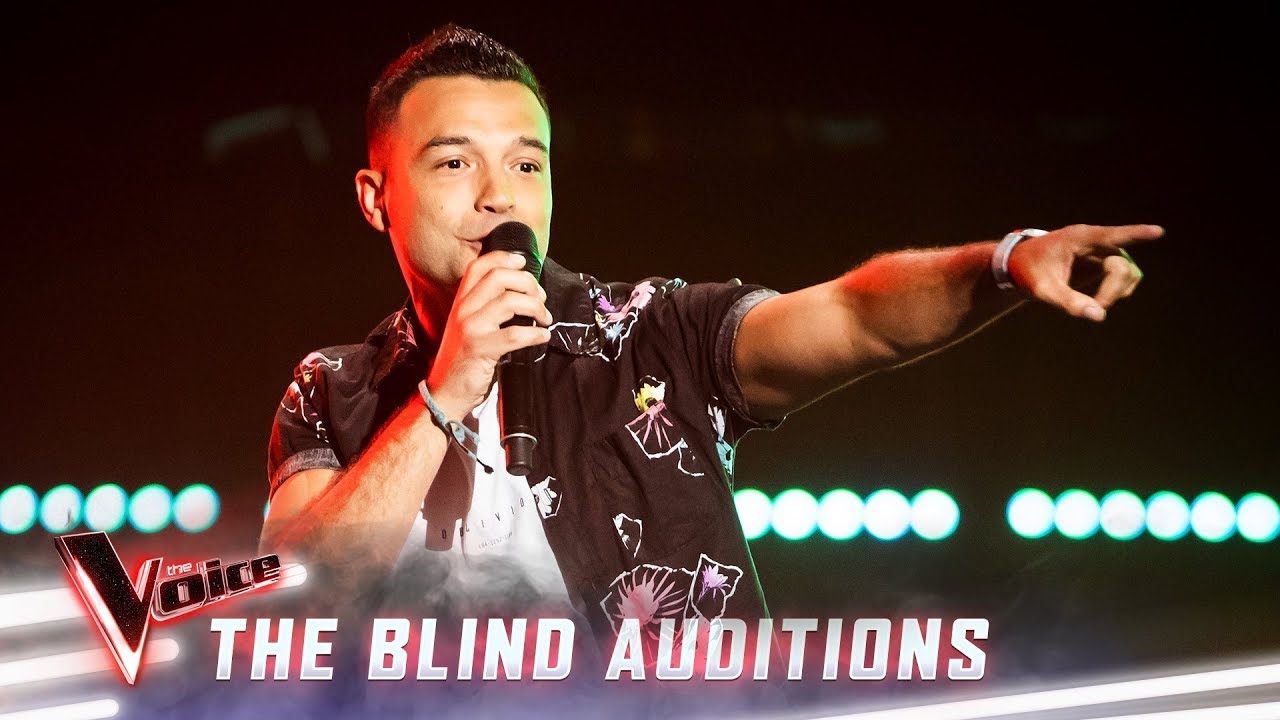
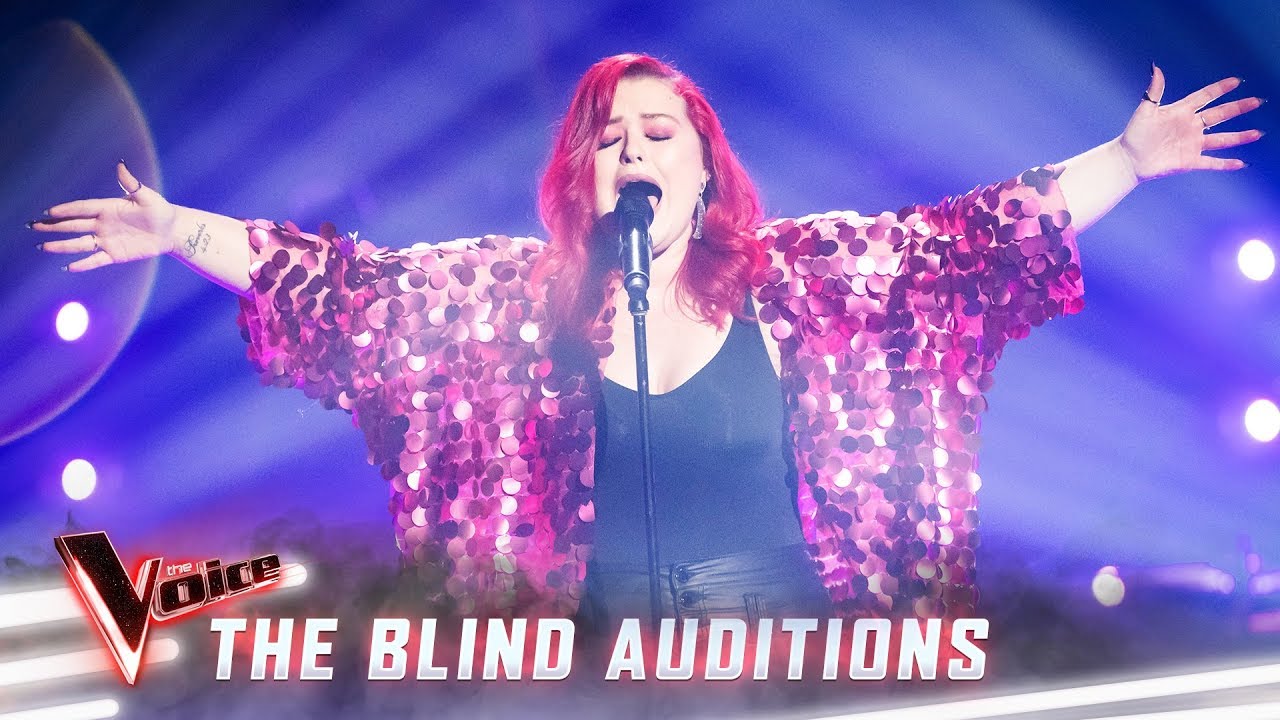
The 2019 All Star Blind Auditions of The Voice Australia redefined the show’s format by reintroducing past contestants and established performers to compete against new talent. This season featured the high-profile return of Jack Vidgen and Diana Rouvas, the debut of the "Block" button, and a strategic shift toward "All Star" narratives to bolster national viewership ratings.
1. The Strategic Introduction of the "All Star" Format
In 2019, The Voice Australia reached its eighth season. Historically, reality singing competitions face a "fatigue point" around their seventh or eighth year, where the novelty of discovering unknown talent begins to wane. To combat this, Channel Nine and the production team implemented the "All Star" concept. Unlike a standard season, the 2019 Blind Auditions deliberately invited back contestants from previous seasons who had either narrowly missed out on a win or had seen their careers stall since their initial appearance.
The surprise lay in how these veterans were integrated. They were not given a separate bracket; they had to audition alongside "newbies" who had never stepped onto a professional stage. This created a unique psychological tension. For the All Stars, the stakes were arguably higher. If a previous finalist failed to turn a chair in 2019, it risked damaging their existing professional reputation. This strategic move successfully boosted premiere ratings, as audiences were eager to see how their former favorites had evolved both vocally and personally.
2. Jack Vidgen’s High-Stakes Return After a Five-Year Hiatus
Perhaps the most shocking moment of the 2019 Blind Auditions was the appearance of Jack Vidgen. Vidgen had won Australia's Got Talent (AGT) in 2011 at the age of 14, becoming a national sensation. However, by 2019, he had been away from the spotlight for five years, having moved to the United States and eventually walking away from music entirely after his voice changed during puberty.
His audition was a masterclass in narrative television. Vidgen performed "Hello" by Adele, a song that highlighted his transition from a boy soprano to a soulful tenor. The "surprising" element was not just his return, but the revelation of his personal struggles with fame and his physical transformation. All four coaches—Delta Goodrem, Boy George, Kelly Rowland, and newcomer Guy Sebastian—turned their chairs. His return validated the All Star concept, proving that the show could serve as a platform for "redemption" rather than just a starting point for beginners.
3. The Deployment of the "Block" Button
The 2019 season introduced a technical game-changer: the Block button. While the Block had appeared in international versions of the franchise, its debut in the Australian Blind Auditions was specifically timed to coincide with the high-caliber All Star talent. Each coach was given two "blocks" to use during the entire Blind Audition phase.
The Block allowed a coach to prevent another coach from being selected by an artist. This was particularly significant when All Stars like Diana Rouvas or Sheldon Riley took the stage. Because these artists already had established "brands," coaches were more aggressive in their recruitment. For example, Guy Sebastian used his block early to ensure he could secure talent that might naturally gravitate toward Delta Goodrem’s experience with the Australian pop market. This added a layer of tactical gameplay that had been missing in previous years, shifting the focus from purely vocal assessment to coach versus coach strategy.
4. Diana Rouvas: From Season 1 Veteran to Ultimate Winner
One of the most surprising facts about the 2019 auditions was the return of Diana Rouvas. Rouvas was a powerhouse from the very first season of The Voice Australia in 2012, where she was a member of Keith Urban’s team and reached the final eight. Her return seven years later was a gamble; many viewers questioned whether it was "fair" for a seasoned professional who had already benefited from the show's exposure to return.
During her Blind Audition, Rouvas performed "Vision of Love" by Mariah Carey, a notoriously difficult technical piece. The performance was so commanding that it immediately positioned her as a frontrunner. Her journey through the 2019 season eventually led to her victory, making her the first All Star to win the competition. This result remains a point of discussion among fans in 2026, as it set a precedent for how the show balances "undiscovered" talent with "re-discovered" professionals.
5. The Coaching Debut of Guy Sebastian
While the contestants were the main draw, the 2019 Blind Auditions also featured a significant shift in the coaching panel. Guy Sebastian joined the show, replacing Joe Jonas. As the first-ever winner of Australian Idol, Sebastian brought a unique perspective to the All Star auditions. He was the only coach who truly understood the pressure of a televised singing competition from the contestant's side.
Sebastian’s presence was vital for the All Stars. His technical knowledge of vocal arrangements and his own success in the Australian music industry made him a highly desirable coach. During the Blind Auditions, he often engaged in "vocal battles" with contestants to prove his musicality, which became a hallmark of the 2019 season. His chemistry with Boy George, in particular, created several viral moments during the audition rounds, often centered around their differing opinions on what constituted "star quality."
6. Not Every All Star Earned a Chair Turn
A common misconception of the 2019 season was that being an All Star guaranteed a spot in the Battle Rounds. In reality, several returning contestants failed to turn a single chair. This was one of the most sobering aspects of the 2019 Blind Auditions.
The producers included these "failed" auditions to maintain the integrity of the "Blind" aspect of the show. If a coach didn’t hear growth or a unique contemporary edge, they didn't press their button, regardless of the artist's history. These moments served as a reminder that the music industry had moved on since 2012 or 2013. It highlighted the "brutal" nature of the format: fame is fleeting, and past success does not entitle an artist to future opportunities. This transparency helped mitigate some of the criticism that the season was "rigged" in favor of the veterans.
7. The Statistical Dominance of the All Stars
When analyzing the 2019 Blind Auditions retrospectively, the sheer volume of successful All Stars is notable. Out of the hundreds of hopefuls who auditioned, the All Stars occupied a disproportionate number of spots in the later rounds. This wasn't necessarily due to favoritism but rather professional experience.
The All Stars understood the technical requirements of a 90-second audition. They knew where to place the "money note," how to interact with the cameras even when the coaches’ backs were turned, and how to handle the pressure of the live band. This "experience gap" was evident from the first night of the Blind Auditions.
2019 All Star Performance Comparison
The following table highlights the trajectory of key All Stars compared to their original appearances:
| Artist | Original Appearance | 2019 Coach | 2019 Result | Key Audition Song |
|---|---|---|---|---|
| Diana Rouvas | Season 1 (Top 8) | Boy George | Winner | "Vision of Love" |
| Jack Vidgen | AGT Season 5 (Winner) | Guy Sebastian | Semi-Final | "Hello" |
| Sheldon Riley | Season 7 (Finalist) | Delta Goodrem | Semi-Final | "7 Rings" |
| Prinnie Stevens | Season 1 (Top 12) | Guy Sebastian | Battle Rounds | "Turn All the Lights On" |
| Lee Harding | Aus Idol S3 (3rd) | Boy George | Top 12 | "Pony" |
| Jesse Taneapa | Season 6 (Knockouts) | Kelly Rowland | Battle Rounds | "Before I Let Go" |
The Legacy of the 2019 All Star Season
The 2019 Blind Auditions changed the DNA of The Voice Australia. By proving that audiences were invested in "where are they now" stories, the show opened the door for future seasons to blend professional and amateur talent more seamlessly. It also solidified the "Block" as a permanent fixture of the show’s strategic landscape.
For the artists involved, the 2019 season provided a second chance to define their artistry on their own terms. Jack Vidgen, for instance, used the platform to re-introduce himself not as a child star, but as an adult artist with a distinct identity. Diana Rouvas used it to finally claim the title that many felt she deserved nearly a decade earlier.
In the broader context of Australian television, the 2019 auditions are remembered for their high production value and the emotional weight of seeing familiar faces return to the "big stage." It remains a benchmark for how reality formats can evolve to stay relevant in a crowded media market.
Frequently Asked Questions
Why did The Voice Australia decide to bring back All Stars in 2019?
The decision was primarily driven by the need to refresh the format for its eighth season. By 2019, the "talent pool" of unknown singers was perceived to be thinning. Bringing back All Stars provided built-in storylines, existing fanbases, and a higher level of vocal performance from the very first episode, which helped maintain high advertising revenue and viewership numbers.
Was Jack Vidgen's audition really a surprise to the coaches?
While the show is titled "Blind Auditions," the coaches are generally aware of the "All Star" theme for the season. However, they do not know the specific order of performers or exactly who will step on stage. The surprise on their faces when they turned around and recognized Jack Vidgen was genuine, as his physical appearance had changed significantly since his Australia's Got Talent win years prior.
How did the "Block" button work in 2019?
Each coach had two "Blocks" available during the Blind Auditions. When a coach pressed the Block button for a specific rival, that rival's chair would turn, but a "Blocked" graphic would appear on the floor in front of them. This prevented the artist from choosing that coach's team, even if the coach had expressed interest. It was a tactical tool used to secure high-value talent.
Did any "new" singers beat the All Stars in 2019?
Yes. While Diana Rouvas (an All Star) won the season, several "new" singers performed exceptionally well and advanced far into the competition. The 2019 season was a mix of veterans and newcomers, and the "new" talent often benefited from the mentorship of coaches who were looking for a fresh "undiscovered" voice to champion against the established professionals.
Who was the most successful coach during the 2019 Blind Auditions?
Success in the Blind Auditions is usually measured by how quickly a coach fills their team with "four-chair turns." In 2019, Guy Sebastian was arguably the most successful in terms of recruitment momentum. His status as a new coach and his technical background made him very appealing to both All Stars and new contestants, leading to several high-profile "wins" over veteran coaches like Delta Goodrem.
Final Recommendation for Fans
For those looking to revisit the impact of the 2019 season, focusing on the evolution of the "All Star" narrative is key. If you are a musician or a student of media production, pay close attention to how the "Block" button influenced the coaching dynamics. The 2019 Blind Auditions remain a masterclass in how to pivot a long-running reality franchise. Whether you are interested in the vocal technicalities of Diana Rouvas or the branding journey of Jack Vidgen, the 2019 archives offer a wealth of insight into the intersection of talent, strategy, and televised storytelling.