Vitamin B6 (pyridoxine) is a water-soluble micronutrient essential for maternal metabolic adaptation, fetal neurological growth, and the management of common gestation-related discomforts. It plays a critical role in amino acid metabolism, red blood cell formation, and neurotransmitter synthesis, making adequate intake vital throughout all three trimesters for both the pregnant individual and the developing fetus.
Understanding Vitamin B6 in Pregnancy
Pregnancy places unique metabolic demands on the human body. Blood volume increases by nearly 50%, maternal tissue expands, and the placenta actively transports nutrients to support fetal development. Within this physiological framework, vitamin B6—known scientifically as pyridoxine—acts as a coenzyme in over 100 enzymatic reactions. These reactions primarily govern protein, carbohydrate, and lipid metabolism.
Unlike fat-soluble vitamins (such as vitamin A), water-soluble vitamins like B6 are not stored in large quantities within the body. Excess amounts are routinely excreted through urine. Consequently, pregnant individuals require a consistent, daily intake of vitamin B6 to meet their elevated physiological requirements. The Recommended Dietary Allowance (RDA) for vitamin B6 increases during pregnancy from 1.3 milligrams (mg) per day for non-pregnant adults to 1.9 mg per day.
Failing to maintain adequate intake can lead to maternal deficiency, which manifests as fatigue, weakened immune function, irritability, and nerve changes. To prevent these outcomes, understanding the precise ways this micronutrient benefits gestation is essential for expectant mothers and healthcare providers alike.
1. Alleviating Nausea and Morning Sickness
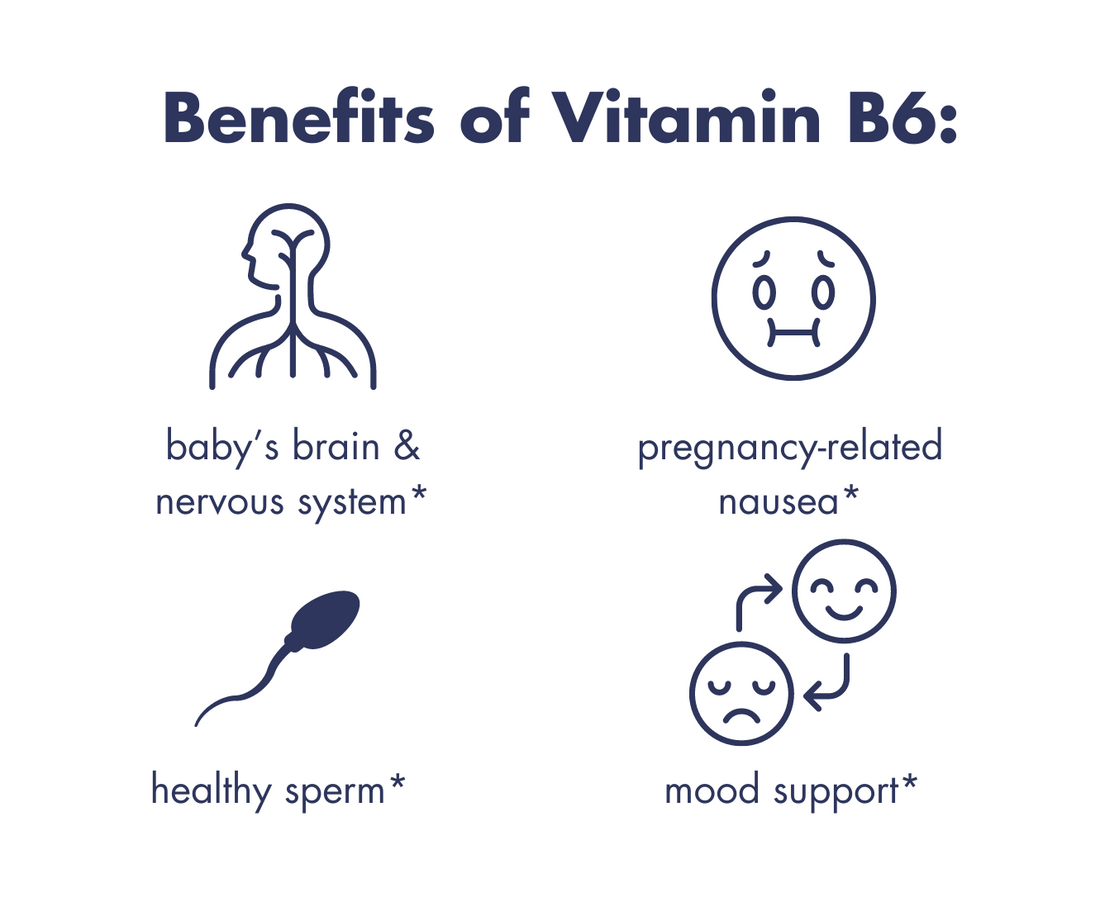
Perhaps the most widely recognized benefit of vitamin B6 during pregnancy is its efficacy in mitigating nausea and vomiting, commonly known as morning sickness. Up to 80% of pregnant individuals experience nausea and vomiting during the first trimester, which can severely impact nutritional intake, hydration, and overall quality of life.
Mechanisms of Action
While the exact etiology of pregnancy-related nausea remains multifactorial—involving hormonal shifts like human chorionic gonadotropin (hCG) and estrogen—pyridoxine influences central nervous system pathways. Vitamin B6 serves as a crucial cofactor in the synthesis of key neurotransmitters, including serotonin, gamma-aminobutyric acid (GABA), and dopamine. By supporting optimal neurotransmitter balance, pyridoxine helps stabilize autonomic nervous system responses that trigger the vomiting center in the brain.
Clinical Evidence and Usage
Clinical guidelines from reputable organizations, such as the American College of Obstetricians and Gynecologists (ACOG), frequently recommend vitamin B6 as a first-line, non-pharmacological intervention for mild to moderate nausea. When monotherapy proves insufficient, clinicians often combine pyridoxine with doxylamine (an antihistamine) to create a standard, safe, and effective prescription medication for hyperemesis gravidarum and severe morning sickness. Expectant mothers should consult their healthcare provider before initiating high-dose supplementation to ensure safety and appropriate dosing schedules.
2. Supporting Fetal Brain and Nervous System Development
The structural formation of the fetal central nervous system is one of the most complex and rapid processes occurring during intrauterine life. Vitamin B6 is indispensable for ensuring that this neurological architecture develops correctly and efficiently.
Neuronal Differentiation and Synaptogenesis
During embryogenesis and fetal growth, vitamin B6 actively participates in the biosynthesis of amines and amino acids that form the building blocks of brain tissue. Pyridoxine is necessary for creating myelin, the protective sheath that insulates nerve fibers and ensures rapid electrical impulse transmission throughout the central and peripheral nervous systems.
Prevention of Neural Tube Defects and Cognitive Support
While folate remains the primary nutrient associated with neural tube defect prevention, vitamin B6 works synergistically with other B-complex vitamins to support overall cellular division and neurological integrity. Adequate maternal B6 levels help optimize fetal brain weight, cortical thickness, and cognitive baseline trajectories. Deficiencies during critical windows of gestation can impair neurogenesis, potentially leading to long-term behavioral or cognitive deficits in the offspring.
3. Regulating Homocysteine Levels for Cardiovascular Health
Maintaining balanced biochemical markers in the maternal bloodstream is vital for preventing pregnancy complications. One such marker is homocysteine, an amino acid byproduct whose accumulation poses significant health risks.
The Role of Pyridoxine in Methylation Pathways
Vitamin B6 acts as a vital coenzyme in the transsulfuration pathway, which breaks down homocysteine into harmless cysteine with the help of enzymes like cystathionine beta-synthase. Without sufficient vitamin B6, homocysteine breakdown stalls, leading to hyperhomocysteinemia (elevated blood homocysteine levels).
Reducing Gestational Risks
Elevated homocysteine during pregnancy is strongly correlated with vascular endothelial dysfunction. This impairment can restrict blood flow through the placenta, increasing the risk of adverse outcomes such as:
- Preeclampsia (pregnancy-induced hypertension)
- Intrauterine growth restriction (IUGR)
- Placental abruption
- Recurrent pregnancy loss
By keeping homocysteine within safe limits, vitamin B6 protects maternal cardiovascular health and maintains optimal placental perfusion, ensuring the fetus receives a steady supply of oxygen and nutrients.
4. Enhancing Red Blood Cell Production and Preventing Anemia
Gestational anemia is a frequent clinical challenge, driven primarily by the dramatic expansion of maternal blood plasma volume, which dilutes the concentration of red blood cells.
Hemoglobin Synthesis
Vitamin B6 is a direct requirement for heme synthesis, the iron-containing component of hemoglobin responsible for carrying oxygen from the lungs to maternal and fetal tissues. Specifically, pyridoxal phosphate (PLP)—the active coenzyme form of B6—catalyzes the ratemediated step in heme production within developing erythroblasts.
Synergy with Iron
While iron supplementation is standard practice in prenatal care, iron alone is insufficient if vitamin B6 levels are depleted. A B6 deficiency can lead to sideroblastic-like anemia, where iron is present in the body but cannot be properly incorporated into hemoglobin. Ensuring adequate vitamin B6 intake maximizes the efficacy of prenatal iron supplements, helping to prevent fatigue, weakness, and oxygen deprivation during labor.
5. Boosting Maternal Energy Metabolism
Fatigue is a universal hallmark of pregnancy, particularly during the first and third trimesters. While rest is essential, cellular energy production relies heavily on micronutrient availability.
Macronutrient Breakdown
Vitamin B6 is deeply involved in catabolic and anabolic pathways for macronutrients:
- Glycogenolysis: It assists in breaking down stored glycogen in the liver and muscles into glucose for immediate energy.
- Gluconeogenesis: It aids in synthesizing glucose from non-carbohydrate sources.
- Amino Acid Metabolism: It helps convert dietary proteins into usable energy substrates or building blocks for tissue repair.
By optimizing how the body extracts energy from food, vitamin B6 helps mitigate chronic pregnancy fatigue, supporting the high metabolic demands placed on maternal organs.
6. Strengthening the Immune System
Pregnancy induces a state of controlled immunological tolerance to accommodate the semi-allogeneic fetus. However, this physiological adaptation can sometimes leave expectant mothers more vulnerable to common infections.
Immune Cell Proliferation and Function
Vitamin B6 supports the immune system by promoting the proliferation and differentiation of lymphocytes, including T-cells and B-cells, which identify and neutralize pathogens. Furthermore, pyridoxine is necessary for the biosynthesis of antibodies and cytokines—chemical messengers that coordinate the body's inflammatory and defensive responses.
Infection Prevention
Maintaining robust vitamin B6 status helps the maternal immune system ward off everyday pathogens, such as respiratory viruses and urinary tract infections, both of which can complicate pregnancy if left unchecked. A well-regulated immune response also protects against excessive systemic inflammation, which is implicated in preterm labor.
7. Regulating Mood and Emotional Well-Being
The rapid hormonal fluctuations of pregnancy—coupled with physical discomfort and lifestyle adjustments—frequently trigger mood swings, anxiety, and prenatal depression.
Neurotransmitter Synthesis
The brain relies on specific chemical messengers to regulate mood, sleep cycles, and stress responses. Vitamin B6 is a mandatory cofactor for the enzymes decarboxylase, which convert precursor molecules into active neurotransmitters:
- Serotonin: Regulates mood, appetite, and sleep.
- Dopamine: Governs reward pathways, motivation, and alertness.
- GABA: Promotes relaxation and reduces anxiety.
Preventing Depressive Symptoms
When vitamin B6 levels are low, the synthesis of these vital mood-stabilizing neurotransmitters drops, increasing vulnerability to depressive symptoms and heightened anxiety during pregnancy. Clinical studies suggest that maintaining optimal B6 intake supports emotional resilience and mental health throughout gestation and into the postpartum period.
Comparative Overview of Prenatal B-Vitamins
While vitamin B6 is a cornerstone of prenatal health, it operates within a complex network of micronutrients. The table below outlines how B6 compares and interacts with other key B-vitamins during pregnancy.
| Nutrient | Primary Role in Pregnancy | Common Food Sources | Deficiency Risks |
|---|---|---|---|
| Vitamin B6 (Pyridoxine) | Nausea relief, brain development, red blood cell synthesis | Chickpeas, poultry, fish, fortified grains, bananas | Nausea, anemia, neuropathy, impaired immunity |
| Folate (Vitamin B9) | Neural tube defect prevention, DNA synthesis | Dark leafy greens, legumes, citrus fruits, fortified cereals | Neural tube defects, megaloblastic anemia |
| Vitamin B12 | Neurological function, red blood cell formation | Meat, poultry, fish, dairy, fortified plant milks | Megaloblastic anemia, permanent neurological damage |
| Vitamin B1 (Thiamin) | Energy metabolism, fetal heart and nerve development | Whole grains, pork, beans, lentils | Fatigue, weakness, cardiovascular strain |
Dietary Sources and Safe Supplementation
The most sustainable way to maintain healthy vitamin B6 levels is through a balanced, nutrient-dense diet. However, due to increased physiological demand and first-trimester food aversions, supplementation is frequently necessary.
Top Food Sources of Vitamin B6
Incorporating a variety of B6-rich foods into daily meals ensures steady intake. Excellent dietary sources include:
- Poultry: Chicken and turkey breasts.
- Fish: Tuna and salmon.
- Legumes: Chickpeas, lentils, and black beans.
- Vegetables: Potatoes (with skin), spinach, and carrots.
- Fruits: Bananas and avocados.
- Fortified Foods: Breakfast cereals and nutritional yeasts.
Guidelines for Safe Supplementation
Most standard prenatal vitamins contain between 1.9 mg and 10 mg of vitamin B6, which aligns with daily requirements. However, therapeutic doses used to treat severe morning sickness can range up to 25 mg taken three to four times daily under medical supervision.
Expectant mothers must avoid high-dose megawatt supplementation without professional guidance. The tolerable upper intake level (UL) for adults, including pregnant individuals aged 19 and older, is 100 mg per day. Exceeding this limit over extended periods can lead to sensory neuropathy, characterized by nerve damage, numbness, and balance issues in the extremities. Always consult an obstetrician, midwife, or registered dietitian before introducing isolated vitamin supplements to your prenatal regimen.
Frequently Asked Questions
Can I get too much vitamin B6 from food alone during pregnancy?
No. It is virtually impossible to consume toxic levels of vitamin B6 through natural, whole-food sources alone. The body efficiently excretes excess water-soluble vitamins in urine. Toxicity is exclusively associated with the long-term, high-dose consumption of synthetic vitamin B6 supplements exceeding the established upper limit of 100 mg per day.
When should I start taking vitamin B6 for morning sickness?
Ideally, vitamin B6 supplementation can begin as soon as you discover you are pregnant, or even when trying to conceive, as part of a standard prenatal vitamin. If severe nausea sets in during the first trimester, targeted B6 supplementation can be initiated immediately under the guidance of a healthcare provider to manage symptoms before they escalate.
Does vitamin B6 help with postpartum recovery as well?
Yes. The benefits of vitamin B6 extend beyond delivery. Postpartum individuals continue to have elevated nutritional requirements, particularly if they are breastfeeding. B6 supports ongoing energy metabolism, helps prevent postpartum mood disturbances by maintaining neurotransmitter balance, and aids in tissue repair and red blood cell replenishment following childbirth.
Are there any side effects of taking standard prenatal doses of vitamin B6?
At standard dietary or prenatal supplement doses (typically 2 mg to 25 mg daily), vitamin B6 is extremely safe and rarely causes side effects. Mild gastrointestinal upset can occasionally occur if supplements are taken on an empty stomach. Taking supplements with a meal usually resolves this issue.
Practical Next Actions
- Review Your Prenatal Vitamin: Check the nutritional label on your current prenatal supplement to confirm it contains at least 1.9 mg of vitamin B6 (pyridoxine).
- Incorporate Whole Foods: Add B6-rich foods—such as bananas, chickpeas, poultry, and baked potatoes with skin—into your weekly meal planning to support natural intake.
- Consult Your Healthcare Provider: Speak with your obstetrician or midwife before adjusting your supplement dosage, especially if you are managing severe morning sickness or considering therapeutic doses for nausea.