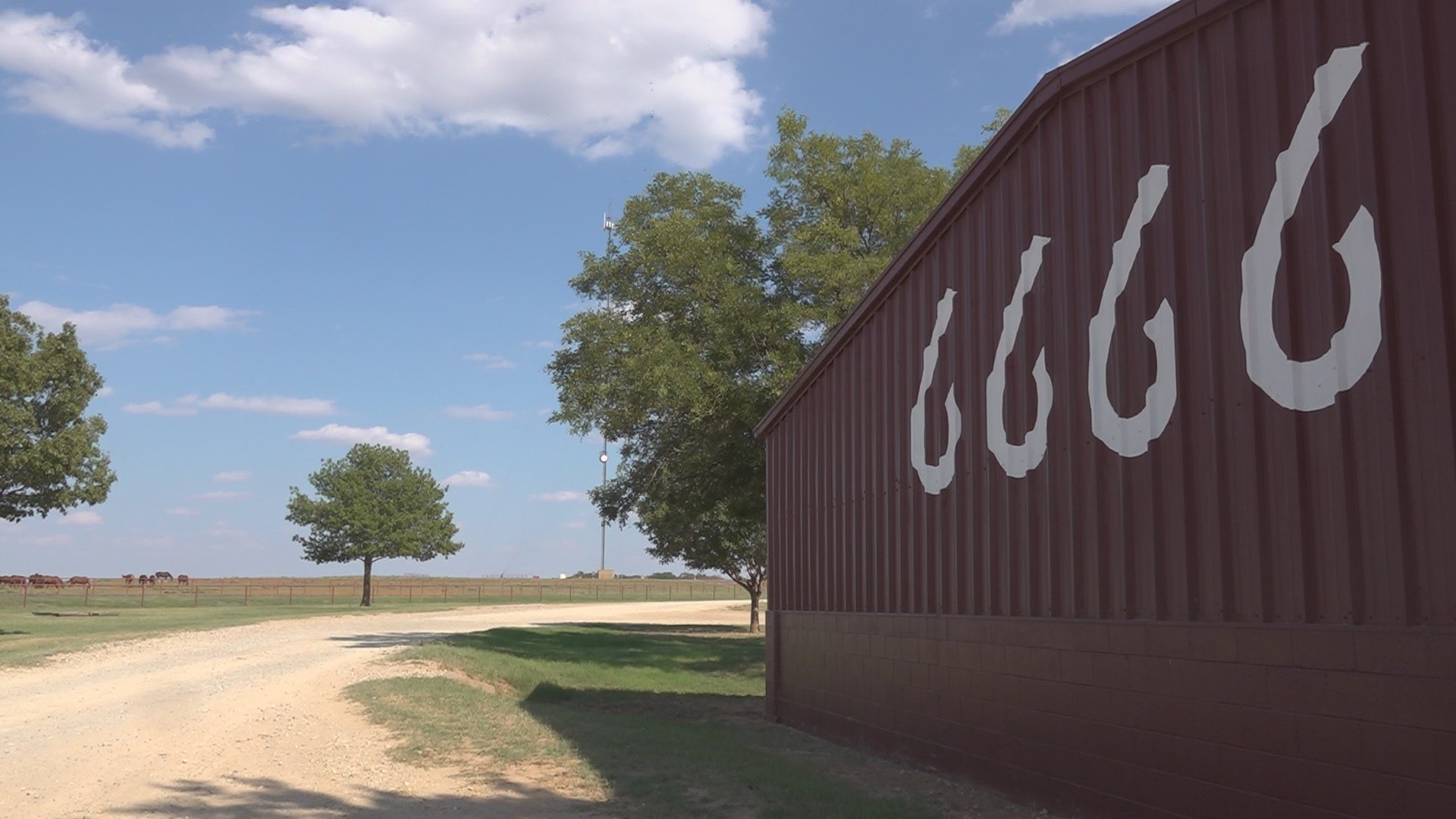
The 6666 Ranch, historically known as the Four Sixes, represents a legacy of private land ownership in Texas. Following the death of Anne Burnett Marion in 2020 and the subsequent 2021 sale of the property to a group led by screenwriter Taylor Sheridan, the ranch is now operated as a private commercial enterprise under specific corporate governance, rather than as a public or fractional investment asset.
The Historical Significance of the Four Sixes
The 6666 Ranch is not merely a piece of real estate; it is a historic institution of the American West. Founded by Samuel "Burk" Burnett in the late 19th century, the ranch spans over 142,000 acres across King, Carson, and Hutchinson counties in Texas. For over a century, the property remained within the Burnett family lineage, becoming synonymous with the development of the American Quarter Horse industry and high-quality Angus cattle production.
The ranch's cultural profile was elevated by the long-standing Burnett family management, which prioritized environmental stewardship and tradition. When Anne Burnett Marion passed away in 2020, she left behind a directive in her will that the ranch be sold. This marked the end of an era of single-family ownership that had lasted for generations, transitioning the property into a modern corporate-ownership model.
Understanding the 2021 Acquisition
In 2021, the 6666 Ranch was purchased by a partnership group, "6666 Ranch Holdings, LLC," led by Taylor Sheridan. The acquisition was notable not only for the size and value of the land but also for the preservation of the brand identity. Because the ranch is a private entity, the specific ownership structure is not a matter of public stock, nor is it available for individual retail investment.
When discussing "6666 ranch ownership," it is vital to distinguish between real estate interest and business investment. As a private limited liability company (LLC), the ranch functions as a business—focusing on cattle, horse breeding, and potentially land-management services—rather than a security that can be purchased through a public exchange. Ownership remains concentrated within the private partnership group, meaning that no fractional interests are available to the general public.
Operational Structure of a Large-Scale Texas Ranch
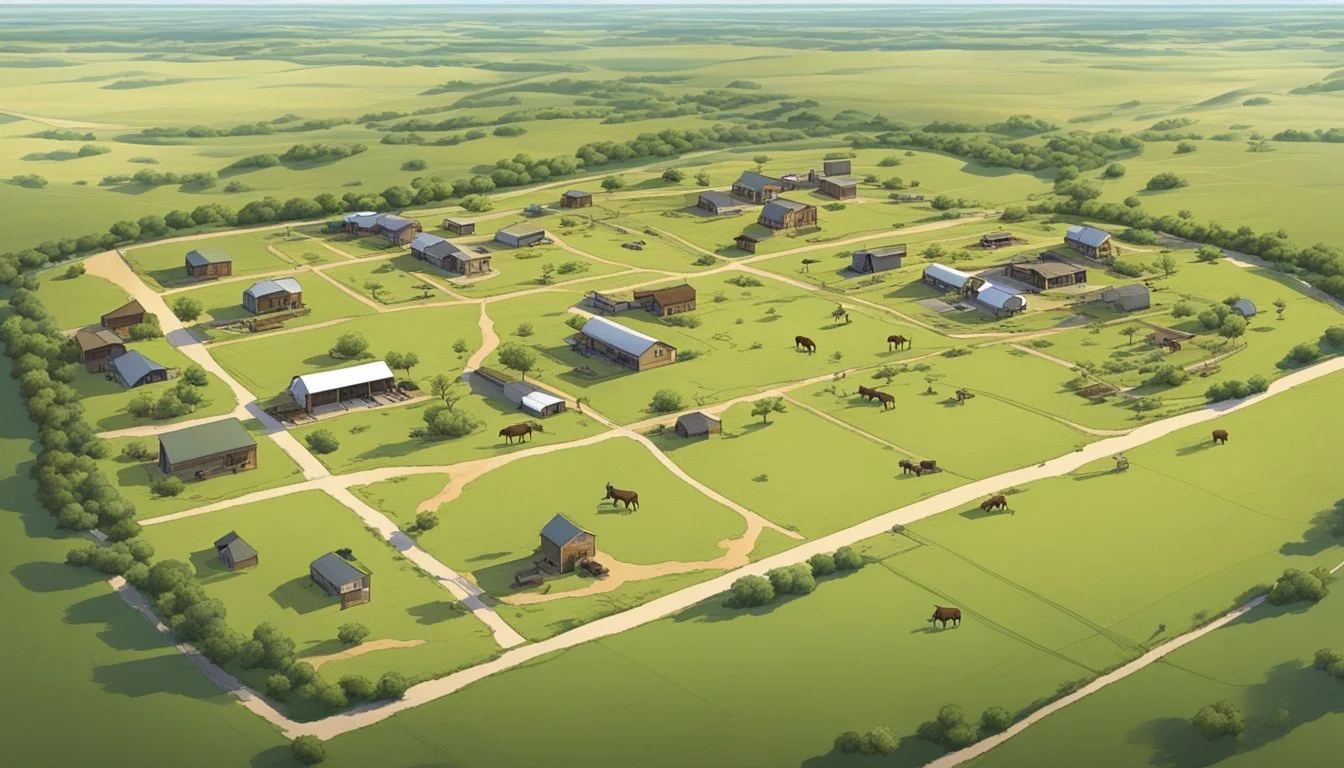
Managing a property of over 142,000 acres requires a sophisticated organizational hierarchy. Unlike residential real estate, which is managed for personal use or rental yield, the 6666 Ranch operates as a massive production facility. The owners of such an enterprise must manage complex variables, including:
- Livestock Management: The ranch maintains a large herd of cattle, requiring extensive veterinary oversight, feeding programs, and range rotation.
- Equine Breeding: The Four Sixes is world-renowned for its Quarter Horse program. This involves genetic management, breeding cycles, and the maintenance of top-tier facilities for stallions and mares.
- Land Conservation: Maintaining soil health and water rights across such a vast expanse is a continuous operational requirement that dictates the long-term value of the ownership stake.
- Commercial Brand Licensing: The "6666" brand has significant commercial value, which the current owners manage as part of the broader intellectual property portfolio associated with the ranch.
Comparing Traditional Ranch Ownership to Corporate Entities
The following table highlights the differences between traditional single-family ranch ownership and the modern corporate structure that governs the 6666 Ranch today.
| Feature | Traditional Ranch Ownership | Corporate/LLC Ownership |
|---|---|---|
| Primary Goal | Sustained family legacy | Profitability and asset growth |
| Management | Owner-operated or family run | Professional management and oversight |
| Liability | Personal assets are at risk | Liability is limited to the business entity |
| Decision Making | Individual or family consensus | Board or management team consensus |
| Liquidity | Low; land is difficult to divest | Higher; interest can be sold or transferred |
The Role of Professional Management in Private Ranches
Because the current ownership group is not a single family managing a household, they employ professional ranch managers to ensure the property remains productive. For those interested in how ownership works at this scale, it is useful to look at the transition from manual, family-led operations to professional, data-driven agriculture.
Professional managers are responsible for implementing long-term strategies that protect the land's ecosystem while maximizing the output of the cattle and horse operations. In 2026, these operations rely on precision agriculture, including GPS-based herd tracking and satellite-monitored water systems. The ownership group’s task is to provide the capital necessary for these modernizations, ensuring that the legacy of the Four Sixes remains commercially viable in an increasingly competitive agricultural market.
Frequently Asked Questions (FAQ)
Can the public invest in the 6666 Ranch? No. The 6666 Ranch is a private entity owned by a limited liability company. It is not a publicly traded company, and there is no mechanism for the general public to purchase shares or fractional ownership in the ranch.
Is the Four Sixes Ranch open to the public? The ranch is a working agricultural facility, not a theme park. While it has occasionally been used as a location for media productions, it is not a tourist destination, and public access is strictly controlled to protect the safety of the livestock and the integrity of the operations.
How is the land protected under the current ownership? The ownership group maintains the ranch’s historical commitment to land stewardship. Because the land is the primary asset of the business, its preservation is essential for the long-term profitability of the cattle and breeding programs.
What is the impact of corporate ownership on the ranch's legacy? Corporate ownership allows for a separation between the operational requirements of the ranch and the personal finances of the owners. This structure provides a stable framework for the ranch to continue its breeding and agricultural traditions without being subject to the instability that can occur during inheritance or personal family disputes.
Risks and Considerations in Large-Scale Land Ownership
For those interested in large-scale ranch ownership, it is important to recognize the massive overhead involved. The 6666 Ranch serves as a model for the complexity of managing such an asset. Costs associated with taxes, labor, equipment maintenance, and environmental compliance are significant.
Furthermore, the legal framework for owning a ranch of this size involves intricate water rights, mineral rights, and zoning laws. In Texas, the legal landscape surrounding land use is robust, and owners must navigate state regulations that prioritize agricultural productivity. Attempting to replicate this level of ownership requires not just capital, but a deep understanding of agricultural law and long-term land management.
Strategic Outlook for 2026 and Beyond
As of 2026, the 6666 Ranch remains a primary example of high-value, private, agricultural land ownership. The transition from the Burnett family to the current ownership group has been handled with a clear focus on maintaining the prestige and operational standards of the ranch. The future of the Four Sixes relies on the continued success of its breeding programs and its ability to adapt to modern agricultural technology.
For those curious about the "ownership" aspect, the lesson remains clear: the ranch is an active business, not a stagnant asset. Its value is tied to its output, its brand, and the continued professional management of its natural resources. Prospective investors interested in the ranching lifestyle are better served looking at smaller-scale private cattle operations or agricultural investment funds that provide exposure to the industry without the burden of sole ownership.
Next Steps for Interested Parties
If you are interested in the world of high-end ranching, your next step should be to research agricultural land cooperatives or private equity firms that focus on agricultural land as an asset class. Engaging with local cattlemen’s associations or equine breed registries can provide insight into the industry standards that define the success of operations like the 6666 Ranch. For legal or financial guidance regarding land acquisition, consult with specialized legal counsel familiar with Texas ranch law to understand the nuances of property rights and liability protections.