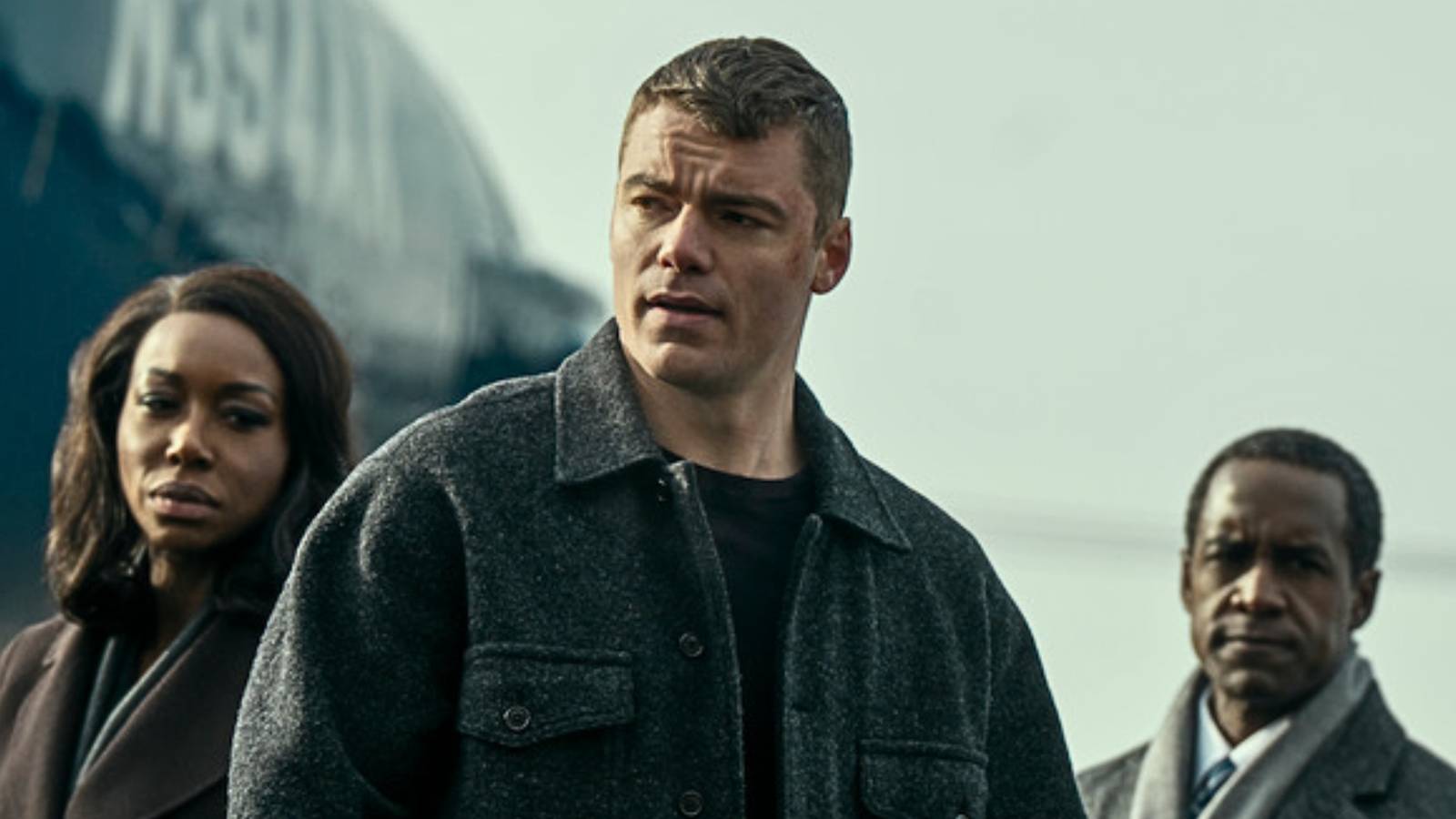
In 2026, the landscape of Netflix’s The Night Agent has evolved significantly, with Season 3 introducing six major cast shifts that redefine the high-stakes world of Night Action. These changes include the permanent elevation of specific handlers to series regular status, the introduction of an international ensemble for the Istanbul arc, the departure of several Season 2 operatives, and a strategic pivot in Peter Sutherland’s primary field partnerships.
Since its debut, The Night Agent has functioned with a semi-anthological structure, keeping Peter Sutherland (Gabriel Basso) as the gravitational center while rotating the supporting cast to fit new geographic and political threats. As Season 3 moves the action from the domestic corridors of Washington D.C. and New York to the intricate streets of Istanbul, the casting changes reflect a more globalized approach to the "Night Action" program. These shifts are not merely cosmetic; they represent a fundamental change in how the show handles character longevity and narrative stakes.
1. The International Expansion: New Series Regulars in the Istanbul Arc
One of the most significant shifts in Season 3 is the heavy investment in an international cast to support the show's move to Turkey. Unlike previous seasons where international characters were often secondary or temporary antagonists, Season 3 introduces three new series regulars who are native to the region. This shift was necessitated by the production’s decision to film extensively in Istanbul before returning to New York.
The casting of these roles focused on actors who could portray the complexities of Turkish intelligence and the "deep state" dynamics within the Mediterranean region. This shift signifies a departure from the Euro-centric or D.C.-centric threats of the first two seasons. By bringing in local talent as series regulars rather than guest stars, showrunner Shawn Ryan has ensured that the cultural and political nuances of the setting are baked into the core cast, rather than treated as a backdrop for American agents. This provides a more authentic layer to the espionage, moving away from the "fish out of water" trope and toward a more integrated, multi-national operation.
2. The Promotion of Amanda Warren and the Handler Hierarchy
In Season 2, Amanda Warren joined the cast as Catherine, a veteran within the Night Action program. By Season 3, her role has undergone a major shift, becoming the definitive anchor for Peter Sutherland’s missions. While Season 1 relied on the moral ambiguity of Diana Farr (Hong Chau), Season 3 solidifies Catherine as the primary authority figure and mentor.
This shift is crucial because it moves the show away from "who can we trust in the White House?" to "how do we survive the mission?" Catherine’s promotion to the central "voice in the ear" reflects a more professionalized version of the Night Action program. Her presence allows for more complex technical exposition and a deeper look into the bureaucracy of the secret organization. Fans of the show will notice that the dialogue between Peter and Catherine has transitioned from cautious testing to a battle-hardened shorthand, indicating a significant jump in their professional relationship since the events of Season 2.
3. The Reduced Role of the "Civilian" Element
A major structural shift in Season 3 is the further distancing from the civilian-led narrative that defined Season 1. Rose Larkin (Luciane Buchanan) was the heartbeat of the first season, providing a civilian perspective to Peter's tactical world. However, as Peter has fully embraced his role as a Night Action operative, the cast has shifted toward "pro-only" characters.
While Rose remains a beloved figure in the series' lore, the casting focus in Season 3 has moved toward field agents, tech specialists, and foreign operatives. This shift acknowledges that Peter’s life is now entirely consumed by the shadows. The absence of a primary civilian co-lead in every episode changes the stakes from "protection" to "mission success." This transition has allowed the writers to increase the technical depth of the action sequences, as the characters no longer need basic concepts explained to them, resulting in a faster-paced, more tactical viewing experience.
4. The Exit of the Season 2 Tactical Team
As is common with high-lethality spy thrillers, Season 3 marks a total refresh of Peter’s immediate tactical support team. Several key figures introduced in the New York-based Season 2 have been cycled out, either through narrative conclusion or the inherent dangers of the job. This shift allows Season 3 to introduce new archetypes into the "Night Action" field office.
The new team members in Season 3 are designed to contrast with Peter’s straightforward, often blunt-force trauma approach to problem-solving. We see the introduction of characters with expertise in cyber-warfare and psychological operations, reflecting modern espionage trends in 2026. This rotation of the supporting tactical cast prevents the show from becoming stagnant and ensures that Peter remains the only "safe" character, maintaining a high sense of peril for everyone else on the screen.
5. The Introduction of High-Level Political Antagonists
Every season of The Night Agent requires a high-level puppet master, and Season 3 shifts this role from the executive branch to the legislative and international diplomatic corps. The casting of these roles in Season 3 involves seasoned character actors known for playing gravitas-heavy, morally gray figures.
The shift here is the move away from the "traitor in the basement" trope toward "adversaries with competing legitimate interests." In Season 3, the cast additions for the political side of the story include a new Secretary of State and a high-ranking UN official. These shifts expand the scope of the show’s conflict, suggesting that Peter’s enemies are no longer just rogue agents, but the very systems of international law and diplomacy. This requires a different style of acting—less about physical threat and more about the "war of words" in high-ceilinged rooms in New York and Istanbul.
6. Strategic Guest Stars and Legacy Cameos
Finally, Season 3 utilizes a "shift" in its guest star strategy. Rather than bringing in "villains of the week," the show has begun utilizing legacy cameos from Season 1 to create a sense of a shared, persistent universe. While the main cast moves forward, the reappearance of minor characters from Peter’s past—now in different roles—provides a rewarding experience for long-term viewers.
This shift in casting philosophy treats the show more like a cinematic universe and less like a standard procedural. It acknowledges Peter's history and the lingering consequences of his previous cases. By bringing back faces from the D.C. conspiracy, the show bridges the gap between the initial mystery and the current global espionage plot, reinforcing the idea that the "Night Action" world is small, interconnected, and dangerous.
Cast Structure Comparison: Season 2 vs. Season 3
| Category | Season 2 Focus | Season 3 Focus (2026) |
|---|---|---|
| Primary Location | New York City / Washington D.C. | Istanbul / New York City |
| Lead Handler | Catherine (Introduction) | Catherine (Central Command) |
| Co-Lead Dynamic | Mixed Professional/Civilian | Multi-National Tactical Teams |
| Antagonist Origin | Domestic Intelligence Failures | International Diplomatic Espionage |
| Supporting Cast | Specialized Field Agents | International Intelligence Assets |
| Narrative Tone | Retrieval and Protection | Infiltration and Political Sabotage |
The Impact of Location on Casting Decisions
The decision to film Season 3 in Istanbul was not just a visual choice but a casting mandate. To maintain the "subject fidelity" of a show about international secrets, the production had to pivot away from the North American talent pool that dominated the first two seasons. In 2026, the industry has seen a rise in the demand for authentic regional casting, and The Night Agent has leaned into this by hiring actors who are well-known in the Turkish film industry (Yeşilçam) and the broader European market.
This shift provides a refreshing change in dialogue and perspective. The "Night Action" program is viewed differently from the outside looking in, and the new cast members bring that skepticism to their performances. The tension between Peter Sutherland and his Turkish counterparts isn't just about the mission; it's about the clash of different intelligence cultures—the "cowboy" style of the Americans versus the more patient, long-game approach of the Istanbul-based operatives.
Technical Depth: The Logistics of a Global Cast
Managing a shift of this magnitude involves significant logistical challenges. With the 2026 production schedule, the show had to coordinate between two major hubs: the New York unit and the Istanbul unit. This led to a "split cast" dynamic where certain regulars are only seen in specific locations, while Peter Sutherland and a select few others bridge the two worlds.
This logistics-driven casting shift actually helps the storytelling. It creates a sense of isolation for Peter when he is in the field, as his usual support network is physically and temporally distant. The technical "lag" in communication is mirrored by the distance between the characters, adding a layer of realism to the secret agent experience that was less prevalent when the action was confined to the U.S. East Coast.
Common Casting Mistakes in Anthology-Lite Series
Many shows fail when they rotate their cast too aggressively, losing the audience's emotional connection to the story. The Night Agent avoids this by adhering to a few key principles:
- Maintaining the Core: Gabriel Basso remains the indispensable lead.
- Slow-Burn Departures: Characters aren't usually discarded; they are transitioned out logically.
- Thematically Consistent Newcomers: New cast members are chosen to fill specific archetypal voids left by departing ones.
One common mistake the show has successfully navigated is the "replacement" syndrome. Rather than trying to find a "new Rose" or a "new Diana Farr," the show introduces characters with entirely different skill sets and motivations, ensuring that the new cast members stand on their own merits rather than being compared to their predecessors.
Frequently Asked Questions
Is Luciane Buchanan (Rose Larkin) in Season 3? While Rose Larkin was a central figure in Season 1 and appeared in Season 2, her role in Season 3 has shifted to a guest or recurring status. This reflects Peter’s full immersion into the "Night Action" program, which requires him to distance himself from his civilian life for the safety of those he loves. The narrative focus has moved toward his professional partners and the international mission in Istanbul.
Who is the main antagonist in Season 3? The antagonist role in Season 3 is a shift from a single "bad guy" to a network of high-level diplomatic and intelligence figures. This season introduces a "shadow cabinet" dynamic within the international community, making the threat more systemic and harder to neutralize with just a firearm or a single arrest.
How does the move to Istanbul affect the cast? The move necessitated the hiring of several prominent Turkish and international actors to play roles in the local intelligence agencies and the Istanbul underworld. This shift brings a more authentic, global feel to the show and moves it closer to the style of classic international spy thrillers like The Bourne Identity or Mission: Impossible.
Is Amanda Warren's character, Catherine, more important in Season 3? Yes. Catherine has effectively filled the "handler" vacuum left after Season 1. In Season 3, she is a series regular and serves as the primary link between Peter’s field operations and the D.C. power structure. Her character provides the necessary exposition and high-level strategy that allows Peter to operate effectively in foreign territory.
Will any Season 1 characters return besides Peter? Season 3 has a strategic "legacy shift," where minor characters from Peter’s past—particularly those involved in the original metro bombing investigation or the subsequent cover-up—make unexpected appearances. These cameos are designed to show that the events of the first season still have ripples in the current political climate of 2026.
Final Recommendation for Fans
To fully appreciate the cast shifts in Season 3, viewers should pay close attention to the shifting power dynamics between Peter and his new handlers. The show has moved from a "run for your life" thriller to a "clandestine operations" procedural. Expect higher technical jargon, more complex tactical maneuvers, and a darker, more isolated journey for Peter Sutherland as he navigates a world where he can no longer rely on the civilian moral compass that Rose Larkin once provided.