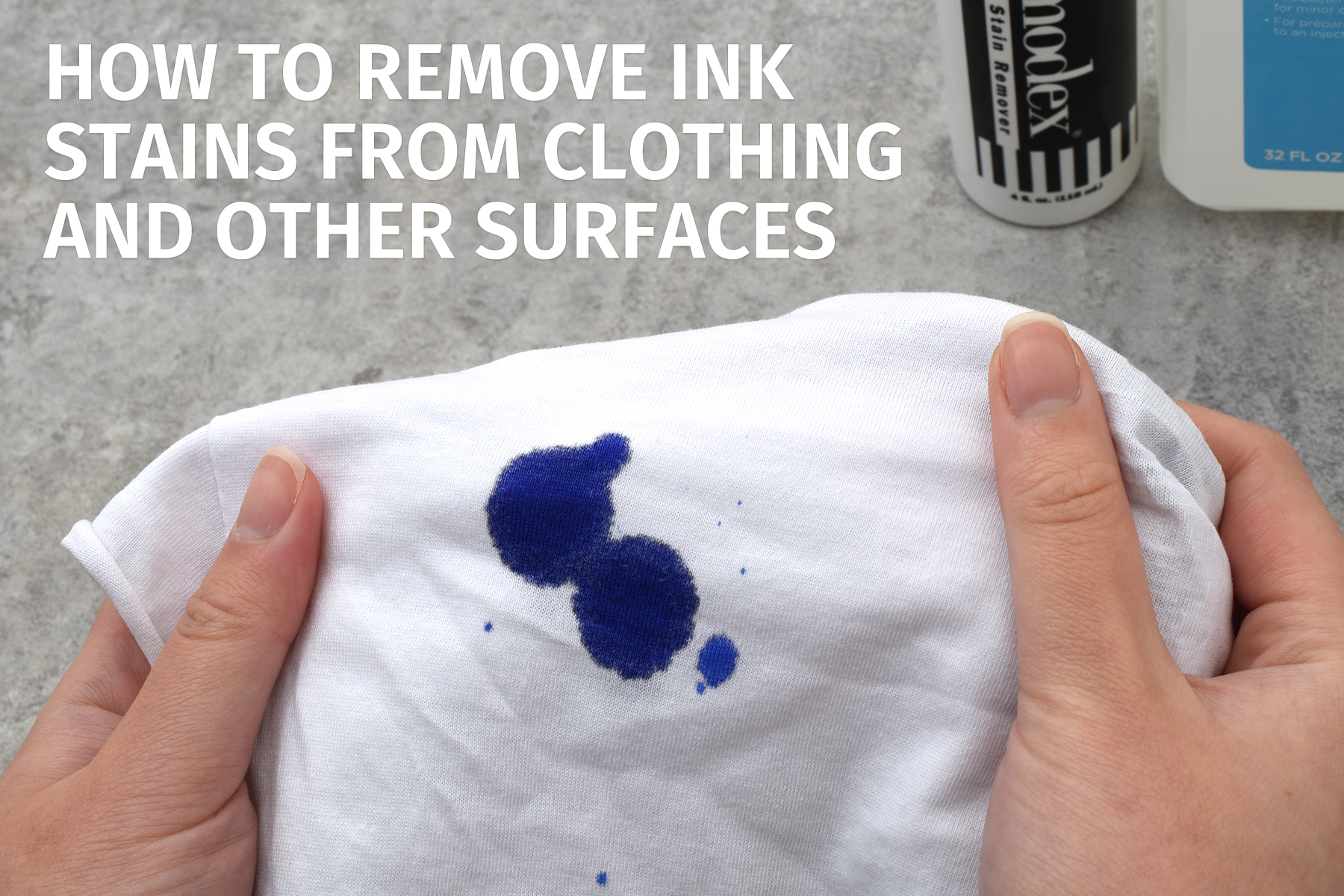
To remove stains from white shirts effectively, use oxygen-based bleach soaks for organic pigments, a hydrogen peroxide and dish soap mixture for grease and food, enzymatic cleaners for proteins like blood or sweat, white vinegar for mineral buildup, and isopropyl alcohol for stubborn ink or makeup residues.
Maintaining a pristine white shirt in 2026 requires a more sophisticated approach than simply reaching for the chlorine bleach. While white garments offer a timeless aesthetic, their lack of pigment makes them highly susceptible to discoloration from organic matter, synthetic dyes, and environmental pollutants. The fibers themselves—whether they are natural cotton, linen, or high-performance synthetic blends—react differently to various chemical agents.
To successfully restore a garment to its original luster, one must understand the chemistry of the stain and the structural integrity of the fabric. Prompt action is the most critical factor; the longer a substance sits on the fibers, the more likely it is to undergo a chemical bond known as "setting," which can make removal nearly impossible without damaging the cloth.
Understanding Fabric and Stain Chemistry
Before applying any treatment, it is essential to identify the material composition of your shirt. As of 2026, most professional attire consists of long-staple cotton or "easy-care" cotton-polyester blends. Cotton is a cellulose fiber that can withstand higher temperatures and slightly more aggressive alkaline treatments. However, it is also highly absorbent, meaning liquid stains penetrate deep into the medulla of the fiber.
Stains are generally categorized into three types:
- Protein-based: Blood, sweat, dairy, and grass. These require enzymes to break down the complex protein chains.
- Oil-based: Grease, makeup, motor oil, and salad dressing. These require surfactants to emulsify the oils so they can be rinsed away.
- Tannin/Pigment-based: Coffee, tea, wine, and ink. These require oxidation or solvents to neutralize the color molecules (chromophores).
Never use hot water on an unidentified stain. Heat can coagulate proteins and permanently set many organic pigments. Always start with cool or lukewarm water until the nature of the stain is confirmed.
1. The Oxygen Bleach Soak (Best for Organic and General Yellowing)
Oxygen bleach, primarily composed of sodium percarbonate, has become the industry standard for white shirt maintenance in 2026. Unlike chlorine bleach (sodium hypochlorite), oxygen bleach does not weaken the fibers over time and does not cause the yellow "scorching" effect often seen on synthetic blends.
When sodium percarbonate is dissolved in water, it releases hydrogen peroxide and soda ash. This process creates an oxidative reaction that breaks the chemical bonds of the stain molecules without stripping the fabric's structural proteins.
The Procedure
To perform a deep soak, fill a basin with warm water—approximately 40°C (104°F) is ideal for activating the oxygen crystals without damaging the shirt. Dissolve one full scoop of a high-quality oxygen bleach powder until the water feels slightly slippery. Submerge the shirt entirely, ensuring no air bubbles are trapped in the folds.
For minor dullness, a two-hour soak is sufficient. However, for deep-set organic stains like wine or juice, leave the garment submerged for at least six hours or overnight. Once the soak is complete, wash the shirt as usual using a standard detergent. This method is particularly effective for removing the general "grey" cast that white shirts acquire after multiple wears.
2. Hydrogen Peroxide and Dish Soap (The "Power Duo" for Food and Grease)
For localized food stains—especially those containing a mix of pigments and fats, such as tomato sauce or gravy—the combination of hydrogen peroxide and a high-surfactant dish soap is remarkably effective.
Hydrogen peroxide acts as a mild bleaching agent and antiseptic, while the dish soap is specifically formulated to break the surface tension of oils. By combining these, you create a treatment that can penetrate the oil barrier of a stain to attack the pigment underneath.
Application Steps
Mix two parts 3% hydrogen peroxide with one part concentrated liquid dish soap. Apply the mixture directly to the stain on the dry shirt. Use a soft-bristled brush (an old toothbrush is ideal) to work the solution into the fibers using circular motions.
Let the solution sit for 30 to 60 minutes. During this time, the peroxide will bubble slightly as it reacts with the organic material. This mechanical action helps lift the debris from the weave. Rinse with cool water. If the stain remains, repeat the process before the garment goes into the dryer, as the heat of a dryer will catalyze the bonding of any remaining residue.
3. White Vinegar and Baking Soda (Best for Perspiration and Mineral Deposits)
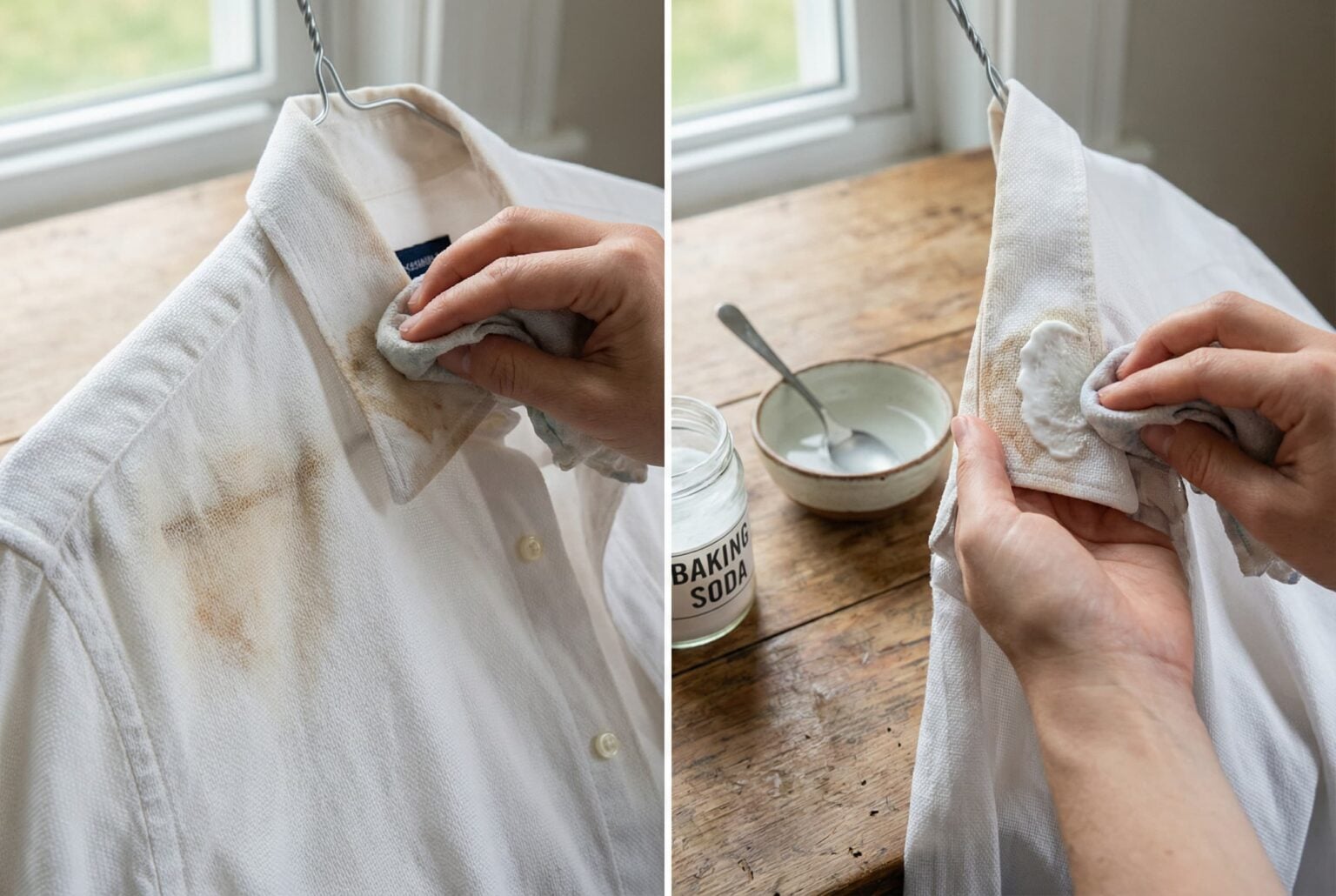
Yellowing in the underarm area is rarely caused by sweat alone; it is typically a chemical reaction between the minerals in your perspiration and the aluminum salts found in many antiperspirants. This creates a stubborn, waxy buildup that repels standard detergents.
Distilled white vinegar contains acetic acid, which is effective at dissolving mineral deposits and neutralizing odors. Baking soda (sodium bicarbonate) acts as a mild abrasive and a pH buffer.
The Neutralization Method
Create a thick paste using three parts baking soda and one part water. Apply this paste generously to the yellowed areas and let it dry for approximately 30 minutes. Afterward, spray the area with undiluted white vinegar. The resulting "fizzing" reaction (the release of carbon dioxide) helps to physically agitate the buildup out of the fabric weave.
After the reaction subsides, scrub the area lightly and rinse with warm water. This method is also excellent for removing the "stiffness" often felt in the collars and cuffs of shirts where oils and skin cells accumulate.
4. Isopropyl Alcohol (Best for Ink, Markers, and Makeup)
Ink stains are among the most feared because pigments are designed to be permanent. However, most modern inks are soluble in alcohol. Using isopropyl alcohol (rubbing alcohol) with a concentration of at least 70% can dissolve the resins that hold the pigment to the fabric.
The Blotting Technique
Place a clean white towel or several layers of paper towels inside the shirt, directly beneath the stain. This prevents the ink from "bleeding" through to the back of the garment. Saturate a cotton ball or cloth with isopropyl alcohol and dab the stain. Do not rub. Rubbing will spread the dissolved ink molecules into the surrounding clean fibers.
As the ink transfers to the towel underneath, move the shirt to a clean section of the towel. Continue dabbing and moving the garment until no more ink transfers. Once the majority of the pigment is gone, rinse the area with cool water and apply a small amount of liquid detergent to remove any remaining solvent before laundering.
5. Enzymatic Pre-treatments (Best for Biological Stains)
In 2026, enzymatic cleaners have reached peak efficiency, utilizing specific proteins like protease (for blood and grass) and lipase (for body oils). These biological catalysts literally "eat" the organic matter that makes up the stain. This is the most effective way to handle blood, which can be notoriously difficult once it begins to oxidize and turn brown.
Optimization of Enzymes
Apply a concentrated enzymatic liquid directly to the stain. Unlike chemical oxidizers, enzymes require time and a specific temperature range to work—usually between 15°C and 40°C. If the water is too hot, the enzymes will denature and become ineffective.
Allow the treatment to sit for at least 20 minutes, but do not let it dry completely on the fabric, as this can make the enzymes harder to rinse out. For blood stains, always use cold water for the initial rinse. Once the biological material has been broken down and rinsed away, the shirt can be laundered in a regular cycle.
Summary of Stain Removal Methods
The following table provides a quick reference for matching the stain type with the most effective removal strategy discussed above.
| Stain Category | Primary Agent | Key Mechanism | Best For |
|---|---|---|---|
| Organic/Dullness | Oxygen Bleach | Oxidation | Wine, Juice, General Whitening |
| Mixed Food | Peroxide + Dish Soap | Surfactant + Oxidation | Tomato Sauce, Chocolate, Gravy |
| Perspiration | Vinegar + Baking Soda | Acidic Dissolution | Underarm Yellowing, Odor |
| Ink & Cosmetics | Isopropyl Alcohol | Solvent Extraction | Pen Ink, Lipstick, Foundation |
| Biological | Protease Enzymes | Molecular Breakdown | Blood, Grass, Dairy |
Preventative Care and Maintenance in 2026
Achieving long-term whiteness is not just about crisis management; it involves a consistent maintenance routine. One of the most common mistakes is the over-reliance on chlorine bleach. While it provides immediate results, chlorine bleach damages the fibers and can actually turn synthetic components yellow over time.
Water Quality and Temperature
Hard water contains high levels of calcium and magnesium, which can react with soap to form "scum" that settles on white shirts, making them look dingy. If you live in an area with hard water, using a water softener or adding a half-cup of borax to each load can prevent this accumulation.
In terms of temperature, most 2026 high-efficiency detergents are formulated to work best in cold or lukewarm water. While hot water is effective for white cotton, it can shrink the fabric and set certain stains. A consistent warm-water wash (30-40°C) is generally the safest "sweet spot" for maintaining white garments without causing structural damage.
The Role of Sunlight
Ultraviolet (UV) radiation from the sun is a natural bleaching agent. Whenever possible, hang your white shirts to dry outside. The UV rays help break down any remaining trace pigments and provide a natural whitening boost that mechanical dryers cannot replicate. However, ensure the shirts are brought inside once dry, as prolonged exposure to intense sun can eventually weaken the fibers.
Frequently Asked Questions
Can I remove a stain that has already been through the dryer?
It is significantly more difficult, but not impossible. The heat of the dryer often "bakes" the stain into the fabric, creating a permanent bond. To attempt removal, you will likely need a prolonged oxygen bleach soak (12+ hours) or a concentrated enzymatic treatment. Avoid using high heat again until you are certain the stain is gone.
Why do my white shirts turn yellow in storage?
Yellowing during storage is often caused by "phenolic yellowing," a reaction between antioxidants in the packaging (like plastic bags) and atmospheric pollutants. It can also be caused by residual body oils that weren't fully removed during the last wash. Always ensure shirts are professionally cleaned and stored in breathable cotton garment bags rather than plastic.
Is it safe to use lemon juice as a whitener?
Lemon juice is a natural source of citric acid and acts as a mild bleaching agent, especially when combined with sunlight. While safe for cotton and linen, the acidity can be too harsh for delicate silks. It is less consistent than modern oxygen bleaches but remains a viable eco-friendly alternative for light staining.
Should I use "Bluing" agents?
Laundry bluing is an old-fashioned technique that remains effective in 2026. It adds a microscopic amount of blue pigment to the fabric, which offsets the natural yellowing of white cloth. To the human eye, this makes the shirt appear "whiter than white." However, it must be diluted perfectly, or you risk blue streaks on your garment.
How do I handle a "Dry Clean Only" white shirt?
If a shirt is labeled "Dry Clean Only," such as high-end silk or structured wool, do not attempt home stain removal with water-based methods. Water can cause "ringing"—a permanent watermark—or shrink the underlying structure. Take the garment to a professional and point out the specific stain and its source (e.g., "this is red wine").
Final Recommendations
The key to preserving the life and appearance of a white shirt lies in the transition from aggressive chemicals to targeted molecular solutions. By identifying the specific nature of a stain—whether it is an oil, a protein, or a pigment—you can apply the correct reagent without compromising the integrity of the fabric.
For the best results, always keep a "stain kit" ready, containing oxygen bleach, 3% hydrogen peroxide, isopropyl alcohol, and a high-quality enzymatic detergent. This preparedness ensures that you can treat stains the moment they occur, which remains the single most effective strategy for maintaining a professional, spotless wardrobe.