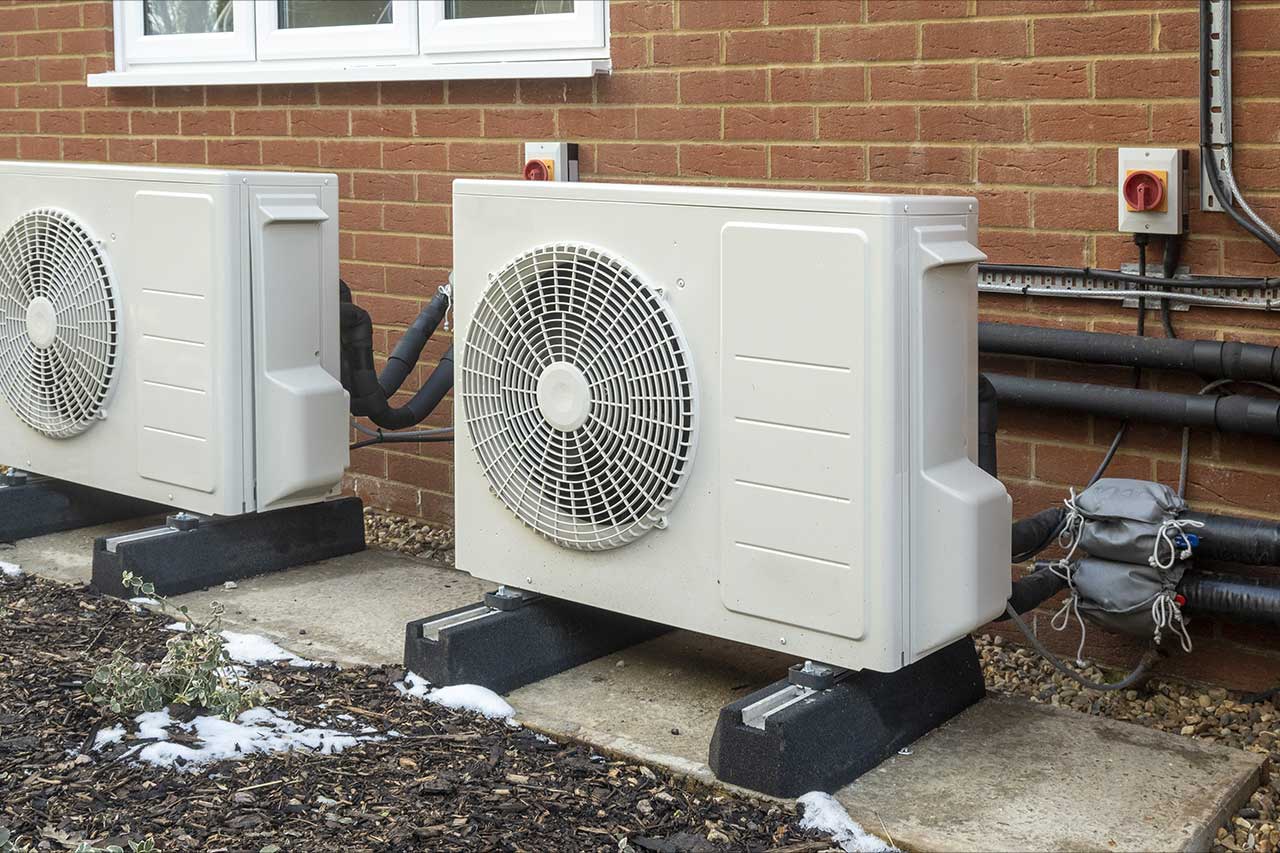
A standard 3 ton heat pump installation typically costs between $4,500 and $12,000, including both equipment and professional labor. This price varies widely based on regional labor rates, equipment efficiency ratings measured in Seasonal Energy Efficiency Ratio (SEER2), ductwork modifications, and whether you are replacing an existing system or installing a brand-new setup.
Navigating the financial and technical landscape of home heating and cooling upgrades requires looking past a single price tag. A 3 ton heat pump—designed to condition approximately 1,500 to 2,000 square feet of living space—represents a substantial investment in your home's comfort, energy efficiency, and overall property value. Understanding the components that drive installation pricing helps homeowners make informed decisions, avoid unexpected expenses, and maximize the long-term return on investment of their HVAC system.
Understanding System Capacity: Why a 3 Ton Heat Pump?
Before examining financial outlays, it is critical to understand what a "3 ton" rating actually means. In the HVAC industry, a "ton" does not refer to physical weight. Instead, it measures the cooling capacity of the unit, where one ton equals 12,000 British Thermal Units (BTUs) of heat removed per hour. Therefore, a 3 ton heat pump delivers roughly 36,000 BTUs of cooling capacity.
Selecting the correct tonnage is a precise science governed by Manual J load calculations, a standardized methodology established by the Air Conditioning Contractors of America (ACCA). Factors influencing this calculation include:
- Total square footage and ceiling heights of the home.
- Local climate zone and historical weather patterns.
- Quality, type, and depth of home insulation in walls, floors, and attics.
- Orientation of the home relative to sun exposure.
- Number, type, and placement of windows and exterior doors.
- Internal heat loads from occupants and major appliances.
Installing an incorrectly sized unit introduces severe operational inefficiencies. An oversized 3 ton unit in a home that only requires 2.5 tons will "short-cycle"—turning on and off rapidly. This prevents the system from properly dehumidifying the air, leads to excessive wear on electrical components, and spikes utility bills. Conversely, an undersized unit will run continuously without reaching the thermostat setpoint, failing to maintain comfortable temperatures during peak summer heat or winter freezes.
Breakdown of 3 Ton Heat Pump Installation Costs
The overall cost of a 3 ton heat pump installation is divided into several discrete categories. When a licensed HVAC contractor provides an estimate, it generally combines equipment pricing, labor, permits, and ancillary materials.
Equipment Costs
The physical hardware—comprising the outdoor condenser unit, the indoor air handler or evaporator coil, and sometimes a communicating thermostat—typically accounts for 40% to 60% of the total quote. Equipment prices vary significantly based on brand tier, technological complexity, and efficiency metrics.
- Entry-Tier Units (14.3 to 15 SEER2): These are single-stage systems offering basic, reliable climate control. They cost less upfront but consume more electricity over their lifespan.
- Mid-Tier Units (16 to 18 SEER2): Two-stage or multi-stage systems that adjust their output to match heating and cooling loads more precisely. They offer superior humidity control and quieter operation.
- High-Tier Units (19+ SEER2 and Variable Speed): Inverter-driven variable-speed compressors that ramp up and down in precise increments. These top-tier systems command the highest equipment costs but yield the lowest monthly utility bills.
Labor and Contractor Overhead
Labor fees reflect the technical expertise required to safely handle refrigerants, execute high-voltage electrical connections, and integrate modern smart controls. Labor generally accounts for $2,000 to $4,500 of the total project cost. Factors influencing labor rates include regional cost of living, contractor certifications (such as NATE certification), and the structural complexity of the installation site—such as a cramped crawlspace, steep roof pitch, or difficult-to-access attic space.
Additional Materials and Supplies
Beyond the core heat pump system, installers must integrate supporting hardware. This includes refrigerant linesets, electrical disconnect boxes, whip wiring, condensate drain lines, hurricane tie-down pads for outdoor units, and transition ductwork plenum connections. These materials typically add $300 to $1,000 to the project.
Cost Factors and Variables
No two HVAC installations are identical. Several project-specific conditions can drive a 3 ton heat pump installation toward the lower or higher end of the pricing spectrum.
| Cost Factor | Low-End Impact | High-End Impact |
|---|---|---|
| System Efficiency | 14.3 SEER2 single-stage unit ($2,500 – $4,000 equipment) | 20+ SEER2 variable-speed inverter ($6,000 – $9,000+ equipment) |
| Ductwork Condition | Existing ducts are clean, properly sized, and sealed | Ductwork requires complete replacement or major resizing |
| Electrical Upgrades | Existing 240V breaker and wiring are fully compliant | Electrical panel upgrade or new dedicated circuit required |
| Configuration | Straight swap of existing split heat pump system | Converting from oil/gas furnace or baseboard heat to heat pump |
| Permits & Disposal | Local jurisdiction requires minimal fees; standard disposal | Strict municipal code inspections, crane rental, hazardous material fees |
Ductwork Integrity
A heat pump is only as efficient as the distribution network delivering conditioned air. If existing ductwork is leaky, uninsulated, or undersized, even the most expensive variable-speed heat pump will underperform. Sealing ductwork adds minimal cost, but a full redesign or replacement of residential duct systems can add $2,000 to $5,000 to the total installation bill.
Electrical Infrastructure Requirements
Heat pumps operate on 240-volt electrical service. If you are replacing an older electric heat pump, your electrical panel likely already has the required double-pole breaker and heavy-gauge wiring. However, if you are transitioning from a fossil-fuel heating system (such as an oil furnace or natural gas boiler) or upgrading an older home, you may need a dedicated electrical circuit installed. In older homes with 100-amp service panels, upgrading to a modern 200-amp electrical service panel may be required by local building codes to safely handle the electrical draw of auxiliary heating strips, adding $1,500 to $3,500 to the project.
Climate and Auxiliary Heat Integration
In regions with mild winters, a 3 ton heat pump operates efficiently year-round. However, in colder climates where temperatures regularly drop below freezing, modern cold-climate heat pumps are required to maintain heating capacity. Additionally, homes in these regions often require electric resistance backup heating strips (heat strips) installed inside the air handler to assist during extreme cold snaps. Adding or upgrading these heat strips incurs additional equipment and electrical installation costs.
Financial Incentives, Rebates, and Tax Credits
Because heat pumps represent a cornerstone of modern energy policy aimed at reducing carbon emissions and fossil fuel dependency, various financial incentives help offset the upfront cost of installation. Homeowners should evaluate federal tax credits, state programs, and utility rebates before approving an installation contract.
At the federal level, the Energy Efficient Home Improvement Credit (Section 25C) provides tax incentives for qualifying heat pump installations. Eligible equipment must meet or exceed the highest efficiency tiers established by the Consortium for Energy Efficiency (CEE) active for the region. This credit can cover up to 30% of the total project cost, up to a statutory maximum cap of $2,000 for heat pump installations.
Furthermore, state-level programs funded through legislation like the High-Efficiency Electric Home Rebate Act (HEEHRA) provide point-of-sale discounts for low- and moderate-income households transitioning to heat pump technology. Local electric utilities also frequently offer cash-back rebates for upgrading from older, low-efficiency HVAC systems to high-SEER2 heat pump models. Consulting with your contractor or checking database resources like the Database of State Incentives for Renewables & Efficiency (DSIRE) helps identify applicable local savings.
Choosing the Right Contractor and Obtaining Quotes
Selecting a qualified HVAC contractor is just as important as choosing the equipment brand. Poor installation practices—such as improper refrigerant charge, incorrect airflow velocity, or sloppy electrical connections—can reduce system efficiency by up to 30% and lead to premature compressor failure.
Homeowners should solicit at least three written, detailed itemized quotes from licensed, insured, and bonded contractors. A professional quote should explicitly state:
- The exact make, model numbers, and AHRI (Air-Conditioning, Heating, and Refrigeration Institute) certificate number for the outdoor unit, indoor coil, and air handler.
- A breakdown of labor costs, permit fees, and removal/disposal fees for old equipment.
- The scope of any electrical or ductwork modifications.
- Manufacturer warranty terms (typically 10 years on parts when registered) alongside the contractor's workmanship or labor warranty (ranging from 1 to 5 years).
Avoid contractors who provide telephone estimates without performing an on-site physical inspection of your home, attic, and existing ductwork. A reputable technician will perform a detailed manual calculation and walkthrough to ensure the 3 ton specification is correct for your unique living environment.
Frequently Asked Questions
How long does a 3 ton heat pump installation take?
Most standard residential 3 ton heat pump replacements take between one and two full working days. Straightforward swaps where the indoor and outdoor units match existing configurations can often be completed in a single day. Complex installations requiring extensive electrical panel upgrades, new ductwork fabrication, or crane lifts for rooftop units can extend the project timeline to three days or more.
Can I install a 3 ton heat pump myself?
DIY installation is strongly discouraged and, in many jurisdictions, illegal due to federal regulations governing the handling of refrigerants. Section 608 of the Clean Air Act requires technicians purchasing and handling regulated refrigerants (such as R-410A or newer alternatives) to hold EPA Section 608 certification. Improper installation voids manufacturer warranties, risks severe electrical shock, and frequently leads to catastrophic system failure.
What is the typical lifespan of a 3 ton heat pump?
A properly maintained 3 ton heat pump typically lasts between 12 and 15 years, though units located in coastal environments with high salt corrosion or regions with extreme operating loads may experience shorter lifespans. Regular semi-annual preventive maintenance—including cleaning coils, clearing condensate lines, and checking refrigerant levels—is essential for reaching the upper limit of this operational window.
Are variable-speed heat pumps worth the extra upfront cost?
Yes, for most homeowners, variable-speed heat pumps justify their higher initial investment through significantly lower monthly electricity bills, quieter operation, and superior indoor humidity management. They continuously adjust output to match ambient conditions rather than turning on and off at full blast, resulting in more consistent indoor temperatures and reduced mechanical wear over time.
What maintenance does a 3 ton heat pump require?
Homeowners should inspect and replace or clean air filters every one to three months depending on household pets, dust, and usage. Additionally, homeowners should keep the outdoor condenser unit clear of leaves, grass clippings, and snow accumulation. A professional HVAC technician should perform comprehensive tune-ups twice a year—once in the spring before the cooling season and once in the fall before the heating season.
Next Steps for Homeowners
When planning a 3 ton heat pump installation, start by scheduling energy audits or consultations with reputable, licensed local HVAC professionals. Request Manual J load calculations to verify that a 3 ton capacity matches your home's thermal requirements. Review available federal tax credits, utility rebates, and state incentive programs to maximize your financial savings. Finally, secure itemized written estimates that detail equipment specifications, labor warranties, and project timelines to ensure a transparent and successful home comfort upgrade.



[5883].webp)