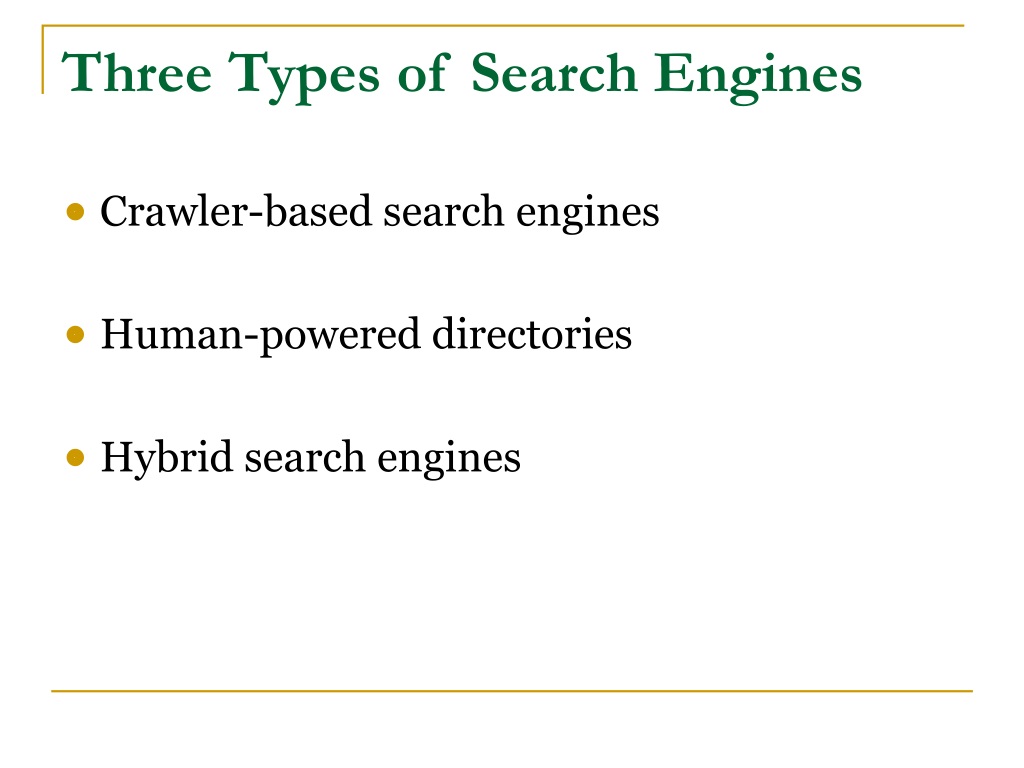
When exploring the digital landscape, the phrase "3 search engine" typically points toward the triad of dominant web discovery platforms—Google, Bing, and Yahoo—or alternative frameworks that categorize web indexing and search methodologies. Navigating this ecosystem requires an understanding of how distinct algorithms, crawling architectures, and privacy models serve user intent across the modern web.
Evolution and Market Dynamics of the Major Search Engines
The global search market has evolved from a fragmented collection of early web directories into a consolidated ecosystem dominated by a few core platforms. Understanding how these platforms operate requires looking beyond simple keyword matching into the underlying mechanics of web crawling, natural language processing, and automated indexing.
The Dominance of Google in Web Discovery
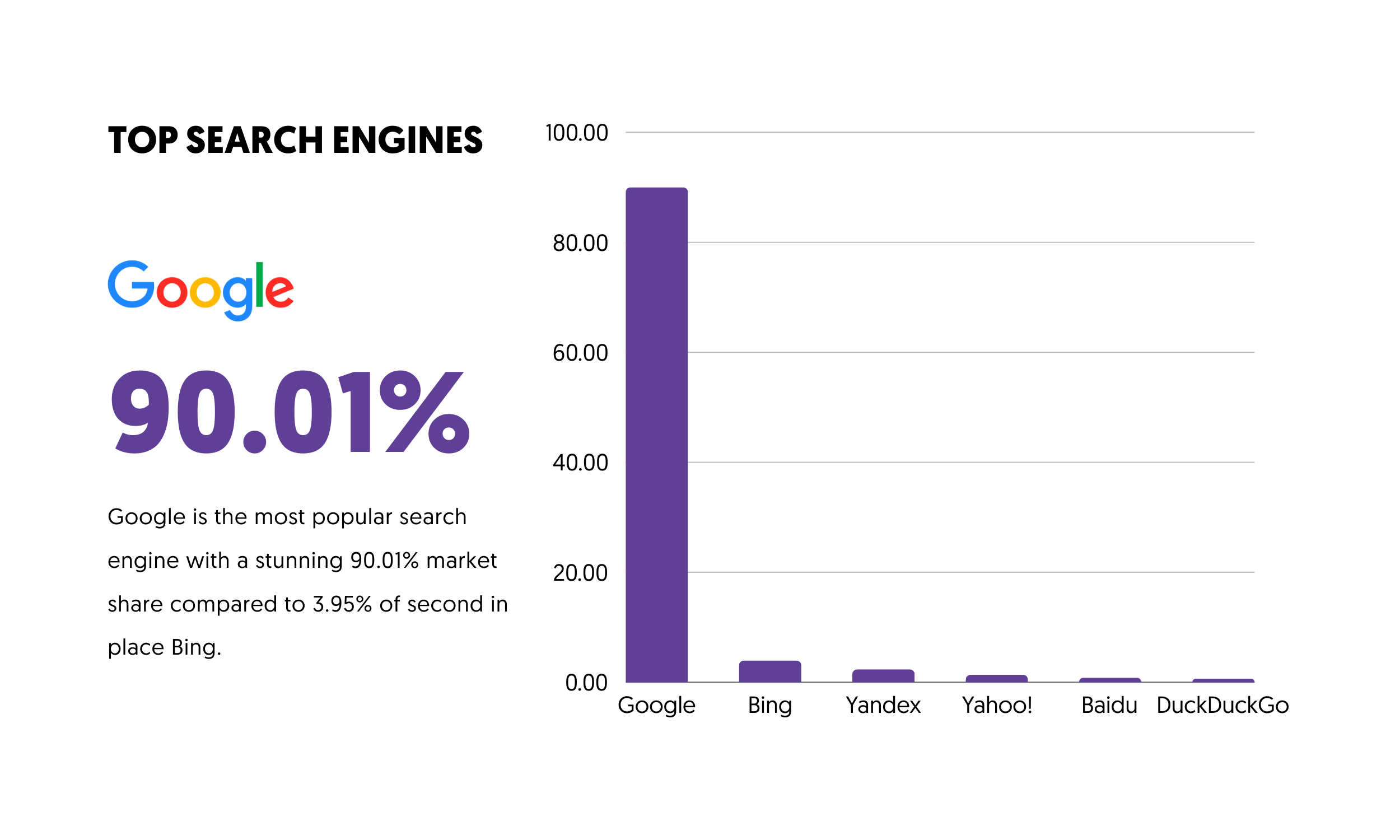
Google maintains the largest market share globally, driven by continuous refinements to its crawling and ranking algorithms. The platform relies on software bots—commonly referred to as spiders or crawlers—that systematically browse the World Wide Web to index pages.
- Crawling and Rendering: Googlebot fetches URLs, renders JavaScript, and parses HTML content to understand page layout and textual depth.
- Ranking Signals: Hundreds of ranking signals govern position placement, including content relevance, page experience metrics, site speed, mobile-friendliness, and authority signals derived from inbound links.
- User Intent Optimization: Modern algorithm updates emphasize semantic search, enabling the engine to interpret conversational queries and surface precise passages rather than just matching isolated keywords.
Microsoft Bing and Enterprise Integration
Microsoft Bing serves as the primary alternative to Google, powering not only its own search engine results page (SERP) but also Yahoo Search and various third-party portals through syndication agreements. Bing utilizes an indexing structure optimized for both broad web discovery and enterprise productivity integrations.
- Ecosystem Synergies: Bing is deeply integrated into the Windows operating system, Microsoft Edge, and Microsoft 365 enterprise environments. This integration captures desktop search traffic and workplace-specific queries.
- Visual and Multimedia Search: Bing has historically invested heavily in image and video recognition technologies, offering robust visual search capabilities that allow users to crop images and find related products or information.
- AI Integration: Through partnerships with OpenAI, Microsoft integrated conversational AI features directly into Bing, shifting traditional query-and-response paradigms toward interactive, multi-turn dialogues.
Yahoo Search and Syndication Models
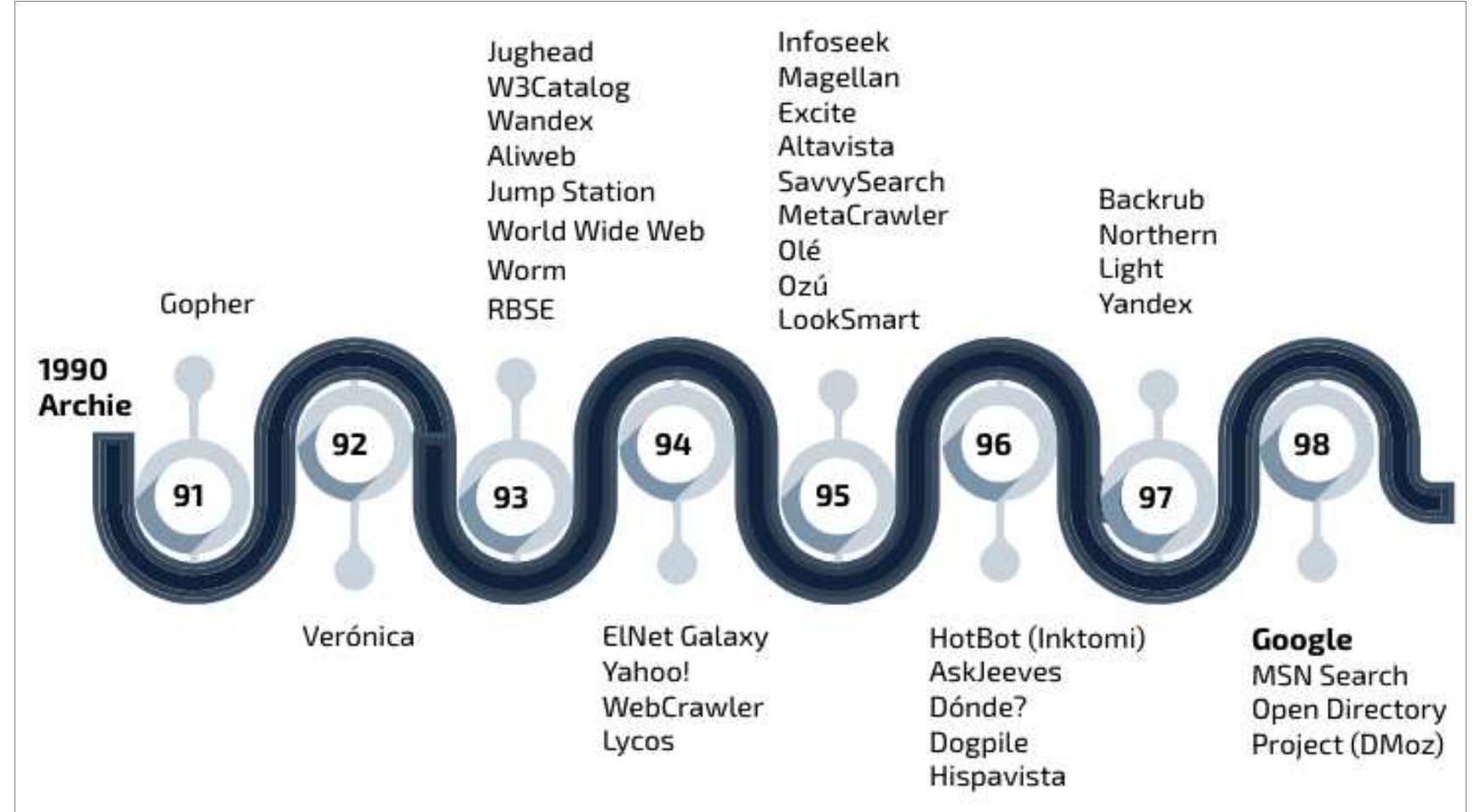
Yahoo occupies a unique position in the search ecosystem. While it historically pioneered web directory indexing in the 1990s, modern Yahoo Search operates primarily as a portal that syndicates results and paid advertising from Microsoft Bing.
- Portal Integration: Yahoo combines its legacy search interface with news aggregation, financial data, and email services, capturing users who prefer a consolidated web hub.
- Ad Network Partnership: Advertisers utilizing the Microsoft Advertising network automatically reach Yahoo audiences, making it a critical component of multi-channel search engine marketing (SEM) campaigns.
Technical Comparison of Core Search Infrastructure
Evaluating these platforms requires examining technical parameters, index sizes, and developer tools. The table below outlines key operational differences across the primary search ecosystems.
| Feature / Metric | Bing | Yahoo Search | |
|---|---|---|---|
| Primary Index Scope | Massive global web index with heavy mobile-first crawling | Comprehensive global index with emphasis on enterprise data | Syndicated results powered primarily by Microsoft Bing |
| Developer / Webmaster Tools | Google Search Console | Bing Webmaster Tools | Managed via Microsoft Advertising / Bing portal |
| Core AI Framework | Gemini models integrated into Search Generative Experience | Copilot integration powered by OpenAI technology | Integrated via Microsoft syndication partnerships |
| Primary Monetization | Google Ads (Text, Shopping, Display) | Microsoft Advertising | Microsoft Advertising network |
Alternative Search Frameworks and Privacy-Focused Alternatives
Beyond the traditional triad of commercial web giants, a growing segment of internet users utilizes alternative platforms that prioritize data privacy, decentralization, or specialized indexing models.
Privacy-Centric Alternatives
Privacy-focused search engines do not track user search histories, build behavioral profiles, or sell personal data to advertisers.
- DuckDuckGo: Relies on a combination of its own crawler, crowd-sourced data, and results from commercial partners (primarily Bing) while stripping away user identifiers and tracking cookies.
- Brave Search: Operates an independent index built from scratch rather than relying entirely on legacy search giants, offering transparent ranking policies and zero tracking.
- Startpage: Acts as a privacy proxy, fetching results from Google on behalf of the user while removing all tracking elements and sharing zero IP addresses or personal data with the source engine.
Specialized and Decentralized Engines
Certain search methodologies target niche content or operate on decentralized protocols to avoid centralized censorship and opaque algorithmic curation.
- Academic and Scientific Engines: Platforms like Google Scholar or Semantic Scholar index peer-reviewed literature, pre-print servers, and academic citations rather than general commercial web pages.
- Decentralized Networks: Peer-to-peer search protocols distribute the indexing workload across participating user nodes, preventing any single corporate entity from controlling the flow of information.
Best Practices for Optimizing Content Across Search Platforms
Content creators, developers, and digital marketers must design web pages that satisfy technical requirements across multiple search engines rather than optimizing for a single algorithm.
Technical SEO Foundations
Ensuring that a website is discoverable by all major search engine crawlers requires adherence to fundamental web standards:
- Robots.txt Configuration: Ensure that crawling bots are not inadvertently blocked from accessing essential CSS, JavaScript, or textual content.
- XML Sitemaps: Maintain clean, updated XML sitemaps and submit them through Google Search Console and Bing Webmaster Tools to accelerate indexing.
- Structured Data: Implement schema markup (JSON-LD) to help crawlers understand specific entities, products, articles, and organizational data clearly.
Quality Guidelines and Content Depth
Modern search algorithms heavily penalize thin, repetitive, or low-quality content. To achieve sustainable visibility:
- Demonstrate E-E-A-T: Showcase Experience, Expertise, Authoritativeness, and Trustworthiness by featuring qualified authors, citing primary sources, and maintaining transparency.
- Focus on User Intent: Align content structure with what the user actually wants to accomplish, providing clear steps, verified facts, and comprehensive answers without unnecessary padding.
Frequently Asked Questions
What is the difference between how Google and Bing index web pages?
While both engines use automated web crawlers to discover and parse content, they employ different proprietary ranking algorithms and weighting systems. Google emphasizes mobile-first indexing, Core Web Vitals, and complex semantic signals, whereas Bing places notable weight on exact-keyword matches, traditional backlink profiles, and direct social signals.
Do privacy search engines show the same results as mainstream platforms?
Privacy search engines often source their core web results either from their own independent indexes (such as Brave) or via API partnerships with major providers (such as DuckDuckGo using Bing). However, because they do not track user search history or apply behavioral personalization, different users searching for the same query will see identical results, unlike the heavily personalized SERPs of Google.
How can a website owner submit pages to multiple search engines?
Website owners do not need to submit pages to every single search engine individually. By configuring proper XML sitemaps and registering the domain with primary administrative dashboards—specifically Google Search Console and Bing Webmaster Tools—crawlers will automatically discover, crawl, and index the site. Syndicated engines like Yahoo automatically inherit listings from the Bing index.
Why do search results vary significantly between different platforms?
Variations in search results stem from differences in crawler allocation, index freshness, algorithmic weighting, and personalization factors. One engine may prioritize a recently published article due to rapid re-crawling frequency, while another may prioritize an established authoritative domain based on historical backlink strength.
Conclusion
Navigating the landscape of search technology requires recognizing that no single platform holds a monopoly on how information is discovered. While Google, Bing, and Yahoo dominate commercial web traffic, alternative privacy engines and specialized indexes play a vital role in the broader digital ecosystem. Webmasters and users alike benefit from understanding the distinct operational models, indexing criteria, and ranking philosophies that drive each platform.