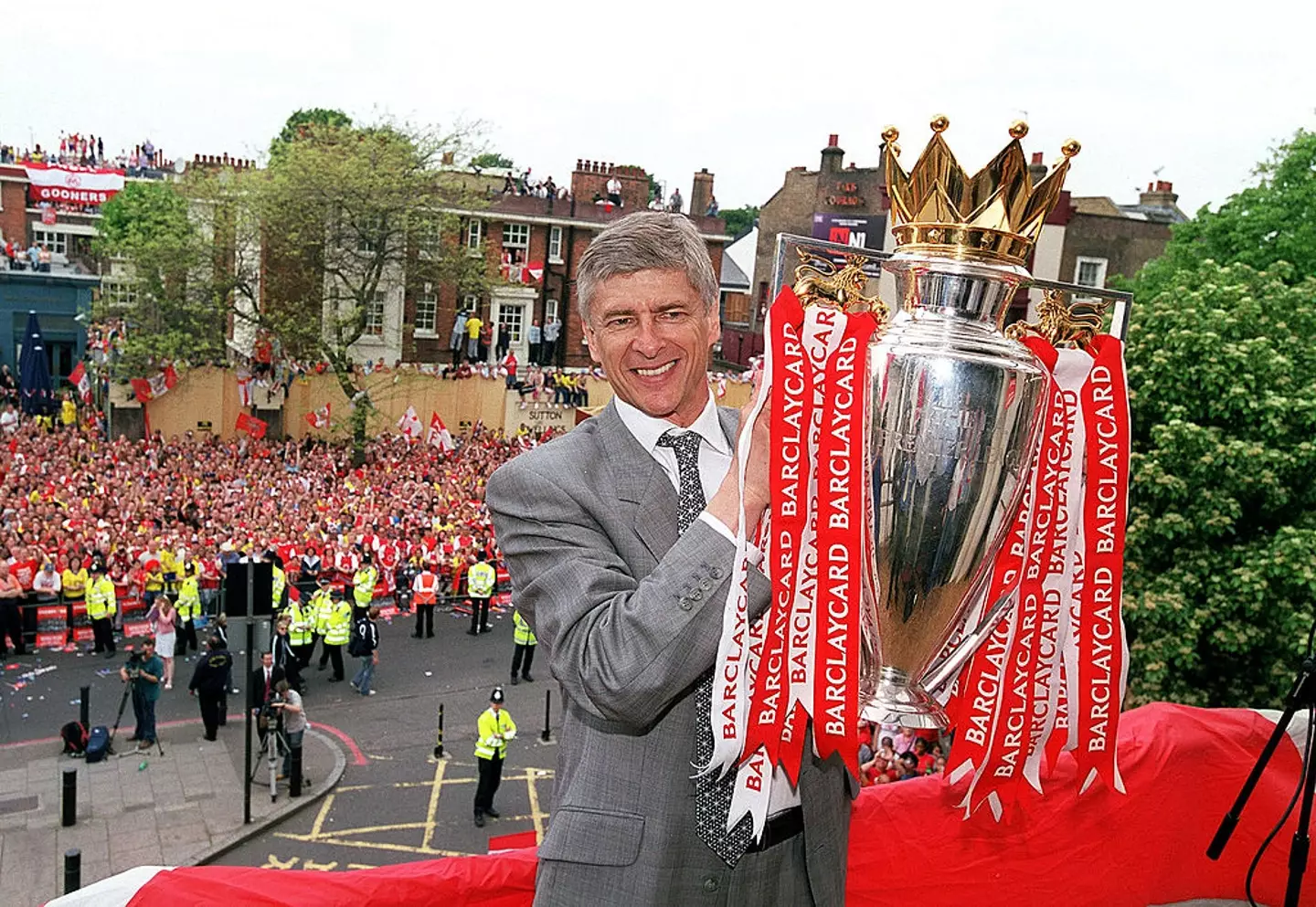
Arsène Wenger dominated late-20th-century football management by revolutionizing English football’s tactical landscape, introducing unprecedented sports science and dietary standards, and pioneering a sophisticated, data-driven approach to global scouting. These strategic innovations transformed Arsenal FC and permanently altered how the Premier League operated.
The Landscape of English Football Before 1996
To understand the magnitude of Arsène Wenger’s impact upon his arrival at Arsenal in October 1996, one must examine the state of English football at the dawn of the Premier League era. For decades, the culture of the English game was dominated by a traditionalist ethos. Diet, training regimens, and tactical preparation were remarkably relaxed compared to their continental European counterparts. Pre-match meals often consisted of steak and chips, and post-match routines frequently involved heavy alcohol consumption in the players' lounge.
Tactically, the game relied heavily on direct, physical play, long balls, and rigid 4-4-2 formations. Managers were primarily disciplinarians and motivators rather than meticulous tactical architects or sports scientists. When Arsène Wenger—a bespectacled, quietly spoken Frenchman who had managed in France and Japan—was announced as Arsenal's manager, the British sports media notoriously greeted the appointment with the tabloid headline "Arsène Who?"
Yet, this outsider perspective was precisely what Arsenal needed. Wenger did not merely inherit a football club; he diagnosed systemic flaws in English athletic preparation and systematically dismantled them. His arrival coincided with the financial boom of the Premier League, creating a unique window where visionary methods could yield immediate, transformative success. By examining the three pillars of his dominance—revolutionary dietary and fitness regimens, tactical sophistication, and pioneering global scouting—we can understand how Wenger reshaped the 1990s football landscape.
1. Revolutionizing Nutrition, Fitness, and Sports Science
The most immediate and visible change Wenger introduced at Arsenal was a total overhaul of the players' physical preparation and lifestyle habits. In an era where English players’ careers often peaked early due to poor conditioning, alcohol consumption, and physical wear-and-tear, Wenger treated the human body as a high-performance machine that required precision care.
Dietary Overhauls and Lifestyle Discipline
Wenger immediately banned the traditional pre-match diet of heavy red meat and processed foods, replacing them with boiled chicken, steamed fish, pasta, and steamed vegetables. He introduced steamed broccoli and spinach rich in vitamins and minerals, while completely eliminating sugar, heavy sauces, and excessive salt from the club's training ground canteens.
Furthermore, Wenger addressed the drinking culture that permeated English locker rooms. He recognized that alcohol severely impaired muscular recovery and reaction times. By implementing strict curfews and monitoring player habits off the pitch, he extended the peak playing years of seasoned veterans. Players like Tony Adams, Ian Wright, Lee Dixon, Nigel Winterburn, and Steve Bould—veterans of the club's infamous "Back Four" and attacking core—experienced second winds in their careers, prolonging their effectiveness at the highest level well into their thirties.
Integration of Sports Science and Vitamin Supplementation
Beyond diet, Wenger brought in Swedish fitness coach and expert in sports science Grimo Rampi and later worked closely with physiotherapist Gary Lewin to modernize recovery protocols. Players were subjected to rigorous physical assessments, and customized training programs were designed to prevent muscle imbalances and soft-tissue injuries.
Wenger also introduced regulated vitamin supplements, creatine, and specialized hydration strategies before and after matches. In a 1997 interview, Tony Adams famously noted that Wenger "knows a lot about milk and a lot about the body... he's got all these ideas about nutrition." These adjustments drastically reduced muscular fatigue during the grueling winter fixture congestion unique to English football, giving Arsenal a decisive physical edge in the final 20 minutes of matches, when opponents routinely tired.
| Traditional English Approach (Pre-1996) | Wenger’s Modernized Approach (Late 1990s) |
|---|---|
| Steak, chips, and heavy pre-match meals | Steamed chicken, fish, pasta, and vegetables |
| Tolerated locker room drinking and pub culture | Strict curfews, monitored diets, and zero tolerance for alcohol during seasons |
| Rigid, old-school cardiovascular running drills | Targeted sports science, injury-prevention protocols, and warm-ups |
| Shortened careers due to preventable wear-and-tear | Extended peak performance years for veterans into their mid-30s |
2. Tactical Sophistication and the Evolution of the Playing Style
While physical conditioning provided the engine, Wenger’s tactical framework provided the brain. The mid-1990s Premier League was tactically predictable, relying on vertical, direct passes and physical duels. Wenger injected a continental philosophy centered on spatial awareness, technical proficiency, positional fluidity, and relentless pressing.
Shifting from Reactive to Proactive Play
Wenger abandoned the cautious, counter-attacking safety-first approach that had characterized large portions of English club football. Instead, he demanded that his teams dominate possession and dictate the tempo from the opening whistle. He utilized a fluid 4-4-2 system that frequently morphed into a dynamic 4-3-3 or 4-2-3-1 in possession, depending on the personnel.
Central to this tactical shift was the role of the central midfielder. Wenger paired the tenacity and defensive solidity of Patrick Vieira with the creative, box-to-box engine of Emmanuel Petit. Acquired ahead of the 1997–98 double-winning season, the French midfield partnership provided both steel and silk. They could win the physical battle in midfield and instantly transition the ball forward with incisive, ground-level passing.
Empowering Creative Freedom and Technical Quality
Wenger trusted technical brilliance over brute strength. He unlocked the full potential of Dennis Bergkamp, who had struggled for consistency under previous regimes. Wenger utilized Bergkamp as a deep-lying second striker—a creative orchestrator who could drop into midfield pockets, draw defenders out of position, and deliver defense-splitting passes to rapid wingers like Marc Overmars and Nicolas Anelka.
| Tactical Dimension | English Traditional Style (Mid-90s) | Wenger’s Arsenal Style (Late 90s) |
|---|---|---|
| Passing Philosophy | Long balls, aerial duels, direct channel balls | Ground-level triangles, quick one-touch passing |
| Midfield Profile | Box-to-box runners with primary defensive duties | Ball-winning enforcers paired with elite playmakers |
| Attacking Width | Traditional wingers crossing from the byline | Incutting forwards exploiting half-spaces |
| Pace of Play | Variable, stop-start physical contests | High-intensity, fluid transitions |
This tactical shift culminated in the historic 1997–98 domestic Double, where Arsenal overhauled an 11-point deficit against Manchester United in March to secure both the Premier League title and the FA Cup. Wenger became the first foreign manager to win the English top-flight title, validating his continental philosophies on British soil.
3. Pioneering Global Scouting and Market Efficiency
Wenger’s third major pillar of dominance was his visionary approach to player acquisition. Long before data-driven recruitment and global scouting networks became standard operating procedure for elite European clubs, Wenger utilized his encyclopedic knowledge of international football to unearth elite talent at a fraction of their market value.
Leveraging International Networks
Because Wenger had managed in France and Japan (Nagoya Grampus Eight), he possessed deep, untraditional scouting networks across Europe, Africa, and Asia. While traditional English managers relied heavily on domestic agents and familiar British leagues, Wenger cast a wide net across the French Ligue 1, lesser-known European divisions, and domestic academies.
This global outlook allowed Arsenal to sign world-class talents before they commanded astronomical transfer fees. The most prominent example was the acquisition of Thierry Henry from Juventus in August 1999. Though Henry had struggled as a winger in Italy, Wenger recognized his explosive pace and technical gifts, immediately converting him into a central striker—a move that shaped the next decade of European football. Similarly, the signing of a young Patrick Vieira from AC Milan for a modest fee in 1996 and the discovery of Nicolas Anelka from Paris Saint-Germain for a nominal compensation fee demonstrated exceptional financial and sporting efficiency.
Economic Prudence and Self-Sustaining Vision
Wenger’s ability to buy low and develop talent not only secured on-field success but also protected the club's financial health. During the late 1990s, as transfer fees began to inflate across Europe due to television rights deals, Arsenal remained competitive against financially richer rivals like Manchester United through sheer recruitment efficiency.
By identifying psychological resilience, technical foundations, and athletic upside rather than established celebrity status, Wenger built squads that possessed exceptional hunger, tactical adaptability, and long-term resale value. This scouting model became the blueprint for modern football economics.
The Legacy of the 90s Foundation
Arsène Wenger’s dominance in the 1990s was not merely a product of a single successful season; it was a systemic cultural transformation. By modernizing player nutrition and fitness, introducing a fluid, technical continental tactical blueprint, and pioneering global scouting efficiencies, he altered the DNA of Arsenal FC and forced the entire Premier League to evolve.
The principles he established in October 1996 and refined throughout the decade laid the groundwork for the historic "Invincibles" undefeated Premier League season of 2003–04. Wenger proved that intellectual curiosity, scientific discipline, and a commitment to aesthetic, attacking football could conquer a traditionalist sporting culture, leaving an indelible mark on football history.
Frequently Asked Questions
Who was Arsène Wenger before he joined Arsenal in 1996?
Before joining Arsenal, Arsène Wenger managed AS Nancy and AS Monaco in France, winning the French Ligue 1 title with Monaco in 1988. He also managed Nagoya Grampus Eight in Japan, where he won the Emperor's Cup and the Japanese Super Cup, earning the J-League Manager of the Year award in 1995.
How did Arsène Wenger change the diet of English football players?
Wenger eliminated traditional heavy pre-match meals like steak and chips, replacing them with lean proteins (chicken, fish), complex carbohydrates (pasta, rice), and steamed vegetables. He banned processed foods, restricted sugar and salt intake, and strictly prohibited alcohol consumption during the competitive season.
Which players were key to Arsenal's success in the late 1990s?
Key players during Wenger's 1990s tenure included captain Tony Adams, goalkeeper David Seaman, midfielders Patrick Vieira and Emmanuel Petit, creative orchestrator Dennis Bergkamp, and goalscorers Ian Wright, Nicolas Anelka, and Thierry Henry, who joined in 1999.
Did Arsène Wenger win the Premier League in the 1990s?
Yes. In his first full season (1997–98), Wenger led Arsenal to a domestic Double, winning both the Premier League championship and the FA Cup. He became the first non-British manager to win the English top-flight title.
What was the "Invincibles" season, and when did it happen?
The "Invincibles" refers to Arsenal’s remarkable 2003–04 Premier League campaign, where they went through the entire 38-game league season undefeated. While it occurred in the 2000s, it was the direct organizational and tactical continuation of the foundations Wenger built during the late 1990s.